
Backspin on a golf ball is when the ball spins backward as it flies through the air. This spin makes the ball climb, then drop sharply, and stop quickly on the green. It helps you control where the ball lands. Backspin happens when the club hits the ball with a downward blow, causing friction. Many golfers, from beginners to pros, can learn to create backspin. It takes the right swing, the right club, and the right ball.
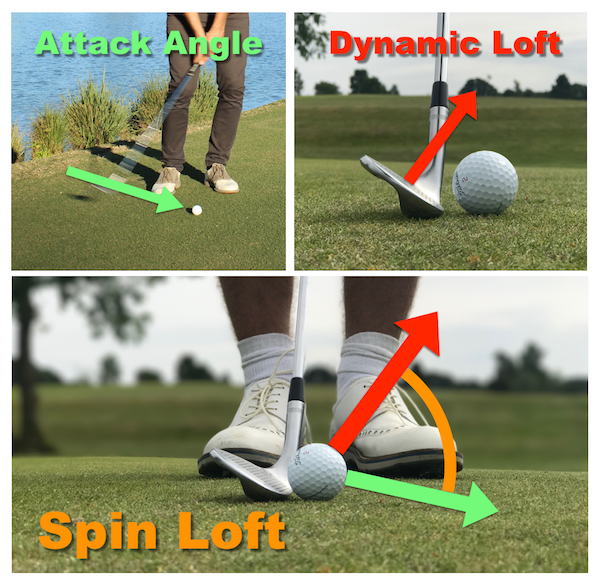
Image Source: www.worldofshortgame.com
Grasping the Basics of Backspin
Backspin is vital for good golf shots. It helps your ball land softly. It also makes your ball stop near the hole. Without enough backspin, your ball might roll past the green. Or it might roll off the green. Learning how to get more spin on golf shots gives you more control. This control leads to lower scores.
What Backspin Does
Backspin makes the ball rise. It helps it stay in the air longer. When the ball hits the ground, the backspin makes it stop. Think of a car tire spinning backward. If you suddenly drop it, it bites into the ground. A golf ball does the same. This lets you aim for pins that are close to the edge of the green. It stops your ball from going too far.
Key Factors for Generating Backspin in Golf
Creating backspin is not magic. It comes from a mix of things. You need the right tools and the right swing. Every part works together.
Your Golf Club for Backspin
The golf club you use matters a lot. Wedges are best for backspin. They have a lot of loft. Loft is the angle of the club face. More loft means more spin potential. Short irons like 8-irons and 9-irons can also create good backspin. Longer irons and woods create less backspin. This is because they have less loft. Their job is to hit the ball far, not to stop it quickly.
- Wedges: These are your go-to clubs for high spin.
- Pitching Wedge (PW)
- Gap Wedge (GW) or Approach Wedge (AW)
- Sand Wedge (SW)
- Lob Wedge (LW)
- Short Irons: These clubs also help create good spin.
- 8-Iron
- 9-Iron
The Best Golf Balls for Backspin
The golf ball itself plays a big role. Some balls are made to spin more. These usually have a soft outer cover. This cover is often made of urethane. When your club hits this cover, it grips it. This grip makes the ball spin more. Cheaper golf balls often have harder covers. These do not grip the club face as well. They spin less.
| Golf Ball Type | Cover Material | Spin Potential | Best Use |
|---|---|---|---|
| Tour Balls | Urethane | High | Control, stopping power |
| Mid-Range Balls | Surlyn/Ionomer | Medium | Balance of distance & spin |
| Distance Balls | Ionomer/Harder | Low | Max distance, less spin |
For top spin, always pick a golf ball designed for “spin” or “control.”
Your Golf Swing for Backspin: The Technique
The way you swing is the most important part. You need a specific kind of strike. This strike is called a “clean strike” or “compressing the ball.”
Setting Up for Backspin
Your setup forms the base of your swing. Get this right, and the rest gets easier.
- Ball Position: Place the ball slightly back in your stance. For a wedge, put it in the middle or just behind the middle. This helps you hit down on the ball.
- Stance: Use a narrow stance. Keep your feet closer together than for a full driver swing. This helps you rotate better.
- Weight Shift: Keep your weight slightly forward. About 60% of your weight should be on your front foot. This helps you hit down.
- Hands Forward: Set your hands slightly in front of the ball at address. This pre-sets a forward shaft lean. Forward shaft lean is key for backspin.
The Grip’s Impact on Spin Control
A good grip is vital. It connects you to the club. Hold the club firmly but not too tightly. Too much grip pressure can stop your wrists from moving freely. This hurts your swing speed. A neutral grip is best. This means your hands are not too strong or too weak. This helps you square the club face at impact. A square face is key for good golf ball spin control.
The Downswing for More Spin
This is where backspin is made. You need to hit down on the ball. This is often called “taking a divot.” A divot is the piece of grass that flies after you hit the ball.
- Angle of Attack: You must hit the ball with a downward angle. Imagine your club hitting the ball first, then the ground. This is the exact opposite of hitting up on the ball, like with a driver.
- Shaft Lean: Your club shaft should lean forward at impact. This means your hands are ahead of the club head. This takes some loft off the club. It helps you compress the ball.
- Clubhead Speed: You need enough clubhead speed. More speed means more friction. More friction means more spin. You do not need to swing as hard as you can. A good, controlled swing with solid contact is better.
- Clean Contact: This is the most crucial part. You must hit the ball cleanly. Get the club face between the ball and the turf. No grass or dirt should come between the club face and the ball. Any grass will greatly reduce spin.
The Follow-Through
Your follow-through matters too. It helps keep your swing balanced. For backspin, aim for a lower, more controlled follow-through. Do not try to scoop the ball up. This will take spin off the ball. Keep your chest facing the target. Your arms should extend towards the target.
Refining Your Backspin Technique Golf
Improving your backspin takes practice. Focus on these areas to increase golf ball spin.
Mastering the Downward Strike
Many golfers try to lift the ball. This is wrong for backspin. Think of it like this:
- Wrong Way: Trying to scoop the ball up. This leads to thin shots. The club hits the middle of the ball. It can also lead to fat shots. The club hits the ground before the ball. Both lead to very little spin.
- Right Way: Aim to hit the ball first. Then take a divot. This divot should be shallow and start just after where the ball was. This shows you hit down and through the ball.
The Role of Grooves on Your Club
Club grooves are the lines on your club face. They grip the ball. They help create friction. Sharp, clean grooves are a must for maximum backspin. Worn-out or dirty grooves will reduce spin. Always clean your club face before each shot. Use a brush and a damp towel.
How Lying Conditions Affect Backspin
The lie of the ball means how it sits on the ground.
- Perfect Lie: Ball sitting up on short, clean grass. This is the best for spin.
- Fluffy Lie: Ball sitting on long grass. The club might go under the ball too much. Or grass might get between the club and ball. This reduces spin.
- Bare Lie: Ball on hard dirt or sand. It is hard to take a divot here. It is hard to get good spin.
You must adjust your swing based on the lie. For fluffy lies, try to hit more cleanly. For bare lies, try to pick the ball a bit more.
Drills to Increase Golf Ball Spin
Practice makes perfect. Try these drills to improve your backspin golf tips.
The Towel Drill
- Place a small towel about 6-8 inches in front of your ball.
- Set up for a wedge shot.
- Swing, making sure your club hits the ball first.
- Your divot should start after the ball and not touch the towel.
This drill helps you learn to hit down and through the ball. It trains your impact point.
The Coin Drill
- Place a coin about 2 inches behind your ball.
- Set up for a wedge shot.
- Swing, making sure your club hits the ball first.
- Do not hit the coin.
This helps you hit the ball cleanly without hitting behind it. It improves your contact.
Compressed Strike Drill
- Use a practice mat with a line.
- Place the ball on the line.
- Swing, aiming to create a divot after the line.
- The club should hit the ball then the mat.
This drill teaches you the feeling of hitting down on the ball.
Equipment Choices: Golf Club for Backspin and Best Golf Balls for Backspin
Let’s dive deeper into what gear helps you get maximum golf ball spin control.
Selecting the Right Wedges for Wedge Backspin
Wedges are made to create high spin. They have more loft than other clubs. They also have special grooves.
- Loft: Wedges range from 44 degrees (pitching wedge) up to 64 degrees (lob wedge). Higher loft means more spin.
- Bounce: Bounce is the angle on the sole (bottom) of the club. It helps the club glide through the turf. It stops the club from digging too deep.
- Low Bounce: Good for firm ground or tight lies. Less forgiving.
- Mid Bounce: Good for most players and conditions.
- High Bounce: Good for soft ground, fluffy lies, or sand. More forgiving.
Choose the bounce that fits your swing and the courses you play.
Why Premium Golf Balls Matter
As noted before, the cover of the golf ball is key. Premium golf balls often have a soft urethane cover. This material is “sticky” at impact. It grabs the club face. This grabbing action is what creates high friction. High friction leads to more spin. These balls are usually multi-layered. This helps with feel and control. If you want maximum backspin, invest in these balls.
Overcoming Common Mistakes in Backspin Technique Golf
Many golfers struggle with backspin. Here are common errors and how to fix them.
Hitting Thin Shots
- Problem: The club hits the ball too high on the face. Or it hits the ball before hitting the ground. The result is a low, rolling shot with little spin.
- Cause: Trying to scoop the ball. Not shifting weight forward. Not hitting down enough.
- Fix: Focus on hitting down on the ball. Shift your weight to your lead foot. Practice the towel drill. Ensure your hands are ahead of the ball at impact.
Hitting Fat Shots
- Problem: The club hits the ground before the ball. This takes away power and spin.
- Cause: Weight too far back. Not hitting down correctly. A shallow angle of attack.
- Fix: Make sure your weight is forward at address. Practice hitting the ball first, then the ground. The towel drill also helps here. Your divot should be after the ball, not before.
Grass or Debris Between Club and Ball
- Problem: Even a tiny bit of grass reduces spin by a lot.
- Cause: Playing from a bad lie. Not cleaning the club face.
- Fix: Always clean your club face. If the lie is bad, adjust your shot. Maybe play for a roll instead of spin. Try to take a very clean hit for fluffy lies.
Advanced Backspin Golf Tips
Once you get the basics, you can refine your backspin golf tips.
Adjusting for Different Distances
You do not always need maximum spin. Sometimes, you want a softer landing.
- Full Swing Backspin: For longer shots into the green. Use a full swing with a wedge or short iron. Aim for a deep divot.
- Partial Swing Spin: For shorter shots around the green. Use a shorter swing. Keep your wrists firm. This is great for wedge backspin. Focus on control and a clean strike. A three-quarter swing with a lob wedge can create incredible stop.
Wind and Spin
Wind changes how your ball flies.
- Into the Wind: Backspin can make the ball rise too much. It might get caught in the wind. Try to hit a lower shot. Use slightly less loft.
- With the Wind: Backspin can help the ball stay in the air. This gives you more distance. The ball will still stop well.
Spin Around the Green
Wedge backspin is your friend for shots around the green. This includes chip shots and pitch shots.
- Chipping: For shorter shots just off the green. Use a less aggressive swing. The goal is to get the ball rolling quickly. You can still get some spin, but not as much as a full wedge shot.
- Pitching: For longer shots onto the green from closer range. Here, you can create a lot of spin. Focus on hitting the ball first, then taking a small divot. Use an open club face for higher shots that stop faster.
Maintaining Your Equipment for Max Spin
Your gear needs care. This directly affects your golf ball spin control.
Keeping Your Grooves Clean
Dirty grooves are spin killers. After every shot, clean your club face. Use a brush to clear out dirt and grass. A damp towel works well for stubborn grime. Some golfers even use a special groove sharpener. This can bring back some life to older clubs. However, be careful not to make the grooves illegal.
Checking Your Club Faces
Over time, the face of your club wears down. Especially the sweet spot. This wear can reduce friction. If your clubs are very old, it might be time for new ones. Modern club technology also helps with spin. Newer clubs often have better groove designs.
Practice Schedule and Mindset
Mastering backspin takes time. Be patient.
Consistent Practice
Do not expect perfect backspin in one day. Practice the drills often. Go to the driving range. Focus on your setup. Work on your impact. Hit many shots. Get a feel for the clean strike.
Focus on Feel, Not Just Force
Backspin is not about swinging as hard as you can. It is about a precise strike. Focus on the feeling of compressing the ball. Feel the club face gripping the ball.
Record Your Swings
Use your phone to record your swing. Watch it back. Compare it to videos of pros. Look at your setup. Look at your impact position. See if you are hitting down enough.
Conclusion: Your Path to Superb Spin
Mastering backspin makes golf more fun. It gives you incredible control. You can aim for tight pin positions. You can stop the ball on a dime. Remember the key steps:
- Choose the right gear: A good golf club for backspin (like a wedge) and the best golf balls for backspin (urethane cover).
- Set up correctly: Ball back, weight forward, hands forward.
- Execute the swing: Hit down on the ball, take a divot, clean strike.
- Practice regularly: Use drills to improve your backspin technique golf.
- Maintain your clubs: Keep grooves clean and sharp.
With dedication, you can achieve excellent golf ball spin control. Go out and start generating backspin in golf today! Your scores will thank you.
Frequently Asked Questions (FAQ)
Q: Can I create backspin with any golf club?
A: You can create some backspin with any club, but wedges and short irons create the most. Their high loft and sharp grooves are designed for it. Drivers and fairway woods create much less backspin.
Q: How much backspin do pros get?
A: Professional golfers can generate 8,000 to 12,000 revolutions per minute (RPM) with a wedge. Amateurs might get 4,000 to 7,000 RPM. More RPM generally means more stopping power.
Q: Does backspin help with distance?
A: For irons, some backspin helps the ball stay in the air. This gives you good carry distance. Too much backspin on a driver, though, can make the ball “balloon” and lose distance. For irons and wedges, it is mostly about control and stopping power.
Q: Why do my shots lack backspin even with a wedge?
A: Most likely, you are not hitting down on the ball enough. You might be scooping it, or there might be grass between the club face and the ball. Check your setup, especially your ball position and hand position. Focus on hitting the ball first, then the ground.
Q: Are all golf balls the same for backspin?
A: No, golf balls differ a lot. Balls with soft urethane covers are designed for maximum spin. Harder, surlyn-covered balls spin less. Choose a “tour” or “performance” ball for more spin.
Q: Do new clubs give more backspin than old ones?
A: Yes, generally. New clubs have fresh, sharp grooves. These grooves grip the ball better. Older clubs, especially those used often, have worn grooves. This reduces spin potential.