
You polish golf clubs by first cleaning them well. Then, you remove any rust. After that, you put on a good metal polish. Finally, you rub them until they shine. This work helps restore golf club finish. It is a key part of good golf club maintenance tips.
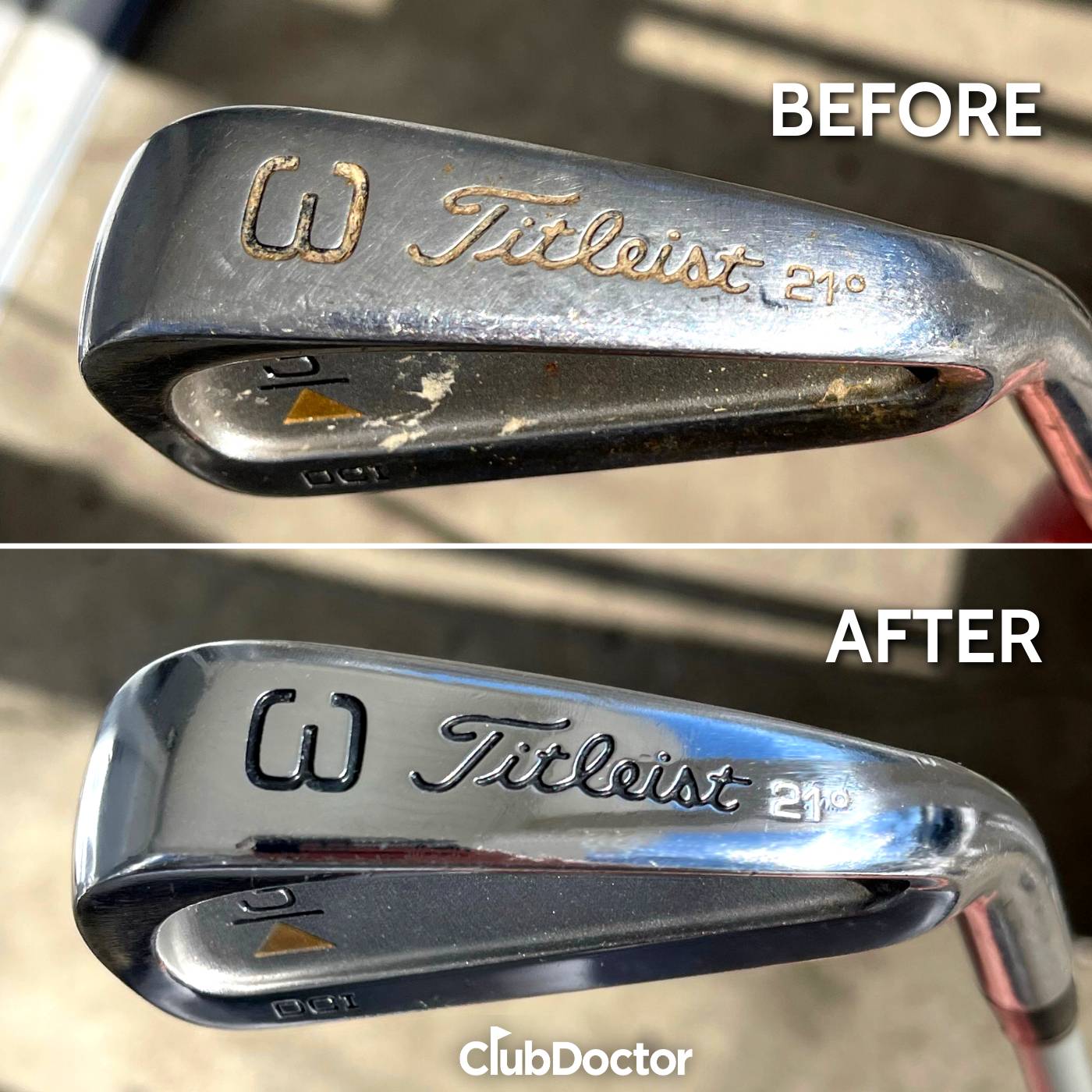
Image Source: clubdoctorgolf.com
Grasping the Value of Polishing Your Golf Clubs
Keeping your golf clubs clean and shiny is more than just looking good. It helps them work better. It also makes them last longer. Many golfers do not polish their clubs often enough. This can lead to problems like rust. A good polishing routine is vital. It keeps your clubs in top shape.
Why a Clean Club Plays Better
A clean club helps you hit the ball truly. Dirt, grime, and tiny scratches can change how the club face hits the ball. A smooth, clean surface lets the ball fly off the club as it should. This means more control and better shots. Think of it like a car. A clean car runs better. A clean club plays better too.
Avoiding Oxidation and Corrosion
Metal can get dull over time. It can also get rust. Rust is a red or brown coating that forms on metal when it touches water and air. This is called oxidation or corrosion. Polishing puts a barrier on the metal. This barrier helps prevent rust on golf clubs. It protects the metal from air and water. This is a very important part of golf club maintenance tips. Without it, your clubs can get weak and break down.
Boosting Your Club’s Look
Let’s be honest. Shiny clubs look great. They show you care about your gear. Walking onto the course with bright, well-kept clubs feels good. It adds to your game’s joy. It also keeps your clubs looking new. This is a big part of DIY golf club restoration.
Gathering Your Tools and Supplies
Before you start to shine your golf clubs, you need the right things. Having everything ready makes the job easier and faster. Do not rush this step. Good tools mean good results.
Essential Items for Polishing Clubs
Here is a list of what you will need:
- Warm Water: For washing the clubs.
- Mild Soap: Dish soap works well. Do not use strong cleaners.
- Soft Brushes: A soft brush or old toothbrush for scrubbing.
- Microfiber Cloths: Many of them. These are great for drying and buffing.
- Old Towels: To protect your work area.
- Specific Golf Club Cleaning Tools: Groove cleaners or plastic picks.
- Rust Remover: If your clubs have rust. We will talk more about this.
- Metal Polish for Golf Clubs: The main item for shining.
- Rubbing Alcohol (Optional): For final degreasing.
- Protective Wax or Oil (Optional): For a lasting shine.
Choosing the Best Polish
When it comes to the best golf club polish, you have choices. Different polishes work for different metals. Most golf clubs are stainless steel or chrome. Some are softer metals.
Here is a simple table to guide you:
| Club Material | Recommended Polish Type | Notes |
|---|---|---|
| Stainless Steel / Chrome | Fine Abrasive Metal Polish | Good for shining golf club heads. Removes light scratches. |
| Carbon Steel (older irons) | Non-Abrasive Metal Polish / Wax | Protects from rust. Less about extreme shine. |
| Brass / Bronze (putters) | Specialty Brass/Bronze Polish | Gentle. Prevents color change. |
| Black Finish Clubs | No Polish / Specialty Cleaner only | Polishing can remove the black coating. Be careful. |
Always pick a polish made for metal. Avoid car wax that is only for paint. Look for a metal polish for golf clubs.
The Step-by-Step Polishing Process
Now, let’s get to the real work. Polishing your clubs is a process. Follow these steps carefully. You will get the best results. This is your guide to how to clean golf clubs and then make them shine.
Phase 1: Initial Cleaning – Getting Rid of the Grime
Before you can polish, clubs must be spotless. Any dirt or grit will scratch the club when you try to polish.
Removing Loose Dirt and Debris
First, knock off any large pieces of dirt. You can tap the club lightly on the grass or a hard surface. Be gentle.
Washing the Club Heads
This is how to clean golf clubs properly.
- Fill a bucket: Use warm water and a little mild dish soap.
- Soak the club heads: Put only the metal heads into the soapy water. Let them sit for 5-10 minutes. Do not let water go into the shaft or grip. Only soak the club head. This helps loosen stuck-on dirt.
- Scrub thoroughly: Use a soft brush or old toothbrush. Scrub all parts of the club head. Pay special attention to the grooves. Grooves are important for ball spin. Use a groove cleaner tool if you have one.
- Rinse well: Take the clubs out of the soapy water. Rinse them under clean running water. Make sure all soap is gone. Soap residue can dull the finish.
- Dry completely: Use a clean, dry microfiber cloth. Dry the club heads right away. Do not let them air dry. This can cause water spots or rust. Make sure they are totally dry before moving on.
Cleaning the Shafts and Grips
Do not forget the rest of the club.
- Shafts: Wipe shafts with a damp cloth. Then dry them.
- Grips: Use a little soap and water on a cloth. Rub the grips to remove sweat and dirt. Rinse them with a clean damp cloth. Dry them very well. Clean grips help you hold the club better.
Phase 2: Inspecting for Damage and Addressing Rust
Once clean, look closely at each club head. Check for dings, deep scratches, and especially rust.
Identifying Different Types of Rust
1. Surface Rust: This is light, orange-brown rust. It sits only on the top layer of the metal. It looks like small dots or a light film. Surface rust is easy to remove.
2. Pitting Rust: This rust has eaten into the metal. It makes small holes or pits. This type of rust is harder to remove completely. You might not get rid of the pits, but you can stop the rust from spreading.
Golf Club Rust Removal Methods
Getting rid of rust is a crucial step before polishing. Different methods work for different rust levels.
*Method 1: Vinegar Soak (for surface rust)*
- What you need: White vinegar, a small bowl, a soft brush, water, and a dry cloth.
- How to do it:
- Pour white vinegar into a bowl.
- Dip only the rusty part of the club head into the vinegar. For light rust, 15-30 minutes is enough. For heavier surface rust, leave it for a few hours. Check often.
- Take the club out. Use a soft brush (like an old toothbrush) to scrub the rusty areas. The rust should come off easily.
- Rinse the club head very well with water. This is key. Vinegar is acidic and can harm the metal if left on.
- Dry the club immediately and fully with a clean cloth.
*Method 2: Cola Soak (for surface rust)*
- What you need: Coca-Cola (or similar cola drink), a bowl, a brush, water, and a dry cloth.
- How to do it:
- The acid in cola helps remove rust.
- Soak rusty areas in cola for a few hours or overnight.
- Scrub with a brush.
- Rinse very well and dry right away.
*Method 3: Commercial Rust Remover (for tougher rust)*
- What you need: A specific golf club rust removal product or general metal rust remover, gloves, a cloth, water, and a dry cloth.
- How to do it:
- Read the product’s directions carefully.
- Wear gloves to protect your hands.
- Apply the remover to the rusty spots with a cloth or brush.
- Let it sit for the time stated on the product. Do not leave it longer than needed.
- Scrub the rust off.
- Rinse the club thoroughly with water.
- Dry the club completely right away.
*Important Rust Removal Notes:*
- Always test any rust remover on a small, hidden part of the club first. Make sure it does not damage the finish.
- Never use harsh abrasive pads like steel wool. These can scratch your club deeply.
- Be extra careful with black finish clubs. Rust removers can strip the black coating.
Phase 3: Applying the Polish – Bringing Back the Sparkle
After cleaning and rust removal, your clubs are ready for the polish. This step is where the shine comes back. It helps restore golf club finish.
Preparing the Surface for Polish
Make sure the club head is perfectly dry and free of any dirt or grease. You can wipe it with a cloth dampened with a little rubbing alcohol. This removes any leftover oils or residues. Let it dry fully before polishing.
How to Apply Metal Polish for Golf Clubs
- Shake the polish: If it’s a liquid, shake the bottle well.
- Apply a small amount: Put a pea-sized dab of metal polish for golf clubs onto a clean microfiber cloth. Do not use too much. A little goes a long way.
- Rub in small circles: Apply the polish to the club head. Use small, firm, circular motions. Work on one small area at a time.
- Work it in: You will see the polish start to turn black or grey. This means it is working. It is picking up dirt and tiny bits of metal.
- Reapply if needed: If an area is very dull, you might need to apply more polish and rub again.
- Avoid painted areas: If your club has painted logos or numbers, avoid polishing over them. The polish might remove the paint.
- Do not get polish in grooves: Try to keep polish out of the deep grooves. It can be hard to remove from there.
Phase 4: Buffing for Shine – The Final Touch
Buffing is what makes your clubs truly shine. This is where shining golf club heads really happens.
The Buffing Process
- Use a clean, dry cloth: Get a fresh, very clean microfiber cloth.
- Wipe off haze: Gently wipe off the dried polish haze from the club head.
- Buff to a high shine: Now, use a clean part of the cloth. Rub the club head with quick, light circular motions. Apply light pressure. You will see the shine increase. This is where buffing golf irons gets them gleaming.
- Check your work: Look at the club from different angles. Make sure there are no dull spots or polish residue left. If you see any, buff again.
Special Care for Different Club Parts
- Shining Golf Club Heads: Focus on the face and sole. These are the most visible and important parts.
- Buffing Golf Irons: Irons often have deeper scratches. You might need to buff them more firmly.
- Wedges: Wedges often have a rougher finish to help with spin. Be careful not to over-polish the face of wedges. You want to keep their textured surface.
- Putters: Putters come in many materials. Some are very soft. Be very gentle when polishing putters. If it’s a specialty finish, check with the maker. Some putters should not be polished at all.
Specific Club Types Considerations
Each type of golf club has its own needs when it comes to cleaning and polishing.
Irons and Wedges
Irons and wedges are usually made of steel. They are tough but can rust easily, especially in the grooves.
- Cleaning: Pay extra attention to cleaning the grooves. Dirt in grooves hurts spin.
- Rust: Irons are most prone to rust, especially if they are carbon steel. Use golf club rust removal methods as needed.
- Polishing: Stainless steel irons take a great shine. Be careful not to polish the faces of wedges too much if they have special textured finishes.
Woods (Drivers, Fairway Woods, Hybrids)
Modern woods often have different materials. The face might be titanium. The body might be composite or painted metal.
- Cleaning: Wipe painted areas gently.
- Polishing:
- Titanium faces: Can be polished with a fine metal polish.
- Painted crowns: Never use abrasive polish on painted surfaces. Use only a soft cloth and a gentle cleaner. Car detailing sprays work well for shine on painted parts.
- Matte finishes: Do not polish matte finish clubs. It will make them shiny in spots. Just clean them.
Putters
Putters are very diverse. They come in many metals, finishes, and designs.
- Material Check: Find out what your putter is made from. Brass, bronze, copper, stainless steel, carbon steel, and even aluminum are common.
- Finish Types: Some putters have special coatings (e.g., black oxide, PVD). These should generally not be polished. Polishing can remove the coating.
- Gentle Approach: If it’s a simple stainless steel putter, a regular metal polish is fine. For softer metals like brass or bronze, use a polish made for those metals. Always use light pressure.
Maintaining the Shine: Long-Term Golf Club Care
Polishing is not a one-time thing. To keep your clubs looking their best, you need ongoing care. This is crucial for long-term golf club maintenance tips.
Regular Cleaning After Each Round
This is the simplest and best way to prevent rust and dirt buildup.
- Wipe down: After every round, wipe down your club heads with a damp towel.
- Brush grooves: Use a plastic groove cleaner or brush to clear out dirt from grooves.
- Dry completely: Always dry your clubs thoroughly before putting them back in your bag.
Proper Storage
How you store your clubs matters a lot.
- Dry place: Always store your clubs in a dry place. A garage or basement with high humidity can cause rust.
- Avoid extreme temperatures: Very hot or very cold places can affect grips and shafts.
- Club covers: Use headcovers for your woods and putter. Consider iron covers if you want extra protection, but make sure they are dry. Wet iron covers can trap moisture and cause rust.
Waxing or Protecting Your Clubs
After polishing, you can add a layer of protection.
- Car wax: A thin layer of car wax (non-abrasive) can add extra shine and a barrier.
- Special golf club protectants: Some products are made just for golf clubs. They seal the finish.
- Apply gently: Use a clean cloth. Apply a thin layer. Let it dry to a haze. Then buff it off with another clean cloth. This helps prevent rust on golf clubs. It makes the shine last longer.
How Often to Polish?
There is no strict rule. It depends on how often you play and how you care for your clubs.
- Every few months: If you play often, polish your irons every 2-3 months.
- Once or twice a year: For casual players, once or twice a year might be enough.
- As needed: If you see dullness or light rust, it is time to polish.
Remember, light and frequent cleaning is better than deep cleaning once a year.
Common Mistakes to Avoid
Many people make small errors when polishing clubs. Avoiding these makes your work easier and your clubs safer.
- Using Abrasive Materials: Never use steel wool, sandpaper, or harsh scrubbing pads. These will scratch your clubs deeply. Stick to soft brushes and cloths.
- Not Drying Clubs Fully: Leaving water on clubs is the number one cause of rust. Always dry them completely.
- Over-Polishing or Polishing Wrong Finishes: Polishing too often or using the wrong polish can damage some club finishes, especially matte or black coatings.
- Getting Water in Shafts/Grips: Water inside shafts can cause rust from the inside. Water in grips can make them slippery or decay. Keep water on the club head only.
- Using Household Cleaners: Some household cleaners are too strong for golf club metals. They can strip coatings or cause damage. Stick to mild soap or specific golf club cleaners.
- Ignoring Rust: Do not let rust sit. Small rust spots become big rust problems. Deal with rust as soon as you see it.
Advanced Tips for the Dedicated Golfer
For those who want to go the extra mile in DIY golf club restoration, here are some advanced ideas.
Using a Buffing Wheel
If you have a bench grinder with a buffing wheel, you can get a mirror-like shine.
- Caution: This is for advanced users. It can be dangerous if you are not careful. The wheel can grab the club.
- Safety: Always wear eye protection. Hold the club very firmly.
- Compound: Use a metal polishing compound with the wheel.
- Practice: Practice on an old, unwanted piece of metal first.
- Gentle touch: Use light pressure. Let the wheel do the work. Move the club constantly to avoid hot spots.
Dealing with Deep Scratches
If your clubs have deep scratches that polish cannot fix, you might need professional help.
- Light scratches: Fine abrasive polish can blend out very light surface scratches.
- Deeper marks: For deeper scratches, you would need to sand the club. This changes the club’s weight and feel. It is not recommended for most golfers.
- Regrooving: If your grooves are worn down, they can be re-cut by a professional. This is not polishing but can restore performance.
Polishing Golf Club Shafts
Most shafts are graphite or steel.
- Steel shafts: You can use a very mild metal polish on steel shafts. Do it gently.
- Graphite shafts: Do not use metal polish on graphite. Just wipe them clean with a damp cloth and dry them. You can use a car detailing spray for shine.
Conclusion: Your Clubs, Your Game, Your Shine
Polishing golf clubs is a rewarding process. It helps you restore golf club finish, keeps them looking new, and helps them perform at their best. It is a vital part of golf club maintenance tips. By following these steps – cleaning, golf club rust removal, applying the best golf club polish, and buffing golf irons to a shine – you ensure your clubs are ready for every swing. A little time and effort go a long way. So, next time you are off the course, give your clubs the care they deserve. Your game will thank you.
Frequently Asked Questions (FAQ)
Q1: How often should I polish my golf clubs?
A1: It depends on how often you play. For frequent players, polish irons every 2-3 months. For casual players, once or twice a year is fine. The best rule is to polish when they look dull or show light rust.
Q2: Can I use car polish on my golf clubs?
A2: It depends on the type. You can use a metal polish made for cars if it’s for metal surfaces. Avoid car waxes meant only for car paint. These will not work well on metal and might leave a residue. Always use a metal polish for golf clubs or general metal polish.
Q3: Will polishing affect the performance of my golf clubs?
A3: Polishing will improve performance by making the club face smooth and clean. This allows for better contact with the ball. Removing rust and dirt from grooves helps improve spin. It does not negatively affect performance.
Q4: Is it bad to polish golf clubs too much?
A4: Yes, it can be. Over-polishing, especially with abrasive polishes, can slowly wear down the metal or remove special finishes. It is best to stick to a routine of every few months or as needed. Also, avoid polishing matte or black-finished clubs, as it can damage their coating.
Q5: What should I do if my club has deep scratches?
A5: Polishing helps with light surface scratches. For deep scratches, polishing will not remove them. You might need to consult a professional golf club repair service. They can sometimes fix deeper damage, but it might change the club’s look or feel.
Q6: Can I polish graphite shafts?
A6: No, you should not use metal polish on graphite shafts. Metal polish is for metal. Graphite shafts can be cleaned with a damp cloth and mild soap. You can use a car detailing spray for a nice shine on graphite.