
So, how often should you regrip your golf clubs? A good rule of thumb is to replace your golf grips at least once a year, even if you don’t play that often. This gives you the best feel and control. Many golfers ask, “When to change golf grips?” or “How long do golf grips last?” For players who golf a lot, like twice a week or more, you might need new grips two or three times a year. Think of golf grip replacement frequency like changing the oil in your car; it’s needed for things to work right.
Golf grips are the only link between you and your club. They wear down over time. This wear and tear happens every time you swing, every time you take the club out of the bag, and even just sitting in storage. Worn golf grips symptoms include slickness, hardness, cracks, or faded spots. Ignoring these signs can make your game worse.
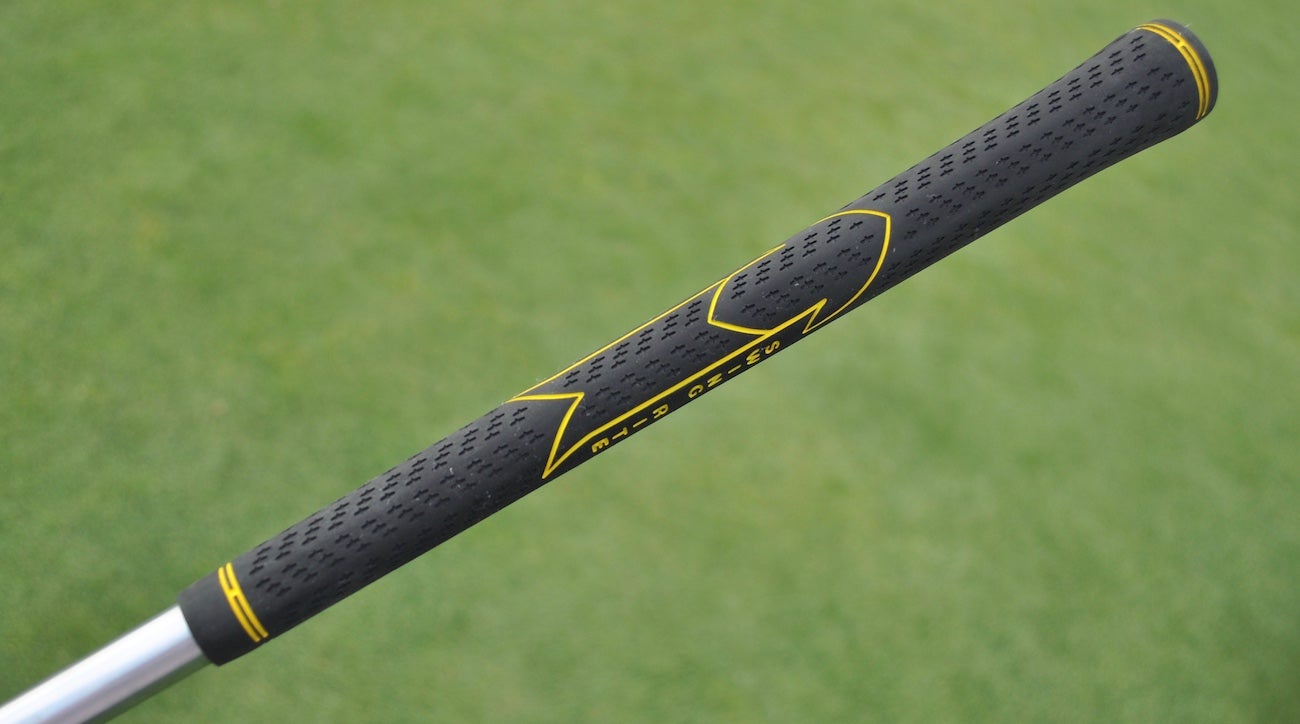
Image Source: golf.com
Why New Grips Matter
Getting new golf grips is one of the simplest and cheapest ways to improve your golf game. It makes a big difference in how you feel the club and how much control you have.
Feeling the Difference: The Benefits of New Golf Grips
New grips feel sticky and soft. They give you a firm hold without needing to squeeze too hard. This means less tension in your hands and arms. When you don’t have to fight to hold the club, you can swing more freely and smoothly. This leads to better shots.
Here are some clear benefits:
- More Control: A fresh grip stops the club from twisting in your hands during the swing. This helps you hit the ball where you want it to go.
- Better Feel: You can feel the clubhead better throughout the swing. This helps with timing and speed control, especially around the green.
- Less Tension: You don’t have to grip the club too tightly. This keeps your muscles relaxed, which means a more powerful and controlled swing.
- More Confidence: Knowing you have a solid hold on the club makes you feel more confident over your shot. This mental boost can really help your game.
- Stops Slipping: Sweaty or wet hands won’t cause the club to slip. This is super important in all kinds of weather.
- Reduces Shock: Newer grips can help soak up some of the shock when you hit the ball, making it feel softer, especially on miss-hits.
Getting grips changed is a small step. But does regripping improve golf game? Yes, it really does. It fixes small problems in your hold that can cause big problems in your swing and shots.
Observing the Signs: Signs Golf Grips Need Replacing
Your grips will tell you when they are ready to be changed. You just need to know what to look for. Ignoring these signs means you are playing with grips that are hurting your game.
Worn Golf Grips Symptoms to Watch For
Look closely at your grips. Feel them. They should feel a certain way. When they change, it’s a sign.
Here are the main symptoms of worn golf grips:
- Shiny Spots: This is a big sign. Rubber grips should not be shiny. Shine means the surface texture has worn away. The grip is now slick and slippery.
- Hardness: New grips feel soft and a little bit squishy. Old grips get hard over time. Hard grips don’t soak up shock well. They don’t give you a good feel.
- Cracks or Splits: See any little lines or openings in the grip material? This shows the grip is breaking down. It can even peel away from the club shaft.
- Faded Color: If your grips look much lighter than they used to, the material is likely drying out and losing its grip power.
- Smooth Patches: Feel areas that are smoother than others? This is where your hands grip the most. It means these parts are worn out.
- Loss of Tackiness: New grips feel sticky or ‘tacky’. They help your hand stay put. Worn grips lose this tackiness. They feel slick and greasy.
- Your Hands Slip: If you find your hands moving or slipping on the grip during your swing, this is a major sign the grips are done.
- Needing to Grip Tighter: Are you squeezing the club much harder than you used to? This is your body trying to get a firm hold because the grip isn’t helping you.
Pay attention to these signs. Don’t wait until the grip is falling off the club. Catching these symptoms early helps keep your game in good shape.
Grasping the Lifespan: How Long Do Golf Grips Last?
How long a golf grip lasts depends on many things. There’s no single perfect answer for everyone. But we can look at the factors that change how fast a grip wears out. This helps us figure out the typical life of a golf grip.
Factors Affecting Golf Grip Wear and Tear
Many things cause golf grip wear and tear. It’s not just about hitting golf balls.
- How Often You Play: This is the biggest factor. If you play golf every day, your grips will wear out much faster than someone who plays once a month. More swings mean more rubbing and pressure on the grips.
- How Much You Practice: Hitting balls at the driving range adds wear, too. Even if you don’t play a full round, practice swings and shots put stress on the grips.
- Your Hands and Grip Pressure: People with sweaty hands tend to wear grips out faster. The salts and oils from sweat break down grip materials. Also, if you grip the club very tightly, you put more pressure and wear on the grip.
- Climate and Weather: Playing in hot, humid weather or in the rain adds moisture and can speed up wear. Storing clubs in hot places, like a car trunk, can make grips dry out, get hard, and crack quickly. Cold weather can also make grips brittle.
- How You Store Your Clubs: Keep your clubs in a cool, dry place. Avoid putting them away wet. Don’t leave them in extreme heat or cold. This helps the grip material last longer.
- How You Care for Your Grips: Cleaning your grips helps a lot! Dirt, sweat, and oils build up. This makes grips slick. A simple wash with soap and water can bring back some tackiness and extend their life. We will talk more about cleaning later.
- The Type of Grip: Different grip materials wear differently. Rubber grips are common but can harden over time. Cord grips are made with fibers and are more durable, especially in wet weather, but can be rougher on hands. Newer synthetic materials offer different levels of feel and wear.
- General Handling: Even taking clubs in and out of your bag causes some rubbing and wear.
So, saying exactly how many rounds a grip lasts is hard. But as a general guide:
- Play Often (2+ times/week): You might need new grips every 3-4 months.
- Play Regularly (1 time/week): Change your grips once a year is a good idea.
- Play Sometimes (Less than 1 time/week): Even if you don’t play much, the grip material still ages. Change them every year or two to be safe. They can get hard and lose their feel even without heavy use.
The key is to check them regularly for the signs mentioned earlier. Don’t just follow a time rule. Use the time rule AND check your grips.
Timing Your Change: The Best Time to Regrip Golf Clubs
Knowing when your grips are bad is important. Knowing the best time to change them helps you start the season fresh or fix issues during the year.
Picking the Right Moment for Grip Replacement
There isn’t one single “best” day for everyone. But some times make more sense than others.
- Before the Start of Your Main Golf Season: This is the most popular time. You get fresh grips just when you start playing the most. It’s like getting your car ready for a big trip. You are setting yourself up for good rounds.
- Anytime You Notice the Signs: Don’t wait if your grips feel slick or look bad in the middle of the season. Change them right away. Playing with bad grips is harder than playing with new ones for a few rounds while you get used to them.
- After a Period of Heavy Play: If you played golf every day for a week on vacation, check your grips. That intense use might have worn them down faster than usual.
- When You Get a New Club: If you buy a new driver or putter, it’s often a good time to look at the grips on your other clubs. Maybe they all need to be updated to feel the same.
- When Changing Your Swing or Grip Style: If you are working with a coach and changing how you hold the club, new grips can help you practice the new technique with better feel and control.
Think about your own golf year. When do you play the most? When do you want your clubs to feel their best? That’s probably the best time to regrip. For many, the start of spring or early summer is ideal.
Deciphering the Price Tag: Cost to Regrip Golf Clubs
How much does it cost to get new grips? The price can change based on a few things. It’s generally not very expensive compared to other golf costs, like new clubs or green fees.
Factors Influencing Regripping Costs
The cost has two main parts: the price of the grip itself and the cost of putting it on.
- Price of the Grip: Golf grips come in many types and prices.
- Basic Rubber Grips: These are the least expensive. They are solid color and feel simple.
- Performance Rubber Grips: These might have different textures, colors, or shapes. They cost a bit more.
- Cord Grips: These have cord woven into the rubber. They cost more than plain rubber but offer more feel and wet-weather grip.
- Multi-Compound Grips: These use different materials on different parts of the grip (like cord on top, rubber below). They are usually more expensive.
- Putter Grips: Putter grips are often bigger and use more material. They can cost more than iron or wood grips.
- Cost of Labor (Installation): You can put grips on yourself, or have a shop do it.
- Do It Yourself (DIY): You buy the grips, grip tape, grip solvent, and maybe a vise and shaft clamp. The tools cost upfront, but then you only pay for grips and supplies for each change. It takes some practice.
- Golf Shop/Pro Shop: Most golf shops charge a small fee per club to put on grips. This fee is usually just a few dollars per club if you buy the grip from them. If you bring your own grips, they might charge a bit more for just the labor.
Here’s a rough idea of costs:
| Item | Typical Price Range (per grip/club) | Notes |
|---|---|---|
| Basic Grip | $5 – $8 | Simple rubber |
| Performance Grip | $9 – $13 | Textured, colored, specific shapes |
| Cord Grip | $10 – $15 | Good for wet weather, durable |
| Multi-Compound Grip | $12 – $20 | Different materials, popular performance |
| Putter Grip | $15 – $40+ | Wider variety of sizes and materials |
| Installation Fee | $2 – $5 | Per club, if you buy grip from the shop |
| Installation Fee | $5 – $10 | Per club, if you bring your own grip |
| DIY Supplies | ~$30 – $60 (initial tools/kit) | Then just tape/solvent ~$1-2 per club |
So, if you have 13 clubs (not including the putter) and want mid-range performance grips installed at a shop, the cost might look like:
13 clubs * ($12 grip + $4 installation) = 13 * $16 = $208.
If you include the putter (assuming a $25 grip and $4 installation):
$208 (irons/woods) + $29 (putter) = $237 total.
This is just an example. You can spend less with basic grips or more with premium ones. Many golfers choose to do grips in stages, like half the clubs one month and the rest the next. Or they just do the most-used clubs first.
It’s important to think of this cost as an investment in your game. It’s much cheaper than a new driver or lessons, but it can have a big impact on your control and feel.
Exploring the Process: How Grips Are Replaced
Replacing grips is a simple process. It doesn’t take long, especially for someone who does it often at a golf shop. If you do it yourself, the first time might take a bit longer.
Steps to Get Your Clubs Regripped
Whether you do it or a pro does, these are the basic steps:
- Remove the Old Grip:
- Use a sharp hook blade or grip removal tool.
- Carefully cut the old grip lengthwise down the shaft, away from your body.
- Peel the old grip off.
- Remove Old Tape:
- There is sticky tape underneath the grip.
- Peel this tape off. It might come off easily or in small pieces.
- Scrape off any leftover tape or glue with a plastic scraper or steel wool (be careful not to scratch the shaft).
- Clean the shaft area where the grip will go.
- Apply New Tape:
- Measure and cut double-sided grip tape slightly longer than the new grip.
- Stick the tape down the shaft, making sure it’s straight and covers the old grip area.
- Wrap a few extra layers at the bottom (the “build-up” area) if you want a slightly thicker grip feel there. This is optional.
- Prepare the New Grip and Shaft:
- Cover the hole at the end of the grip (the butt end) with your finger or a plug tool.
- Pour grip solvent inside the new grip and shake it around. Let the solvent run down the inside walls.
- Pour the solvent out of the grip and onto the new tape on the shaft. Make sure the tape is wet and shiny with solvent.
- Keep a tray or bucket under the club to catch the extra solvent.
- Slide the New Grip On:
- Quickly, before the solvent dries, place the open end of the new grip over the butt end of the shaft.
- Push and slide the grip all the way down the shaft until the end of the grip reaches the end of the shaft.
- Make sure the grip goes on straight.
- Align and Adjust:
- Once the grip is on, you have a short time to make sure it’s straight. Most grips have a line or logo. Make sure this lines up correctly with the clubface.
- Push the grip firmly onto the shaft end.
- Let It Dry:
- Stand the club upright or lay it flat where the grip won’t touch anything.
- Let the solvent dry completely. This usually takes a few hours, maybe 12-24 hours, depending on the solvent and humidity. Don’t use the club until the grip feels dry and secure.
A golf shop can do a full set in a short amount of time, often while you wait or within a day. Doing it yourself takes longer as you learn, but can be rewarding.
Preserving Your Hold: Caring for Your Golf Grips
Once you have fresh grips, you want them to last as long as possible. Simple care can make a big difference in reducing golf grip wear and tear.
Keeping Your Grips in Top Shape
Dirt, sweat, and oils are the enemies of grip tackiness. Cleaning them regularly helps a lot.
- Clean Them Often: This is the most important tip. How often? If you play or practice a lot, clean them every few weeks. If you play sometimes, clean them maybe once a month or every few months.
- How to Clean:
- You need warm water, mild soap (like dish soap), and a soft brush or cloth.
- Wet the grips with water.
- Put a little soap on the brush or cloth.
- Gently scrub the grips to remove dirt and oil. Don’t scrub too hard, especially on textured grips.
- Rinse the grips thoroughly with clean water to remove all soap.
- Dry the grips with a towel.
- Let them air dry completely before putting them back in your bag or using them.
- Store Clubs Properly: Keep your clubs indoors in a place that isn’t too hot, cold, or humid. Avoid the trunk of your car for long periods. Extreme temperatures damage the grip material.
- Use a Towel: Keep a towel with you on the course or range. Wipe off your grips if they get wet or dirty during play. Wipe down your hands too.
- Avoid Chemicals: Don’t use harsh cleaning products, solvents, or bug spray on your grips. These can break down the grip material.
Regular cleaning can bring back a lot of the original tackiness and feel. It’s like giving your grips a fresh start between changes.
Examining the Impact: Does Regripping Improve Golf Game?
We touched on this earlier, but let’s look closer. Does spending the money and time to regrip really make your golf game better? For most golfers, the answer is a clear yes.
How New Grips Influence Performance
Think about what happens when your grips are worn. You likely hold the club tighter to keep it from slipping or twisting. This tight grip is bad for your swing.
- Tension Kills Speed: When your hands, wrists, and arms are tense, you can’t swing as fast. A slower swing often means less distance. New grips give you a secure hold with less effort, allowing for a more relaxed and faster swing.
- Loss of Feel Hurts Control: Worn grips don’t let you feel the clubhead as well. This makes it harder to control the clubface angle at impact and judge the right swing speed for chips and putts. New grips restore that connection.
- Inconsistent Contact: If the club twists slightly in your hands during the swing (due to a slick grip), you won’t hit the ball in the center of the clubface as often. Off-center hits lose distance and direction. A firm, non-slip grip helps you hit the sweet spot more consistently.
- Causes Bad Habits: To deal with worn grips, golfers often develop bad habits like gripping too hard or using too much hand action. New grips let you go back to a more proper, relaxed grip and swing technique.
Imagine driving a car with worn-out tires. You don’t feel connected to the road, and controlling the car is harder, especially in bad weather. New tires give you confidence and control. It’s similar with golf grips. They are your connection to the club. A good connection gives you more control and confidence.
Regripping won’t fix every problem in your game. It won’t teach you how to swing the club or read a putt. But it will let you make the swings you can make with maximum control and comfort. For most golfers, removing the issue of a slipping or uncomfortable grip takes away a major distraction and physical barrier to making a good swing.
So, if you are struggling with control, feeling too tense, or just don’t feel confident holding the club, worn grips could be a big reason. Replacing them is a simple fix that often leads to better scores and more fun on the course.
Exploring Grip Options: More Than Just Standard Rubber
When you decide to regrip, you’ll find there are many choices beyond the basic black rubber grip. Different grips offer different feels, textures, and performance in various conditions. Knowing a little about them can help you pick the right one for you.
Types of Golf Grips Available
Grip companies make grips for different needs and preferences.
- Rubber Grips:
- Feel: Soft, comfortable, good shock absorption.
- Performance: Good in dry conditions. Can get slippery when very wet.
- Wear: Can harden and lose tackiness over time, especially with heat and sun exposure.
- Cost: Generally the most affordable.
- Examples: Lamkin Crossline, Golf Pride Tour Velvet.
- Cord Grips:
- Feel: Firmer, rougher texture due to cotton fibers woven into the rubber. Some find them abrasive.
- Performance: Excellent in wet or humid conditions because the cord helps channel water away and provides a firmer hold.
- Wear: Very durable, resistant to wear and tear.
- Cost: More expensive than basic rubber.
- Examples: Golf Pride MCC (often has cord on top half), Golf Pride Tour Wrap Cord.
- Multi-Compound Grips:
- Feel: Combines different materials. Often has cord on the upper part (for the top hand, which takes more stress) and softer rubber on the lower part (for the bottom hand, for feel).
- Performance: Offers the best of both worlds – wet weather control from the cord and comfortable feel from the rubber. Very popular with better players.
- Wear: Good durability due to mixed materials.
- Cost: Usually the most expensive standard grip type.
- Examples: Golf Pride MCC (MultiCompound), Lamkin Rel ACE 3GEN.
- Synthetic/Composite Grips:
- Feel: Varies widely. Some are very soft, others more firm. May use materials other than traditional rubber.
- Performance: Designed for specific feels or features like extra shock absorption. Performance in wet weather varies by design.
- Wear: Depends heavily on the specific material used.
- Cost: Mid to high range.
- Examples: Winn grips (known for very soft, comfortable feel), Iomic grips (elastomer material).
- Putter Grips:
- Feel: Many sizes and shapes. Can be pistol-shaped, round, square, or super-sized. Soft or firm.
- Performance: Designed to help stabilize the hands and wrists during the putting stroke. Larger grips can reduce hand action.
- Wear: Typically last longer than full-swing grips because they see less abuse, but still benefit from cleaning.
- Cost: Wide range depending on size and material.
- Examples: SuperStroke (oversize), Golf Pride Pro Only (traditional), Winn (soft).
Choosing a grip is personal. What feels great to one golfer might not feel good to another. The best way to figure out what you like is to feel grips at a golf shop or try out a friend’s clubs with different grips. Some shops have sample grips you can hold.
Also, think about the size of the grip. Grips come in standard, midsize, and oversize. The right size grip lets you hold the club with your fingertips, not deep in your palm. This helps prevent using your hands too much. If your hands are large, a midsize or oversize grip might be better. If your hands are small, a standard size is likely best. Proper grip size is very important for control and preventing tension.
Final Thoughts on Grip Care and Replacement
Getting new grips is an easy and effective way to refresh your clubs and improve your connection to them. Don’t wait until your grips are falling apart or feel like smooth, hard plastic. Be proactive. Check them often. Clean them regularly.
Remember the key indicators: shine, hardness, cracks, loss of tackiness, and your hands slipping. When you see these signs, it’s time.
The cost to regrip golf clubs is small compared to the potential benefit for your game. It’s an investment in control, feel, and confidence.
Aim for at least yearly replacement, more often if you play frequently or in challenging weather. The best time to regrip golf clubs is often before your main golfing season starts.
By paying attention to your grips, you ensure that this vital connection to your club is always in the best possible condition. This lets you focus on your swing and the shot, not on fighting a slippery or uncomfortable handle. Unlock better shots by giving your grips the attention they deserve.
Frequently Asked Questions (FAQ)
h4: How often should I regrip my putter?
You should check your putter grip for the same signs of wear as your other clubs: shine, hardness, loss of tackiness. While putter grips don’t get as much friction from swinging, they can still break down over time or get dirty. Many golfers change their putter grip less often than their other grips, maybe every 1-2 years, but if it feels slick or worn, change it sooner. A fresh putter grip can really help with feel and confidence on the greens.
h4: Can worn grips cause slices or hooks?
Indirectly, yes. Worn grips make you grip the club tighter to keep it from slipping. This tension travels up your arms and body, making it harder to swing freely and rotate properly. Tension often leads to coming over the top or casting, which can cause slices. Or, if you grip too hard, you might flip your hands at the ball, leading to hooks. New grips help you hold the club with less tension, promoting a better swing path and clubface control.
h4: Is it okay to regrip just a few clubs?
Absolutely! You don’t have to regrip your whole set at once. Many golfers start with the clubs they use most often, like their driver, a few key irons (like 7-iron, pitching wedge), or their favorite fairway wood. Or, they might replace grips as they show signs of wear. It’s perfectly fine to replace grips on a few clubs at a time.
h4: How long does it take to get clubs regripped at a shop?
It’s usually quite fast. Many golf shops can regrip a full set in 15-30 minutes if they aren’t busy. If you just need a club or two done, it might take less than 10 minutes. The longest part is often waiting for the solvent to dry before you can use the clubs, which is typically several hours or overnight.
h4: Can I clean cord grips?
Yes, you can and should clean cord grips just like other grips. The process is the same: use warm water, mild soap, and a brush. Cleaning helps remove dirt trapped in the cord fibers, which restores their feel and performance, especially in wet conditions.
h4: Will bigger grips help my game?
Maybe. Grip size matters a lot for how you control the club. If your grips are too small for your hands, you might use your hands too much in the swing, leading to inconsistency. A slightly larger grip can help quiet your hands and promote a more body-controlled swing. If your current grips feel too thin, try holding a midsize or oversize grip at a golf shop to see how it feels. It’s a personal choice based on hand size and feel preference.