
Before You Buy: How Much Does A Golf Cart Battery Cost?
A golf cart battery can cost anywhere from $500 to over $2,000, or even more. The exact replacement golf cart battery cost depends on many things. These include the type of battery, its voltage, the brand, and where you buy it. You will find that the new golf cart battery price changes a lot based on these choices.
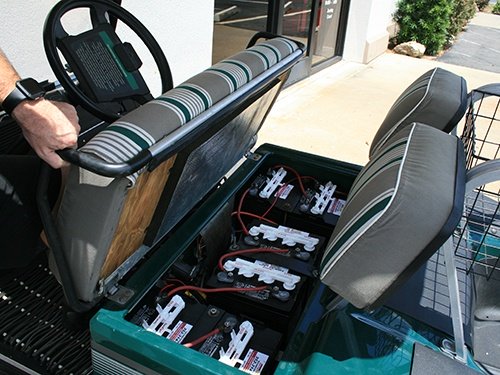
Image Source: jsgolfcarts.com
What Makes Golf Cart Battery Prices Different?
Many things affect the cost of a golf cart battery. Knowing these parts helps you pick the right battery for your cart and your wallet. Let’s look at the main things that change the price.
Battery Type: Lead-Acid or Lithium
This is the biggest factor. Golf carts use two main battery types: lead-acid and lithium.
- Lead-acid batteries are the old standard. They cost less upfront.
- Lithium-ion batteries are newer. They cost much more at first but can save you money over time.
Voltage of Your Cart
Golf carts usually run on a 36-volt (36V) or 48-volt (48V) system.
- 36V golf cart battery cost is often lower because it needs fewer batteries.
- 48V golf cart battery cost is usually higher as it needs more power or more batteries.
Battery Brand
Some battery brands are known for high quality and last longer. They also cost more.
- Trojan golf cart battery prices are a good example. Trojan batteries are premium and known for being strong.
Amp-Hours (Ah) or Power
Amp-hours (Ah) show how much power a battery can hold. A battery with more Ah can power your cart for a longer time or distance. Higher Ah batteries usually cost more.
Installation
Do you plan to put the batteries in yourself, or will you pay a shop? DIY saves money. Professional installation adds to the overall cost.
Battery Types and Their Price Points
Choosing the right battery type is key. It affects how much you pay now and how much you spend later.
Lead-Acid Deep Cycle Batteries: The Standard Choice
Most golf carts today still use lead-acid batteries. These batteries are built for deep cycle use. This means they can be drained and recharged many times. The deep cycle golf cart battery cost is usually much lower than lithium.
There are a few kinds of lead-acid batteries:
Flooded Lead-Acid (FLA) Batteries
- How they work: These batteries have liquid acid inside. You need to add distilled water to them often.
- Pros:
- Least expensive upfront.
- Easy to find.
- Cons:
- Need regular care (checking water levels).
- Can spill acid.
- Weigh a lot.
- Shorter lifespan than other types.
- Lose power as they drain.
- Cost: A set of new FLA batteries for a golf cart can range from $500 to $900. This often includes six 8-volt or four 12-volt batteries for a 48V cart, or six 6-volt batteries for a 36V cart.
Absorbed Glass Mat (AGM) Batteries
- How they work: Acid is soaked into glass mats. This makes them sealed and spill-proof.
- Pros:
- No maintenance needed.
- Do not spill.
- Charge faster than FLA.
- Handle cold weather better.
- Cons:
- Cost more than FLA.
- Can be damaged by overcharging.
- Cost: A set of AGM batteries for a golf cart might cost between $800 and $1,500.
Gel Cell Batteries
- How they work: The acid is a thick gel. Like AGM, they are sealed.
- Pros:
- No maintenance.
- Do not spill.
- Good for slow discharge needs.
- Cons:
- Cost more than FLA.
- Charge very slowly.
- Sensitive to overcharging.
- Not as common for golf carts as FLA or AGM.
- Cost: Gel batteries are often in the $900 to $1,800 range for a set.
Here is a quick look at lead-acid types:
| Battery Type | Upfront Cost (Set) | Lifespan (Years) | Maintenance | Key Feature |
|---|---|---|---|---|
| Flooded Lead-Acid | $500 – $900 | 3-5 | High | Lowest initial cost |
| AGM | $800 – $1,500 | 4-6 | None | Spill-proof, charges quicker |
| Gel Cell | $900 – $1,800 | 4-7 | None | Very slow charge, good for deep use |
Lithium-Ion Golf Cart Batteries: The Modern Upgrade
Lithium-ion batteries are a big step up for golf carts. The lithium golf cart battery cost is much higher at first. But they offer many benefits that can save you money later.
- How they work: These use lithium iron phosphate (LiFePO4) chemistry. This is safer and more stable than other lithium types.
- Pros:
- Much longer lifespan: Often 8 to 15 years or more.
- Zero maintenance: No water to add, no cleaning.
- Lighter weight: Makes your cart faster and goes farther.
- Consistent power: They deliver full power until nearly empty.
- Fast charging: Some can charge in a few hours.
- Safety: Built-in battery management systems (BMS) protect them.
- Cons:
- High upfront cost: This is the main downside.
- Cost: A single lithium golf cart battery (often replacing a full set of lead-acid) can range from $1,000 to $2,500. For some high-power setups, it can be even more. But remember, this is often one battery that does the job of many lead-acid ones.
Here is how lead-acid and lithium batteries compare:
| Feature | Lead-Acid Batteries (Set) | Lithium-Ion Batteries (Single Unit/System) |
|---|---|---|
| Upfront Cost | $500 – $1,800 | $1,000 – $2,500+ |
| Lifespan | 3-7 years | 8-15+ years |
| Maintenance | High (FLA), None (AGM/Gel) | None |
| Weight | Very Heavy | Very Light |
| Power Delivery | Fades as it drains | Full power until empty |
| Charging Time | 6-10 hours | 2-5 hours |
| Long-term Value | Can be higher over time due to frequent replacements | Often lower due to longer life and no care |
When you look at the lithium golf cart battery cost, think about the whole time you will own your cart. If you plan to keep your cart for many years, lithium may save you money by not having to buy new batteries often.
Key Factors Shaping Your Battery Bill
Beyond the main battery type, other details greatly affect the cost.
Voltage Matters: 36V vs. 48V Systems
Golf carts use different voltage systems. This means they need a certain number of batteries hooked together to reach that voltage.
36V Golf Cart Battery Cost
- Setup: A 36V system usually uses six 6-volt batteries.
- Common in: Older golf carts or those used for lighter duty.
- Cost: The 36V golf cart battery cost is typically on the lower end. A full set of 6-volt lead-acid batteries can range from $500 to $800. Lithium options will be higher, around $1,000 to $1,800.
48V Golf Cart Battery Cost
- Setup: A 48V system might use four 12-volt batteries, six 8-volt batteries, or one large lithium battery.
- Common in: Most newer golf carts. They offer more power and speed.
- Cost: The 48V golf cart battery cost is generally higher. A full set of lead-acid batteries often runs from $600 to $1,000. Lithium options will be higher, from $1,200 to $2,500+.
Why the difference? A 48V system needs more power. This often means more batteries, or batteries with higher capacity, which costs more.
Here is a simple look at voltage costs:
| Voltage System | Typical Lead-Acid Set Cost | Typical Lithium Single Battery Cost |
|---|---|---|
| 36V | $500 – $800 | $1,000 – $1,800 |
| 48V | $600 – $1,000 | $1,200 – $2,500+ |
Brand Name and Quality
Just like cars, some battery brands are known for being better. You often pay more for a trusted name.
Trojan Golf Cart Battery Prices
Trojan is one of the most famous and respected names in golf cart batteries. They are known for making strong, long-lasting flooded lead-acid batteries.
- Cost: Trojan golf cart battery prices are usually at the higher end for lead-acid. A set of Trojan T-875 (8V) or T-105 (6V) batteries might cost $800 to $1,200 for a full set. This is more than generic or lesser-known brands.
- Why they cost more: Trojan batteries often give more power cycles and last longer. This means fewer replacements over time.
Other good brands include US Battery, Crown, and Exide. These also often cost more than no-name brands. Buying a cheaper, unknown brand might save you money now. But it could mean you buy new batteries sooner.
Battery Lifespan: A Long-Term View
The golf cart battery lifespan plays a huge part in the true cost. A cheaper battery that lasts only 2-3 years will cost you more over 10 years than a pricier one that lasts 5-7 years.
- Lead-acid lifespan:
- Flooded lead-acid: Typically 3 to 5 years.
- AGM/Gel: Can last 4 to 7 years.
- Lifespan depends heavily on care and how you use them.
- Lithium lifespan:
- Often 8 to 15 years, or even more.
- They handle many more charge and discharge cycles.
Think about how long you plan to keep your cart. If it is for a long time, the longer life of lithium can easily make up for its higher initial cost.
Specific Cart Models
The brand of your golf cart can also play a small role. Some golf carts are more common, so batteries for them are easy to find.
EZGO Golf Cart Battery Replacement
EZGO makes many popular golf carts. They use both 36V and 48V systems.
- EZGO golf cart battery replacement is very common. This means many places sell batteries that fit.
- Cost: Prices for EZGO battery sets follow the general rules above. A lead-acid set is $500-$1,000. A lithium upgrade is $1,000-$2,500+. Because EZGO carts are so popular, finding good deals on compatible batteries is usually easy.
Club Car Golf Cart Battery Cost
Club Car golf carts are also very popular. They often use 48V systems.
- Club Car golf cart battery cost is similar to EZGO. They commonly use six 8-volt batteries for 48V systems.
- Cost: A set of lead-acid batteries for a Club Car might be $600-$1,000. Lithium options are $1,200-$2,500+. Just like EZGO, many shops stock batteries for Club Car models.
Yamaha is another big name. Their battery needs are similar to EZGO and Club Car. The key is to know your cart’s voltage and battery size.
Where to Buy and Installation Costs
The price of your battery can change based on where you buy it and if you install it yourself.
Where to Buy
- Local Golf Cart Dealers: They often have the right batteries and can install them. Prices might be higher, but you get expert help.
- Battery Specialty Stores: Places like Battery Plus are good sources. They often have a wide range and helpful staff.
- Online Retailers: Sites like Amazon or specific battery websites can offer lower prices. But shipping heavy batteries can add a lot to the cost.
- Big Box Stores: Some large stores like Costco or Sam’s Club might sell golf cart batteries. Prices can be very good, but selection may be limited.
- Used Batteries: Some places sell used or “refurbished” batteries. These are very cheap, but they often do not last long. This is usually not a good idea for the main set.
Installation Costs
- Do It Yourself (DIY): If you are handy, you can change your own batteries. This saves you labor costs. You will need some basic tools and knowledge of wiring. Always be safe when working with batteries.
- Professional Installation: Most golf cart dealers or repair shops can install new batteries. This can add $100 to $300 or more to the total cost. This is a good choice if you are not comfortable working with heavy, power-filled batteries.
Hidden Costs
- Core Charge: Many places add a “core charge” to the price. You get this money back when you return your old batteries. This encourages proper recycling.
- Delivery: If you buy heavy lead-acid batteries online, delivery can be costly.
- New Cables: Sometimes, old battery cables are worn out. You might need to buy new cables, which adds a small amount to the bill.
Getting the Most Out of Your New Batteries
Once you buy new batteries, proper care helps them last longer. This saves you money in the long run.
- Charge Them Right: Follow the maker’s guide for charging. Do not overcharge or undercharge.
- Add Water (for FLA): If you have flooded lead-acid batteries, check the water levels often. Add distilled water when needed.
- Keep Them Clean: Clean the battery tops and terminals. Dirty terminals can stop your cart from working well.
- Do Not Drain Them Too Much: Try not to let your batteries get completely empty. Charge them after each use or if they are low.
- Store Them Well: If you store your cart for a long time, keep the batteries charged. A battery tender can help.
Final Thoughts on Your Battery Purchase
The cost of a golf cart battery is not just the price tag. It includes how long it lasts and how much care it needs. While new golf cart battery price can seem high, thinking about the total cost over time is smart. A cheaper battery might need to be replaced sooner, costing you more later.
Consider your needs: How often do you use your cart? How long do you want the batteries to last? How much maintenance do you want to do? Looking at all these points helps you make the best choice for your golf cart and your budget.
Frequently Asked Questions (FAQ)
Here are some common questions people ask about golf cart batteries.
How often do golf cart batteries need replacing?
Lead-acid golf cart batteries usually need replacing every 3 to 7 years. This depends on the battery type, how well you care for them, and how often you use your cart. Lithium batteries can last much longer, often 8 to 15 years or more.
Can I mix new and old golf cart batteries?
No, you should never mix new and old golf cart batteries in the same set. This can hurt both the new and old batteries. It makes the new ones work too hard and causes all the batteries to fail sooner. Always replace all batteries in a set at the same time.
What is the average lifespan of golf cart batteries?
The golf cart battery lifespan for lead-acid is around 3 to 7 years. For lithium batteries, it is often 8 to 15 years or more. Good care, like proper charging and adding water to flooded types, helps them last longer.
Is it worth upgrading to lithium batteries?
For many people, upgrading to lithium batteries is worth it. Even though the lithium golf cart battery cost is higher at first, they last much longer, need no care, weigh less, and give steady power. This can save you money and headaches in the long run.
How do I know my golf cart batteries need replacing?
Signs that your golf cart batteries need replacing include:
* Your cart goes slower than before.
* It does not go as far on a full charge.
* The charge light comes on quickly after charging.
* The batteries look swollen or have cracks.
* You see a lot of corrosion around the terminals.
* A “rotten egg” smell from the batteries.