
What is the average number of par 3s on a golf course? On a typical 18-hole golf course, you will most often find four par 3 holes. This number can vary, but four is a very common choice for golf course designers. These shorter holes play a big part in how a course feels and plays. They offer quick challenges and chances for a good score, or sometimes, a bad one. Knowing how many par 3s a course has helps you get ready for your round.
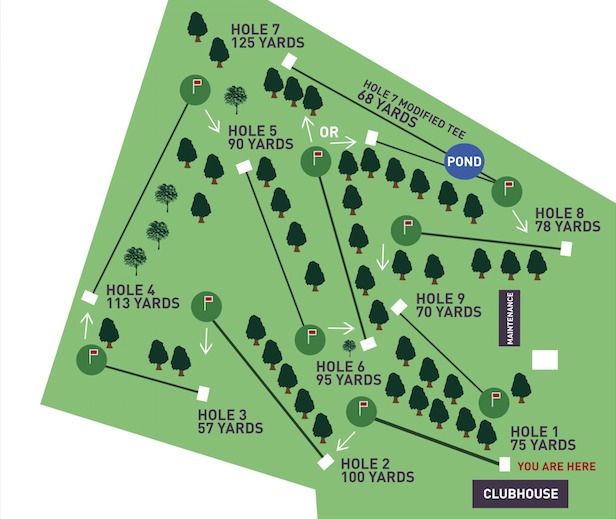
Image Source: waynesborogolf.com
The Blueprint of a Golf Course
Every golf course has a special plan. It shapes how you play the game. An 18-hole course is the most common kind. It has different types of holes. These holes are par 3s, par 4s, and par 5s. The mix of these holes is what makes each course unique. It creates different challenges for golfers.
Typical Golf Course Hole Breakdown
A standard 18-hole course needs a mix of hole lengths. This mix keeps the game interesting. It tests all parts of a golfer’s skills. Most courses have around 18 holes. Each hole has a “par.” Par is the number of strokes a good golfer should take to get the ball into the hole.
- Par 3s: These are the shortest holes in golf. You should finish them in three strokes.
- Par 4s: These are mid-length holes. You should finish them in four strokes. The number of par 4s on golf course is usually the highest.
- Par 5s: These are the longest holes. You should finish them in five strokes.
This mix makes the course flow well. It offers different kinds of shots. Golfers need to use many clubs. They need to think about their strategy.
Standard 18 Hole Par Distribution
The way par 3s, 4s, and 5s are spread out is important. It sets the total par for a golf course. Most 18-hole courses have a total par of 72. This means a good golfer should finish the 18 holes in 72 strokes.
To get a par of 72, designers often follow a common pattern:
* Four par 3s
* Ten par 4s
* Four par 5s
This is a very popular setup. It creates a balanced course. It offers a fair test for many golfers. Some courses might have a par of 70, 71, or 73. This happens when they change the number of par 4s or par 5s. They might add an extra par 3 or take one away. But the goal is always a good mix. It makes the course fair and fun.
The Role of Par 3s in Course Design
Par 3s are more than just short holes. They are key parts of the course design. They add a lot of value. They make the game more exciting. They also help with how quickly the game is played.
Why Designers Include Par 3s
Designers put par 3s in a course for many reasons:
- Strategic Challenge: Even though they are short, par 3s are hard. They often have trouble areas. These can be water, deep bunkers, or small greens. Golfers need to be very precise. They must hit the ball right onto the green.
- Pace of Play: Par 3s help the game move faster. They are shorter, so golfers spend less time walking. They also hit fewer shots. This helps groups keep moving. It reduces waiting times on the course.
- Aesthetic Beauty: Many par 3s are built to look nice. They often have pretty views. They can be placed over water or next to hills. This adds to the enjoyment of the round. They can be very memorable holes.
- Variety of Shots: Par 3s test a golfer’s iron play. They need to hit a good shot from the tee to the green. This might be a short iron or a long iron. It adds different kinds of shots to the round.
- Chance for an Ace: Par 3s are the only holes where a hole-in-one is really possible for most golfers. This makes them exciting. Every golfer dreams of getting an ace.
How Golf Course Layout Par 3s Influence Play
The spot where a par 3 sits matters a lot. Designers think carefully about this. They use par 3s to break up longer holes. They also use them to change the feel of the course.
- Placement: Par 3s are often placed early in a nine-hole stretch. Or they might be near the end. This can help with the flow of players. They might be placed where the land naturally fits a short hole.
- Direction: Designers try to make par 3s face different ways. This means the wind will hit golfers from different angles. One par 3 might play with the wind. The next one might play against it. This adds variety.
- Green Design: The green on a par 3 is very important. It can be flat or have many slopes. It can be guarded by hazards. This makes the shot to the green harder. It forces golfers to think.
The Strategic Challenges of Shortest Holes in Golf
Don’t let the short distance fool you. Par 3s are often very tricky. They test your accuracy. You need to hit a clean shot.
- Small Target: Greens on par 3s can be small. Hitting a small target from far away is hard.
- Hazards: Water hazards are common on par 3s. So are sand bunkers. These make you think twice. You must hit a precise shot to avoid them.
- Wind: Wind can change everything on a par 3. A short hole can feel long if the wind is strong.
- Mental Game: Missing a par 3 green can lead to a bad score. It puts pressure on your short game. You need to chip or putt well to save par.
How Many Par 3s on a Regular 18-Hole Course?
We’ve talked about the ideal setup. Now, let’s look closer at the actual numbers. The average number of par 3s golf courses have is indeed about four. This number is not just a guess. It is based on years of course design rules and player needs.
Average Number of Par 3s Golf
Most 18-hole courses have between three and five par 3s. Four is the most common number. This balance works well. It provides enough challenges. It also allows for enough par 4s and par 5s.
Imagine a course with too many par 3s. It might feel too short. It might not test all your clubs. Imagine a course with too few. It might feel too long. It might not give you many chances for a quick birdie. So, four par 3s strikes a good balance.
Let’s look at some common layouts:
| Par 3s | Par 4s | Par 5s | Total Holes | Total Par | Notes |
|---|---|---|---|---|---|
| 4 | 10 | 4 | 18 | 72 | Most common and balanced layout |
| 5 | 8 | 5 | 18 | 72 | More par 3s, fewer par 4s |
| 3 | 11 | 4 | 18 | 72 | Fewer par 3s, more par 4s |
| 4 | 9 | 5 | 18 | 73 | Slightly higher par, less common |
| 4 | 11 | 3 | 18 | 71 | Slightly lower par, less common |
This table shows how small changes can affect the total par. But the number of par 3s usually stays near four.
The Balance with Number of Par 4s on Golf Course
Par 4s are the core of most courses. They are the most common hole type. They make up about half of the holes. A typical course will have around ten par 4s. This creates a good flow.
Think about why this balance works:
* Variety of shots: Par 4s need a drive and an approach shot. This tests many skills.
* Strategic options: On a par 4, you might lay up. Or you might go for the green in two shots. This offers choices.
* Pace of play: While longer than par 3s, par 4s still move quickly. They don’t slow down the game too much.
So, the par 3s give you a quick break. The par 4s give you the main challenge. And the par 5s give you chances for big drives. This mix makes a full and fair game.
Specialty Courses and Par 3s
Not all golf courses are the same. Some courses are built for a different kind of game. These often have a lot more par 3s.
Executive Golf Course Hole Types
Executive courses are shorter. They are designed for a faster game. They are great for beginners. They are also good for people with less time. These courses have many par 3s. They might have a few par 4s. They rarely have par 5s.
An executive course might have:
* 18 holes, mostly par 3s.
* A total par of 54 or 60.
* Holes that are shorter than on a normal course.
These courses are perfect for:
* Quick rounds after work.
* Practicing your iron play.
* Teaching new golfers the game.
The focus here is on the short game. You hit fewer long drives. You focus more on hitting greens. This makes them very different from a full-length course.
Par 3 Course Design
A par 3 course is exactly what it sounds like. Every single hole is a par 3. These courses are the shortest holes in golf, from start to finish. They are built just for iron play. They test your aim and your short game.
Key points about par 3 course design:
* All par 3s: Every hole is a par 3. This means the total par is often 54 for an 18-hole course.
* Very fast rounds: You can play a full 18 holes very quickly.
* Focus on accuracy: Since every shot is an approach shot, precision is key.
* Less land needed: These courses use less land. They are cheaper to build and maintain.
* Great for practice: Perfect for working on your irons, chipping, and putting.
* Beginner-friendly: Less intimidating for new golfers.
Some famous courses have special par 3 courses. Augusta National, home of The Masters, has a famous par 3 course. It is used for a fun contest before the big tournament. This shows how important and fun par 3s can be.
Factors Influencing Par 3 Count
Why do some courses have three par 3s and others have five? Many things affect a golf course design. The number of par 3s is part of that big picture.
Land Availability and Terrain
The land itself plays a huge role.
* Limited Space: If there is not much land, designers might add more par 3s. Shorter holes need less space. This helps fit 18 holes into a tight area.
* Natural Features: Hills, valleys, and water bodies can shape holes. A natural dip might be perfect for a short par 3 over a creek. A flat, open space might be better for a long par 4. Designers use the land’s natural shape. This makes the course feel right.
* Cost of Land: Land is expensive. Using less land by adding more par 3s can save money.
Budget for Construction
Building a golf course costs a lot. The budget affects everything.
* Shorter Holes, Lower Cost: Building a par 3 is often cheaper than building a par 4 or par 5. They need less land moved. They need less turf.
* Maintenance: Shorter holes also cost less to keep up. Less grass to mow, less water to use. A course with more par 3s might be cheaper to run over time.
Target Golfer Skill Level
Who is the course for? This is a big question.
* Beginner/Casual: Courses for new or casual players might have more par 3s. They are less tiring. They are less frustrating. They help build confidence.
* Championship Level: Courses for top pros might have fewer or more challenging par 3s. They test every part of a pro’s game. They might have long par 3s. Or par 3s with very tough greens.
Strategic Variety
Good course design offers many types of shots.
* Mix of Distances: Par 3s can vary a lot in length. One might be 120 yards. The next might be 220 yards. This means golfers use different clubs. This adds interest.
* Different Angles: Par 3s can face different directions. This makes players deal with the wind from different sides.
* Green Complex Diversity: The green on a par 3 can be flat, sloped, or tiered. It can be guarded by sand, water, or trees. Each par 3 should feel unique. This prevents the course from feeling boring.
The Art of Designing a Great Par 3
A par 3 might be short, but it’s not simple to design. A truly great par 3 can be the highlight of a round. It challenges golfers. It sticks in their memory.
What Makes a Par 3 Memorable
Memorable par 3s often share a few things:
* Dramatic Scenery: Think about a par 3 over a huge canyon. Or one with the ocean in the background. These views make the hole special.
* Severe Consequences: If a par 3 has a big hazard, like water, it adds pressure. Missing the green means a lost ball. This makes the shot thrilling.
* Clever Green Design: A green with tricky slopes or false fronts can make a short chip shot very hard. This tests a golfer’s short game after a missed shot.
* Strategic Options: Sometimes, a par 3 offers different ways to play it. Maybe you can fly it over a bunker. Or you can play safe to the side.
Elements Like Bunkers, Water Hazards, Green Complexes
Designers use these elements to make par 3s challenging:
* Bunkers: Sand traps near the green force accurate shots. Deep bunkers make getting out tough.
* Water Hazards: Water in front or to the side of the green adds danger. It makes golfers think about their club choice.
* Green Complexes: This refers to the green itself and the land around it. A well-designed green can shed balls. It can have slopes that send balls away. This makes chipping or putting difficult.
* Trees: Trees can block shots or force specific angles.
Varying Lengths and Directions
A course should not have four par 3s that all look and play the same.
* Length Variety: One par 3 might be very short (100-140 yards). Another might be mid-length (150-180 yards). A third could be very long (190-230+ yards). This makes you use different clubs.
* Directional Variety: As mentioned, changing the direction of par 3s is key. This means the wind will affect each one differently. It keeps golfers guessing. It tests their ability to play in different conditions.
Think of the 12th hole at Augusta National. It’s only about 155 yards. But it’s one of the most famous holes in golf. Why? Because of Rae’s Creek in front, the bunkers behind, and the swirling winds. It’s a short hole with huge challenges. This shows that distance isn’t the only factor in a hole’s greatness.
The Impact of Par 3s on the Game
Par 3s do more than just fill space on a course. They have a big effect on how the game unfolds. They can make or break a round.
Scoring Implications
Par 3s are often seen as “birdie holes.” This is true for good players. If you hit the green, you have a good chance for a birdie putt. But they can also be “double-bogey holes.” If you miss the green in a bad spot, saving par can be very hard.
- Birdie Opportunity: A well-struck shot on a par 3 gives a direct chance at birdie. This can build momentum.
- Big Number Risk: A poor shot can lead to a lost ball in water or a tough bunker shot. This can quickly add strokes to your score. This risk and reward makes par 3s exciting.
Opportunities for Aces
The hole-in-one is golf’s most exciting shot. Par 3s are the only holes where this is a real possibility for most golfers. Every time you step onto a par 3 tee, there’s that tiny chance. This adds a spark to the game. It makes golfers look forward to each par 3.
Mental Game
Par 3s often create high-pressure moments.
* Accuracy Focus: You must hit the green. This puts mental strain on your swing.
* Recovery Challenges: If you miss, you need to chip or pitch well. This tests your short game and your calm.
* Momentum Swings: A good par 3 can boost your confidence. A bad one can hurt it.
Pace of Play
As mentioned earlier, par 3s speed up the game.
* Less Walking: Shorter distances mean less walking between shots.
* Fewer Shots: You take fewer full swings. This saves time.
* Efficient Play: Golfers often play through par 3s quickly. This helps reduce backups on the course. This is a key reason why designers include them. Especially on busy public courses.
Assessing Golf Course Par Rating
The par 3s are a small but mighty part of a course’s overall rating. The golf course par rating is not just about the total par number. It’s a complex system. It judges how hard a course is for different types of players.
How Par 3s Contribute to the Golf Course Par Rating
The par rating tells you how hard a course is for a scratch golfer (someone who shoots par). The slope rating tells you how hard it is for a bogey golfer (someone who shoots about 18 over par). Par 3s affect both.
- Length: A very long par 3 (like 240 yards) is harder than a short one (120 yards). The longer par 3 will make the course rating higher.
- Hazards: Par 3s with many bunkers or water hazards are harder. They add strokes for many golfers. This makes the course rating higher.
- Green Complexity: A small green with many slopes or false fronts is harder. It makes it tough to hold the green. It makes putting harder. This also pushes the rating up.
- Forced Carries: If you must hit over water or a big bunker to reach the green, it is a “forced carry.” This is harder and increases the rating.
All these factors are looked at for each hole, including par 3s. Then they are added up to get the total course and slope rating.
Course Rating vs. Slope Rating
- Course Rating: This number is for very skilled golfers. It is what a scratch golfer is expected to shoot. A par 72 course might have a rating of 72.5. This means a scratch golfer might average 72.5 strokes there.
- Slope Rating: This number is for average golfers. It shows how much harder the course plays for them compared to a scratch golfer. Slope ratings range from 55 to 155. A higher slope means a harder course for non-scratch golfers.
Par 3s play a part in both. A tricky par 3 might not add many strokes for a pro. But it might add many for a weekend golfer. This is why par 3s are so important for the slope rating. They often create the biggest difference in scores between good and average players.
In summary, the number of par 3s on a golf course is not just a random choice. It is a careful design decision. It impacts the course’s feel, its challenge, and how quickly rounds are played. From the average number of four on typical courses to the all-par-3 designs, these short holes are vital. They offer excitement, beauty, and a true test of a golfer’s precision.
Frequently Asked Questions (FAQ)
Q1: What is the typical golf course hole breakdown?
A1: A standard 18-hole golf course often has four par 3s, ten par 4s, and four par 5s. This setup leads to a total par of 72 for the course.
Q2: Are par 3 courses good for beginners?
A2: Yes, par 3 courses are excellent for beginners. They are shorter, less intimidating, and focus on iron play and the short game. This helps new golfers build skills and confidence.
Q3: Why are par 3s called the “shortest holes in golf”?
A3: Par 3s are called the shortest holes because they are designed to be completed in three strokes. This means they are shorter in length than par 4s (four strokes) and par 5s (five strokes).
Q4: Does the number of par 3s affect the golf course par rating?
A4: Yes, the design and length of par 3s, along with their hazards, directly affect the course and slope ratings. Tougher par 3s can make the overall rating higher, showing a more difficult course.
Q5: What is an executive golf course hole type?
A5: An executive golf course is a shorter course that mainly features par 3 holes, with some par 4s. It is designed for quicker rounds and for golfers who want to focus on their iron play and short game. They rarely include par 5s.
Q6: Can a golf course have more than four par 3s?
A6: Yes, some 18-hole courses can have three, five, or even six par 3s. This depends on the land, design goals, and target players. Par 3 courses, by definition, have only par 3s.
Q7: How do par 3s help with pace of play?
A7: Par 3s help speed up the game because they are shorter. Golfers spend less time walking and hit fewer shots. This allows groups to move through the course more quickly.