
A golf ball flies fast. How fast? It changes a lot. Many things make it go fast or slow. A pro golfer can make a ball go over 180 miles per hour (mph). This is very fast. An amateur hits it slower. We will look at what gives a golf ball its speed. We will see how fast it can go.
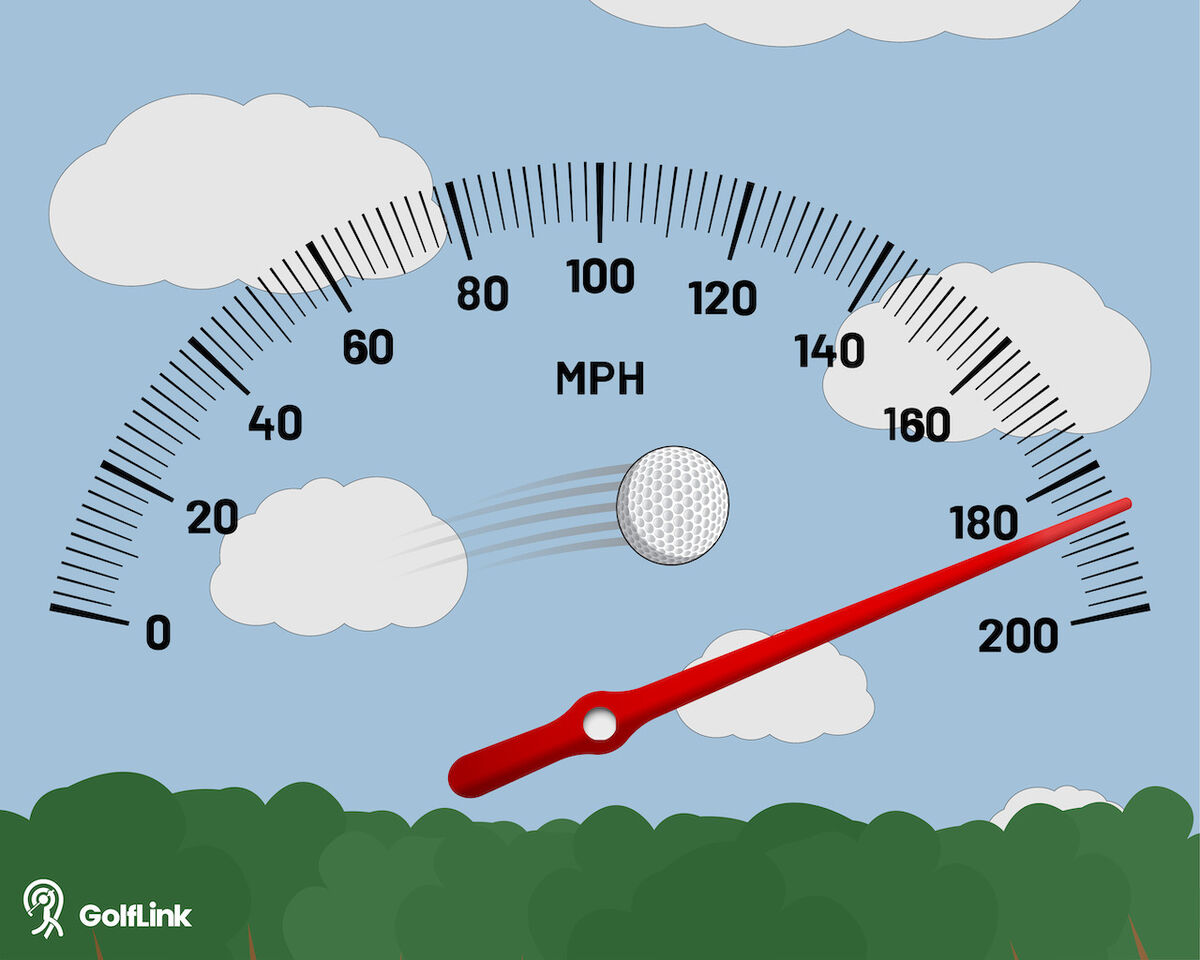
Image Source: assets.ltkcontent.com
The Starting Point: Golf Ball Launch Speed
What is golf ball launch speed? It is how fast the ball moves right after you hit it. This is the first speed the ball has. It is very important. This speed tells us how far the ball will go.
We measure this speed with special tools. These tools are like radars. They watch the ball as it leaves the club. This helps golfers and coaches. They can see how good a hit was.
For many golfers, the average golf ball speed is around 100 to 120 mph. This speed is key. It helps the ball get up in the air. Then it can fly far. A higher launch speed often means more distance. But other things matter too. These include how high the ball goes. Also, how much it spins.
The Engine Behind the Speed: Clubhead Speed Golf
A golf ball does not move itself. The club makes it move. Your clubhead speed golf is how fast the club swings. It is the speed of the club just before it hits the ball. This speed is the main thing. It gives the ball its launch speed.
Think of it like this. A faster swing means a faster club. A faster club means a faster ball. It is a direct link. If your clubhead speed goes up, your ball speed usually goes up too.
Pro golfers swing their clubs very fast. Their clubhead speed can be over 120 mph. Some pros swing at 130 mph or more. Average golfers swing slower. A man might swing at 90-100 mph. A woman might swing at 70-80 mph. Seniors and juniors have different speeds too. Getting your clubhead speed up is a big goal for many golfers.
The Magic Number: Ball Speed to Clubhead Speed Ratio (Smash Factor)
Deciphering the Smash Factor
There is a special number in golf. It is the smash factor golf. It shows how well you hit the ball. It is a ratio. It tells us how much ball speed you get from your clubhead speed.
Here is how we find it:
Smash Factor = Ball Speed / Clubhead Speed
Let’s say your ball speed is 150 mph. Your clubhead speed is 100 mph.
Your smash factor is 150 / 100 = 1.50.
What does 1.50 mean? It is a very good number. It means you hit the ball very well. You used almost all your club’s speed to make the ball go fast. A perfect hit would be 1.50. This means the club hit the ball squarely. The energy moved well from the club to the ball.
Most good golfers aim for a smash factor near 1.50. If your smash factor is low, say 1.30, it means you did not hit the ball well. You might have hit it off-center. Or you did not hit it straight on. A lower smash factor means you are losing speed. You are not getting the most out of your swing.
This ratio helps golfers. It shows them if they hit the ball cleanly. It also helps them pick the right club. A high smash factor means good contact. It means you are hitting the ball in the sweet spot.
Reaching the Limit: Maximum Golf Ball Velocity
How fast can a golf ball truly go? It can go very fast. The maximum golf ball velocity ever recorded is amazing. A man named Kyle Berkshire hit a golf ball at 236.2 mph. This was a special shot. It was for a long-drive event. He is a pro long-drive hitter. He trains to hit the ball as far as possible.
These super-fast speeds are rare. Most golfers will never get near them. They need huge clubhead speeds. They also need perfect contact.
Golf’s main groups, USGA and R&A, set rules. They put limits on clubs and balls. These rules keep the game fair. They stop balls from going too fast. Or too far. They want skill to matter most. For example, a golf ball cannot be too “hot.” It must not go too fast when hit a certain way. This means normal golf balls have a speed limit. This limit is often talked about as 250 feet per second. That is about 170 mph. But this test is done in a lab. It is not what a pro golfer can do on a course. With a full swing, pros can go past that.
The Everyday Golfer: Average Golf Ball Speed
What speed can you expect from an average golfer? It varies a lot. It depends on age, strength, and skill.
Here is a general look at average golf ball speed:
| Golfer Type | Average Clubhead Speed (mph) | Average Ball Speed (mph) | Average Smash Factor |
|---|---|---|---|
| PGA Tour Pro | 113-125 | 170-188 | 1.48-1.50 |
| Low Handicap Amateur | 100-110 | 148-165 | 1.48-1.50 |
| Mid Handicap Amateur | 90-100 | 130-145 | 1.45-1.48 |
| High Handicap Amateur | 75-90 | 105-125 | 1.40-1.45 |
| Senior Golfer | 70-85 | 100-125 | 1.40-1.47 |
| Junior Golfer | 60-80 | 90-115 | 1.40-1.48 |
| Lady Golfer | 60-80 | 90-115 | 1.40-1.48 |
Note: These are just general numbers. Your speed may be different.
As you can see, PGA Tour pros hit the ball much faster. They train a lot. They also have great form. This helps them get the ball speed up. A low handicap amateur is a very good amateur player. They also get good speeds. Mid and high handicap players have slower speeds. But they can still have fun. And they can always work to get faster.
The Elite Level: PGA Tour Ball Speed
PGA Tour players are the best in the world. Their golf ball launch speed is incredible. They hit the ball very hard. They also hit it very well. Their average ball speed is much higher than most golfers.
Many pros have ball speeds over 170 mph. Some even go past 180 mph. A few touch 190 mph. This high speed helps them hit the ball very far. This gives them an edge in the game.
Here are some examples of PGA Tour ball speed for top players:
| Player Name | Average Ball Speed (mph) |
|---|---|
| Rory McIlroy | 185-188 |
| Cameron Champ | 190-192 |
| Bryson DeChambeau | 190-195 |
| Dustin Johnson | 180-183 |
| Brooks Koepka | 178-180 |
| Jon Rahm | 175-178 |
| Tiger Woods | 175-177 (peak) |
These numbers are from tracking data. Players work hard to gain speed. They use special training. They also have custom-fit clubs. All this helps them hit the ball faster.
Driving Forces: Factors Affecting Golf Ball Speed
Many things affect golf ball speed. It is not just one thing. Let’s look at the main factors.
Golfer’s Swing Mechanics
Your swing is key. How you move the club matters.
- Clubhead speed: We already talked about this. It is the biggest factor. A faster club means a faster ball.
- Angle of attack: This is how the club comes down to the ball. Do you hit down on it? Or sweep it up? For a driver, hitting up slightly helps speed. It also helps launch the ball.
- Swing path: This is the line your club takes. Does it come from inside? Or outside? A good path helps hit the ball squarely. This boosts smash factor. And it boosts speed.
Equipment (Club & Ball)
Your gear plays a big role.
- Club loft: This is the angle of the club face. A driver has less loft. This makes the ball go lower. It also makes it go faster off the face. Wedges have a lot of loft. They make the ball go high. But it goes slower.
- Club face design: Modern drivers have thin, strong faces. They flex a little when hit. This flex acts like a spring. It gives the ball more speed. This is called the “trampoline effect.”
- Shaft flex: The shaft is the stick part of the club. It can be stiff or flexible. The right shaft flex helps you swing faster. It also helps you hit the ball better. This means more speed.
- Ball compression: Golf balls are soft or hard. Soft balls “compress” more when hit. This can give good feel. But a harder ball often gives more speed for fast swings. It stores and releases energy better.
- Ball dimple pattern: The small dents on the ball are dimples. They help the ball fly straight. They also help it fly far. They reduce drag. This means the ball keeps its speed longer in the air.
Environmental Conditions
Nature can change ball speed too.
- Temperature: A warm day helps. The ball is warmer. It is more elastic. It will compress better. This means more speed off the club. The air is also less dense. This lets the ball fly faster.
- Altitude: Playing golf in high places helps. The air is thinner. This means less air resistance. The ball flies with less drag. It keeps its speed better. It goes farther.
- Wind: Wind is a big factor. A tailwind helps the ball go faster and farther. A headwind slows it down. It cuts distance.
- Humidity: High humidity makes the air heavier. This can slow the ball a little. But it is usually a small effect.
Beyond Speed: Golf Ball Carry Distance
Ball speed is super important. But it is not the only thing for distance. Golf ball carry distance is how far the ball flies in the air. Ball speed affects it greatly. A faster ball speed means a longer carry.
But other things matter too:
- Launch angle: This is how high the ball goes up. An ideal launch angle makes the ball fly high enough. But not too high. This helps it stay in the air for a long time.
- Spin rate: This is how fast the ball spins. Too much spin makes the ball go high. It also makes it stop faster. Too little spin can make the ball fall out of the air. The right spin helps the ball “cut” through the air. It keeps it flying efficiently.
When you hit the ball, you want a good mix. High ball speed is a must. Then, a good launch angle and spin rate help. This mix gives you maximum golf ball carry distance. Then the ball rolls after it lands. This adds to the total distance.
Gauging Speed: Golf Ball Speed Measurement
How do we measure golf ball speed? Special tools do this. Golf ball speed measurement is very precise now.
- Radar Devices: These are common. They use radar waves. They shoot waves at the ball. Then they read how fast the waves come back. This tells them the ball’s speed. Popular devices are TrackMan and FlightScope. They give very accurate numbers. They show ball speed, clubhead speed, launch angle, and spin.
- Launch Monitors: Some devices use cameras. They are like GCQuad. They take many pictures very fast. They track the ball and club. They can also tell you speed.
- High-speed Cameras: These are used in labs. They capture every tiny movement. They can show how the ball squashes. And how fast it leaves the club face.
These tools are great. Golfers use them to check their swing. Coaches use them to teach. Club fitters use them to find the best clubs for you. Knowing your speed is the first step. Then you can work to make it better.
Optimizing Your Ball Speed
Want to hit the ball faster? Here are some simple ways.
- Improve Swing Mechanics:
- Swing faster: This sounds too simple. But often, golfers try to control the ball. They forget to swing hard. Try to swing out of your shoes. This can give you a lot more speed.
- Get stronger: Lift weights. Work on your core muscles. Stronger muscles mean a faster swing.
- Work on flexibility: Good flexibility helps your swing path. It lets you turn more. A bigger turn means more power.
- Use your body: Do not just use your arms. Use your legs and hips. They are powerful. They add speed to your club.
- Equipment Adjustments:
- Get fit for clubs: A club fitter can find the best club for you. They will look at your swing. They will find the right shaft. The right club head. This can add serious speed.
- Match your ball: Some golf balls suit faster swings. Some suit slower swings. Try different balls. Find one that works best for your speed.
- Practice with a Purpose:
- Speed training: There are tools for this. Overspeed training involves swinging lighter clubs. Or heavier clubs. This helps your muscles get used to faster speeds.
- Hit the center: Work on hitting the sweet spot. A good smash factor means more ball speed. Even if your clubhead speed is the same.
Remember, a little more ball speed can mean a lot more distance. Keep working on it. Have fun!
Frequently Asked Questions (FAQ)
Can I increase my ball speed?
Yes, you can! Many golfers can boost their ball speed. You can swing faster. You can also hit the ball better. Get stronger. Practice. And make sure your clubs fit you well.
Does a softer golf ball go faster?
No, not usually. Softer golf balls feel nice. They can spin more for short shots. But harder balls often give more speed for fast swings. They store and release energy better. For most golfers, pick a ball that feels good. And that works with your swing speed.
What is a good ball speed for my age?
Ball speed varies a lot by age. There is no one “good” speed. Focus on improving your own speed. Compare yourself to golfers like you. Check the average ball speed table above. It gives you an idea.
How accurate are golf speed radars?
Modern golf speed radars are very accurate. Devices like TrackMan and FlightScope are trusted. They give precise numbers. Pros and coaches use them all the time. They are great tools for measuring golf ball launch speed.