
The Science of How Fast Do Golf Balls Go: Explained
Golf balls fly very fast off the clubface. A golf ball’s initial velocity, or its launch speed, can range widely. For an average male golfer, the average golf ball speed is around 120-130 miles per hour (mph). Professional golfer ball speed, however, often goes much higher, sometimes past 170 mph. Some top pros even hit 200 mph. This speed greatly affects how far the ball travels. Many things change how fast a golf ball goes.
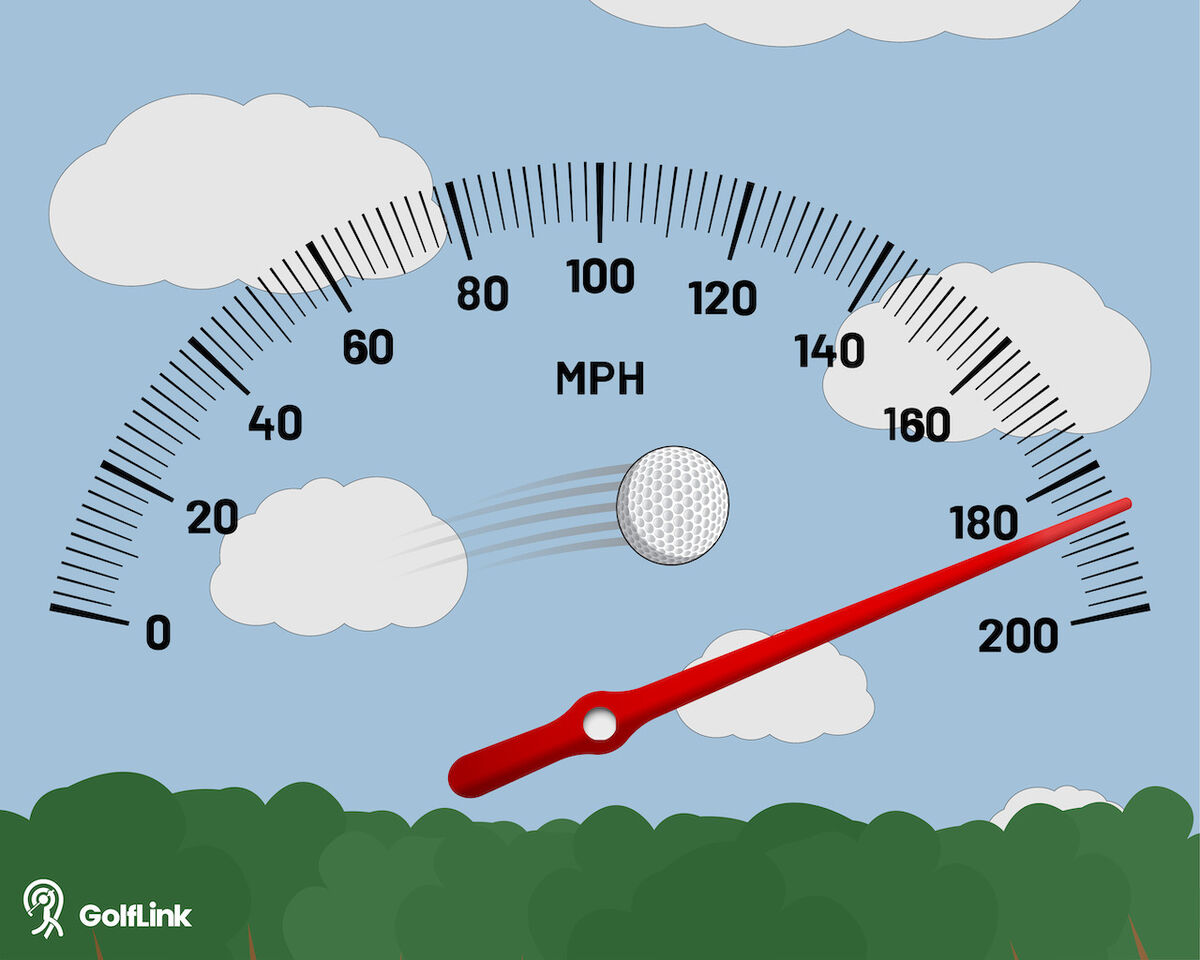
Image Source: assets.ltkcontent.com
Deciphering Golf Ball Speed
Golf ball speed is a key number in golf. It tells us how much power a golfer puts into the ball. This speed starts at the moment the club hits the ball.
What is Golf Ball Initial Velocity?
Golf ball initial velocity is the speed of the ball right after it leaves the clubface. Think of it as the ball’s starting speed. This is the fastest the ball will travel during its flight. High initial velocity means the ball starts its journey with a lot of energy. This helps it go farther. This speed is crucial for distance.
What is Golf Ball Launch Speed?
Golf ball launch speed is another term for initial velocity. They mean the same thing. It is the speed of the ball right after impact. It is measured in miles per hour (mph) or kilometers per hour (km/h). This number helps golfers and coaches see how strong and efficient their swing is. A high launch speed often means a good hit.
Average Golf Ball Speed
How fast a golf ball goes depends on who is hitting it. A beginner will have a slower ball speed than an experienced player. Here are some general average golf ball speed numbers:
- Beginner Male Golfer: 100-110 mph
- Average Male Golfer: 120-130 mph
- Good Amateur Male Golfer: 140-150 mph
- Beginner Female Golfer: 80-90 mph
- Average Female Golfer: 100-110 mph
- Good Amateur Female Golfer: 120-130 mph
These numbers are just a guide. Many things can make these speeds change.
Professional Golfer Ball Speed
Professional golfers hit the ball very hard. Their ball speeds are much higher than amateurs. Top professional golfer ball speed can be amazing.
- PGA Tour Average: Around 167-170 mph.
- Long Drive Competitors: These athletes focus only on hitting the ball as far as possible. They can push speeds well past 200 mph. Some even reach 220 mph or more. This is their main goal.
These high speeds show how much power and skill these players have. They train hard to hit the ball this fast.
The Driver Swing Speed Connection
The speed of the club head is very important. It is called driver swing speed. This speed directly affects how fast the ball goes. There is a strong driver swing speed correlation with ball speed.
How Clubhead Speed Transfers to Ball Speed
When the club hits the ball, energy moves from the club to the ball. The faster the club head moves, the more energy it gives the ball. This makes the ball go faster. It is like pushing a swing. A stronger push makes the swing go higher and faster.
The Power of Smash Factor
Smash Factor is a key number. It tells us how well you hit the ball. It is a ratio.
- Formula: Ball Speed / Clubhead Speed = Smash Factor
A higher Smash Factor means you hit the ball very well. It means you transferred almost all the club’s energy to the ball.
- Ideal Smash Factor for a Driver: 1.50
- This means if your clubhead speed is 100 mph, your ball speed should be 150 mph.
- (150 mph ball speed / 100 mph clubhead speed = 1.50 Smash Factor)
If your Smash Factor is lower, it means you did not hit the ball squarely. You might have hit it off-center. Or you might have hit it too high or too low on the clubface. Improving your Smash Factor is a great way to get more ball speed without swinging harder. It means hitting the sweet spot.
Factors Influencing Ball Speed
Many things can change how fast a golf ball goes. These factors influence ball speed a lot. They involve the golfer, the club, the ball, and even the weather.
Player Skill and Swing Mechanics
The golfer’s skill is a huge factor.
- Clubhead Speed: A faster swing makes the club head move faster. This leads to higher ball speed.
- Center Strike: Hitting the ball right in the middle of the clubface (the sweet spot) gives the best energy transfer. This means higher ball speed off the club. A miss-hit reduces speed.
- Swing Path and Angle: How the club comes into the ball also matters. A good swing path helps the ball fly straight and fast.
- Physical Strength: Stronger golfers can often swing faster. This helps them get higher ball speeds.
- Technique: Proper body rotation, weight transfer, and wrist hinge all add to swing speed and good contact.
Club Type and Design
Different clubs are made for different shots. This means they make the ball go at different speeds.
- Drivers: Drivers are built to hit the ball far. They have large heads and low lofts. This design helps create the highest golf ball initial velocity. This makes them ideal for maximum golf ball velocity.
- Fairway Woods: These are also for distance but are easier to hit off the ground. Their ball speeds are a little less than drivers.
- Hybrids: These clubs mix traits of irons and woods. They offer good ball speed with more control.
- Irons: Irons have more loft. This makes the ball go higher and land softer. Ball speed decreases as the iron number goes up (e.g., a 9-iron will produce much less ball speed than a 3-iron).
- Wedges: Wedges have the most loft. They are for short shots around the green. They create the slowest ball speeds.
The material of the clubface also plays a role. Modern drivers use thin, strong materials that flex. This gives a “trampoline effect,” making the ball jump off faster.
Golf Ball Design and Construction
The golf ball itself is important. Golf balls are not all the same.
- Core: The core is the center of the ball. A larger, softer core can compress more. This can lead to more energy return and higher ball speeds for slower swing speeds. A firmer core might suit faster swings.
- Layers: Balls have different layers (two-piece, three-piece, four-piece). More layers can offer more control and spin, but the core remains key for initial velocity.
- Dimples: The dimples on a golf ball are not just for looks. They are vital for how the ball flies. They reduce drag and create lift. The size, shape, and number of dimples affect ball flight and how well the ball keeps its speed in the air.
- Compression: This is how much the ball flattens when hit. A ball with a higher compression needs a faster swing to get good speed. A low compression ball works better for slower swings. It will compress more easily.
Weather Conditions
The weather can greatly affect golf ball speed after it leaves the club.
- Wind: Wind is a major factor. A headwind (wind blowing against the ball) will slow the ball down fast. A tailwind (wind blowing with the ball) will help it go faster and farther. Crosswinds can push the ball sideways.
- Temperature: A warmer golf ball will be softer and compress more. This can lead to slightly higher ball speeds. A cold ball is harder. It will not compress as much. This can reduce ball speed and distance. Cold air is also denser, meaning more air resistance.
- Altitude: At higher altitudes, the air is thinner. This means less air resistance (drag) on the ball. The ball will fly faster and farther than at sea level, even if the initial velocity is the same. For example, a ball hit in Denver (high altitude) will go farther than one hit in Miami (sea level).
Loft Angle of the Club
The loft angle is the angle of the clubface. This angle determines how high the ball flies. It also affects the launch angle and spin. Both affect how fast the ball goes up and through the air.
- Low Loft (e.g., Driver): A driver has little loft (around 9-12 degrees). This helps launch the ball low with high initial speed. This speed helps it roll out for maximum distance.
- High Loft (e.g., Wedge): Wedges have high loft (around 45-60 degrees). They launch the ball very high. This means less forward speed. The ball goes up more than out.
Finding the right loft for your swing speed is important. It helps you get the best blend of speed, launch, and spin for your game.
Ball Speed Measurement
Knowing your ball speed is very helpful. It helps you see how well you are hitting the ball. It also shows areas where you can improve.
How is Ball Speed Measured?
Ball speed measurement usually happens with special tools. These tools are called launch monitors.
- Radar-Based Launch Monitors: These devices use radar waves. They send out waves that bounce off the ball. They measure how fast the waves return. This tells them the ball’s speed. They are very accurate. Examples include TrackMan and FlightScope. Many golf courses and pro shops use these.
- Camera-Based Launch Monitors: These devices use high-speed cameras. They take many pictures of the ball as it leaves the club. They can then figure out the speed. Examples include GCQuad and Foresight Sports. These are also very precise.
- Doppler Radar: This is a type of radar that measures changes in wave frequency. It can track the ball’s full flight. It provides very detailed data, including ball speed.
These tools give you more than just ball speed. They also tell you:
* Launch Angle: How high the ball starts its flight.
* Spin Rate: How fast the ball spins.
* Carry Distance: How far the ball flies in the air.
* Total Distance: How far the ball goes (carry + roll).
* Clubhead Speed: How fast the club was moving.
* Smash Factor: How well you hit the ball (ball speed / club speed).
Getting these numbers helps golfers work on their game. It helps them choose the best clubs and balls.
Maximum Golf Ball Velocity and Regulations
Can a golf ball go too fast? Yes, golf has rules about this. These rules aim to keep the game fair. They stop technology from making the ball go too far.
Is There a Maximum Golf Ball Velocity?
There is no strict “maximum golf ball velocity” that a human can hit a ball. However, the golf ball itself must meet certain speed limits. This is part of the golf ball regulations speed.
Golf Ball Regulations Speed: The Initial Velocity Limit
The main rule about golf ball speed comes from golf’s ruling bodies. These are the United States Golf Association (USGA) and The R&A (Royal and Ancient Golf Club of St Andrews). They set limits on how fast a golf ball can come off a hitting machine.
- The Initial Velocity Rule: A golf ball must not have an initial velocity greater than 250 feet per second (ft/s). This is about 170.5 mph.
- Tolerance: They allow a small tolerance of 2 ft/s (1.36 mph). So, the absolute maximum is 252 ft/s (171.9 mph).
- Testing Conditions: Balls are tested using a special machine called an “Initial Velocity Tester.” They are also hit under specific temperature conditions (73 degrees Fahrenheit or 23 degrees Celsius).
- Purpose: This rule stops golf balls from being made so fast that they make golf courses too short. It ensures skill stays more important than equipment. It helps keep the game fair for all players.
This rule means that even if a golfer can swing faster, the ball cannot go faster than the allowed limit. The ball itself is designed to stay within this limit when tested.
Impact of Ball Speed on Golf Play
Ball speed is more than just a number. It has a big impact on how golfers play the game.
Distance vs. Control
Higher ball speed often means more distance. But hitting the ball fast is not always the best way to score well.
- More Distance: High ball speed off the driver means the ball travels farther down the fairway. This leaves shorter shots to the green. This can lead to easier pars and birdies.
- Loss of Control: Sometimes, trying to hit the ball too fast can lead to poor contact. This means the ball goes off-line. It might end up in the rough or out of bounds. Accuracy is often more important than pure distance.
- Course Management: A smart golfer knows when to hit for speed and when to hit for control. On tight holes, a slower, more accurate shot might be better. On wide-open holes, a fast, long shot can be an advantage.
Player Improvement
Watching ball speed can help golfers get better.
- Identify Strengths: If your ball speed is good, you know you have power.
- Find Weaknesses: If your ball speed is low for your swing speed, your Smash Factor might be poor. This means you need to work on hitting the sweet spot.
- Track Progress: As you practice, you can see if your ball speed goes up. This shows your hard work is paying off.
- Equipment Fitting: Knowing your ball speed helps fitters suggest the right clubs and balls for you. A ball with a low compression might be better for someone with lower ball speed. A driver with more forgiveness can help if you often miss the sweet spot.
Tips for Boosting Your Ball Speed
Many golfers want to hit the ball farther. Increasing ball speed is the key. Here are some simple ways to work on it.
Work on Swing Speed Drills
Swinging faster helps. Try these:
- Overspeed Training: Use lighter clubs or training aids. Swing them as fast as you can. This helps your muscles get used to moving quickly.
- Heavy Club Swings: Use a heavier club or a weighted training aid. Swing it to build strength. This helps you swing a normal club faster.
- Medicine Ball Throws: Throwing a medicine ball helps build rotational power. This power transfers to your golf swing.
- Body Turn: Focus on a full body turn in your backswing. This creates more power.
- Hip Speed: Speed up your hips in the downswing. Your hips lead the swing. Faster hips mean a faster club.
Improve Contact Quality
Hitting the sweet spot is vital.
- Practice with Feedback: Use a launch monitor if you can. It will show your Smash Factor. This tells you if you hit the sweet spot.
- Impact Drills: Place tees in the ground to guide your swing path. Focus on hitting the ball first, then the ground.
- Slow Motion Swings: Practice your swing very slowly. Feel how the club comes through the ball. This helps you make consistent contact.
- Ball Position: Make sure the ball is in the right spot for each club. For a driver, it should be off your front heel.
Get Fitted for Equipment
The right clubs and balls can make a big difference.
- Driver Loft: A club fitter can find the best loft for your swing. This will give you the right launch and spin for max speed.
- Shaft Flex: The shaft of your club needs to match your swing speed. A shaft that is too stiff or too flexible can cost you speed.
- Ball Choice: Different golf balls perform differently. A ball that matches your swing speed will give you better initial velocity and distance. A low compression ball often works well for slower swings. A high compression ball might be better for faster swings.
Focus on Physical Fitness
Being fit helps your golf game.
- Strength Training: Build strength in your core, legs, and shoulders. These muscles power your swing.
- Flexibility: Being flexible allows for a fuller, more powerful swing.
- Balance: Good balance helps you stay stable during your swing. This leads to better contact and more speed.
Conclusion
The speed of a golf ball is a complex topic. It involves many things, from your swing to the club, the ball, and even the weather. Golf ball initial velocity and golf ball launch speed are key numbers that show how much power you transfer. Professional golfer ball speed highlights the power and skill of top players. The driver swing speed correlation is clear: faster swing, faster ball. Factors influencing ball speed range from skill to equipment and conditions. Ball speed measurement tools help golfers improve. And golf ball regulations speed ensures fairness in the game. By understanding these ideas and working on your game, you can gain more ball speed and hit the golf ball farther.
Frequently Asked Questions (FAQ)
Q1: What is a good golf ball speed for an amateur?
A: For an average male amateur, a ball speed of 120-130 mph is good. For female amateurs, 100-110 mph is often seen as good. Better players will hit it faster.
Q2: How much faster is a golf ball than a baseball?
A: A golf ball hit by a driver goes much faster than a baseball hit by a bat. A golf ball can leave the club at over 150 mph. A baseball usually leaves the bat at 90-110 mph.
Q3: Does golf ball compression affect speed?
A: Yes, golf ball compression affects speed. A lower compression ball might compress more easily for slower swing speeds, giving more initial velocity. A higher compression ball needs a faster swing to get full benefit.
Q4: Can changing golf balls increase ball speed?
A: Yes, changing golf balls can increase ball speed slightly. Matching the ball to your swing speed and club can help. Some balls are designed to go farther.
Q5: What is the highest ball speed ever recorded?
A: In professional long drive events, ball speeds over 220 mph have been recorded. Kyle Berkshire has hit ball speeds over 230 mph in testing.
Q6: Does swing speed directly equal ball speed?
A: No, swing speed does not directly equal ball speed. Ball speed is usually 1.4 to 1.5 times your clubhead speed (this is the Smash Factor). So, a 100 mph swing speed could mean 140-150 mph ball speed with good contact.
Q7: How do I measure my golf ball speed at home?
A: You can use personal launch monitors. Devices like the Garmin Approach R10 or FlightScope Mevo can give you ball speed. They are not as precise as pro-level machines but give good estimates.