
Decode Golf Course Design: How Many Par 5s On A Golf Course?
A standard 18-hole golf course often has four par 5 holes. This is a common setup, but it can change based on the course’s design and type. The average number of par 5s on a golf course usually sits around this number, creating a balanced and fun challenge for golfers. These long holes are key to how a course feels and plays.
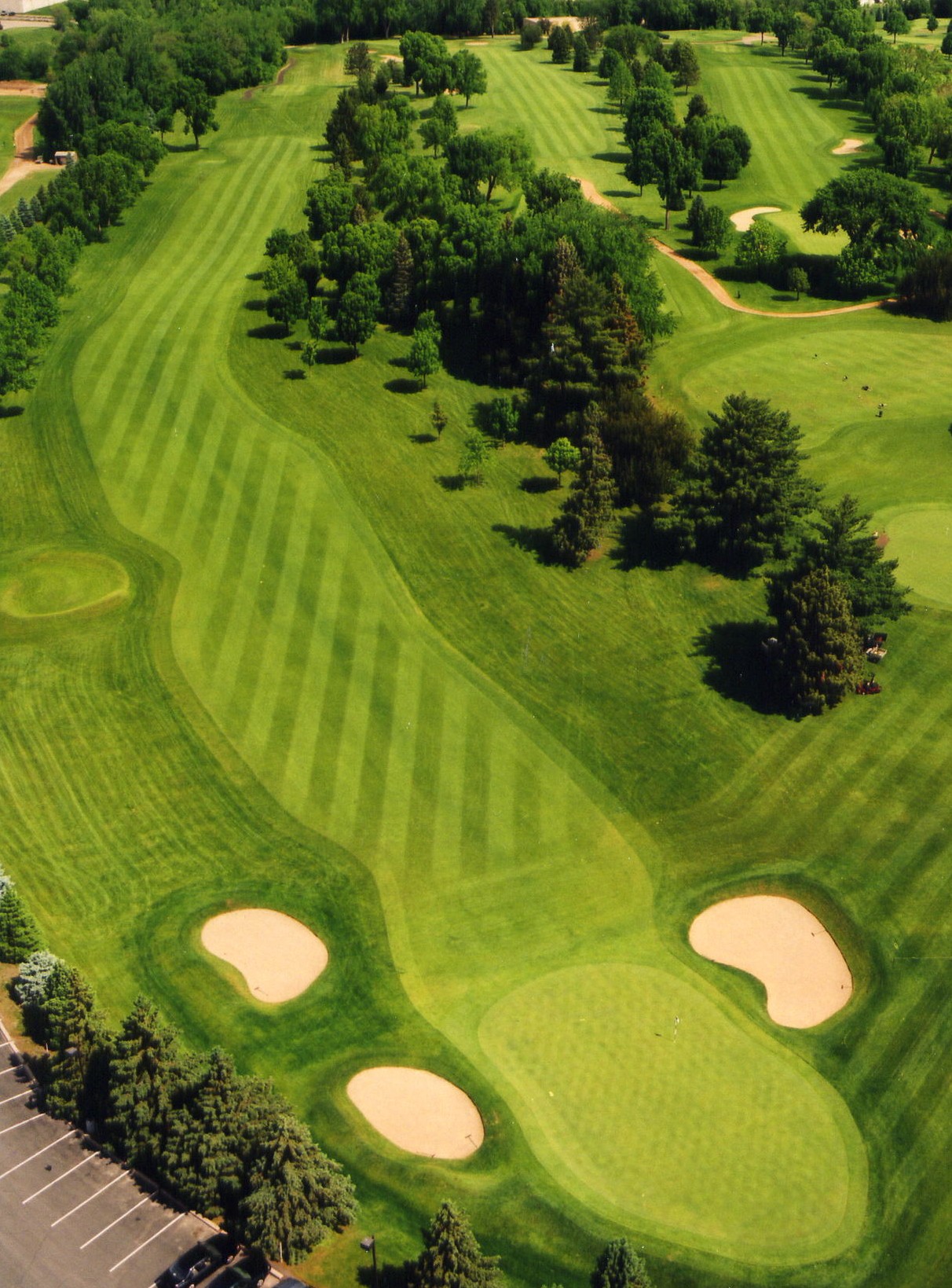
Image Source: members.mvccgolf.com
Unlocking Par 5s in Golf Course Design
Every golf course has a special plan. This plan aims to make the game fun and fair. It uses a mix of different types of holes. Par 5 holes are a big part of this mix. They are the longest holes on a course. They give players a chance to hit big shots. They also test a player’s smart thinking. Knowing about these holes helps us see how golf courses are made. It shows us why each course feels unique.
The way a golf course designer puts par 5s on a course is not random. It is a thoughtful process. They think about the land. They think about the skill of the golfers who will play there. They also think about how to make each hole different. This helps make the game exciting from the first tee to the last putt.
The Standard Par Layout
Most golf courses aim for a specific total “par.” This is the number of strokes a good golfer should take to finish the course. For 18 holes, a common total par is 72. To reach this number, courses use a mix of par 3s, par 4s, and par 5s.
A typical golf course par layout for a par 72 course often looks like this:
- Four Par 3 holes: These are the shortest holes. A good golfer should hit the ball onto the green in one shot. Then they take two putts. So, three shots in total.
- Ten Par 4 holes: These are mid-length holes. A good golfer should hit the ball onto the green in two shots. Then they take two putts. So, four shots in total.
- Four Par 5 holes: These are the longest holes. A good golfer should hit the ball onto the green in three shots. Then they take two putts. So, five shots in total.
This mix (4x Par 3s, 10x Par 4s, 4x Par 5s) adds up to 72 (43 + 104 + 4*5 = 12 + 40 + 20 = 72). This is a very common setup for a championship-style course. It gives a good balance of easy, medium, and hard holes. It also makes sure players use all their clubs.
Sometimes, courses have a different total par. A course might be Par 70 or Par 71. This would mean fewer par 5s or par 4s. For example, a Par 70 course might have only two par 5s. Or it might have more par 3s. The typical golf course par 5 count for a par 70 course might be 2 or 3.
Here’s a table showing common par layouts:
| Total Par | Par 3s (Count) | Par 4s (Count) | Par 5s (Count) | Total Holes |
|---|---|---|---|---|
| Par 72 | 4 | 10 | 4 | 18 |
| Par 71 | 5 | 9 | 4 | 18 |
| Par 70 | 4 | 12 | 2 | 18 |
| Par 68 | 6 | 10 | 2 | 18 |
This standard golf course par layout helps make the game fair. It also lets golfers use many different shots. This makes the game more fun.
Factors Shaping Par 5 Counts
The number of par 5s on a golf course is not set in stone. Many things can change this number. Golf course designers look at several key points. These points help them decide how many par 5s to include. They also decide where to put them.
The Lay of the Land
The most important factor is the land itself. A golf course needs a lot of space. Par 5 holes are very long. They need even more space. If the land is hilly or has many trees, it might be hard to fit long holes.
- Flat, Open Land: On flat land, it is easier to make long, straight par 5s. Designers can make many of them.
- Hilly or Wooded Land: On land with hills or dense woods, long holes are harder to build. The designer might need to curve the hole. Or they might have to make it shorter. This might lead to fewer par 5s. Sometimes, a natural valley or ridge can be perfect for a par 5. It can make the hole very exciting.
The shape of the land also affects how a hole plays. A par 5 going uphill feels much longer. A downhill par 5 can feel shorter. Designers use these natural features. They make the holes more fun or more challenging.
Money and Budget
Building a golf course costs a lot of money. Longer holes, like par 5s, cost more to build. They need more land to be cleared. They also need more grass to be planted and kept.
- High Budget: A course with a big budget might have more par 5s. They can buy or shape the land they need. They can also build bigger greens and tee boxes.
- Lower Budget: A course with less money might have fewer par 5s. They might choose to build more par 3s or 4s. These holes need less land and less work.
Money also affects how much work can be done to the land. Moving a lot of dirt costs a lot. If the land is already good for golf, it saves money. If not, changes might be needed. This adds to the cost.
The Target Golfer
Who will play the course? This is a big question for designers. Are they building a course for top pros? Or for beginners? Or for regular club members?
- Championship Courses: These courses are for the best players. They often have longer par 5s. They also have more tricky parts like bunkers and water hazards. This makes the holes harder. They might still have four par 5s, but these will be very long and tough.
- Public or Resort Courses: These courses are for everyone. They need to be fair for all skill levels. They might have par 5s that are not too long. They might also have wider fairways. This makes the holes more forgiving.
- Executive Courses: These courses are shorter. They are for quick games or beginners. They usually have mostly par 3s. They might have one or two short par 4s. Executive course par 5 availability is very rare. Some might have one very short par 5. But most do not have any.
The choice of par 5s is part of making the course fit its players. A very hard par 5 can be great for pros. But it might be too much for someone just starting out.
Existing Infrastructure and Permits
Sometimes, a course must fit into a certain area. There might be roads, buildings, or protected nature spots. These things limit where holes can go. They can also limit how long holes can be.
- Environmental Rules: Some land might be protected. The course cannot build there. This can make it hard to find space for long holes.
- Town Rules: Local laws can say what can be built. They might limit how much land can be changed.
- Existing Roads or Rivers: If a course is built around existing features, it shapes the design. A river might run through the land. This could make a great par 5, or it could prevent one.
These limits can force a designer to be creative. They might have to build fewer par 5s. Or they might have to make them shorter or more curved.
All these factors mix together. They help decide the golf course design par 5 strategy. They make each course unique. They show why the average number of par 5s on a golf course can vary.
Par 5s Across Different Course Types
Not all golf courses are the same. Their design changes based on who plays there and why. This also affects the number and type of par 5 holes. The golf course par 5 distribution varies greatly between different course styles.
Championship Course Par 5 Holes
Championship courses are built for top-level play. Think of courses used for major tournaments. These courses are long and tough. They push the best golfers to their limits.
- Number: These courses nearly always have the standard four par 5s. This is part of the traditional par 72 layout.
- Length: Par 5 hole length average on these courses is at its longest. They often measure over 550 yards from the back tees. Some can even go past 600 or 650 yards. These extra long holes make it hard to reach the green in two shots.
- Challenge: The par 5s on championship courses are not just long. They have many hazards. These include deep bunkers, water, and thick rough. The greens might be tricky. This makes par 5 scoring strategy golf very important. Players must think about every shot. Do they try for the green in two? Or do they play safe for three shots?
These courses use their par 5s to create excitement. They can lead to big scores (like eagles or birdies) or big mistakes (like bogeys or worse). This adds drama to the game.
Public and Resort Course Par 5s
These courses are for the everyday golfer. They are more friendly and forgiving. They want to make the game fun for everyone.
- Number: Most public and resort courses also have four par 5s. They often stick to the par 72 layout. This makes them feel like a full, challenging course.
- Length: The par 5 hole length average is usually shorter than on championship courses. They might be 480 to 520 yards from the main tees. This makes them more “reachable” in two shots for many golfers. This adds to the fun.
- Challenge: Hazards are often less severe. Fairways might be wider. This means golfers can miss a shot and still have a chance. The goal is to make a par or a birdie possible. This helps golfers feel good about their game.
These courses balance fun with a fair test. Their par 5s give chances for good scores without being too hard.
Executive Course Par 5 Availability
Executive courses are designed for quick rounds. They are great for beginners or for practice. They are much shorter than regular courses.
- Number: Executive course par 5 availability is very low. Most executive courses do not have any par 5s. They are mostly par 3s. Some might have a few short par 4s.
- Length: If an executive course has a par 5, it is very short. It might be less than 400 yards. It would play more like a long par 4.
- Purpose: These courses focus on short game skills. They help players learn to hit irons and putt. They are not about hitting long drives.
The lack of par 5s on executive courses makes sense. They are for a different kind of golf experience. They show how much the course’s purpose affects its design.
The distribution of par 5s across different course types shows a clear pattern. The longer and more challenging the course, the more likely it is to have more and longer par 5s. This helps to create a golf experience that fits its players.
The Art of Par 5 Placement and Length
Designing a golf course is like painting a picture. Each hole is a brushstroke. Par 5s are often the big, bold strokes. Their placement and length are very important. They affect the flow of the game. They also shape the scoring strategy for players. The ideal number of par 5s is often debated. But how they are used matters just as much.
Average Hole Length and Yardage
A par 5 hole is defined by its length. For men, a par 5 is usually 470 yards or more from the tee. For women, it is usually 400 yards or more. But these are just guides. The actual par 5 hole length average changes a lot. It depends on the course and the tees used.
Here’s a look at common par 5 yardages from different tees:
| Tee Type | Men (Approx. Yards) | Women (Approx. Yards) |
|---|---|---|
| Championship/Pro | 500 – 690+ | 450 – 550+ |
| Middle/Member Tees | 470 – 600 | 400 – 500 |
| Forward/Senior Tees | 450 – 550 | 380 – 450 |
These lengths mean players need three good shots to reach the green. Or, for stronger players, two very long shots.
Strategic Placement on the Course
Where a par 5 is placed on the golf course is key. Designers do not just put them anywhere. They think about the entire round.
- Early in the Round (Holes 1-4): A par 5 early on can set the tone. It gives players a chance for a good start. It can be a “welcome” hole. It might be a slightly easier one. This helps golfers feel good and want to play well.
- Around the Turn (Holes 8-11): Placing a par 5 near the turn (around the 9th or 10th hole) can break up the round. It gives a chance to regroup. It can also be a harder hole to test players before the back nine.
- Late in the Round (Holes 15-18): A par 5 near the end of the round is often dramatic. It can be a “risk-reward” hole. Players might try to hit the green in two shots. This could lead to an eagle or a birdie. But it also carries a high risk of a big mistake. This makes for an exciting finish. The golf course par 5 distribution often aims for this late-game excitement.
Designers often make par 5s run in different directions. This means golfers face different wind conditions. It also makes sure no two par 5s feel exactly the same. They also think about how the par 5 connects to the holes before and after it. This helps the course flow well.
For example, a short par 4 might lead to a long par 5. This lets players hit a strong driver. Then, the par 5 might be followed by a tough par 3. This mix of holes keeps golfers on their toes.
A good golf course design par 5 plan uses the land well. It creates varied challenges. It also lets players use all their skills. This makes the round fun and memorable.
Scoring and Strategy on Par 5s
Par 5s are often called “scoring holes.” This means they offer a better chance to make a birdie or even an eagle. But they can also lead to big trouble. How a golfer plays a par 5 depends on their skill and their plan. This is where par 5 scoring strategy golf comes in.
Aggressive Play: Go For It!
Stronger golfers often try to reach the green in two shots on a par 5. This is called “going for the green in two.”
- Long Drive: The first shot (drive) must be long and accurate. It needs to put the ball in a good spot for the second shot.
- Second Shot: The second shot is usually a long iron or a wood. It needs to fly far and straight. The goal is to land on or near the green.
- Birdie or Eagle Chance: If the ball lands on the green in two shots, the golfer has a putt for eagle (two shots under par). If they miss the eagle putt but make the next one, it’s a birdie (one shot under par).
Risks of Aggressive Play:
- Hazards: Many par 5s have water or bunkers around the green. Going for the green in two can land the ball in these trouble spots.
- Bad Lie: The second shot might be from the rough or a bad angle. This makes it harder to hit a good shot.
- Lost Ball: A very bad shot can go out of bounds or into thick woods. This adds penalty strokes.
Aggressive play is exciting. It can lead to great scores. But it also has high risks.
Conservative Play: Play Smart
Many golfers choose a safer approach on par 5s. This is called “laying up.” It means hitting the ball short of the green on purpose.
- First Shot: Hit a solid drive to the fairway.
- Second Shot (Lay Up): Hit the ball to a specific spot. This spot should be short of any hazards. It should also leave a good distance for the third shot. Often, this means laying up to a distance of 80-120 yards from the green. This allows for a full wedge shot on the third shot.
- Third Shot: Hit a wedge or short iron onto the green. The goal is to get the ball close to the hole.
- Par or Birdie Chance: If the third shot lands close, the golfer has a good chance for a birdie putt. If not, a par is usually easy to get.
Benefits of Conservative Play:
- Avoids Trouble: This plan keeps the ball away from water, bunkers, and thick rough.
- Better Angles: Laying up often leaves a clearer shot to the green.
- Less Pressure: It takes some stress off the second shot.
Conservative play is often the smarter choice for most golfers. It still gives a good chance for a birdie. It also greatly lowers the chance of a high score.
The par 5 scoring strategy golf choice depends on the hole, the golfer’s skill, and how the game is going. A player who needs a birdie might go for it. A player who is leading might play safe. This makes par 5s very important in golf. They can change the outcome of a match.
The Ideal Par 5 Number: A Designer’s View
What is the best number of par 5s for a golf course? There is no single answer. It depends on many things. Golf course designers often have ideas about the ideal number of par 5s. They also think about how to make them challenging and fair.
Balance and Flow
A key idea is balance. A good course has a mix of short, medium, and long holes. It should not have too many of one type.
- Variety: Par 5s add variety. They let players hit their driver and long irons. Without them, a course might feel too similar.
- Rhythm: A course also needs good rhythm. A par 5 can change the pace of play. It might follow a tough par 4. This gives players a mental break. It also gives a chance for a birdie.
- Walking: Designers think about how golfers walk the course. They try to keep the distance between greens and the next tee short. This is easier to do with a mix of hole types.
Many designers agree that four par 5s on an 18-hole course (making it a par 72) is a great balance. It gives enough chances for long shots. It also allows for enough par 3s and 4s. This mix creates a complete golf experience.
Creating Drama and Excitement
Par 5s are often the most exciting holes. They offer big rewards but also big risks.
- Risk-Reward: A well-designed par 5 makes players think. Should they try for the green in two? Or play it safe? This choice adds drama.
- Scoring Chances: These holes offer the best chance for eagles or birdies. This makes players happy. It also makes for exciting moments in tournaments.
- Recovery Shots: A bad shot on a par 5 might still be fixable. Players can recover and still make par. This makes the game more forgiving than on a tight par 3 or 4.
The golf course design par 5 approach focuses on making these holes memorable. They want players to remember the big shots they hit. They also want players to remember the tough choices they made.
Flexibility in Design
While four par 5s are common, designers can be flexible.
- Two or Three Par 5s: Some courses might have fewer par 5s. This might be due to the land. Or it might be for a certain type of player. A Par 70 course might have only two par 5s. These might be very strong holes. They make up for the lower number.
- More Than Four Par 5s: It is rare, but some courses have five or even six par 5s. This usually happens on very long courses. Or on courses with unique land features. Such a course would have a higher total par. It would be a “target course” for long hitters.
The ideal number of par 5s is not a strict rule. It is a guide. The best number is one that fits the land, the budget, and the players. It also makes the course fun and fair. It ensures that the golf course par 5 distribution feels right.
The typical golf course par 5 count of four is a strong tradition. It works well for most courses. It creates a balanced challenge. It also gives players chances to score well. This makes par 5s a central part of golf course design. They are not just long holes; they are key to the heart of the game.
Frequently Asked Questions (FAQ)
Q1: Can a golf course have more than four par 5s?
Yes, it’s possible. While four par 5s is the average number of par 5s on a golf course for a par 72 layout, some courses, especially very long or unique ones, might have five or even six par 5s. This would typically result in a total par higher than 72.
Q2: Are par 5s always the longest holes on a golf course?
Yes, by definition. Par 5 holes are designed to be the longest holes on a golf course. They require a good golfer to take three shots to reach the green, plus two putts, for a total of five strokes. Par 3s are the shortest, and par 4s are mid-length.
Q3: Do executive courses usually have par 5s?
No, executive course par 5 availability is very rare. Executive courses are shorter and designed for quicker rounds or beginners. They usually have mostly par 3s and sometimes a few short par 4s. If they do have a par 5, it would be much shorter than a standard par 5.
Q4: What makes a par 5 a “reachable” par 5?
A “reachable” par 5 is one where a strong golfer can hit their second shot onto or near the green. This usually means the par 5 hole length average is on the shorter side for its par. For example, a 470-500 yard par 5 might be reachable for many good players, giving them a chance for an eagle or birdie.
Q5: Why are par 5s important for a golf course design?
Par 5s are very important for many reasons in golf course design par 5 strategy. They add variety to the course, requiring different clubs and shots. They offer risk-reward choices, making the game more exciting. They also provide good scoring chances (birdies, eagles), which can be very fun for golfers and add drama to competitive rounds. Their distribution across the course also affects the overall flow and challenge.