
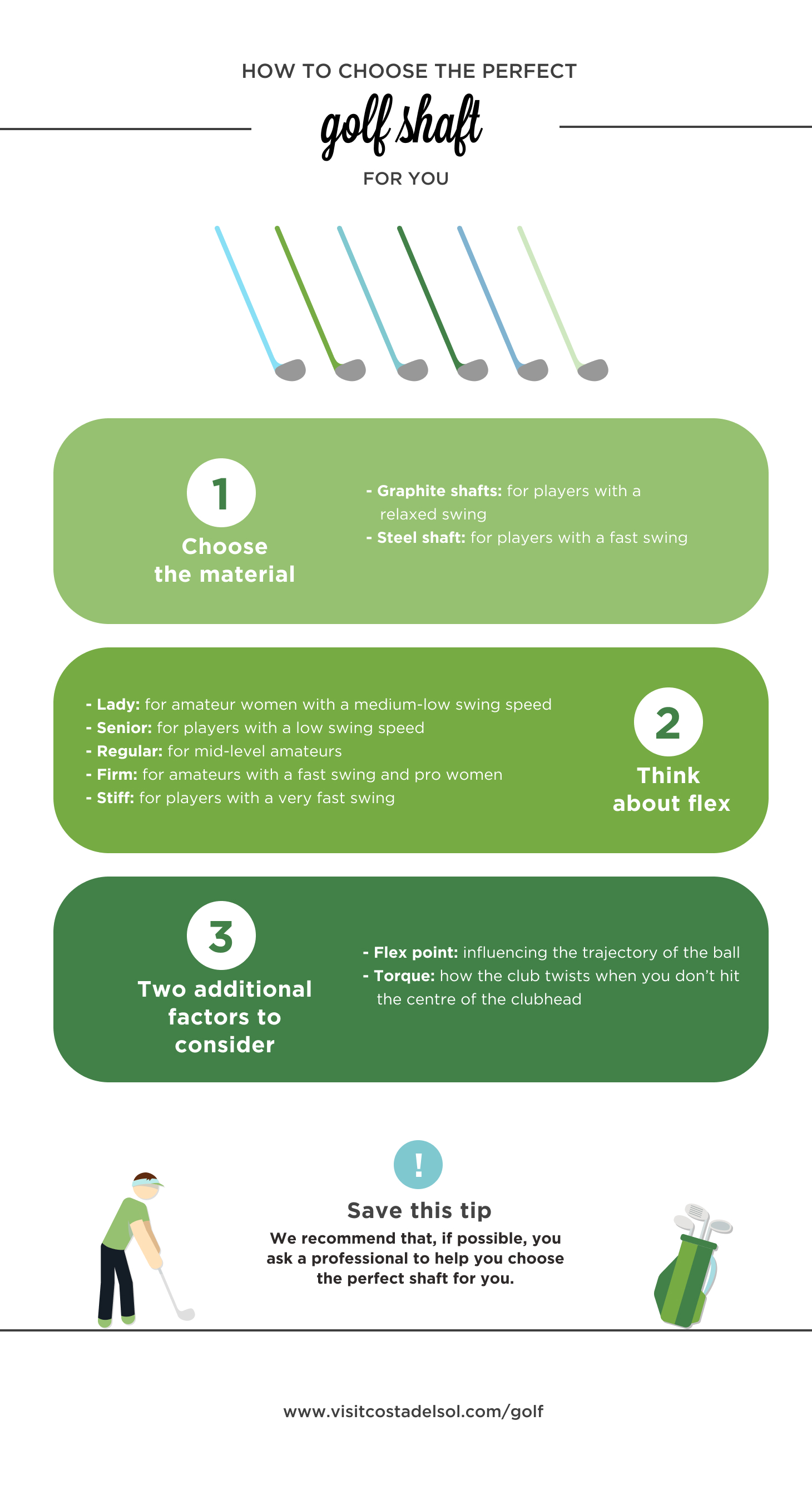
Image Source: blog.visitacostadelsol.com
How To Choose Golf Shaft: The Ultimate Guide for Your Game
Do you know what a golf shaft is? Can a golf shaft truly change your game? Yes, a golf shaft is the long, slender part of your golf club connecting the grip to the clubhead. It acts like the engine of your club. And yes, choosing the right golf shaft can greatly improve your shots. It helps you hit the ball farther and straighter. This guide will help you pick the best golf shaft for your game. We will look at many key factors. These factors include how stiff the shaft is, what it is made of, and how heavy it feels. Picking the right shaft is a big step to playing better golf.
Crucial Aspects of a Golf Shaft
Every golf shaft has a few key traits. These traits work together. They affect how the club feels. They also change how the ball flies. Knowing these traits helps you choose well.
Grasping Golf Shaft Flex
What is golf shaft flex? It is how much the shaft bends during your swing. The shaft bends on your downswing. It also bends when you hit the ball. The right flex helps you hit the ball squarely. It helps you launch the ball well. It also helps control spin.
There are different levels of flex. They are often shown by letters.
- L (Ladies): This flex is for golfers with slower swing speeds. It helps them get the ball in the air.
- A (Senior/Amateur): This flex is a bit stiffer than L. It suits older golfers. It also works for those with medium-slow swing speeds.
- R (Regular): This is a common flex. It fits many average golfers. They have moderate swing speeds.
- S (Stiff): This flex is for golfers with faster swing speeds. It gives more control.
- X (Extra Stiff): This is the stiffest flex. It is for very fast, powerful swings. These golfers need maximum control.
A shaft that is too stiff for you will feel hard to swing. It might cause shots to go right (for a right-handed golfer). A shaft that is too flexible might feel whippy. It might cause shots to go left. It could also make the ball spin too much.
Table: Golf Shaft Flex and Clubhead Speed Guidelines
| Flex Level | Driver Clubhead Speed (MPH) | Typical Carry Distance (Yards) |
|---|---|---|
| Ladies (L) | Below 60 | 150 or less |
| Senior (A) | 60-75 | 150-180 |
| Regular (R) | 75-90 | 180-220 |
| Stiff (S) | 90-105 | 220-250 |
| X-Stiff (X) | 105+ | 250+ |
Note: These are general guides. Your ideal flex also depends on your tempo and how smoothly you swing.
Assessing Golf Shaft Material
The material of your golf shaft material affects its weight and feel. Most shafts are made of steel or graphite. Each material has its own benefits.
Steel Shafts
Steel shafts are very popular. They are often found in irons and wedges.
- Feel: Steel shafts offer a very solid feel. They give good feedback on your shots. You can feel the ball impact clearly.
- Control: They provide excellent control. This is good for hitting precise shots.
- Weight: Steel shafts are heavier. This can help stabilize the club.
- Cost: They are usually less expensive.
- Vibration: They can transfer more vibration. This might not feel good on mis-hits.
Graphite Shafts
Graphite shafts are lighter than steel. They are common in drivers and woods. They are also popular in some iron sets.
- Weight: Graphite shafts are much lighter. This can help you swing faster. A faster swing means more clubhead speed shaft. More speed means more distance.
- Feel: They offer a softer feel. They absorb more vibration. This can be more comfortable, especially for golfers with joint pain.
- Launch: They can help you hit the ball higher. This is often good for slower swingers.
- Cost: They are usually more expensive.
- Durability: They can be more fragile than steel.
Some golfers like a mix. They might use graphite in their driver. They might use steel in their irons. This gives them distance with the driver. It gives them control with their irons.
Weighing Golf Shaft Weight
The golf shaft weight is key. It affects your swing speed. It also affects your control.
- Lighter Shafts:
- Help you swing faster.
- Can increase your
clubhead speed shaft. - May lead to more distance.
- Might be harder to control if you swing very fast.
- Good for golfers who need more distance.
- Heavier Shafts:
- Help you control the club better.
- Can make your swing feel smoother.
- May reduce your swing speed slightly.
- Good for golfers who prioritize accuracy.
- Can help with tempo.
Driver shafts are usually lighter (40-70 grams). Iron shafts are heavier (80-130 grams). Lighter iron shafts (70-90 grams) are also made. These are for golfers who want more speed with their irons. The right weight balances distance and control.
Pinpointing Golf Shaft Kick Point
The golf shaft kick point is also called the bend point. It is where the shaft bends the most during the swing. This point affects the golf shaft launch angle of the ball. It also affects spin.
- Low Kick Point:
- The shaft bends more near the clubhead.
- Helps the ball launch higher.
- Can add more spin to the ball.
- Good for golfers who need more height. Good for those who need more spin.
- Mid Kick Point:
- The shaft bends in the middle.
- Offers a balanced launch angle.
- Provides moderate spin.
- A good all-around choice for many golfers.
- High Kick Point:
- The shaft bends more near the grip.
- Helps the ball launch lower.
- Can reduce spin.
- Good for golfers who hit the ball too high. Good for those who spin the ball too much.
Consider your natural ball flight. If your shots are too low, try a lower kick point. If they are too high, try a higher kick point.
Determining Golf Shaft Torque
Golf shaft torque is how much the shaft twists. It twists during the swing. It twists at impact. It is measured in degrees.
- High Torque (more twist):
- Often found in more flexible shafts.
- Can make the club feel softer.
- May lead to less control on fast swings.
- Good for slower swings. Good for those who want a softer feel.
- Low Torque (less twist):
- Often found in stiffer shafts.
- Makes the club feel more stable.
- Gives more control, especially on fast swings.
- Good for fast swings. Good for those who want a firm feel.
Most driver shafts have 3-6 degrees of torque. Iron shafts usually have less. A very low torque shaft can feel very harsh on mis-hits. A very high torque shaft can make the club feel sloppy. Finding the right torque is about feel and control.
Matching Shafts to Your Clubs
Different clubs need different shafts. A driver needs a shaft for distance. An iron needs one for control.
Driver Shaft Selection: Finding Your Power Source
Your driver shaft selection is very important. The driver is your longest club. It is designed for maximum distance.
- Swing Speed is King: Use your
clubhead speed shaftto pick the right flex. A fast swing needs a stiff shaft. A slower swing needs a more flexible one. Refer to the flex table again. - Launch and Spin: Think about your natural
golf shaft launch. Do you hit the ball too low? Look for a lower kick point. Too high? Try a higher one. Do you spin the ball too much? A shaft that reduces spin might help. - Weight for Speed: Lighter shafts generally mean faster swing speeds. If you want more distance, a lighter shaft (40-60 grams) might be good. If you want more control, or have a very fast swing, a slightly heavier shaft (60-75 grams) could be better.
- Material Choice: Most drivers use graphite shafts. This is because they are lighter. They help create more speed.
Table: Driver Shaft Recommendations by Player Type
| Player Type | Swing Speed (MPH) | Flex | Weight (grams) | Kick Point | Torque (degrees) |
|---|---|---|---|---|---|
| Slower, smooth swing | 60-75 | A, R | 40-55 | Low | 4.5-6.0 |
| Average, balanced swing | 75-90 | R | 55-65 | Mid | 4.0-5.0 |
| Faster, strong swing | 90-105 | S | 65-75 | Mid-High | 3.0-4.0 |
| Very fast, powerful | 105+ | X | 70-85+ | High | 2.5-3.5 |
Iron Shaft Guide: Precision and Control
The iron shaft guide focuses on control. Irons are for hitting greens. They are for accurate approach shots.
- Material: Steel vs. Graphite:
- Steel: Most common for irons. Gives great feel and control. Very stable. Good for most golfers.
- Graphite: Lighter. Easier to swing faster. Can help with distance. Good for golfers who need more speed. Good for those who want less vibration.
- Weight: Iron shafts are heavier than driver shafts.
- Heavier Steel (110-130g): For stronger players. For those who want maximum control.
- Lighter Steel (90-105g): For average players. For those who want a good balance.
- Graphite Irons (60-90g): For slower swings. For those who want distance and comfort.
- Flex: Match your iron flex to your swing speed. Use the same flex ideas as for your driver. A slightly stiffer flex in irons might feel good. It helps with accuracy.
- Kick Point: Mid to high kick points are common in irons. This helps keep shots from ballooning. It gives a penetrating ball flight.
Fairway Woods and Hybrids
These clubs bridge the gap. They are between drivers and irons. Most often, they use graphite shafts. These shafts are slightly heavier than driver shafts. They are usually a bit shorter too. The flex and weight ideas from drivers still apply here.
Wedges and Putters
- Wedges: Most wedges use steel shafts. This gives them precision and feel. The shafts are often heavy. They are stiff. This helps with control on short shots.
- Putters: Putter shafts are mostly steel. They are very stiff. This is because flex is not needed for putting. Stability is key.
The Fitting Process: Your Best Path to a Better Game
How do you put all this information to use? The best way is through a golf shaft fitting. This is where an expert helps you. They use special tools. They find the perfect shaft for you.
Why Get a Fitting?
- It’s Personal: Your swing is unique. A fitting finds what works for you.
- Data-Driven: Fitters use launch monitors. These machines measure everything. They track your ball speed. They track spin. They track launch angle.
- Better Performance: The right shaft means more distance. It means better accuracy. It means more consistent shots.
- Save Money: You avoid buying shafts that do not fit. You invest in equipment that truly helps.
What Happens During a Fitting?
- Talk to the Fitter: You discuss your game. You talk about your goals. You mention any problems you have.
- Warm-Up and Swing Analysis: You hit balls with your own clubs. The fitter watches. They use a launch monitor. They gather data on your current shots.
- Trying Different Shafts: The fitter will give you different shafts to try. These will vary in flex, weight, kick point, and torque. You will hit shots with each one.
- Analyzing Data: The fitter compares the data. They look for the best numbers. They look for how the ball flies.
- Feel and Feedback: You tell the fitter how each shaft feels. Your feel is important. The best shaft will feel good and perform well.
- Recommendation: The fitter recommends the best shaft. They also suggest the best clubhead.
A golf shaft fitting is not just for pros. It is for any golfer. It helps you play your best.
Signs Your Shaft Needs Changing
Sometimes, your current shaft might not be right anymore. Your swing might change. You might get stronger. Or you might just realize something is off.
Here are signs you might need a new shaft:
- Poor Contact: You often hit the ball off-center. You feel it less on the sweet spot.
- Loss of Distance: Your shots do not go as far as they used to. Even when you hit them well.
- Inconsistent Shots: Your shots go all over the place. Sometimes left, sometimes right. You cannot find a consistent flight.
- Shots Too High or Too Low: Your
golf shaft launchis not right. The ball goes too high and balloons. Or it goes too low and dives. - Too Much Spin or Too Little Spin: You are losing distance due to too much spin. Or the ball is not stopping on the green due to too little spin.
- The Club Feels Off: It feels too heavy. It feels too light. It feels too whippy. Or it feels too stiff.
- You’ve Changed: You have been taking lessons. You are swinging faster. You are stronger. Your old shaft might no longer match your new swing.
Do not just guess. These signs tell you to check your shafts. A fitting can confirm if a new shaft is needed. It can show you which one.
Caring for Your Golf Shafts
Once you have the right shafts, take care of them. Proper care keeps them working well. It helps them last longer.
- Keep Them Clean: Wipe shafts after each round. Use a damp cloth. Dirt and grime can build up.
- Store Properly: Store clubs indoors. Avoid extreme hot or cold. Do not leave them in a hot car trunk. High heat can weaken graphite.
- Check for Damage: Look for nicks or cracks. Especially on graphite shafts. Even small damage can spread. It can lead to breakage.
- Protect in Transit: Use a travel bag with padding. This protects clubs when you travel.
- Handle with Care: Do not lean on your club. Do not use it to pick up other clubs. Avoid hitting it on hard surfaces.
Good care makes your investment last.
Bringing It All Together: Your Path to a Better Game
Choosing the right golf shaft is not simple. It means looking at many things. It means looking at golf shaft flex. It means looking at golf shaft material. It means looking at golf shaft weight. It means looking at golf shaft kick point. It means looking at golf shaft torque. Each piece helps your game.
Remember your clubhead speed shaft. This speed is a big factor. It helps decide your flex and weight. Think about your golf shaft launch. Do you want the ball to fly higher or lower? The kick point helps here.
Do not forget the driver shaft selection. This is key for distance. The iron shaft guide focuses on accuracy.
The best way to get it right is a golf shaft fitting. A good fitter uses data. They also use your feel. They help you find the shaft. This shaft will give you the best performance. It will make your game better.
Invest in a fitting. It is an investment in your golf game. It will help you hit the ball straighter. It will help you hit it farther. It will make golf more fun. Go get fitted!
Frequently Asked Questions (FAQ)
Q1: Can I use the same golf shaft flex for all my clubs?
A: Not always. While a golf shaft flex like Regular might be right for your driver, you might prefer a slightly different feel in your irons. Iron shafts often have slightly less flex. They are also heavier. This helps with control and accuracy. Driver shafts focus on distance.
Q2: How often should I get my golf shafts checked?
A: Get them checked if your game changes a lot. Or if your swing speed changes. If you are improving, or getting older, a check-up helps. Every 2-3 years is a good idea. Especially if you are serious about golf.
Q3: Does golf shaft weight affect my swing tempo?
A: Yes, golf shaft weight can affect your swing tempo. A heavier shaft might encourage a smoother, more controlled swing. A lighter shaft can make you swing faster. It can also make your tempo quicker. Find a weight that feels right for your natural swing rhythm.
Q4: Is a graphite shaft better than steel for irons?
A: It depends on the golfer. Graphite is lighter. It can give more swing speed and distance. It absorbs more shock. This is good for older golfers. It is also good for those with joint pain. Steel offers more feel and control. It is very stable. Most strong players prefer steel. The iron shaft guide considers both as valid choices.
Q5: What is the most important factor in choosing a golf shaft?
A: Your clubhead speed shaft is a very important factor. It helps determine the right golf shaft flex. But all factors work together. The best way to know is a golf shaft fitting. This ensures all parts of the shaft fit your swing.