
Yes, you can make a golf cart from scratch! It is a fun and rewarding project. You will build a custom vehicle just for you. This guide will show you how to do it. It covers every step. You will learn about parts and proper steps. This is a big DIY project. Many people can do it.
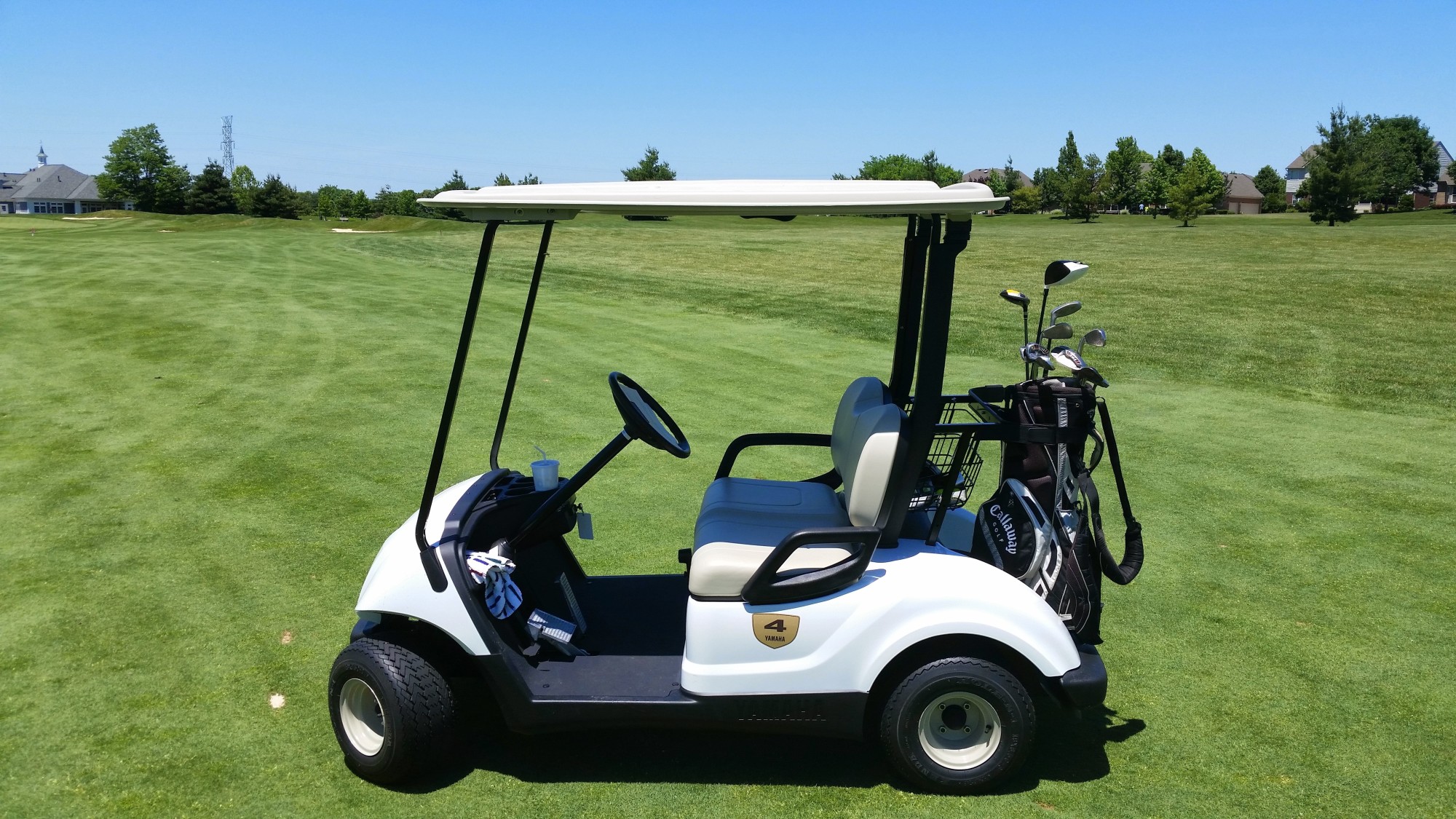
Image Source: buildyourgolfcart.com
Planning Your Golf Cart Build
Building a golf cart begins with good planning. This first step shapes your whole project. Think about what you want your cart to do.
Defining Your Cart’s Purpose
Your cart’s job affects its design. Do you need a simple golf cart for the course? Will it be an off-road utility vehicle construction for tough jobs? Or do you want to build street legal golf cart for town use?
- Golf Course Cart: Light, quiet, easy to drive. Focus on comfort.
- Off-Road Utility Cart: Strong frame, big tires, powerful motor. Needs tough suspension.
- Street Legal Cart: Must meet road laws. Needs lights, signals, mirrors, and seatbelts.
- Custom Cart: Mix and match ideas. Make it unique.
Your choice here guides all other decisions. A sturdy off-road frame is different from a light golf course frame. Picking the right purpose first saves time.
Gathering Your Homemade Golf Car Plans
Next, you need a plan. Do some research. Look at pictures of golf carts you like. Think about how they are put together. You can find many homemade golf car plans online.
- Sketch Your Design: Draw your cart. Front, side, and top views help.
- Note Dimensions: Write down lengths, widths, and heights. This helps with the frame.
- Choose Components: Decide on the motor type. Pick battery size. Think about tires.
- Small Electric Vehicle Design: If making an electric cart, plan where all the electric golf cart components will go. Think about battery placement. This is key for good balance.
Having clear plans makes the DIY golf cart assembly easier. It also helps you buy the right parts.
Essential Tools and Safety First
Safety is most important. Always wear proper gear. A DIY golf cart assembly needs some special tools.
- Welder: You will need one for the frame. A MIG welder is good for beginners.
- Angle Grinder: For cutting metal and shaping parts.
- Drill: For making holes.
- Measuring Tools: Tape measure, ruler, square. Be exact.
- Wrenches and Sockets: For tightening bolts.
- Metal Saw: For cutting tubing cleanly.
Safety Gear:
- Welding Helmet: Protects your eyes and face.
- Safety Glasses: Wear these when grinding or drilling.
- Gloves: Protect hands from heat and sharp edges.
- Ear Protection: Loud tools can hurt ears.
- Fire Extinguisher: Keep it near when welding. Metal work can cause sparks.
Work in a clear, well-lit area. Make sure it is free from fire risks. Never rush. Take your time.
Getting Your Parts Ready
After planning, it is time to get the parts. This is a big part of building a battery powered vehicle build. You can buy new parts. You can also look for used parts. Sometimes, a golf cart restoration project can be a source of good used parts.
Picking Electric Golf Cart Components
Most DIY golf carts are electric. They are quieter and easier to power.
- Motor: This is the heart of your cart.
- DC Motors: Common and simple. Good for basic carts.
- AC Motors: More power, better control. Cost more.
- Match the motor size to your cart’s needs. A bigger cart needs a bigger motor.
- Controller: This acts like the brain. It tells the motor what to do. It controls speed.
- Match the controller to your motor.
- They must work together.
- Batteries: These store the power.
- Lead-Acid Batteries: Common, cheaper. Need more care. Heavier.
- Lithium-Ion Batteries: Lighter, last longer. Cost more.
- You will need several batteries. They link together.
- Proper battery choice is vital for a strong battery powered vehicle build.
- Charger: You need a charger to fill up your batteries. It must match your battery type.
Other Key Parts You Will Need
Beyond the main electric parts, you will need many other items.
- Transaxle: This is the rear axle and gear box. It sends power from the motor to the wheels. Many used transaxles from other carts work well.
- Steering Gear: A rack and pinion system is common. It makes steering easy.
- Suspension: Shocks and springs absorb bumps. They make the ride smooth.
- Front suspension: A-arms or kingpins.
- Rear suspension: Leaf springs or coil springs.
- Brakes: These stop the cart.
- Disk brakes offer strong stopping power.
- Drum brakes are simpler.
- You need a brake pedal and lines.
- Wheels and Tires: Choose tires based on where you drive.
- Turf tires for golf courses.
- All-terrain tires for off-road.
- Seats: Comfort is key.
- Body Panels: These cover the frame. You can use metal, plastic, or fiberglass.
- Lights: Headlights, taillights, turn signals. Important for street legal carts.
- Wiring: Many feet of wire. Choose the right size for safety.
- Fuses and Relays: Protect your electrical system.
- Accelerator Pedal: Controls speed.
- Key Switch: Turns the cart on and off.
Table 1: Common Golf Cart Components
| Component Group | Key Items | Purpose |
|---|---|---|
| Powertrain | Electric Motor, Controller, Batteries, Charger | Provides power and controls speed |
| Drivetrain | Transaxle, Axles, Drive Shafts | Transfers power from motor to wheels |
| Steering | Steering Wheel, Steering Column, Steering Rack | Guides the cart’s direction |
| Suspension | Shocks, Springs, Control Arms, Leaf Springs | Absorbs bumps, provides a smooth ride |
| Brakes | Brake Pedal, Master Cylinder, Calipers/Drums | Stops the cart safely |
| Chassis | Steel Tubing, Brackets | The main frame that holds everything |
| Body | Body Panels, Seats, Roof, Windshield | Provides comfort, safety, and appearance |
| Electrical | Wires, Fuses, Lights, Key Switch, Horn | Powers accessories and safety features |
| Wheels | Rims, Tires | Enables movement and traction |
Building the Custom Golf Cart Chassis
The chassis is the backbone of your cart. It holds everything together. This is a main golf cart fabrication step. A strong chassis is vital for safety.
Choosing Frame Material
Steel is the most common material for a custom golf cart chassis. It is strong and easy to work with.
- Square Steel Tubing: This is a good choice. It is easy to cut and weld. Common sizes are 1×2 inch or 1.5×2 inch.
- Round Steel Tubing: Also strong. Harder to bend neatly without special tools.
- Aluminum: Much lighter. But it is harder to weld. It costs more too.
- Thickness: Do not use thin metal. It needs to be strong enough. About 0.120 inches (1/8 inch) thick is good.
Think about how much weight your cart will carry. A heavy off-road utility vehicle construction needs a very sturdy frame.
Golf Cart Fabrication Steps for the Frame
Building the frame is a key part of golf cart fabrication steps. It needs care and good welds.
- Measure and Cut: Use your plans. Cut all metal pieces to exact lengths.
- Layout: Lay out the main frame parts on a flat surface. A concrete floor is good. Make sure it is square.
- Tack Weld: Use small, temporary welds to hold the pieces in place. Check your measurements again.
- Full Weld: Once everything is square, make strong, full welds. Weld all sides of each joint.
- Add Crossmembers: These are pieces that go across the frame. They add strength. They also provide places to mount parts.
- Build Mounts: Weld on brackets for the motor, suspension, and steering.
- Check for Square: Keep checking your frame. Use a large square and tape measure. A crooked frame makes everything else hard.
- Clean Up: Grind down any rough welds. Make it smooth.
Table 2: Basic Chassis Dimensions (Example)
| Measurement Area | Example Dimensions (Inches) | Purpose |
|---|---|---|
| Overall Length | 90 – 110 | Fits most garages and offers good wheelbase |
| Overall Width | 45 – 50 | Standard for golf carts, fits paths |
| Wheelbase | 60 – 70 | Affects stability and turning radius |
| Ground Clearance | 5 – 12 (depending on use) | Higher for off-road, lower for golf course |
| Frame Height | 10 – 15 (from ground) | Determines seating position |
Mounting Points and Brackets
Every major part needs a place to sit on the frame. These are mounting points. They are often metal tabs or plates. You weld them to the frame.
- Motor Mounts: Strong plates to hold the motor.
- Suspension Mounts: Places for shocks, springs, and control arms. These take a lot of stress.
- Steering Mounts: To hold the steering box or rack.
- Battery Tray: A strong, flat area for batteries. It should be low for stability.
- Seat Mounts: Simple brackets for the seats.
Plan these carefully. They must be strong enough for the weight and forces they will handle.
Assembling the Powertrain
This is where your golf cart comes alive. An electric golf cart components list includes the motor, controller, and batteries.
Installing the Motor and Transaxle
The transaxle is a key part of your battery powered vehicle build. It combines the axle and a simple gear box.
- Mount the Transaxle: Bolt or weld the transaxle to the rear of the chassis. Make sure it is straight. It drives the rear wheels.
- Mount the Motor: Bolt the electric motor to the transaxle. There is usually a specific mount for this.
- Connect Motor to Transaxle: Ensure the motor shaft connects properly to the transaxle input. This may involve a coupler or a direct bolt-on.
- Check Alignment: Everything must line up well. Poor alignment can cause wear.
This step is crucial for the DIY golf cart assembly.
Placing the Batteries
Batteries are heavy. Their placement affects how your cart handles.
- Battery Tray: Use the strong tray you built on your custom golf cart chassis.
- Low and Centered: Place batteries as low as possible. Keep them in the middle of the cart. This helps with balance.
- Secure Them: Use clamps or straps to hold batteries tightly. They should not move.
- Ventilation: Lead-acid batteries can give off gas. Ensure good airflow if using them.
- Wiring Order: Connect batteries in series to get the right voltage (e.g., six 8-volt batteries for 48 volts). Follow a diagram carefully. Connect positive to negative.
Wiring the Controller and Power System
This is where the electrical magic happens. Always follow a wiring diagram. If you are unsure, ask an expert.
- Mount the Controller: Bolt the controller to a clean, dry part of the chassis. Ensure it gets air.
- Main Power Wires: Run thick cables from the battery pack to the controller. Use a main disconnect switch. This is your safety shut-off.
- Motor Wires: Connect the controller to the motor. These are also thick wires.
- Accelerator Pedal Wires: Connect the accelerator pedal to the controller. This tells the controller how much power to send.
- Key Switch Wires: The key switch turns the system on and off. Connect it to the controller’s main power.
- Accessory Wires: Run thinner wires for lights, horn, and other small electric items. Use fuses for these.
- Double-Check All Connections: Loose wires can cause problems. Tighten all connections.
- Insulate: Cover all bare wire ends with electrical tape or heat shrink.
Table 3: Example Electric System Diagram (Simplified)
| Component | Connection From | Connection To | Wire Gauge (Example) | Notes |
|---|---|---|---|---|
| Battery Pack | Main Positive (+) | Controller (B+) | 2 AWG | Series connections between batteries |
| Main Negative (-) | Controller (B-) | 2 AWG | ||
| Controller | Motor Terminal (M+) | Motor (A/F1) | 2 AWG | Consult controller manual |
| Motor Terminal (M-) | Motor (S/A2) | 2 AWG | ||
| Key Switch Input | Key Switch Output | 14 AWG | Low voltage control | |
| Accelerator Input | Accelerator Pedal Sensor | 18 AWG | ||
| Key Switch | Battery Pack (fused +) | Controller (Key Switch Input) | 14 AWG | Turns system on/off |
| Accelerator Pedal | Controller (Accelerator Input) | Throttle Sensor | 18 AWG | Controls motor speed |
| Charger Port | Battery Pack (+) | Charger Input (+) | 8 AWG | For charging batteries |
| Battery Pack (-) | Charger Input (-) | 8 AWG |
Wire gauges are examples; always check your specific component manuals.
Steering, Suspension, and Brakes
These systems make your cart safe and comfortable to drive. They are key parts of the golf cart fabrication steps.
Setting Up Steering
The steering system lets you guide your cart.
- Mount Steering Rack: Bolt the steering rack (or box) to the front of your custom golf cart chassis.
- Steering Column: Install the steering column. It goes from the steering wheel down to the rack. Make sure it is straight.
- Tie Rods: Connect the tie rods from the steering rack to the front wheel hubs. These push and pull the wheels.
- Test Movement: Turn the steering wheel. Make sure the wheels turn smoothly. There should be no binding.
Adding Suspension Components
Good suspension makes the ride smooth. This is important for off-road utility vehicle construction.
- Mount Control Arms: Bolt the upper and lower control arms to the front chassis mounts.
- Install Spindles: Connect the spindles (where the wheels attach) to the control arms.
- Mount Shocks/Springs: Install the shock absorbers and springs. They connect from the chassis to the control arms.
- Rear Suspension: For the rear, leaf springs or coil springs may be used. Mount them to the transaxle and the chassis.
- Check Wheel Travel: Lift and lower the cart. Make sure the wheels move freely. They should not hit the frame.
Installing the Braking System
Brakes are for safety. Do not skip steps here.
- Mount Calipers/Drums: Install brake calipers (for disk brakes) or brake drums (for drum brakes) on the wheel hubs.
- Mount Brake Pedal: Bolt the brake pedal assembly to the chassis. It often has a master cylinder attached.
- Run Brake Lines: Connect brake lines from the master cylinder to each brake caliper/drum. Use special brake line tubing. Bend it carefully. Avoid kinks.
- Bleed the Brakes: This removes air from the brake lines. Air makes brakes spongy. Follow the instructions for your brake system. You will need brake fluid.
- Test Brakes: Press the pedal. It should feel firm. The wheels should stop. Do this many times before driving.
Finishing Touches and Safety Checks
Your cart is almost ready! These steps add comfort and ensure safety. This is the last part of DIY golf cart assembly.
Building the Body and Seating
The body makes your cart look good. It also protects the driver.
- Body Material: You can use sheet metal, plastic, or fiberglass. These are easy to shape.
- Design Panels: Cut and shape side panels, front and rear panels.
- Mounting: Attach panels to your custom golf cart chassis. Use bolts or rivets. Make them easy to remove for service.
- Seats: Install comfortable seats. Make sure they are secure. Seatbelts are a good idea, especially for a build street legal golf cart.
- Roof/Canopy: Add a roof for shade or rain. You can build a simple frame and cover it.
Wiring Lights and Accessories
Lights are needed for night driving and for street legal use.
- Headlights and Taillights: Mount them on the front and rear. Wire them to a switch.
- Turn Signals: Add front and rear turn signals. Connect them to a turn signal switch.
- Horn: Install a horn. Wire it to a button.
- Battery Gauge: A gauge shows how much power you have left. Connect it to the battery pack.
- Fuses: Use fuses for all accessories. They protect wires from too much power.
- Clean Wiring: Keep wires neat. Use zip ties to hold them in place. This prevents rubbing and shorts.
Final Inspection and First Drive
This is the big moment! But be careful.
- Bolt Check: Go over every single bolt on the cart. Make sure they are all tight.
- Fluid Check: If you used a transaxle with oil, check its level. Check brake fluid.
- Tire Pressure: Set tires to the right pressure.
- Electrical Test: Turn on the key. Test all lights, horn, and signals.
- First Drive: Drive slowly in a safe, open area. Test the steering. Test the brakes gently. Accelerate slowly.
- Listen and Feel: Listen for strange noises. Feel for odd vibrations. Stop if anything seems wrong.
- Adjust: You may need to adjust brakes, steering, or suspension. Make small changes until it feels right.
Elevating Your Golf Cart Project
Building a cart from scratch is just the start. You can always make it better.
Customizing for Your Needs
Your homemade golf car plans can include many custom features.
- Paint Job: A fresh coat of paint makes it truly yours.
- Lift Kit: For off-road utility vehicle construction, a lift kit gives more ground clearance.
- Larger Tires: For off-road use, bigger tires give more grip.
- Cargo Bed: Add a small bed in the back for hauling gear. This makes it a true utility vehicle.
- Sound System: Install speakers and a radio for fun.
- Custom Seating: Upgrade to more comfortable or stylish seats.
Every golf cart fabrication step offers chances to personalize your cart.
Maintenance for a Long-Lasting Cart
To keep your cart running well, regular care is important. A golf cart restoration project teaches you how to keep a cart in good shape.
- Battery Care:
- Keep lead-acid batteries clean and watered.
- Charge batteries fully after each use.
- Do not let them run completely dead.
- Tire Pressure: Check tire pressure often. Correct pressure saves power.
- Lubrication: Grease moving parts. Check steering and suspension joints.
- Brakes: Check brake pads/shoes. Ensure they are not worn out.
- Wiring: Check all electrical connections for looseness or corrosion.
- Cleaning: Keep your cart clean. Wash off dirt and mud.
Regular checks extend the life of your battery powered vehicle build. They also keep it safe.
Frequently Asked Questions (FAQ)
How long does it take to build a golf cart?
It really varies. If you work full-time on it, it might take a few weeks. If you work on weekends, it could take several months. It depends on your skill. It also depends on how complex your homemade golf car plans are. A simple cart is faster than a complex off-road utility vehicle construction.
How much does it cost to make a golf cart?
Costs can range a lot. If you use mostly new parts, it might cost $3,000 to $6,000 or more. If you use many used parts or parts from a golf cart restoration project, you might spend $1,500 to $3,000. The motor, controller, and batteries are often the most costly electric golf cart components.
Is it hard to get parts for a custom build?
No, parts are widely available. You can find them online at specialty golf cart stores. Local golf cart shops might have them. Auto parts stores sell general items like steering parts or brake lines. Sometimes, salvaging parts from old golf carts or other small electric vehicle design projects can save money.
Can I make my homemade golf cart street legal?
Yes, you can, but rules vary by state and city. To build street legal golf cart, you will likely need:
* Headlights, taillights, brake lights, and turn signals.
* A horn.
* A windshield and wiper.
* Seatbelts.
* Side mirrors and a rearview mirror.
* A license plate light.
* Vehicle Identification Number (VIN) if you build from scratch.
Check your local Department of Motor Vehicles (DMV) for specific requirements.
What is the hardest part of building a golf cart?
For many, the metal fabrication and welding of the custom golf cart chassis can be challenging. It takes practice to make strong, clean welds. The electrical wiring can also be tricky. It is important to get the electric golf cart components wired correctly for safety. Planning and patience make these steps easier. DIY golf cart assembly is a rewarding process, even with its challenges.