
Uncover: How Many Dimples Does An Average Golf Ball Have
An average golf ball usually has between 300 and 500 dimples. The most common golf ball dimple count is 336 or 392. This design helps the ball fly farther and straighter. Without these small indentations, a golf ball would not perform well. It would flutter and fall much faster than a smooth ball would. This unique look is key to how golf balls work.
The Purpose of Dimples on Golf Balls
Why do golf balls have dimples? It’s a simple question with a complex answer. The main reason is to help the ball fly better. Dimples make the ball go farther. They also make it fly straighter. Without dimples, a golf ball would act like a smooth sphere. It would create a lot of drag. It would fall quickly. This means your golf shots would be very short. They would not go far at all.
Dimples work by changing how air flows around the ball. As the ball flies, air moves over its surface. A smooth ball creates a lot of messy air behind it. This mess pulls the ball back. It makes the ball slow down. This pulling force is called drag. Dimples help to cut down this drag. They do this by making the air flow smoother around the ball. This is a big part of golf ball aerodynamics.
Deciphering Airflow and Drag
Think of a smooth ball flying through the air. The air flow over its front is smooth. But as the air reaches the back, it separates from the ball’s surface too soon. This creates a large, low-pressure area behind the ball. This low-pressure area acts like a vacuum. It pulls the ball backward. This pull is the main source of drag for a smooth sphere.
Now, picture a golf ball with dimples. As it flies, the dimples create a thin layer of air that spins. This spinning air layer stays close to the ball’s surface. It does not separate too soon. This means the air comes back together more smoothly behind the ball. It creates a smaller, high-pressure area. This cuts down the pull. It makes the ball move through the air with less effort. This greatly reduces drag. This is a major dimple benefit golf ball players enjoy.
The Role of Lift in Golf Ball Flight
Dimples do more than just cut down drag. They also help create lift. When a golf ball is hit, it spins. The spin makes the air move differently above and below the ball. This is called the Magnus effect.
As the ball spins, the air flowing over the top moves faster. The air flowing under the bottom moves slower. Faster air has lower pressure. Slower air has higher pressure. This pressure difference pushes the ball upward. This push is called lift. Dimples help to make this effect stronger. They keep the air flow steady. This helps the ball stay in the air longer. This adds more distance to your shots.
Grasping Golf Ball Dimple Theory
The science behind golf ball dimples is a field called aerodynamics. This is the study of how air moves and how objects move through air. For golf balls, the goal is to make them fly as far and straight as possible. This involves dealing with air resistance.
Delving into Boundary Layers
Every object moving through air has a thin layer of air clinging to its surface. This is called the boundary layer. For a smooth ball, this layer is “laminar.” This means the air flows in smooth, even lines. But a laminar boundary layer is very sensitive. It separates from the ball’s surface too early. This causes the large drag mentioned before.
Dimples change this laminar boundary layer into a “turbulent” one. This means the air within this layer becomes more mixed up. It swirls and tumbles. This might sound bad, but it is actually good for golf balls. A turbulent boundary layer is more robust. It sticks to the ball’s surface longer. It delays the point where the air separates. This shift in separation point makes a huge difference. It leads to the smaller, high-pressure wake behind the ball. This is key to how dimples reduce drag. It is a core part of golf ball dimple theory.
The Concept of Drag Reduction
There are two main types of drag affecting a golf ball:
* Pressure Drag: This is the big one. It comes from the difference in pressure between the front and back of the ball. Dimples dramatically cut down pressure drag.
* Friction Drag: This comes from the air rubbing against the surface of the ball. Dimples actually increase friction drag a little bit. Their rough surface creates more friction.
However, the huge cut in pressure drag far outweighs the small rise in friction drag. So, the total drag on a dimpled golf ball is much less than on a smooth ball. This lets the ball fly farther. This is why golf balls have dimples. This is the essence of golf ball aerodynamics.
Dimple Patterns Golf Balls Showcase
Not all dimples are the same. Golf ball design dimples involve many choices. Manufacturers spend millions of dollars on research. They look for the best dimple patterns golf balls can have. They test different shapes, sizes, and depths. They also look at how dimples are arranged on the ball.
Varieties in Dimple Shapes
Most golf balls have round dimples. But some brands use other shapes. These might include hexagons or other geometric designs.
* Round Dimples: These are the most common. They are simple and effective. They offer a good balance of drag reduction and lift.
* Other Shapes: Some companies experiment with non-round dimples. They try to find small edges in performance. These might change air flow in unique ways. They are less common but show ongoing innovation in golf ball design.
Varying Dimple Sizes and Depths
Dimples are not all the same size on one ball. A golf ball might have dimples of different sizes. They might also be at different depths.
* Size Differences: Some balls use large dimples mixed with small dimples. This mix can help fine-tune the airflow. It helps the ball fly well at different speeds.
* Depth Differences: Dimples can be shallow or deep. Deeper dimples might create a stronger turbulent boundary layer. Shallower dimples might be better for spin. Designers play with these factors. They aim for the best flight path.
Arrangement and Coverage of Dimples
The way dimples are placed on the ball matters a lot. This is called the dimple pattern.
* Symmetry: Most golf balls have a very symmetrical pattern. This makes the ball fly the same way no matter how you hit it. It ensures stable flight.
* Full Coverage: Dimples cover almost the entire surface of a golf ball. There is usually a small smooth area around the brand logo. But the rest is covered.
* Number and Density: The number of dimples changes with the pattern. Some patterns pack more dimples into a small space. Others spread them out more. This leads to the different average golf ball dimple number.
Here is a look at common dimple counts and some brands that use them:
| Dimple Count | Common Characteristics | Example Brands/Models (Illustrative) |
|---|---|---|
| 336 | Very common, classic count, good balance | Titleist Pro V1, Callaway Chrome Soft |
| 392 | Another very common count, often seen on higher-spin balls | TaylorMade TP5, Bridgestone Tour B |
| 360 | Used by some manufacturers for specific flight traits | Srixon Z-Star |
| 350 | Less common but present, aims for unique flight | Certain Wilson Staff models |
| 432 | Higher count, can reduce drag further | Some older Nike balls, specific Callaway models |
| 500+ | Less common, experimental, very fine dimples | Some experimental or niche designs |
This table shows that golf ball dimple count is not fixed. It changes based on the brand and the specific ball model. Each design aims for a slightly different flight path.
Optimal Dimple Count Golf Designs Target
Is there an optimal dimple count golf ball manufacturers aim for? Not a single one. There is a range that works best. Most golf balls have between 300 and 500 dimples. The sweet spot seems to be in the 300-400 range. But some designs go higher.
The Balance Act of Design
Finding the perfect dimple count is like a juggling act.
* Too Few Dimples: The ball would act more like a smooth sphere. It would have too much drag. It would not fly far.
* Too Many Dimples: If dimples are too small or too close together, they might not work as well. The air might not get enough space to form the helpful turbulent layer. The ball might also spin too much, which can be bad.
Manufacturers also need to think about the type of player. A golf ball for a pro golfer might have a different dimple pattern than one for a casual player. Pro golfers want more control and spin. Casual players might want more distance and a straighter flight. This is part of golf ball design dimples.
The goal is to find the best mix of:
* Distance: How far the ball goes.
* Trajectory: How high the ball flies.
* Spin: How much the ball spins in the air.
* Feel: How the ball feels when hit.
All these factors are linked to the dimple pattern. The average golf ball dimple number is a result of trying to balance these things.
PGA Golf Ball Specifications and Rules
Golf balls must meet strict rules set by golf’s governing bodies. These include the R&A and the USGA. These rules affect everything about the ball. This includes its size, weight, and how it performs. While these rules do not set a specific golf ball dimple count, they do impact dimple design.
Key Regulations for Golf Balls
- Weight: A golf ball cannot weigh more than 1.620 ounces (45.93 grams).
- Size: A golf ball cannot be smaller than 1.680 inches (42.67 mm) in diameter.
- Symmetry: The ball must be designed to be generally symmetrical. This means it flies predictably. This affects dimple patterns golf balls use. The dimples must be arranged evenly.
- Initial Velocity: When tested, the ball cannot go faster than a certain speed. This prevents balls from being too “hot” or too long. Dimple design plays a role in this.
These rules ensure fairness in the game. All players use balls that perform within a set range. Manufacturers cannot make a ball that goes much farther than others. This is why you see a somewhat consistent average golf ball dimple number across brands. They are all working within the same set of rules.
The History of Dimples: A Fathoming
The idea of dimples on golf balls did not come about overnight. It was a discovery made by chance.
The Early Days of Golf Balls
In the early days of golf, balls were smooth. They were made of wood or leather stuffed with feathers. These “featherie” balls were expensive and did not fly far. Then came the “gutta-percha” balls in the mid-1800s. These were made from a rubber-like tree sap. At first, they were smooth.
The Accidental Discovery
Golfers started to notice something strange. Old, damaged gutta-percha balls flew better than new, smooth ones. The nicks and cuts on the old balls helped them fly farther. Players would even intentionally rough up their new balls. They would use hammers or knives to make marks. They did this to improve flight. This was the start of the dimple concept.
The Birth of Purpose-Built Dimples
Manufacturers soon caught on. They started making balls with patterns on them. These were called “brambles.” They looked like berries. These were the first intentional dimples. Over time, the bramble pattern changed into the round dimples we know today. The first golf ball with modern dimples came out in the early 1900s. The science behind golf ball dimple theory was then studied in detail. Engineers started to truly understand why these small marks made such a big difference. This led to rapid improvements in golf ball performance.
The Evolution of Golf Ball Design Dimples
Since the early 20th century, golf ball design has come a long way. The dimple has been at the heart of this progress.
Advances in Dimple Technology
Modern dimple designs are highly complex. They use advanced computer models. These models predict how air will flow around the ball. This helps designers create the perfect dimple pattern.
* Computer Simulations: These programs can test thousands of dimple patterns. They can find the best ones without needing to make physical balls.
* Robotic Testing: Once a design is chosen, robots hit the balls. They measure flight paths with great accuracy. This gives real-world data.
* Material Science: The materials used to make golf balls also play a big part. The outer cover must be durable. It must also hold the dimple shape well.
All these tools help companies refine the average golf ball dimple number. They aim for the very best performance.
Dimples and Spin Control
Dimples do not just affect distance. They also affect how much the ball spins.
* High Spin: Some dimple designs promote more spin. This gives skilled golfers more control. They can make the ball stop quickly on the green.
* Low Spin: Other designs reduce spin. This helps golfers who want more distance. It also helps reduce hooks and slices. These are common bad shots.
The dimple patterns golf balls show are chosen for a reason. Each design serves a specific goal. This shows the depth of golf ball design dimples.
Dimple Benefits Golf Ball Players Enjoy
The humble dimple offers many benefits to golfers. These benefits make the game more enjoyable and more fair.
Greater Distance and Accuracy
This is the most obvious benefit. Dimples allow golf balls to fly much farther. They cut down drag. They also create lift. This means you can hit the ball farther down the fairway. The more stable flight also means better accuracy. The ball flies straighter. It is less affected by wind. This means fewer lost balls. It also means lower scores.
Consistent Flight
The symmetry of dimple patterns means the ball flies the same way every time. No matter how the ball is oriented when you hit it, the aerodynamics are consistent. This predictability is vital for golfers. It allows them to trust how the ball will behave. This leads to more confident swings.
Wider Range of Ball Choices
Because dimples can be designed for different flight traits, there is a wide range of golf balls available.
* Distance Balls: These balls often have fewer, larger dimples. They aim for maximum distance.
* Spin Balls: These balls might have more, shallower dimples. They offer more control around the green.
* Overall Performance Balls: Many balls try to balance distance, spin, and feel. Their dimple patterns reflect this balance.
This choice allows golfers to pick a ball that suits their style of play. It also helps them improve their game. The average golf ball dimple number varies to meet these different needs.
The Future of Golf Ball Dimples
What’s next for golf ball dimples? While the basic dimple theory remains the same, innovation continues.
* New Materials: As new materials are developed, golf ball covers might change. This could lead to new ways to create dimples.
* Smart Balls: Some companies are exploring “smart” golf balls. These might have embedded sensors. Dimple design could play a role in how these sensors interact with the ball’s flight.
* Adaptive Dimples: Perhaps one day, dimples could change based on conditions. This is a far-off idea, but shows the scope of thinking.
For now, the focus remains on refining current designs. Companies will continue to adjust the golf ball dimple count. They will tweak dimple patterns. They will look for tiny gains in performance. The goal is always to help golfers hit the ball better.
In conclusion, the average golf ball dimple number is not random. It is the result of deep science and careful design. These small marks are the secret to why a golf ball flies so far. They turn a simple sphere into an aerodynamic marvel. They are crucial to the game of golf as we know it.
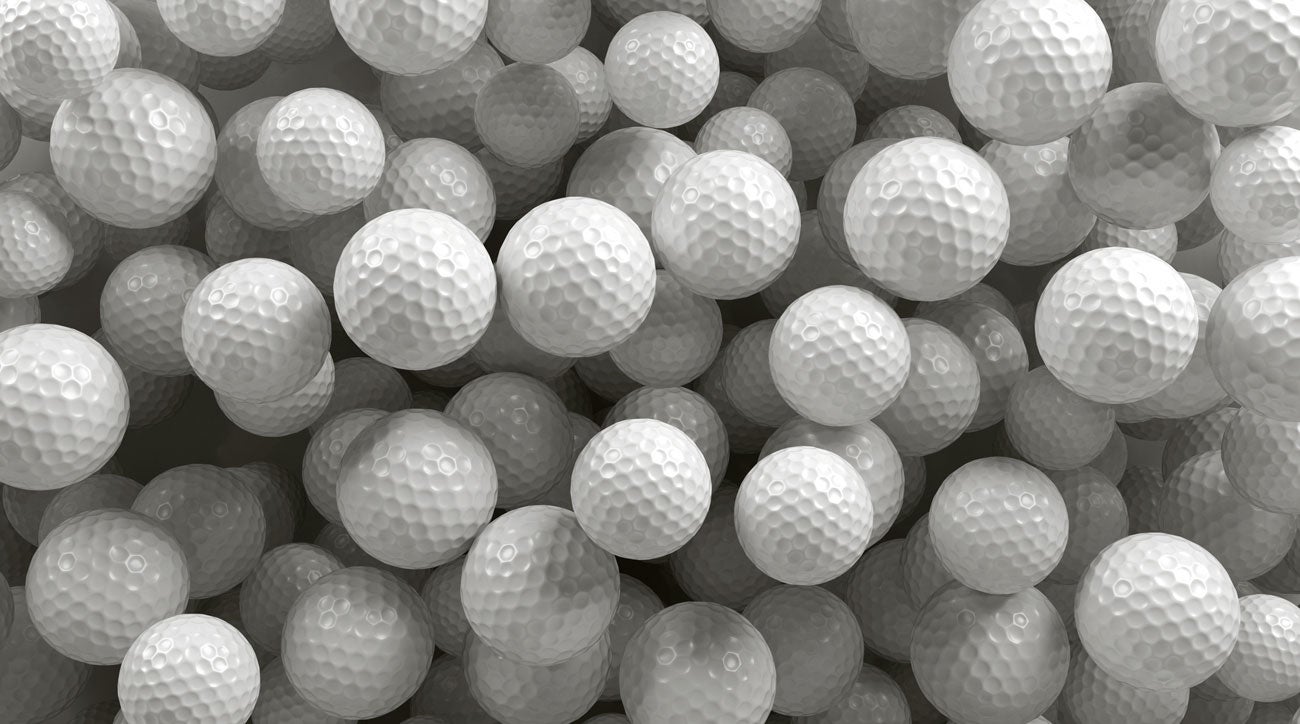
Image Source: golf.com
Frequently Asked Questions (FAQ)
Does the Number of Dimples Affect Ball Speed?
No, not directly. The number of dimples mainly affects how much drag the ball creates and how much lift it gets. It helps the ball keep its speed longer. It does not make the ball leave the clubface faster. Ball speed from the club comes from how hard you hit it.
Are All Golf Ball Dimples the Same Size?
No, not on a single ball. Many golf balls use dimples of different sizes. They might also have different depths. This helps optimize the ball’s flight. It helps it perform well at various speeds and spin rates. This is a common part of golf ball design dimples.
Can a Golf Ball Have Too Many Dimples?
Yes, in a way. If dimples become too small or too packed, they might not work as well. There is a point of diminishing returns. Too many dimples might increase friction drag without offering more benefits. It is all about finding the right balance for the golf ball dimple count.
Do Dimples Help the Ball Spin More or Less?
Dimples can affect both. Some dimple patterns are designed to help the ball spin more. This is good for control around the green. Other patterns are designed to reduce spin. This is good for distance and straighter shots. It depends on the specific dimple patterns golf balls use.
Are There Rules About Dimples in Golf?
The rules of golf do not say how many dimples a ball must have. They do not set specific dimple patterns. But they do have rules about the overall size, weight, and symmetry of the ball. These rules ensure that golf balls fly fairly. This indirectly affects dimple design, as it must fit within these rules. This is part of the PGA golf ball specifications.