
Image Source: i.ytimg.com
The Official Answer: How Big Is The Hole In Golf Regulation?
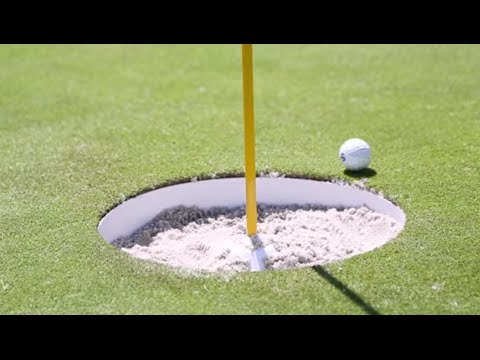
A golf hole has a clear size. It is 4.25 inches across (108 mm) at its top. The hole must also be at least 4 inches deep (101.6 mm). These exact sizes are set by the Rules of Golf. These rules come from two main groups: the United States Golf Association (USGA) and The R&A. They work together to make sure golf is fair and the same for everyone, everywhere. This means the USGA golf hole dimensions match R&A golf cup regulations. So, whether you play in America, Europe, or anywhere else, the standard golf hole diameter is always the same.
A Peek into History: How the Size Came to Be
The size of the golf hole was not always fixed. Early golf was very different from what we see today. The game grew over hundreds of years in Scotland. At first, golfers would just play to a marker, like a stone or a tree. Later, they started to dig holes. But the holes were not all the same size. There was no real official golf hole measurement that everyone used.
Early Days of Golf Holes
Think about golf’s early days. People played on open land. There were no fancy courses. Golfers made their own holes. They might use a shovel or even their hands. Because of this, the holes were all different. Some were wide, some were narrow. Some were shallow, and some were deep. This made the game uneven. It was hard to compare scores from one course to another. There was no real golf hole design standard.
The first known record of a formal golf hole size came from a specific club. It was about making the game fair. As golf became more popular, people wanted clearer rules. They wanted to make sure everyone played by the same setup. This was a big step towards the golf we know today.
The Birth of the 4.25-Inch Standard
The exact size of the golf hole we use today has an interesting story. It came from a decision made at the famous St Andrews Links in Scotland. In 1829, the Royal and Ancient Golf Club of St Andrews got a new tool. It was a hole cutter. This cutter made holes that were 4.25 inches across.
Why that exact size? No one knows for sure. Some say it was just the size of the cutting tool they bought. Others think it was a good balance. It was big enough to be fair, but small enough to be a good challenge. Whatever the reason, this size stuck.
By 1891, The R&A made it a rule. They said all golf holes should be 4.25 inches in diameter. The USGA, which formed later in the United States, also adopted this rule. This created a single, worldwide standard. Now, golf hole specifications were clear. This meant that a golf ball (which is 1.68 inches wide) had to fit into a hole just over twice its size. This tight fit makes putting a skill test.
The Rules That Guide Play: Key Dimensions
The Rules of Golf are like the law for the game. They cover everything, from how to swing to where to stand. They also give very clear rules about the golf hole. These rules make sure the game is fair for everyone. They say exactly how big the hole must be. This is important for both the standard golf hole diameter and the golf hole depth rule.
The Standard Golf Hole Diameter Explained
The rule is very simple: the hole must be 4.25 inches (108 mm) across. This is measured from one edge of the hole to the other. It means that the circle of the hole must have this exact width. This size is very important for the game. If the hole were bigger, putting would be easier. If it were smaller, it would be much harder. The 4.25-inch size offers a good test of skill. It makes golfers work to sink their putts. This golf hole measurement is known all over the world. It is the same for pro players and weekend golfers.
The Golf Hole Depth Rule Defined
The rules also talk about how deep the hole must be. It says the hole must be at least 4 inches (101.6 mm) deep. There is no maximum depth, but most holes are not much deeper than 6 to 10 inches. This depth is important for a few reasons.
Why Depth Matters
- To hold the ball: A hole must be deep enough so a ball, once putted in, stays in. It should not bounce out or sit on the edge. The ball must fully drop below the surface of the green. This makes sure there is no question about whether the ball is “holed.”
- Fair play: If holes were too shallow, balls might pop out easily. This would make the game unfair. The depth helps confirm that a putt is truly finished.
- Protecting the flagstick: The flagstick, which shows where the hole is, sits inside the cup. The depth allows the flagstick to stand firm. It does not wobble or fall over easily.
- Green care: The depth also helps protect the edge of the hole. When the hole is deep enough, the edges are less likely to break down. This helps keep the putting green in good shape.
So, the golf hole depth rule works with the diameter rule. Together, they make sure the hole is just right for fair play.
The Anatomy of the Golf Cup: More Than Just a Can
When you see a golf hole, you are not just seeing a hole dug in the ground. Inside that hole is a special liner. This liner is called the “cup” or “hole liner.” It is a key part of the golf hole specifications. The cup helps keep the hole in shape. It also makes sure the hole meets all the rules.
What is a Golf Cup?
A golf cup is a cylinder. It is put into the hole that is cut into the green. It has an inside diameter that matches the standard golf hole diameter of 4.25 inches. The cup is usually made of metal, like aluminum, or strong plastic. It has a flange, or rim, at the top. This rim sits flush with the surface of the green. This means it is level with the grass. It should not stick up or sink down.
The cup has a small tube in the center. This tube holds the flagstick. The flagstick is the pole with the flag on top. It shows golfers where the hole is. The tube keeps the flagstick straight and steady.
Golf Hole Design Standards and Materials
The design of the golf cup is simple but important. It must be strong enough to last. It also needs to be easy to install and remove.
- Materials: Most cups are made from durable materials. Aluminum is common because it is light but strong. Plastic cups are also used. They are often cheaper and can stand up to different weather conditions. The material must not bend or break easily.
- Dimensions: The
golf cup sizematches the hole itself. The inner diameter must be 4.25 inches. The depth of the cup is also important. It matches thegolf hole depth rule. This ensures the ball drops completely inside. - Drainage: Many cups have small holes at the bottom. These holes help water drain out. This stops the cup from filling up with water. It keeps the hole dry and ready for play.
- Visibility: While the cup itself is usually white, the flagstick and flag are colorful. This helps golfers see the hole from far away. The
golf hole design standardsensure the whole setup is practical for play.
The cup plays a vital role. It keeps the hole’s shape. It supports the flagstick. It also helps protect the edges of the green. Without the cup, the hole would quickly get damaged from balls dropping in and golfers walking around it.
Making It Fair: Setting Up and Caring for the Hole
Greenkeepers, the people who take care of golf courses, have a big job. They must make sure the holes are set up correctly. They also need to keep them in good shape. This is part of maintaining fair play. It ensures the rules of golf hole dimensions are met every day.
How Holes Are Placed
Greenkeepers decide where to put the hole on the green. They use a special tool to cut a new hole. They often move the hole to a new spot each day, or every few days. This helps keep the green healthy. It spreads out the wear and tear from golfers walking and balls landing.
When choosing a spot, greenkeepers follow certain rules:
- Fairness: The hole should not be too close to the edge of the green. It should also not be on a severe slope. This makes sure the hole is fair for all players.
- Green health: They pick spots that are not too wet or too dry. They avoid areas that get too much foot traffic. This helps the grass stay healthy.
- Variety: Moving the hole makes the course play differently each day. This keeps the game interesting for regular players.
After cutting a new hole, the old plug of turf (grass and soil) is used to fill the old hole. This helps the green heal quickly.
Keeping the Hole Safe
The hole and cup need constant care. This includes:
- Cleaning: Greenkeepers often clean out the cup. They remove dirt, leaves, or bugs. This makes sure the ball can drop cleanly.
- Checking the rim: The top edge of the cup should be level with the green. If it is not, it can affect how the ball rolls. Greenkeepers check this often and adjust the cup if needed.
- Flagstick care: They make sure the flagstick is straight and the flag is not ripped. A good flagstick helps golfers see the hole clearly.
- Preventing damage: Sometimes, golfers take out the flagstick roughly. Or they might lean on the flagstick. This can damage the cup or the hole edges. Greenkeepers try to fix any damage quickly. They want the hole to stay perfect.
Proper care ensures that the golf hole specifications remain true day after day.
How Hole Size Changes the Game
The size of the golf hole has a huge impact on how the game is played. The 4.25-inch diameter is a key part of golf’s challenge. It affects strategy, skill, and even how golfers feel about their game.
Its Effect on Putting
Putting is a very precise part of golf. The small size of the hole makes it a true test of skill.
- Precision: To sink a putt, the ball must travel in a very exact line. It also needs the right speed. A slight miss in line or speed will cause the ball to miss the hole. The
standard golf hole diametermeans there is very little room for error. - Challenge: This small target makes putting hard. It adds to the excitement of the game. It makes a successful putt feel very rewarding. It also makes golfers practice their putting a lot.
- Mental Game: The tiny target can play tricks on a golfer’s mind. Some golfers feel a lot of pressure when trying to sink a short putt. This mental challenge is a big part of golf. It adds to the game’s depth.
Talks About Different Sizes
Sometimes, people talk about changing the size of the golf hole.
- Bigger holes: Some suggest making the hole bigger. This would make putting easier. It might help new players enjoy the game more. It could also speed up play. For example, some fun rounds or practice courses might use 8-inch or 15-inch holes. This is often called “big cup” golf.
- Smaller holes: Others have suggested making the hole smaller. This would make golf even harder. It would push the limits of putting skill. But most people agree the current size is a good balance.
However, for official golf, the 4.25-inch standard remains firm. It has been that way for over a century. Any change would likely mean a huge shift in the sport. It would change records, course design, and equipment. The official golf hole measurement is deeply set in the game.
Golf on the Big Stage: PGA Tour Hole Size
When you watch golf pros on TV, you might wonder if their holes are special. Do PGA tour hole size rules differ from local courses? The answer is simple: no.
Are Pro Holes Different?
Professional golf tournaments, like those on the PGA Tour, follow the exact same Rules of Golf. This means the hole on every green is 4.25 inches (108 mm) across. It is also at least 4 inches (101.6 mm) deep.
- Consistency: This strict rule ensures fairness. Every golfer, from the newest amateur to the top pro, faces the same target. This makes sure that skill, not a different hole size, decides who wins.
- Global Standard: The USGA and The R&A rules apply to all organized golf. This includes major championships, Olympic golf, and all professional tours worldwide. There is no special
golf hole sizefor pros. - Precision in Setup: While the size is the same, the setup on a PGA Tour course is even more precise. Greenkeepers at these events work hard. They make sure the hole is cut perfectly. They check the cup often. This ensures the playing conditions are as good as they can be.
So, when you see a pro sink a long putt, they are doing it into the same size hole you play into. This adds to the challenge and excitement of watching top-level golf.
Global Rules: How USGA and R&A Work Together
Golf is played all over the world. To keep the game fair and the same everywhere, there needs to be one set of rules. This is where the USGA and The R&A come in. They are the two main groups that write and update the Rules of Golf.
A Single Set of Rules
- USGA: The United States Golf Association sets the rules for golf in the U.S. and Mexico.
- The R&A: Based in Scotland, The R&A sets the rules for golf in over 140 countries around the world.
These two groups work very closely. They make sure their rules are the same. This includes the rules of golf hole dimensions. They talk to each other. They agree on all changes to the rules. This partnership means that the standard golf hole diameter of 4.25 inches is truly global. It is a shared standard.
This unity is very important for golf. It means:
- Fair Competition: No matter where you play, the basic setup of the game is the same. This makes results comparable.
- Ease of Play: Golfers can travel and play anywhere. They do not need to learn new rules for hole sizes.
- Tradition: It helps keep the sport’s long history and traditions alive. The fixed hole size is a big part of that.
This global teamwork ensures that USGA golf hole dimensions are in harmony with R&A golf cup regulations.
Making the Parts: Precision in Golf Equipment
The golf hole does not just appear. It needs tools to be made and maintained. The manufacturing of these tools must be very precise. This helps ensure that the golf hole specifications are always met.
Building Hole Cutters and Cups
- Hole Cutters: These are special tools that greenkeepers use. They cut a perfect 4.25-inch circle of grass and soil from the green. These cutters must be made to exact sizes. If the cutter is off by even a small amount, the hole will not be standard. Manufacturers use high-quality materials and strict checks. This ensures the cutters make holes that meet the
standard golf hole diameter. - Golf Cups: The cups, or liners, that fit into the hole also need precise making. Their inner diameter must be exactly 4.25 inches. Their depth must allow the ball to drop at least 4 inches below the green. Manufacturers use strong metals or plastics. They also make sure the top rim of the cup is flat. This stops it from interfering with a rolling ball. The
golf cup sizeis critical.
The companies that make these parts are key to keeping golf fair. Their dedication to precision helps uphold the official golf hole measurement around the world.
Keeping the Green Perfect: Daily Hole Care
Taking care of the golf course is a non-stop job. Greenkeepers are the unsung heroes. They work hard to keep the greens in top shape. A big part of their job is the daily care of the golf hole. This makes sure play is always fair and fun.
Greenkeepers’ Daily Tasks
Each day, or every few days, greenkeepers do certain tasks related to the hole:
- Cutting New Holes: They often move the hole to a new spot on the green. This helps the grass recover from traffic around the old hole. They use a special cutter to make a perfect 4.25-inch hole.
- Placing the Cup: After cutting, they carefully put the
golf cupinto the new hole. They make sure its rim is exactly level with the grass. If it is too high, it can stop a ball. If it is too low, it can cause problems. - Checking Depth: They confirm the hole is at least 4 inches deep. This ensures the ball can fully drop in.
- Maintaining the Plug: The grass plug from the new hole is used to fill the old one. Greenkeepers make sure this plug fits tightly and is level with the surrounding grass. This helps the old spot heal quickly.
- Cleaning the Cup: They clean out any dirt, leaves, or debris from inside the cup. A clean cup lets the ball drop freely.
- Flagstick Check: They ensure the flagstick is straight and firm in the cup. They check the flag for rips or damage.
All these tasks are vital. They ensure that every golf hole on the course meets the rules of golf hole dimensions. This constant care helps maintain the quality and fairness of the game.
Fun Alternatives: When Rules Don’t Apply
While the standard golf hole diameter is fixed for official play, there are times when different hole sizes are used. These are usually for fun, practice, or to help beginners. They are not for serious, rule-bound golf.
Bigger Holes for Fun
- Casual Play: On a casual round with friends, some courses might offer “big cup” golf. These holes can be 8 inches or even 15 inches wide. This makes putting much easier. It can speed up the game. It also helps new players feel more success.
- Practice Greens: Some practice putting greens have different sized holes. This helps golfers work on different putting skills. For example, a very small hole might be used to improve precision. A very large hole might be used for speed control practice.
- Special Events: Sometimes, charity events or fun outings might use larger holes. The goal is to make the game more inclusive and enjoyable for everyone.
It is important to remember these are not official golf hole specifications. They are just for fun or training. They do not change the core rules of golf. The 4.25-inch hole remains the gold standard for proper play.
The Mind Game: How Hole Size Affects Golfers
Golf is a game of skill, but it is also a game of the mind. The size of the hole plays a big role in this mental battle. It affects how golfers think, feel, and play.
The Mental Challenge
- Focus: A small target makes golfers focus hard. When standing over a putt, the tiny hole seems even smaller. This demands intense concentration.
- Pressure: Short putts, especially those to win a match, can cause huge pressure. Even though the hole is the same size, it can feel like it shrinks. This mental pressure is a big part of the game’s challenge.
- Confidence: Sinking a difficult putt into the small
golf cupbuilds a golfer’s confidence. It feels like a big achievement. Missing an easy one can be very frustrating. - Visual Impact: The visual of the small hole against the wide green makes it clear that golf is a game of fine margins. Every stroke counts.
The 4.25-inch hole is not just a physical target. It is a mental hurdle. It forces golfers to be precise. It tests their nerves. It is a key reason why golf is so rewarding and sometimes so frustrating. This small target creates endless drama on the green.
Frequently Asked Questions (FAQ)
Q: Is the golf hole size the same for men and women players?
A: Yes, absolutely. The standard golf hole diameter and depth are the same for all golfers. This includes men, women, amateurs, and professionals. The rules apply to everyone equally.
Q: Do miniature golf holes follow the same rules?
A: No, miniature golf (or putt-putt) has its own rules and hole sizes. They are not governed by the USGA golf hole dimensions or R&A golf cup regulations. Miniature golf holes can be much larger or have different shapes.
Q: Can a golf course use a different hole size if it wants to?
A: For official play or rounds that count towards a handicap, no. A course must follow the rules of golf hole dimensions. However, for fun events or casual play, a course might use larger, temporary holes. These would not be for scores that follow official golf rules.
Q: Why don’t they make the golf hole bigger to make the game easier?
A: The current golf hole size is a core part of golf’s tradition and challenge. Making it bigger would change the game too much. It would reduce the skill needed for putting. While some people like the idea for fun play, the main groups that run golf believe the current size offers the best balance of challenge and fairness.
Q: How often is the golf hole moved on a green?
A: Greenkeepers usually move the golf hole every day or every few days. This helps to protect the grass around the hole from too much wear. It also offers variety for golfers who play the course often.
Q: What is a “hole-in-one”?
A: A hole-in-one means hitting the ball from the tee directly into the golf cup in one shot. It is a rare and exciting event in golf. It shows perfect skill and a bit of luck.
Q: Do all professional tours (PGA, LPGA, European Tour) use the same hole size?
A: Yes. All major professional tours, including the PGA Tour, LPGA Tour, and European Tour, follow the universal rules of golf hole dimensions set by the USGA and The R&A. The PGA tour hole size is exactly 4.25 inches in diameter and at least 4 inches deep.
Q: What happens if the cup is not level with the green?
A: If the golf cup is not level, it can affect how the ball rolls into the hole. If it’s too high, it can act as a barrier. If it’s too low, it can create a lip. Greenkeepers work hard to ensure the cup’s rim is perfectly flush with the putting surface.
Q: How is the golf hole cut into the green?
A: Greenkeepers use a special tool called a hole cutter. It is a sharp, cylindrical tool that cuts a perfect 4.25-inch circle of grass and soil. This plug is then used to fill the old hole.