
How fast is a golf cart? A typical golf cart travels at an average golf cart speed of 12 to 14 miles per hour (mph). Some can go a bit faster, reaching a golf cart top speed of around 19 to 25 mph. Can you make a golf cart go faster? Yes, golf cart speed modifications are possible. Many things change how fast a golf cart moves. This includes if it uses gas or electricity, its motor, and its batteries. We will look at all these factors to help you grasp golf cart speed better.
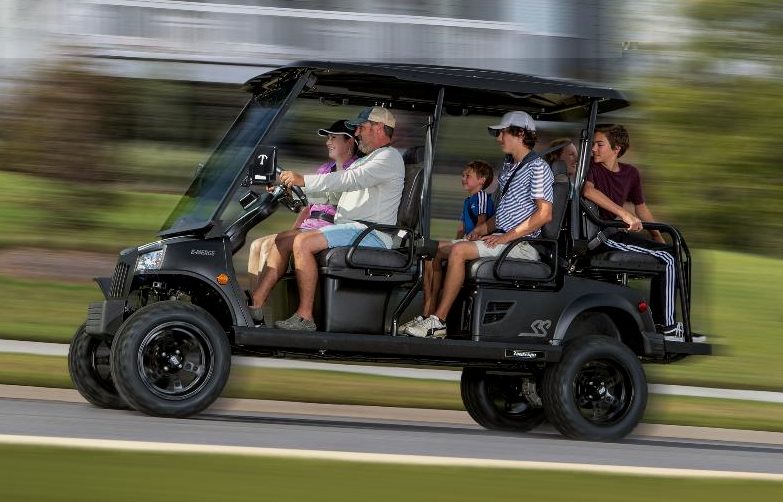
Image Source: jsgolfcarts.com
Deciphering Golf Cart Speed
Golf carts are handy. People use them for golf, sure. But they also use them in neighborhoods, at resorts, and on farms. Knowing how fast they go is important. It helps for safety. It also helps you choose the right cart for your needs.
Most golf carts are not built for high speed. They are made for easy travel. Think of them like slow-moving vehicles. They are good for short trips. They are good for moving around an area.
Here is a quick look at common speeds:
| Cart Type | Average Speed | Top Speed |
|---|---|---|
| Standard Golf Cart | 12-14 mph | 19-25 mph |
| LSV (Low-Speed Vehicle) | 20-25 mph | 25 mph |
| Modified Carts | 25+ mph | 40+ mph (with heavy mods) |
An LSV is a street legal golf cart. It must meet special rules to drive on public roads. We will talk more about this later.
Grasping Speed Factors
Many things play a part in how fast a golf cart goes. Some of these things are part of the cart itself. Others are about where you drive it. Let’s look at the main ones.
Power Source: Electric vs. Gas
The biggest difference in golf cart speed often comes from the type of engine. Golf carts can be electric or gas-powered. Each has its own way of making power. This affects speed, power, and how they run.
Electric Golf Cart Speed
Electric golf carts use batteries and an electric motor. They are quiet. They do not make fumes. This makes them great for golf courses. It also makes them good for areas where noise and pollution are a concern.
- How they work: Electric carts get power from a battery pack. This power goes to an electric motor. The motor spins the wheels.
- Typical speed: Most electric golf carts go from 12 to 19 mph. Some newer or stronger models might hit 20-25 mph.
- Power delivery: Electric carts offer instant torque. This means they get up to speed very fast. They feel zippy from a stop. But their top speed might not be as high as gas carts without changes.
Components that Affect Electric Speed:
- Golf cart motor performance: The motor is key. A bigger motor usually means more power. This can lead to higher speeds. Motor strength is often measured in horsepower (HP) or kilowatts (kW). Motors designed for speed have different windings. They spin faster.
- Golf cart battery voltage: The voltage of your battery pack matters a lot. Common battery setups are 36-volt or 48-volt.
- 36-volt systems: These often give lower speeds, perhaps up to 15 mph.
- 48-volt systems: These are more common today. They offer better golf cart motor performance and higher speeds, often up to 20 mph or more. More voltage means more power to the motor. This makes it spin faster. Some carts even use 72-volt systems for even more speed and power.
- Golf cart speed controller: This is like the brain of your electric cart. The speed controller manages how much power goes from the batteries to the motor.
- A basic controller limits speed. It might stop the cart from going too fast.
- An upgraded controller can send more power. This allows the cart to reach higher speeds. It can also help with acceleration.
- Battery age and charge: Old batteries lose power. They cannot give as much energy. This can slow your cart down. A low battery charge also makes your cart slower. Always keep your batteries charged for best speed.
Gas Golf Cart Speed
Gas golf carts use an engine, much like a small car. They run on gasoline. They are louder than electric carts. They also put out exhaust fumes. But they offer some benefits.
- How they work: Gas carts have an internal combustion engine. This engine burns fuel to create power. This power turns a transmission, which then moves the wheels.
- Typical speed: Gas golf carts often reach higher average golf cart speeds. They can go from 15 to 25 mph. Some powerful models might even hit 30 mph from the factory.
- Power delivery: Gas carts usually have better power for hills. They also have a longer range before needing to refuel. They do not lose power as their “fuel” (gas) gets low.
Components that Affect Gas Speed:
- Engine size and type: Just like cars, bigger engines usually mean more power and speed. The type of engine (e.g., single-cylinder, multi-cylinder) also matters.
- Clutch and transmission: Gas carts have a drive belt system and clutches. These help transfer power from the engine to the wheels. Properly working clutches ensure smooth power delivery and good speed.
- Fuel system: A clean fuel filter and good fuel flow are key. If the engine does not get enough fuel, it will not run at full power. This slows the cart down.
- Maintenance: Regular oil changes and tune-ups keep a gas engine running well. A well-maintained engine will give its best golf cart top speed.
Other Factors Affecting Speed
Beyond the power source, many other things influence a golf cart’s speed. These apply to both electric and gas models.
- Weight: How much weight is in the cart?
- Passengers: More people mean more weight. This makes the cart work harder. It will go slower.
- Cargo: Heavy items in the back also add weight. This cuts down on speed.
- Added accessories: Lift kits, bigger tires, or heavy seats add weight too.
- Terrain: Where are you driving?
- Hills: Going uphill always slows a cart down. The engine needs more power to climb.
- Flat ground: Carts go fastest on flat, smooth surfaces.
- Rough terrain: Mud, sand, or deep grass creates more drag. This makes the cart work harder and go slower.
- Tires: The type and size of tires play a role.
- Tire pressure: Properly inflated tires roll easier. Low tire pressure adds drag. This wastes power and slows the cart.
- Tire size: Bigger tires can increase top speed. But they also need more power to get moving. This might slow down acceleration. Off-road tires have more grip. They are good for rough ground. But they create more friction on paved roads. This can reduce speed.
- Wind resistance: At higher speeds, air pushes back against the cart. This is called wind resistance. It takes more power to push through the air. A windshield can help but also adds a bit of drag.
- Maintenance: A well-cared-for cart runs better.
- Lubrication: Moving parts need grease.
- Brakes: Sticky brakes can slow you down even when not used.
- Alignment: Misaligned wheels can create drag.
Interpreting Golf Cart Speed Modifications
Many people want their golf cart to go faster. This is where golf cart speed modifications come in. You can change certain parts to boost speed. But always think about safety and local laws first.
Making Electric Carts Faster
Electric carts are often easier to make faster. Many mods focus on the motor, controller, or batteries.
- Golf cart speed controller upgrade: This is a common first step. Replacing the stock controller with a higher-amp model lets more power flow to the motor. This gives better acceleration and a higher golf cart top speed. Make sure your motor can handle the extra power.
- Motor upgrade: Installing a more powerful golf cart motor can greatly increase speed. You can get motors designed for high speed. These motors spin faster. They use more power.
- Golf cart battery voltage increase: Going from a 36-volt system to a 48-volt system (or even 72-volt) gives a big speed boost. This needs new batteries and often a new charger. It might also need a new controller and motor. This is a bigger change.
- High-speed gears: Changing the gear ratio in the rear axle can increase top speed. This is like putting taller gears in a car. It makes the wheels turn faster for each spin of the motor. But it can reduce power for climbing hills.
- Tire changes:
- Larger tires: Putting on tires with a bigger diameter can increase top speed. Each rotation of the wheel covers more ground. Be careful, as very large tires might need a lift kit. They can also strain the motor or engine.
- Low-profile tires: These are often used on street legal golf cart setups. They give a smoother ride on pavement. They can also help with speed.
- Thicker cables: Upgrading battery and motor cables to thicker ones (lower gauge) allows more power to flow. This reduces heat and power loss. It makes the system work better.
Making Gas Carts Faster
Modifying gas golf carts for speed can be more complex. It often involves engine work.
- Engine tuning: Simple changes to the carburetor or air filter can help. Getting the engine tuned by a pro can optimize power.
- Clutch adjustments: Adjusting the primary and secondary clutches can change how power is sent to the wheels. This can improve acceleration or top speed.
- Engine swap: For big speed gains, some people swap the original golf cart engine for a stronger one. This is a major modification. It needs a lot of mechanical skill.
- Performance parts: Just like cars, you can buy performance parts for golf cart engines. This might include better exhaust systems or performance air filters.
Important Notes on Modifications:
- Safety first: Always think about safety. Going faster means you need better brakes. You also need a stable cart. Adding speed without improving safety is risky.
- Cost: Speed modifications can be expensive. Think about your budget.
- Warranty: Most modifications will void your golf cart’s warranty.
- Professional help: If you are not sure, get help from a golf cart mechanic. They know how to do mods safely.
Fathoming Street Legal Golf Cart Speed
Some golf carts are made for public roads. These are often called Low-Speed Vehicles (LSVs). They have strict rules.
- LSV Definition: In many places, an LSV can go up to 25 mph. It cannot go faster than 25 mph.
- Roads allowed: LSVs can drive on roads where the golf cart speed limits are 35 mph or less. They cannot go on highways.
- Safety features: To be street legal, a golf cart needs special safety items. These include:
- Headlights
- Taillights
- Brake lights
- Turn signals
- Seat belts
- A windshield
- A VIN (Vehicle Identification Number)
- Side mirrors
- A rearview mirror
- Licensing and registration: You usually need a driver’s license to drive an LSV. The cart must be registered and insured.
- Varying laws: Rules for golf carts and LSVs change from state to state. They even change from city to city. Always check your local Department of Motor Vehicles (DMV) or city laws.
Golf Cart Speed Limits and Safety
Even if your cart can go fast, there are limits. Many places have golf cart speed limits.
- Golf courses: Most golf courses set their own speed limits. These are usually low, around 10-15 mph. This is for safety. It also helps protect the course.
- Private communities: Many neighborhoods use golf carts. They often have speed limits, typically 15-25 mph. These limits keep people safe on shared roads.
- Public roads: As mentioned, LSVs have a maximum speed of 25 mph. Driving faster than this on public roads can lead to tickets. It can also be very dangerous.
- Your own property: If you own a large property, you might set your own speed limits. But remember, the cart’s limits, the terrain, and safe driving still apply.
Safety Tips for Golf Carts:
- Stay within limits: Always drive at a safe speed for your surroundings.
- Wear seat belts: If your cart has them, use them.
- Watch for others: Be aware of pedestrians, cars, and other carts.
- Do not overload: Too much weight makes the cart unstable. It also makes it harder to stop.
- Maintain brakes: Good brakes are vital, especially if you modify for speed.
- Regular checks: Keep your cart in good working order. Check tires, brakes, and lights often.
Table: Speed Factors at a Glance
This table sums up the main things that change how fast a golf cart goes.
| Factor | Description | Effect on Speed |
|---|---|---|
| Power Source | Electric (batteries/motor) or Gas (engine) | Electric: Instant torque, good acceleration, often lower top speed. Gas: More power for hills, higher top speed, longer range. |
| Motor Performance | Strength and type of motor (electric) or engine (gas) | Stronger motors/engines mean more power, higher speed. |
| Battery Voltage | (Electric Carts Only) Total voltage of battery pack | Higher voltage (e.g., 48V vs 36V) means more power to motor, higher speed. |
| Speed Controller | (Electric Carts Only) Regulates power to motor | Upgraded controllers allow more power flow, increasing speed. |
| Gears | Gear ratio in the rear axle | “Taller” gears increase top speed but can reduce climbing power. |
| Tire Size | Diameter of the tires | Larger tires increase speed for each rotation. |
| Tire Pressure | Air pressure in tires | Correct pressure means less rolling resistance, better speed. |
| Weight | Total load (passengers, cargo, accessories) | More weight slows the cart down and strains components. |
| Terrain | Surface driven on (flat, hills, rough ground) | Flat roads allow fastest speeds; hills and rough ground slow carts. |
| Maintenance | Regular service and upkeep of cart | Well-maintained carts perform better and go faster. |
| Wind Resistance | Air pushing against the cart | Becomes a factor at higher speeds, requiring more power. |
In conclusion: Golf Cart Speed Factors Explained
A golf cart’s speed is not just one number. It depends on many things. The average golf cart speed is around 12-14 mph. But the golf cart top speed can vary a lot. It changes based on if it’s an electric golf cart or a gas golf cart. It also changes based on the golf cart motor performance, golf cart battery voltage, and the golf cart speed controller.
Remember, golf cart speed modifications can make a cart faster. But always think about safety first. Also, follow local golf cart speed limits, especially for street legal golf cart speed rules. Knowing these factors helps you choose the right cart. It also helps you enjoy it safely.
Frequently Asked Questions (FAQ)
H4: What is the normal speed of a golf cart?
A normal golf cart usually goes about 12 to 14 miles per hour (mph). This is its average speed.
H4: Can a golf cart go 30 mph?
Some gas golf carts, especially newer or more powerful ones, might reach speeds close to 30 mph from the factory. Many modified carts can also go 30 mph or more. However, street legal golf carts (LSVs) are limited to 25 mph by law.
H4: Is 25 mph fast enough for a golf cart?
For most uses, yes, 25 mph is fast enough. It’s safe for neighborhood roads. It is also the top speed for street legal carts in many areas. For golf courses, 25 mph is often too fast.
H4: How do I know if my golf cart is 36V or 48V?
You can check the golf cart battery voltage by counting the number of battery cells. Each standard golf cart battery cell is 2 volts.
* If you have 6 batteries and each is 6 volts (3 cells per battery), then 6 batteries x 6 volts = 36 volts.
* If you have 6 batteries and each is 8 volts (4 cells per battery), then 6 batteries x 8 volts = 48 volts.
* If you have 4 batteries and each is 12 volts (6 cells per battery), then 4 batteries x 12 volts = 48 volts.
Look for labels on the batteries. They will usually state the voltage.
H4: Does a lift kit make a golf cart faster?
A lift kit itself does not directly make a golf cart faster. It lifts the body higher. But, people often add larger tires after a lift. Larger tires can increase top speed by covering more ground with each turn. However, bigger tires can also reduce acceleration and put more strain on the motor or engine.
H4: Do golf carts have speed limits?
Yes, golf carts often have speed limits. Golf courses, private communities, and public roads where golf carts are allowed usually have set limits. Street legal golf carts (LSVs) have a legal speed limit of 25 mph. Always check local signs and rules.