
Imagine a wound that just won’t heal right. Sometimes, a simple bandage isn’t enough. Deep wounds need something special packed inside to help them close up and fight infection. Choosing the wrong packing material can slow down healing or even make things worse. It’s like trying to build a house with the wrong tools!
Many people feel confused when looking at all the different types of wound packing available. Should you pick gauze, foam, or something else entirely? Each material has its own job to do, and picking the wrong one causes headaches for patients and caregivers alike. We know you want the best, fastest healing possible for serious wounds.
This post cuts through the confusion. We will break down the most common wound packing materials. You will learn exactly what each type does best, so you can feel confident in your choices. Get ready to understand the secrets behind effective wound care.
Top Wound Packing Material Recommendations
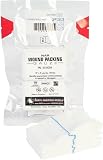
- North American Rescue’s Wound Packing Gauze is a compact, easy to use, Z Folded gauze designed for both linear wound packing and basic bandaging
- Includes embedded X-Ray detectable line. Soft, white gauze is 1-ply, 3 in. x 5 yd length
- Z fold packaging configuration allows controlled application as a complete unit or in a continuous linear feed
- Used as a packing gauze for wounds, as a backing gauze for hemostatic agents, in conjunction with a compression bandage to control hemorrhage, or for minor wound bandaging
- Its low cube space requirement and rugged, durable vacuum sealed packaging make it easy to fit in both individual first aid kits and medic kits


- Made of a woven gauze fabric which reduces linting and fraying
- Iodoform provides odor-resistance to the packing strip
- Unbreakable poly bottles
- Tamper evident seals
- Used in wound care management applications such as nasal or sinus packing

- Medline manufacturer a full line of primary care items.
- Manufacturer: Medline
- Medline Item Number: NON255015H
- Country of origin: China

- Premium Material-Ceeport Compressed Gauze is made from 100% pure cotton with an encrypted mesh structure. This material provides excellent absorbency, breathability, and tear resistance, making it a reliable and skin-friendly choice for emergency medical situations.
- High Absorbency-In emergencies, efficient fluid management is critical. The 6-ply encrypted cotton weave is designed for high-capacity, rapid-fluid uptake, quickly pulling moisture away from the wound to support the body’s natural response.
- Z‑Fold Design-Each sterile gauze is pre-folded in a tight Z‑Fold pattern for tangle-free, instant deployment straight from the package. This design eliminates time wasted on unrolling, delivering even, ready-to-use layers in seconds when it matters most.
- Multiple Use-Designed for two critical methods: wound packing for deep, cavity injuries and direct-pressure application for surface wounds. It serves as an essential core component in any professional, vehicle, or home first aid kit.
- Compact & Portable-Includes 6 individually vacuum-sealed, sterile gauze rolls. Each palm-sized unit unfolds to a full 4.5" x 4.1 yds, yet stores in minimal space. It fits seamlessly into any IFAK, trauma kit, vehicle emergency kit, or home first aid bag, ensuring readiness anywhere.

- [High Quality] RHINO RESCUE gauze, made of 100% cotton, has excellent fluid absorption and stability. Meanwhile, the cotton gauze is soft, breathable, flexible and not easy to tear out.
- [Multiple Use] The sterile compressed gauze can be used to control hemorrhage in conjunction with a compression bandage, and also used as a backing gauze for hemostatic dressings or for minor wound bandaging. It's an essential trauma dressing in first aid kit.
- [Compact & Portable] It is a 4.5" x 4.1yd gauze with z-folded compressed pack. The ultra-compact size makes it easily to fit any IFAK and medic trauma kits.
- [Durable & Convenient] The sterile gauze is vacuum sealed with durable individual package, ensuring its ready-to-use state upon opening.
- [Actual Combat Tested] RHINO RESCUE products are supplied to global military forces in many countries, and our products have been tested repeatedly in actual combat.

- Medline manufacturer a full line of primary care items.
- Manufacturer: Medline
- Medline item number: NON256125H
- Country of origin: China
Choosing the Right Stuff: A Guide to Wound Packing Materials
When someone gets a deep cut or a serious wound, doctors often need to pack it. This packing helps control bleeding and keeps the wound clean while it heals. Picking the right material is super important for good healing. This guide will help you understand what to look for when choosing wound packing materials.
Key Features to Look For
Good wound packing material does several important jobs. Here are the main things to check:
- Absorbency: The material must soak up extra fluid, or ‘exudate,’ from the wound. If it doesn’t absorb enough, the wound stays wet and might get infected.
- Hemostatic Properties: Some materials help stop bleeding quickly. These are called hemostatic agents. They are vital for deep wounds or injuries with active bleeding.
- Ease of Removal: Doctors need to take the material out later. It should come out easily without tearing up the healing tissue inside the wound.
- Conformability: The material must easily fit into the shape of the wound cavity. It needs to fill the space completely to apply gentle pressure and promote healing from the bottom up.
Important Materials Used in Packing
Wound packing materials come from different sources. Understanding the material helps you know how it will act in the wound.
Natural Materials
- Alginates: These come from brown seaweed. They are very good at soaking up lots of fluid. When they get wet, they turn into a soft gel, which is gentle on the wound.
- Collagen: This material comes from animal sources, often cows or pigs. It helps the body’s natural clotting process and supports new tissue growth.
Man-Made Materials
- Gauze (Plain or Impregnated): This is the most common material. Plain gauze just fills space. Some gauze has special ointments on it to keep the wound moist or deliver medicine.
- Foams: These are like soft sponges. They absorb large amounts of fluid but still keep the wound bed moist, which is good for healing.
Factors That Improve or Reduce Quality
Not all packing materials are equal. Some features make the material work better or worse.
What Makes Quality Better?
- Moisture Balance: The best materials keep the wound moist enough for healing but not soaking wet. This is called creating a moist wound environment.
- Bio-compatibility: High-quality materials do not irritate the skin or the wound bed. The body accepts them easily.
- Odor Control: Some advanced dressings include materials that help reduce bad smells often associated with infected or deep wounds.
What Lowers Quality?
- Shedding Fibers: If the material breaks apart and leaves little fibers behind in the wound, it can cause irritation or infection. This is a major quality reduction.
- Drying Out: If a material dries out completely, it can stick to the new tissue. Removing it will cause pain and tear the healing skin.
- Poor Fit: A material that is too stiff or doesn’t fill the entire wound space leaves gaps. These gaps can allow bacteria to grow.
User Experience and Use Cases
How a material is used changes what kind of material is best. Doctors choose based on the patient’s needs.
Common Use Cases
- Deep Cavity Wounds: For wounds that go deep into the body, like pressure ulcers or surgical sites, highly absorbent materials like alginates or foams are often packed in. They must fill the entire space.
- Heavy Bleeding: If a wound is bleeding a lot, a material with strong hemostatic properties is selected first. This stops the blood flow so other treatments can happen.
- Tunneling Wounds: Sometimes wounds have channels that run under the skin. Special packing strips are used to fill these hidden tunnels completely, ensuring no pocket remains where infection can hide.
The experience for the patient centers on comfort and pain during dressing changes. Materials that release cleanly lead to less pain and faster healing overall. Always follow the healthcare provider’s instructions for packing and changing dressings.
10 Frequently Asked Questions (FAQ) About Wound Packing Material
Q: Why do doctors need to pack a wound at all?
A: Doctors pack deep wounds to stop bleeding, absorb extra fluid, and ensure the wound heals evenly from the bottom up, preventing pockets where germs can grow.
Q: Is wound packing painful to remove?
A: It depends on the material. Materials that turn into a gel or stay moist are usually less painful than dry gauze that sticks to new tissue.
Q: Can I use regular cotton balls instead of special packing material?
A: No. Cotton balls leave tiny fibers behind in the wound, which causes irritation and infection risks. Only use materials designed for medical wound packing.
Q: How often should the packing material be changed?
A: This depends on how much fluid the wound is producing. A very wet wound might need changing daily, while a drier wound might only need changes every few days.
Q: Are alginates safe for everyone?
A: Alginates are generally very safe, but because they absorb so much fluid, they should not be used in wounds that are not producing much fluid.
Q: What does ‘hemostatic’ mean in wound care?
A: Hemostatic means the material helps the blood clot faster to stop bleeding.
Q: Does the packing material deliver medicine?
A: Some specialized packing materials are soaked in medicine, like antibiotics or silver, to fight infection directly inside the wound.
Q: What is the difference between packing and just putting a bandage on?
A: A bandage covers the outside. Packing material goes deep inside a cavity to fill the entire space and manage the healing environment inside the wound.
Q: What happens if the packing material is not changed on time?
A: If the material gets too full or stays too long, it can become a breeding ground for bacteria, leading to infection and slowing down healing.
Q: Should the packing material look dry or wet when I check it?
A: The material inside the wound should look moist, maybe slightly gelled, but it should not be soaking wet or completely dry and crusty.