
Image Source: acushnet.scene7.com
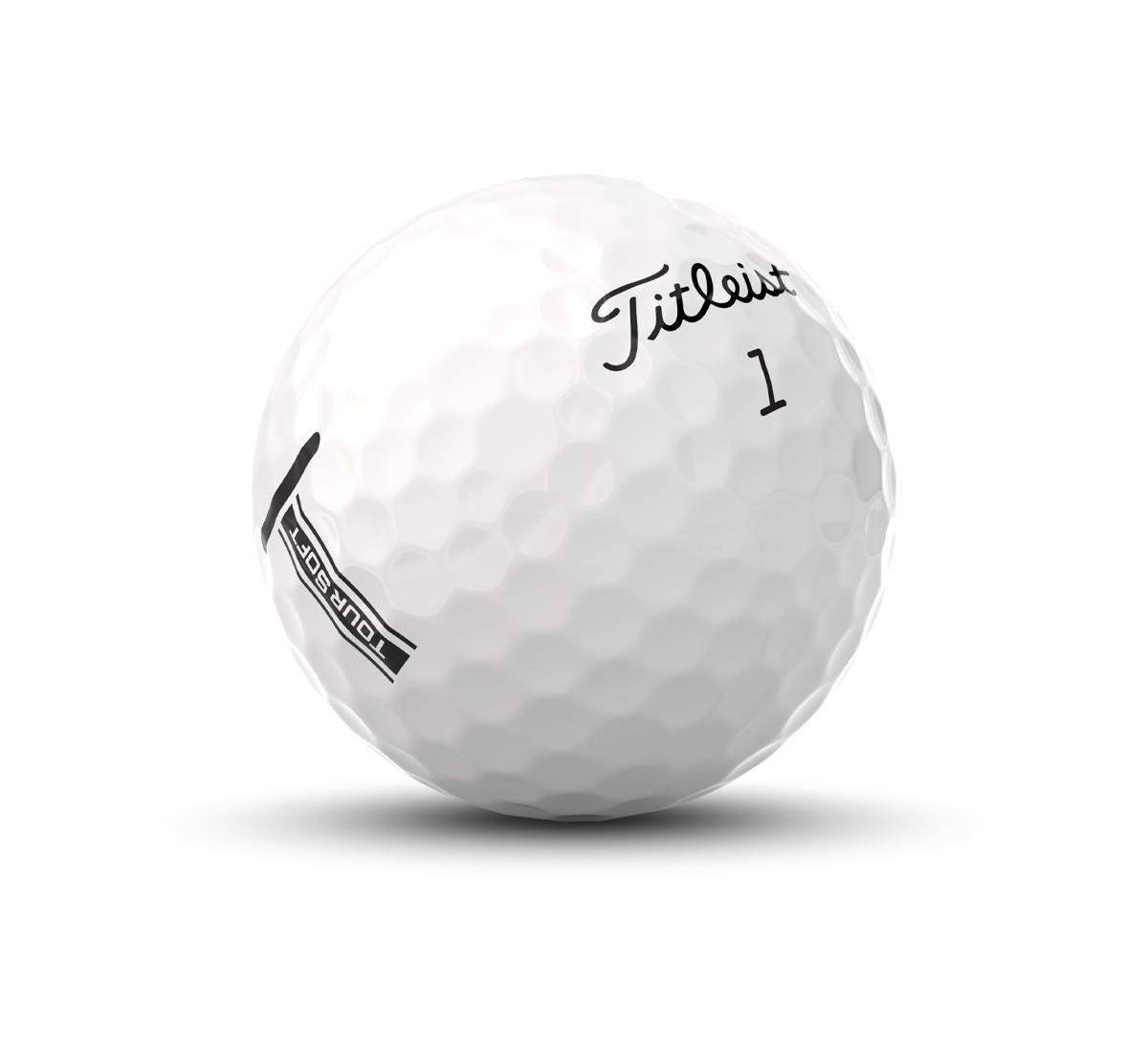
Discover the Benefits: Why Use Soft Golf Balls for Your Game?
Are you looking for ways to make your golf game better and more fun? Many golfers ask, “Why use soft golf balls?” The answer is simple. Soft golf balls offer many great advantages, especially for players who do not swing very fast. These balls help you hit the ball farther, give you a better feel for your shots, and help you control where the ball goes. They are a top pick for senior golfers, high handicappers, and anyone wanting to enjoy their time on the course more. This guide will show you all the amazing benefits of soft golf balls and why they might be perfect for you.
What Makes a Golf Ball Soft? Explaining Core Qualities
To see why soft golf balls work so well, we first need to know what makes a golf ball “soft.” It all comes down to a key idea called “compression.” Golf ball characteristics are often defined by this number.
Deciphering Compression
Think of golf ball compression like how much a ball squishes when you hit it. A ball with low compression squishes more easily. A ball with high compression stays firmer. This squishing action is super important for how far and how straight your ball goes.
When you hit a golf ball, the clubface presses against it. The ball then flattens a bit, stores energy, and then springs back into shape. This spring-back action sends the ball flying.
- Low Compression: These balls squish a lot with less force. This means even a slower swing can make the ball flatten out well. When it springs back, it sends the ball far. This is why
low compression golf ball advantagesare great for many players. - High Compression: These balls need a very fast swing to squish them properly. If your swing is not fast enough, a high compression ball will not squish much. It will not spring back with full power. This can mean less distance.
Most soft golf balls have a compression rating of 50 or lower. Some can even be as low as 30 or 40. Firm balls often have ratings of 90 or more.
Here is a simple look at compression numbers:
| Compression Range | Ball Type | Best For |
|---|---|---|
| 30-50 | Very Soft | Slow swing speeds, maximum feel, comfort |
| 50-70 | Soft to Medium | Moderate swing speeds, balanced performance |
| 70-90 | Medium to Firm | Faster swing speeds, good control, distance |
| 90+ | Very Firm | Very fast swing speeds, pro players, maximum control |
Big Wins: The Core Benefits of Soft Golf Balls
Soft golf balls bring many good things to your game. These benefits of soft golf balls can truly change how you play and how much you enjoy the course.
More Distance for Slower Swings
One of the biggest pluses of soft golf balls is that they can add distance to your shots. This is very true if you do not swing the club super fast. A soft golf ball for slow swing speed helps you get more energy from your swing into the ball.
Think about it this way:
- When you hit a soft ball, it bends more on the clubface.
- This lets the ball stay on the clubface a tiny bit longer.
- This longer contact time helps transfer more power from your club to the ball.
- The ball then springs back better, sending it farther down the fairway.
If you swing your driver at 90 miles per hour or less, a soft ball can often go farther than a firm ball. This is because you can “compress” the soft ball fully. This full compression makes the ball fly with more speed and power off the clubface. For many everyday golfers, this means more distance without swinging harder.
A Better Touch: Improved Feel Golf Balls
Have you ever hit a golf ball and it felt like hitting a rock? Or maybe it felt smooth and soft? That “feel” is a big part of why people like soft golf balls. Soft balls give you a much nicer feel when you hit them.
- On full swings: When you strike a soft golf ball with your irons or driver, the contact feels less harsh. It feels smoother and softer. This can make hitting the ball more pleasant. It can also help you feel more confident in your shots.
- Around the green: This good feel is super important for your short game. When you chip or putt with an
improved feel golf ball, you can really sense the ball leaving the clubface. This helps you judge how hard to hit the ball. You can feel the ball squish and roll off your putter. This helps you get the right speed on your putts. It also helps you spin the ball on chips for better control. Many golfers find that soft balls make their short game more accurate.
Stick Closer: Increased Control Golf Balls
Accuracy is key in golf. Knowing where your ball will land helps you score better. Soft golf balls can help you get increased control golf balls for your shots.
- Less side spin: When you hit a soft ball, it often produces less unwanted side spin. Side spin makes your ball curve left (hook) or right (slice). Less side spin means your shots fly straighter. This can help you hit more fairways and greens.
- Better aim: If you hit the ball off-center, a soft ball is often more forgiving. It will not punish a bad hit as much as a firm ball might. This means your slightly mishit shots might still end up in a good spot. This forgiveness helps you keep your ball in play more often.
- Green-side control: Around the green, control is everything. Soft balls often “stick” better on the green after a chip or pitch shot. This is because they can create good spin without needing a very fast swing. This helps you stop the ball closer to the hole.
Spin Right: Better Spin Soft Golf Balls
Many people think soft balls do not spin much. This is a common mistake. In fact, many modern soft golf balls can give you better spin soft golf balls performance, especially for certain types of shots.
- Wedge shots: Soft balls often provide great spin on wedge shots. When you hit a soft ball with a wedge, it can grip the clubface well. This creates backspin. Backspin helps your ball stop quickly on the green. This is very useful for chipping and pitching closer to the pin.
- Driver spin: For many golfers with slower swing speeds, soft balls can actually produce the right amount of spin for distance. Too much spin with a driver can make the ball “balloon” up and lose distance. Too little spin can make it drop quickly. Soft balls often give a good blend of launch and spin for average swing speeds to get good distance.
Less Harshness: Comfort on Impact
Hitting a firm golf ball can sometimes feel hard on your hands and arms. This is especially true on cold days or if you have joint pain. Soft golf balls offer a much more comfortable feeling when you hit them.
- Reduced shock: The soft core of the ball absorbs more shock during impact. This means less vibration travels up your club into your hands and arms.
- Gentler on joints: For golfers with arthritis, wrist pain, or elbow issues, this can be a huge relief. Playing with a soft ball can make your rounds much more pleasant and reduce soreness after playing.
- More fun: When every shot feels good, you enjoy the game more. This comfort can make you want to play more often.
Who Gains Most? The Ideal Players for Soft Golf Balls
While any golfer can try soft balls, certain types of players will see the biggest improvements.
High Handicapper Golf Ball Choice
If you are new to golf or still working on your game (a high handicapper), soft golf balls are an excellent choice. They are truly a great high handicapper golf ball.
- Forgiveness: As mentioned, soft balls are more forgiving on mishits. This means your shots that are not perfectly centered will still fly better. This helps reduce frustration and keeps your ball in play.
- Confidence boost: When you see your shots going farther and straighter, your confidence grows. This can make learning golf much more enjoyable. You will feel better about your game.
- Easier to launch: Many high handicappers struggle to get the ball into the air. Soft balls are easier to launch high, which helps with distance and carrying over obstacles.
The Smart Pick: Golf Ball for Senior Golfers
As we get older, our swing speed often slows down. This is a natural part of aging. For many senior golfers, a golf ball for senior golfers is a must-have.
- Regain distance: Soft balls are designed to work well with slower swing speeds. This means senior golfers can often get back some of the distance they might have lost over the years. This can make a big difference in how they play the course.
- Joint comfort: The reduced vibration and softer feel are a huge plus for seniors. It makes each shot less jarring on joints and muscles, leading to a more comfortable round.
- Consistency: With softer balls, seniors can often achieve more consistent results. This leads to more greens in regulation and fewer frustrating shots.
Anyone Who Wants More Enjoyment
You do not have to be a high handicapper or a senior to like soft golf balls. Many mid-handicappers, and even some lower handicappers, choose soft balls for their feel and consistency.
- Focus on feel: If you love the feel of the ball coming off the clubface, a soft ball delivers. This can make every shot more satisfying.
- Better short game: If you value a good short game and want more control around the greens, the added feel and spin from soft balls can be very helpful.
- Consistency over raw power: If your game is more about consistent shots than trying to hit it as far as possible, soft balls can give you the control you need.
Picking Your Ball: Soft vs Firm Golf Balls
How do you choose between soft and firm golf balls? It really depends on your swing speed, how you like to feel the ball, and what you want most from your golf ball. Let’s look at the main differences.
Core Distinctions in Performance
| Feature | Soft Golf Balls | Firm Golf Balls |
|---|---|---|
| Compression | Low (30-70) | High (70-100+) |
| Best Swing Speed | Slow to Moderate (under 90 mph driver speed) | Fast to Very Fast (over 90 mph driver speed) |
| Distance | Optimized for slower swings; can add distance | Optimized for faster swings; maximum distance for high swing speeds |
| Feel | Softer, less harsh, more responsive feedback | Firmer, crisper, more solid feel |
| Spin (Driver) | Lower overall spin for distance (for slow speeds) | Higher spin with slower speeds, lower for fast speeds (pro level) |
| Spin (Wedge/Iron) | Good green-side spin, “bites” the green well | Can create high spin for skilled players |
| Control | Helps straighten shots, good short game control | Excellent control for consistent, fast swings |
| Forgiveness | More forgiving on off-center hits | Less forgiving; highlights mishits |
| Comfort | Easier on hands and joints | Can feel harsh on mishits or in cold weather |
| Player Type | Seniors, high handicappers, casual players, feel-focused golfers | Low handicappers, pro players, high swing speeds |
Making Your Choice
- Test your swing speed: If you are unsure of your swing speed, you can get it measured at a golf shop. Or, just watch how far your driver goes. If you hit it less than 220-230 yards, you likely have a moderate to slow swing speed.
- Think about feel: Do you like a smooth, buttery feel when you hit the ball? Or do you prefer a crisp, firm contact? Your preference here is important.
- Consider your goals: Do you want more distance? Better control around the greens? More comfort? Pick the ball that helps you meet your top goals.
- Try different brands: Many brands make excellent soft golf balls. Try a sleeve of different ones to see what you like best.
Choosing Your Soft Ball: Tips for Success
So, you are ready to try soft golf balls. Here are some tips to help you pick the right one:
- Do not just look at the word “soft”: While many balls say “soft” on the box, check the compression rating if you can find it. A lower number means a softer ball.
- Think about your whole game: Some soft balls are great for distance, others are superb for feel around the greens. Some aim for a good balance. Think about what area of your game you want to improve most.
- Read reviews: See what other golfers with similar swing speeds or handicaps say about certain soft balls.
- Do not be afraid to switch: Golf balls are not a lifetime commitment. Try a soft ball for a few rounds. If it works for you, stick with it. If not, try another. The goal is to find what helps your game.
Final Stroke: Making Your Game Better
Soft golf balls offer a path to a more enjoyable and effective golf game for many players. They provide clear benefits of soft golf balls that can translate into more distance, better feel, and improved control. For those with slow swing speeds, such as golf ball for senior golfers or high handicapper golf ball players, these balls can truly unlock better performance.
Do not let old ideas about golf balls hold you back. The world of golf balls has changed a lot. Today’s soft golf balls are very good. They are designed to help you get the most out of your swing. Give them a try. You might find that a softer touch is exactly what your game needs to reach new heights.
FAQ: Quick Answers to Common Questions
Are soft golf balls good for putting?
Yes, many golfers find soft golf balls excellent for putting. Their improved feel golf balls quality helps you sense the ball coming off the putter face more clearly. This gives you better feedback and can lead to improved distance control on the green.
Do soft golf balls go shorter?
This is a common myth. For golfers with slow to moderate swing speeds (typically under 90 mph with a driver), soft golf balls can actually go farther. This is because these players can fully compress the soft ball, getting the most energy transfer. For very fast swing speeds (like professional golfers), a soft ball might go shorter because it compresses too much and loses energy. But for most everyday golfers, this is not an issue.
Can pro players use soft golf balls?
While most professional golfers use firm, high-compression balls to match their extremely fast swing speeds and demand for specific spin rates, some might use slightly softer models that are still considered firm by amateur standards. However, the soft golf ball for slow swing speed is not typically suited for a professional tour player’s swing.
How long do soft golf balls last?
The durability of soft golf balls is similar to firm balls. Most modern golf balls are quite tough. A soft ball should last for many rounds unless you lose it or damage it badly (like hitting a cart path). The softness of the core does not mean the cover is weak.