
Image Source: acushnet.scene7.com
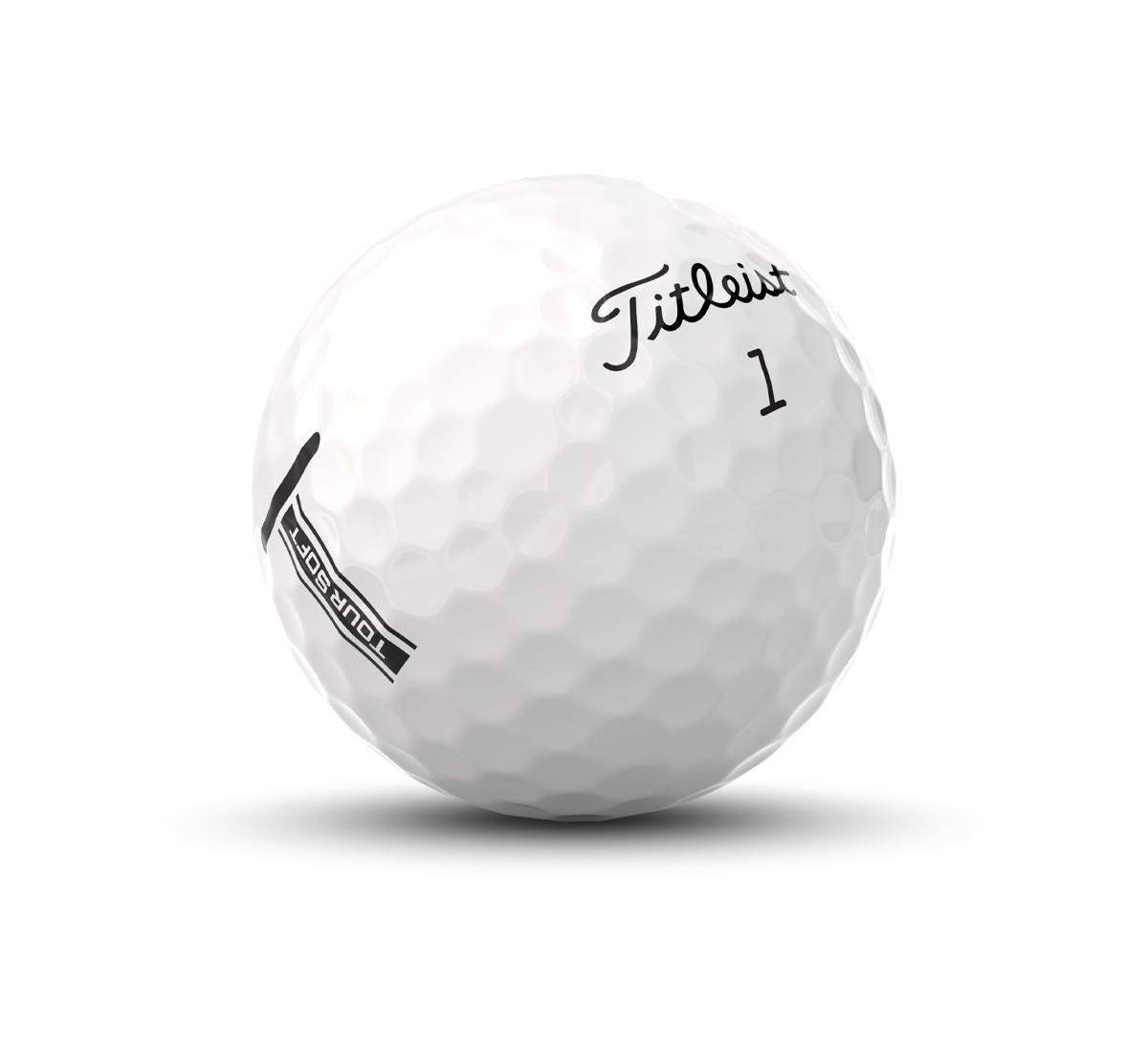
Lower Your Scores: Why Soft Golf Balls Are Key For You
Are you wondering what soft golf balls are and who should use them? Soft golf balls, also known as low compression golf balls, are golf balls designed to compress more easily upon impact. This design makes them ideal for many golfers, especially those with slower swing speeds, including senior golfer golf balls. Can they truly help you lower your scores? Absolutely. These balls offer benefits that lead to more consistent, straighter golf shots and better control around the green. If you want a more comfortable golf ball impact and improved golf ball feel, a soft golf ball might be your game-changer. This guide will show you why soft golf balls are a vital tool for improving your golf game.
Discovering Soft Golf Balls
Soft golf balls are different from harder golf balls. They have a lower compression rating. This means they squish more easily when your club hits them. Think of it like this: a soft ball is like a pillow, while a hard ball is like a brick. When you hit a soft ball, it flattens and then springs back. This gives you a different feeling at impact. It also changes how the ball flies. Many golfers find this softer feel helps their game. It helps them hit the ball better and feel more confident.
The Core Principle: Ball Compression
Every golf ball has a compression number. This number tells you how much force is needed to squish the ball. High numbers mean the ball is hard. Low numbers mean the ball is soft. Soft golf balls usually have a compression under 70. Some are even lower, like 30 or 40. This low compression is key. It helps the ball work with your swing. It means the ball can give back more energy to your shot.
How Compression Affects Your Shot
When you hit a golf ball, it deforms. It squishes against the clubface. A low compression golf ball squishes more easily. This is good for many golfers. It means the ball can get more energy from your club. This energy turns into ball speed. For golfers with slower swings, this is a big deal. They can get more distance this way. It also helps with the direction of the shot. The ball stays on the clubface a tiny bit longer. This helps reduce unwanted spin.
The Science of a Gentler Strike
Hitting a golf ball should feel good. A soft golf ball helps with this. It changes how the impact feels. This is due to its special design. The core of a soft ball is softer. The cover might also be softer. These layers work together. They create a more gentle feeling.
Achieving a Comfortable Golf Ball Impact
When your club hits a hard ball, you might feel a sharp shock. This shock can go up your arms. It can feel unpleasant. A soft golf ball absorbs more of this shock. It feels smoother off the club. This makes each hit more pleasant. You might feel less strain on your joints. This is a big plus for many golfers. It can make playing golf more enjoyable. It can also help you play longer.
Vibration Dampening in Golf Explained
Soft golf balls are great at stopping bad vibrations. When you hit a hard ball, a lot of vibration travels through the club. This vibration can feel harsh. It can hurt your hands or arms. Soft balls have special cores and covers. These parts work like tiny shock absorbers. They soak up the extra vibrations. This is known as vibration dampening in golf. It means less jarring feedback. Your hands will feel more comfortable. Your body will thank you. This comfort helps you swing more freely. It can lead to better shots.
Hitting It Straighter: Less Side Spin
One of the biggest problems in golf is hitting the ball crooked. Slices and hooks send the ball far off target. Soft golf balls can help fix this. They are known to create less side spin. This means your straighter golf shots are more likely.
Reduced Spin Golf Balls and Their Magic
When your club hits a golf ball, it puts spin on it. This spin can be good or bad. Backspin helps the ball fly. Side spin makes the ball curve left or right. If you put too much side spin, your ball flies way off line. Reduced spin golf balls help you. They lessen how much side spin the ball gets. This is because they compress more on impact. They stay on the clubface a little longer. This longer contact helps square up the face at impact. It reduces the gear effect that causes side spin.
Boosting Golf Ball Forgiveness
What is golf ball forgiveness? It means the ball helps you even on bad hits. If you hit the ball slightly off-center, a forgiving ball still flies well. Soft golf balls offer great forgiveness. Because they reduce side spin, they are more forgiving. If your swing is not perfect, the ball will not curve as much. This means your slightly mishit shots still land closer to your target. This leads to fewer lost balls. It means less time searching in the woods. It means lower scores. Forgiveness builds confidence. It makes the game more fun.
The Slower Swing Speed Advantage
Not everyone swings the golf club like a pro. Many golfers have slower swing speeds. This includes many amateur players. It also includes senior golfer golf balls users. Soft golf balls are truly a game-changer for these players.
Why Soft Balls Shine for Slower Swing Speed Golfers
Golf balls need to be compressed to fly well. A harder ball needs a faster swing to compress it fully. If you swing slowly, you might not compress a hard ball enough. This means you lose distance. A soft golf ball needs less speed to compress. Even with a slower swing, you can fully compress it. When you compress the ball fully, you get more energy transfer. This means more ball speed. More ball speed means more distance.
Optimal Distance for Your Swing
Imagine you swing at 80 miles per hour. A hard golf ball might only compress a little. A soft golf ball will compress much more. This extra compression turns into extra yards. You will see your shots go further. This added distance is a huge advantage. It means you can use shorter clubs. Shorter clubs are easier to hit well. This leads to more greens in regulation. It also means you can reach par 5s in fewer shots. Distance without effort is a golfer’s dream. Soft balls make this dream real for many.
Senior Golfer Golf Balls: Tailored for Performance
As golfers get older, swing speeds often slow down. This is natural. But it does not mean you have to give up distance. Senior golfer golf balls are often soft golf balls. They are made for players with slower swing speeds. They help seniors get back lost distance. They also provide the comfort mentioned earlier. Less vibration means less strain. More distance and comfort mean more enjoyment. Soft balls are an ideal choice for many senior players. They help keep the love of the game alive.
Mastering the Short Game with Golf Ball Feel
Golf is not just about long drives. The short game is super important. Chipping, pitching, and putting are key. This is where golf ball feel comes into play. Soft golf balls are excellent for short game control.
The Importance of Golf Ball Feel Around the Green
When you chip or pitch, you want to feel the ball. You want to know how hard you hit it. You want to control its flight. Soft golf balls give you excellent golf ball feel. They stay on the clubface a bit longer. This gives you more feedback. You can feel the ball squish and release. This feedback helps you learn. It helps you adjust your touch. It helps you hit shots closer to the hole.
Enhancing Short Game Control
Chipping and pitching need precision. You want the ball to land softly. You want it to stop quickly. Soft golf balls often have a soft cover. This cover helps create more spin on short shots. This spin is called greenside spin. It makes the ball bite on the green. This means less roll-out. It means the ball stops closer to where it lands.
- Chipping: A soft ball feels “sticky” to the clubface. This helps you guide it. It gives you more control over the distance.
- Pitching: You can get more backspin with a soft ball. This helps you land the ball and stop it quickly.
- Putting: The soft feel is great on the green. You can feel the ball leave the putter face. This helps with distance control. You can sink more putts.
Better short game control directly lowers your scores. It means fewer three-putts. It means more up-and-downs. It means saving strokes around the green.
Selecting the Right Soft Golf Ball for You
Choosing a golf ball is a personal decision. There are many soft golf balls on the market. How do you pick the best one for your game? It involves knowing your swing speed and your needs.
Your Swing Speed Matters
First, try to find out your driver swing speed. Many golf shops have tools to measure this. If you swing below 90 mph, a soft golf ball is likely a great choice. If you swing very slowly, say under 70 mph, a very low compression ball is best. These super soft balls give the most distance for slow swings.
Matching Ball to Your Game
Think about what you want most from a golf ball.
- More Distance? Look for
low compression golf ballsthat promise extra yards. - Straighter Shots? Focus on
reduced spin golf ballsfor less curve. - Better Feel? Try balls known for their soft
golf ball feel. - Short Game Control? Look for soft balls with soft covers.
Try Before You Buy (A Lot)
Do not buy a dozen of one type right away. Buy sleeves of different soft balls. Play a few holes with each type. Pay attention to how they feel. Notice how far they go. See how they react around the green. Keep track of your scores. The ball that feels best and helps your game most is the right one for you.
Here is a simple table to help you think about choices:
| Golfer Type | Swing Speed Range (approx.) | Ideal Soft Ball Characteristics | Key Benefits |
|---|---|---|---|
Slower Swinger (Senior) |
Below 80 mph | Very low compression golf balls (30-50 comp) |
Max distance, comfortable golf ball impact, less vibration |
| Moderate Swinger | 80-95 mph | Low to medium compression (50-70 comp) | Good distance, straighter golf shots, solid golf ball feel |
| Seeking Control | Any slow-moderate speed | Soft cover, low compression golf balls with greenside spin |
Excellent short game control, soft golf ball feel |
Dispelling Common Myths About Soft Golf Balls
Some golfers still believe old ideas about soft golf balls. Let’s clear up some common myths.
Myth 1: Soft Balls Go Shorter
Fact: This is false for most golfers. For slower swing speed golfers, soft balls actually go further. They compress more fully. This leads to better energy transfer. Only very fast swingers (over 105 mph) might lose a tiny bit of distance with a soft ball. But even for them, the other benefits often outweigh this.
Myth 2: Soft Balls Spin Too Much
Fact: Soft golf balls often have less spin off the driver and long irons. This helps create straighter golf shots. This is especially true for reduced spin golf balls. While some soft balls with very soft covers can produce more spin on short shots (which is good for short game control), they generally reduce unwanted side spin on full shots.
Myth 3: Soft Balls Are Only for Beginners
Fact: Not true at all. While beginners can benefit greatly, many mid-handicappers and even some low-handicappers use soft balls. They value the golf ball feel, comfortable golf ball impact, and golf ball forgiveness. A better feel and straighter shots can help any golfer improve.
How to Test Soft Golf Balls for Your Game
Ready to try soft golf balls? Here is a simple plan to see how they work for you.
Step 1: Get a Few Types
Buy a sleeve of 2-3 different low compression golf balls. Pick brands known for softness. Maybe one that is very soft, and one that is moderately soft.
Step 2: Hit Them Side-by-Side
Go to the driving range. Hit your current ball. Then hit each soft ball. Notice the feel. Pay attention to the sound. See how far they go. Do they feel more comfortable golf ball impact?
Step 3: Play a Round or Two
Take the soft balls to the course. Play at least one full round with each type. Do not just focus on distance.
* How do they feel on chips?
* How do they feel on putts?
* Are your drives straighter?
* Are your irons landing closer to the target?
* Do you notice less vibration dampening in golf?
* Do you feel more golf ball forgiveness?
Step 4: Compare Your Scores
After testing, look at your scores. Did you shoot lower? Did you feel more confident? The ball that helps you score better and feel better is the one for you. Many golfers find that soft balls truly unlock their potential. They lead to more consistent play. They bring down scores. They make golf more fun.
Concluding Thoughts: Unlock Your Potential
Soft golf balls are far more than just a passing trend. They are a valuable tool for many golfers. They offer real benefits. These benefits include more distance for slower swings. They also mean straighter golf shots due to less side spin. They give a better golf ball feel for short game control. And they provide a comfortable golf ball impact with vibration dampening in golf. If you are a slower swing speed golfer, including senior golfer golf balls users, or just someone seeking more golf ball forgiveness and better touch, a low compression golf ball is worth trying. They can truly help you lower your scores. Give them a try. You might just find your new favorite golf ball.
Frequently Asked Questions (FAQ)
Q1: Will a soft golf ball really add distance to my shots?
A1: Yes, for most golfers with slower to moderate swing speeds (typically under 95 mph), a soft golf ball can add distance. This is because it compresses more easily, allowing for better energy transfer from the club to the ball, resulting in higher ball speed.
Q2: Are soft golf balls less durable than harder golf balls?
A2: Not necessarily. While some very soft cover materials might show more scuffs over time, modern soft golf balls are built with durable materials. Their core softness does not mean they will break or wear out faster than a hard ball.
Q3: Can professional golfers use soft golf balls?
A3: Most professional golfers have very high swing speeds (over 105 mph). For them, a harder, higher compression ball typically performs better for maximizing distance and spin control. However, some pros might choose a softer ball for specific feel or short game benefits.
Q4: How do I know if my swing speed is slow enough for a soft golf ball?
A4: Generally, if your driver swing speed is below 90-95 mph, a soft golf ball will likely benefit your game. You can get your swing speed measured at most golf pro shops or fitting centers.
Q5: Do soft golf balls make my putts roll further?
A5: Not directly. Soft golf balls provide a softer golf ball feel off the putter face, which can help with touch and distance control. The actual roll distance is more about your stroke and the speed you impart on the ball, but the improved feel can lead to more consistent putting.