
Image Source: read.nxtbook.com
Why Do People Say Fore In Golf – The Golf Safety Call
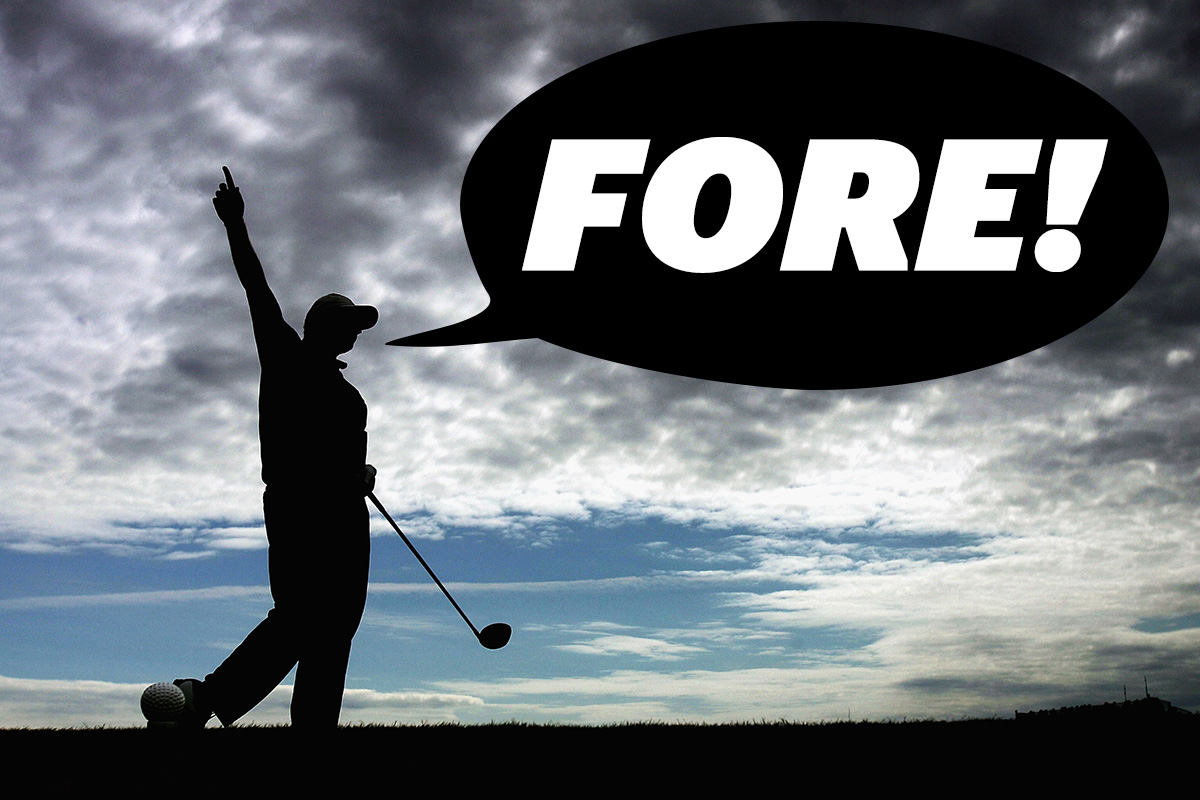
People say ‘fore’ in golf as a loud warning cry. It means a golf ball is heading towards someone, and they should watch out. This shout is a basic safety rule in golf. It tells anyone nearby to quickly cover their head or move away to avoid getting hit by a fast-moving ball.
Golf courses can be dangerous places. Small, hard balls fly very fast. They can travel hundreds of yards. If a ball hits a person, it can cause serious harm. It might break bones, cause head injuries, or even worse. Because of this danger, golfers must warn people. Shouting ‘fore’ is the simple, clear way to do this. It is known all over the world. When golfers hear this word, they know danger is near.
Grasping the Meaning of Fore in Golf
What does ‘fore’ mean in golf? At its heart, ‘fore’ is a single word shouted loudly. Its main job is to alert others. It tells them a golf ball is moving through the air. It signals that the ball might land near them. It is like saying, “Watch out! Ball coming your way!”
The word is short. It is easy to shout loudly. It cuts through other noises on the course. Players, staff, or people walking near the course can hear it. When you hear ‘fore’, stop what you are doing. Look up and try to see the ball. If you cannot see it, cover your head with your arms. Move away if you can. This simple word saves people from getting hurt.
Think of it like a siren. It signals danger right now. On a golf course, the danger is a golf ball. Shouting ‘fore’ is the system used to tell everyone about this danger quickly. It is part of the sport’s rules. It is also a matter of good manners and caring for others.
Deciphering the Origin of Fore Golf
Where did the word ‘fore’ come from? The story is not perfectly clear. There are a few ideas about its beginnings. Most ideas connect it to older terms used in England or Scotland, where golf started.
One popular idea links ‘fore’ to the word “forecaddy.” In the past, golfers did not always have clear views of where their ball went. They would hire people called forecaddies. These people would stand far down the fairway. Their job was to watch where the ball landed. They would signal the player or go find the ball.
The idea is that players might have shouted to their forecaddy before hitting the ball. They might have yelled something like “fore-caddy!” or just “fore!” This would tell the forecaddy that a ball was coming. Over time, this shout might have become shorter. It might have changed from telling the forecaddy a ball was coming to warning anyone in front. The forecaddy was always before (or “fore”) the player, further down the course. So, the word could mean “ahead” or “in front.”
Another idea goes back even further. It connects ‘fore’ to military terms. In the time when golf became popular, cannons were used in battle. Soldiers needed to warn others before firing. They might have shouted “beware before!” or “fore!” This would warn people standing in front of the cannons to move back. Golf balls fly fast, like cannonballs on a smaller scale. So, maybe the warning cry came from this military idea. It is a warning about something flying forward quickly.
Some people think it comes from bowling or other older games. In some games, a warning was given before sending something heavy down a lane. The word used might have sounded like ‘fore’.
No one knows the exact truth. But the most likely stories link ‘fore’ to either forecaddies or older warning shouts meaning “ahead” or “in front.” What is clear is that the word has been used in golf for a long time. Its use has always been about warning people about a fast-moving object.
Interpreting the Purpose of Shouting Fore
Why is shouting ‘fore’ so important? What is its main purpose? The purpose is very simple and very important: safety. It is the main way golfers give a golf ball warning.
Here are the key reasons golfers shout ‘fore’:
- To Prevent Injury: This is the biggest reason. A golf ball traveling over 100 miles per hour can cause serious harm. Shouting ‘fore’ gives people time to react. They can cover their head, duck down, or run away.
- To Alert Others: Not everyone on a golf course is watching the players hitting the ball. People might be walking on a path. They might be looking for their own ball. They might be talking to friends. The loud shout gets their attention right away.
- To Show Care: Shouting ‘fore’ is also a sign of respect for others. It shows that you care about their safety. Not shouting ‘fore’ when you should is seen as careless or even rude. It goes against the good manners expected in golf.
- To Follow the Rules: Shouting ‘fore’ is a rule in golf. It might not be a written rule in every rule book, but it is a strongly followed part of golf safety rules and etiquette. Not doing it can cause problems. It can lead to arguments. It can cause injuries.
The purpose is clear: ‘fore’ is a necessary warning cry on golf course grounds. It makes the game safer for everyone. It is a duty every golfer has when they hit a ball.
Fathoming Golf Safety Rules and the Role of Fore
Golf has rules for playing the game. It also has rules for how players should act. These are called etiquette or safety rules. Shouting ‘fore’ is a key part of golf safety rules.
Safety on a golf course means being aware of others. It means not putting anyone else in danger. Hitting a golf ball is the most common danger. So, golfers must think about where their ball might go.
Here are some basic safety rules in golf:
- Always Look Before You Hit: Before you swing, check that no one is standing too close. Make sure no one is in front of you down the fairway, even far away.
- Be Aware of Nearby Holes: Know where other golf holes are. Know where people might be walking or playing on those holes. Your ball might go off course and land there.
- Never Hit Into People: If you see people ahead, wait until they are out of the way. Do not swing if you think your ball could reach them.
- Shout “Fore!” Loudly When Needed: If you hit a ball that might go near someone, shout ‘fore’. Shout it right away. Shout it very loudly. Do not just mumble it.
- Listen for Warnings: If you hear someone else shout ‘fore’, react quickly. Do not ignore it. Look up or cover your head.
- Stay Alert: Always be aware of what is happening around you on the course. Know where others are.
Shouting ‘fore’ is not an optional thing. It is a must-do when there is any chance your ball could hit someone. It is one of the most important golf safety rules. Ignoring this rule puts people in danger. It shows a lack of care for others on the course.
Tracing the Etymology of Fore Golf
Let’s look a bit deeper into the word itself. The etymology of ‘fore’ in golf means studying the history of the word. Where did the word ‘fore’ come from, and how did it get its meaning in golf?
As we talked about before, the link to “forecaddy” is strong. “Fore” is an old English word meaning “before” or “in front.” A forecaddy stood before the golfer, further down the course. So, calling out to them, or about them, using a word like “fore” makes sense.
Historians of golf terms often point to writings from the 18th and 19th centuries. They look for the first times the word ‘fore’ is used in connection with golf. While it is hard to find the very first use, the word ‘fore’ starts appearing in golf books and rules in the 1800s. It is used as a warning.
Consider this: If you were a player and had a forecaddy far down the field, how would you get their attention or warn them? A simple, short word like “fore!” shouted loudly would work well. It means “the person ahead” or “the area ahead.” Then, it seems the meaning grew. It became a warning for anyone ahead, not just the forecaddy.
Another view links it to military history. The British army used “fore” as a warning before firing guns. For example, before shooting cannons, they might shout “Fore!” to warn people in front. Given that golf became popular around times when these military terms were common, it is possible the idea carried over. A golf ball leaving the club face is like a small shot being fired. It moves fast and can hurt.
While there is no single piece of paper saying, “Here is the official start of ‘fore’ in golf,” the evidence points towards it being an old warning cry. It likely came from words meaning “ahead” or “in front,” used either for forecaddies or in military settings. It became a standard warning for flying objects that could cause harm. This makes it a key part of the history of golf terms.
Knowing When to Yell Fore Golf
This is a critical part of golf safety: Knowing when to shout ‘fore’. It is not every time you hit the ball. You shout ‘fore’ when your ball might go towards other people.
Here are times you should definitely yell ‘fore’:
- When Your Ball is Going Towards People Ahead: This is the most common reason. If you hit a drive or any shot, and the ball is flying towards people walking on the fairway, on the green, or even far off to the side but still in danger, shout ‘fore’. Even if they are 300 yards away, if you think your ball could reach them, shout.
- When Your Ball is Going Towards People on Another Hole: Golf courses have many holes near each other. Sometimes, a bad shot can go off the planned path (a slice or a hook). If your ball is flying towards a fairway or green on a different hole where people are playing, shout ‘fore’.
- When Your Ball Might Go Towards People Near the Course: Golf courses often have roads, paths, or homes next to them. If you hit a wild shot that might go outside the course area where people are, shout ‘fore’.
- When You Hit a Shot You Cannot See Well: Sometimes, you hit a ball over a hill or around trees. You cannot see where it is going to land. If there is any chance people might be in that area, shout ‘fore’. It is better to be safe than sorry.
- When You Hit a Practice Shot and Someone is Nearby: Even practice swings or little chip shots can send a ball flying. If you are practicing and someone is close, be extra careful. If you hit a ball and they are not expecting it, shout ‘fore’.
Think of it this way: If there is a human body anywhere that your ball might hit, you should shout ‘fore’. Even if the chance seems small, make the call. It is always better to shout ‘fore’ when you didn’t need to than not shout it when you did.
How to yell ‘fore’?
- Shout it Loudly: Cup your hands around your mouth. Yell the word with power. You need people far away to hear you.
- Shout it Right Away: Shout it as soon as you see the ball is going in a dangerous direction. The sooner people hear it, the more time they have to react.
- Shout it More Than Once: One shout might not be heard. Shout “Fore!” two or three times quickly: “Fore! Fore! Fore!”
Yelling ‘fore’ is a reflex for good golfers. They do not wait to see if the ball will hit someone. They shout as soon as it might.
The Warning Cry on Golf Course Grounds
The shout ‘fore’ is the main warning cry on golf course grounds. It is like a special language used only there. Everyone who plays golf or works on a golf course understands this sound.
Imagine a busy golf course. People are spread out over a large area. They are focused on their own game. How do you quickly send an important safety message across maybe 200 or 300 yards? You cannot run over there in time. You cannot blow a whistle everyone understands. The answer is a loud, clear shout.
The word ‘fore’ is short. It is distinct. It does not sound like other common words used on a golf course (like “good shot,” “putt,” or “hazard”). This makes it easy to pick out from other noise. When someone hears that specific sound – ‘fore!’ – their brain quickly signals DANGER.
This warning cry is a vital part of keeping the peace and safety on the course. Without it, golf would be much more dangerous. Players would constantly worry about being hit by a ball they did not see coming. The game would be stressful, not fun.
The warning cry on golf course grounds, ‘fore’, creates a shared understanding. It means:
* Stop.
* Look around.
* A ball is coming.
* Protect yourself.
It is a simple system that works. It relies on every golfer doing their part. Every player has a duty to shout ‘fore’ when needed. Every person on the course has a duty to react when they hear it.
A Look at the History of Golf Terms
The term ‘fore’ is just one example of the rich history of golf terms. Golf is an old sport, going back hundreds of years in Scotland. Over time, it has developed its own unique language.
Many golf terms come from old Scottish words or ideas. Words like:
- Caddy: Comes from the French word ‘cadet’, meaning a young person. These young people carried clubs.
- Links: Refers to the type of sandy, coastal land where golf was first played.
- Stymie: An old term (no longer used in the rules) for when another ball was directly in the way of your putt.
- Bogie, Birdie, Eagle: These terms for scores under par came into use much later, around the late 19th and early 20th centuries, mostly in the United States.
- Mulligan: An unofficial term for a do-over shot, thought to come from a golfer named David Mulligan in the 1920s.
The term ‘fore’ fits into this history. It is a term that came into use as the game became more organized and played by more people. As golf grew, the need for common safety rules became clear. A standard warning shout was needed. ‘Fore’ became that standard word.
Looking at the history of golf terms helps us understand how the game developed. It shows how the rules, equipment, and even the language changed over time. The term ‘fore’ shows that safety has been a concern in golf for a long time, not just recently. It is a term that has lasted because its job is still needed today.
What Does Fore Mean Golf in Simple Terms?
In simple terms, what does ‘fore’ mean in golf? It means: “Look out! There’s a golf ball flying!”
It is a warning word.
It is a safety word.
It is a word you must listen for.
It is a word you must shout if your shot is heading towards anyone.
Think of it like this:
* If you hear ‘fore’, danger is close.
* If you shout ‘fore’, you are warning others of danger from your ball.
It is a basic rule that helps everyone stay safe on the golf course. It is not just politeness; it is about preventing injury.
The Golf Ball Warning System
The use of ‘fore’ is the core of the golf ball warning system. It is a simple, effective system based on sound.
Here is how the system works:
- A golfer hits a ball.
- The golfer sees the ball is going towards people (or might go towards people).
- The golfer immediately shouts “Fore!” very loudly.
- People who hear “Fore!” know a ball is coming their way.
- They quickly react: Look up, cover head, move.
This system relies on quick action from the golfer who hit the ball and quick reaction from those who hear the warning.
It is important to remember:
- The warning must be early. Shouting ‘fore’ after the ball has already landed near someone is too late. The shout needs to happen while the ball is in the air, giving people time to react.
- The warning must be clear and loud. A quiet mumble does not work. People far away need to hear it over wind, traffic noise, or their own conversations.
- The response must be quick. Hearing ‘fore’ is a signal for urgent action. Do not wait or think about it. React first, then try to see the ball.
The golf ball warning system using ‘fore’ is a vital part of the game’s culture. It is taught to new golfers from the start. It is a habit that all experienced golfers should have. It is the main way everyone on the course looks out for each other.
Comprehending Common Scenarios Requiring ‘Fore’
To truly grasp when to yell ‘fore’, let’s look at some common situations on the golf course.
People Ahead on Your Fairway
This is the most basic scenario. You are on the tee box or the fairway, ready to hit. You see players or staff up ahead on the same hole. You must judge if your ball can reach them. If it can, and you hit it in their direction, shout ‘fore’. Even if they seem far away, a good hit can travel unexpectedly far. When in doubt, shout.
errant Shot Towards Adjacent Fairways
You hit a shot that goes sideways. It is slicing far right or hooking far left. You see players on the next fairway over. Your ball is heading towards them. Shout ‘fore’ immediately. This happens often, especially with less experienced golfers, but even pros hit errant shots sometimes.
Blind Shots Over Hills or Around Bends
Some holes have blind landing areas. You cannot see where the ball will land from where you are hitting. If you know there might be people in that unseen area (e.g., players finishing the hole, grounds staff), you must be extra careful. If you hit a ball that lands in that area, shout ‘fore’ anyway, just in case. It is an assumption of risk that requires a warning.
Hitting into the Group Ahead
This is a definite ‘fore’ moment. If you hit your ball and it is clearly going to land near or roll towards the group directly in front of you, shout ‘fore’ as soon as you see it heading that way. They might not be expecting a ball from your group yet.
Practice Areas
Even hitting balls on the driving range or practice green requires awareness. If you are hitting balls and someone walks near or behind your hitting area, be careful. If you accidentally send a ball towards them, shout ‘fore’.
Walkers or People Outside the Course
If your shot goes wayward and is heading towards a public path, road, or garden next to the course, shout ‘fore’. Warn people who might not even know they are near a golf course.
| Situation | Reason for Shouting | Action Needed |
|---|---|---|
| Ball flying towards players on your fairway ahead | Direct danger zone | Shout loudly immediately as ball flies that way. |
| Errant shot towards players on an adjacent fairway | Ball leaving intended path, entering another play area | Shout loudly immediately as ball goes sideways towards others. |
| Blind shot over hill where people might be | Cannot see landing area, potential hidden danger | Shout loudly even if you’re not sure people are there. |
| Hitting into the group directly in front of you | Too close, ball reaching them unexpectedly | Shout loudly as ball heads towards them. |
| Wild shot heading towards path/road next to course | Danger to non-golfers near course property | Shout loudly as ball goes off course towards potential people. |
Always remember the key rule: If there is a chance, shout it. It is always better to be safe.
Connecting ‘Fore’ to Wider Golf Etiquette
Golf is a game with many unwritten rules about how players should behave. This is called golf etiquette. Shouting ‘fore’ is a big part of good golf etiquette.
Etiquette is about being thoughtful and showing respect for others on the course. It includes things like:
- Being quiet when others are hitting.
- Not walking on someone’s putting line.
- Taking care of the course (fixing divots, raking bunkers).
- Playing at a good speed.
Shouting ‘fore’ fits perfectly into this. It is about showing respect for the physical safety of others. Not shouting ‘fore’ is considered very poor etiquette. It shows a lack of care. It can even be seen as reckless.
A golfer who does not shout ‘fore’ when they should is not following the spirit of the game. Golf is meant to be enjoyed safely by everyone. Part of that enjoyment comes from feeling secure on the course. The ‘fore’ warning helps create that feeling.
Good etiquette means being aware of your surroundings. It means being aware of other people. It means taking action to ensure their safety. Shouting ‘fore’ is the direct action you take when your shot creates a potential danger for others.
So, ‘fore’ is more than just a rule or a word. It is a sign of good golf manners. It shows you are a responsible golfer who respects the game and the people playing it.
The Importance of Reacting to a Warning Cry
Just as important as shouting ‘fore’ is knowing how to react when you hear it. Your quick reaction can save you from injury.
When you hear a loud shout of “Fore!”, do this:
- Stop Immediately: Do not keep walking or lining up your putt. Stop dead.
- Look Up and Around: Try to spot where the shout came from. Look in that general direction. Try to see the ball in the air.
- If You Cannot See the Ball, Cover Your Head: This is very important. If you cannot see the ball, you do not know where it is going to land. Use your arms and hands to cover your head and face. Turn your back to where the sound came from, maybe crouch down a little. Your back and shoulders can take a hit better than your head.
- Stay Covered Until the Ball Has Landed: Do not look up until you are sure the danger has passed. You might hear the ball land nearby.
Do not ignore a ‘fore’ shout. Do not think “That’s not for me.” Assume it is for you until you know for sure it is not. A few seconds of caution can prevent a serious injury.
Experienced golfers often react by instinct. They hear ‘fore’, they freeze, they look up, and they cover their head if needed. This quick response comes from knowing the danger and respecting the warning system.
Teaching new golfers how to react to ‘fore’ is just as important as teaching them when to shout it. It is a two-way safety system.
Summing Up the Golf Ball Warning
To sum up, the call of ‘fore’ in golf is a simple yet vital golf ball warning. It is shouted loudly by a golfer when their ball might hit someone.
- Its meaning is a direct safety alert: “Danger! Ball coming!”
- Its origin is likely tied to older terms for “ahead” or “in front,” possibly from forecaddies or military warnings.
- Its purpose is purely safety: to prevent injury by giving people time to react to a fast-moving ball.
- It is a key part of golf safety rules and good etiquette.
- Knowing when and how to yell it is a responsibility of every golfer.
- Knowing how to react when you hear it is essential for your own safety.
The word ‘fore’ is more than just a sound on the golf course. It represents a system of care and awareness among golfers. It helps make the game safer and more enjoyable for everyone involved. Always remember to shout it when needed, and always react quickly when you hear it.
Frequently Asked Questions About ‘Fore’
What does fore stand for in golf?
‘Fore’ does not stand for specific words in modern golf. It is a short warning cry. Its meaning comes from old words that meant “ahead” or “in front.” People often think it is short for something, but it works as a complete warning on its own.
Is it mandatory to shout fore in golf?
Yes, shouting ‘fore’ when there is potential danger is considered mandatory by golf rules and etiquette. While you might not get penalized in a game for not shouting it, you risk causing serious injury and will be seen as irresponsible. It is a strong expectation and a safety requirement.
How loud should you shout fore?
You should shout ‘fore’ as loudly as you possibly can. Cup your hands around your mouth to direct the sound. The goal is for people far away to hear you clearly over wind, traffic, or other noise. Do not be shy; safety is more important.
What should you do if you hear someone yell fore?
If you hear ‘fore’, stop immediately. Look up to try and see the ball. If you cannot see the ball quickly, cover your head and face with your arms and hands. Turn your back to where the shout came from. Stay in this safe position until the ball has landed.
Can you get in trouble for not yelling fore?
Yes, you can. While rules might vary, golf courses can remove players for unsafe behavior, including not shouting ‘fore’. More importantly, if someone is injured because you did not shout ‘fore’, you could face legal problems. On the course, other golfers will see it as very poor form.
Do professional golfers yell fore?
Yes, professional golfers absolutely yell ‘fore’. Even the best players hit errant shots sometimes. When they do, they are often the first and loudest to shout ‘fore’ because they understand the speed of the ball and the danger involved. It is a required practice at all levels of golf.
Is yelling fore only for shots that go off target?
No. You should yell ‘fore’ for any shot that might go towards someone. This includes shots hit perfectly straight but that might reach players ahead on the same fairway. It is about where the ball is going, not whether it was a good or bad shot.
Is there a different warning cry in other countries?
While ‘fore’ is the most common and widely understood warning in English-speaking golf countries, other languages may have their own terms, or they might just use ‘fore’ because golf rules are global. ‘Fore’ is recognized worldwide on most golf courses.