
Imagine this: You’re parked by a crystal-clear lake, the campfire is crackling, and you want to run your RV’s air conditioner. Suddenly, a loud, rumbling generator kicks on, disturbing the peace for you and everyone around. Sound familiar? Many RV owners face this noisy dilemma when trying to power their adventures.
Choosing the right inverter generator feels like a maze. You worry about finding one that is quiet enough for campsites, light enough to lift, and powerful enough to run your microwave *and* your AC unit. The wrong choice means wasted money and frustrating trips. You need reliable power without the racket!
This guide cuts through the confusion. We will show you exactly what makes a great RV inverter generator. You will learn the key features to look for, how much power you really need, and which models offer the best value for your money. Get ready to power your RV silently and efficiently!
Top Rv Inverter Generators Recommendations

- DUAL-FUEL POWER: Delivers up to 5500 starting watts/4000 running watts on Gasoline or 5000 starting watts/3600 running watts on LPG, supporting Home Backup, RV, Camping, and Outdoor power needs
- SMART POWER MANAGEMENT: Economy Mode lowers engine speed under lighter loads to help reduce fuel use and noise, while the digital display cycles through volts, frequency, amps, watts, runtime hours, and fuel level
- 160CC OHV ENGINE: The 4-stroke OHV engine runs at 4850 RPM with forced-air cooling and recoil start, while the 1.14-gallon fuel tank supports practical portable operation
- VERSATILE POWER OUTPUT: Includes 120V 20A outlets, 120V 30A RV TT-30R outlet, 12V DC 8A output, USB-C/USB-A adapter, and parallel connectors for pairing two identical inverter generators
- CO AUTO-SHUTOFF & PROTECTION: Built-in carbon monoxide auto-shutoff, overload indicators, AC/DC breakers, low-oil protection, and reset functions help monitor generator operation during use


- 224cc dual-fuel engine runs on both gasoline (6800 surge watts, 5100 rated watts) and propane (6000 surge watts, 4500 rated watts)
- Bonded-neutral 240V configuration provides low-power Level 2 charging for battery and hybrid electric vehicles
- The WEN Watchdog CO Shutdown Sensor helps protect both you and your family by automatically turning off the generator if dangerous levels of carbon monoxide are detected
- Fuel shutoff maximizes the generator’s lifespan by using up the remaining fuel in the carburetor before shutting down
- Includes fuel shut-off to help limit maintenance, onboard wheels, a telescoping pull handle, one L14-30R 120V/240V receptacle, two three-prong 120V receptacles, one TT-30R RV receptacle, one 12V DC receptacle, two 5V USB ports, a voltage selector switch, a tool-free LPG quick-connector, a six-foot-long LPG regulator hose, and a three-year warranty

- 224cc dual-fuel engine runs on both gasoline (4800 surge watts, 4000 rated watts) and propane (4320 surge watts, 4000 rated watts)
- Extremely quiet operation comparable to the sound of a normal conversation according to the US Department of Health and Human Services
- Produces clean power to prevent damage to sensitive electronics such as smartphones, tablets and laptops
- The WEN Watchdog CO Shutdown Sensor helps protect both you and your family by automatically turning off the generator if dangerous levels of carbon monoxide are detected
- Includes fuel shut-off to help limit maintenance, onboard wheels, a telescoping pull handle, four three-prong 120V receptacles, one TT-30R RV receptacle, one 12V DC receptacle, two 5V USB ports, a tool-free LPG quick-connector, and a three-year warranty

- INVERTER BENEFITS, HOME BACKUP POWER: The Westinghouse iGen8200TFc is a tri fuel generator with all the benefits of an inverter, but also with home backup power and a 50A outlet; Gasoline: 6600 running/8200 peak watts, Propane: 5940 running/7380 peak watts, Natural Gas: 5280 running/6560 peak watts
- SAVE FUEL, SAVE MONEY, LESS NOISE: Inverter technology adjusts engine speed to meet power demand, significantly cutting fuel use compared to traditional generators. That's less refills and fuel runs–saving time, money, and hassle. It's also much quieter than open frames, around 60 dBA at 25% load
- TRANSFER SWITCH OR INTERLOCK KIT READY: One 120/240V 14–50R 50A outlet for home backup can run your air conditioner, refrigerator, sump pump, and more–all at once; One RV ready 120V TT-30R 30A outlet; One GFCI 120V 5–20R 20A standard duplex outlet
- LOW THD AND COPPER WINDINGS: With less than 3% THD, it's safe to power electronics like phones, computers and TVs to stay connected during outages, or on jobsites and campsites. Copper windings help the unit make cleaner power, run cooler and last longer
- DURABLE ENGINE WITH SAFETY BUILT-IN: Powered by a heavy duty 298 cc Westinghouse 4-stroke OHV engine with a cast iron sleeve; up to 17 hours of run time on a 3.9 gallon fuel tank at 25% load with automatic low oil shutdown and carbon monoxide (CO) sensor
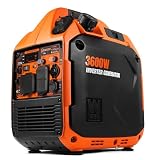
- Dual-fuel design runs on both gasoline (3600 surge watts, 2900 rated watts) and propane (3500 surge watts, 2600 rated watts)
- Extremely quiet operation comparable to the sound of a normal conversation according to the US Department of Health and Human Services
- Produces clean power to prevent damage to sensitive electronics such as smartphones, tablets and laptops
- The WEN Watchdog CO Shutdown Sensor helps protect both you and your family by automatically turning off the generator if dangerous levels of carbon monoxide are detected
- Includes fuel shut-off to help limit maintenance, two three-prong 120V receptacles, one TT-30R RV receptacle, one 12V DC receptacle, two 5V USB ports, a tool-free LPG quick-connector, and a three-year warranty

- 224cc engine generates up to 4800 surge watts and 4000 rated watts
- Produces clean power to prevent damage to sensitive electronics such as smartphones, tablets and laptops
- The WEN Watchdog CO Shutdown Sensor helps protect both you and your family by automatically turning off the generator if dangerous levels of carbon monoxide are detected
- Fuel shutoff maximizes the generator’s lifespan by using up the remaining fuel in the carburetor before shutting down
- Includes onboard wheels, a telescoping pull handle, four three-prong 120V receptacles, one TT-30R RV receptacle, one 12V DC receptacle, two 5V USB ports, and a three-year warranty

- 𝗣𝗼𝘄𝗲𝗿𝗳𝘂𝗹 𝗢𝘂𝘁𝗽𝘂𝘁 - 4400 peak watts and 3400 running watts, perfect for RV camping and home backup
- 𝗠𝘂𝗹𝘁𝗶-𝗢𝘂𝘁𝗽𝘂𝘁 𝗢𝗽𝘁𝗶𝗼𝗻𝘀 - Includes 2*120V AC ports, 1*12V DC port, 1*RV port
- 𝗟𝗼𝗻𝗴 𝗥𝘂𝗻𝘁𝗶𝗺𝗲: Runs for up to 14 hours at 25% load with ECO mode, 2 gallon fuel tank with fuel gauge, allows you to check fuel levels at a glance, keeping you prepared
- 𝐋𝐨𝐰 𝐍𝐨𝐢𝐬𝐞: Under 72 dBA from 23FT away, this generator provides steady power for your home during a power outage or RV nights
- 𝗟𝗶𝗴𝗵𝘁𝘄𝗲𝗶𝗴𝗵𝘁 𝗮𝗻𝗱 𝗣𝗼𝗿𝘁𝗮𝗯𝗹𝗲: Only 56lbs, easy to move around

- Powerful and Efficient Performance - The AIVOLT inverter generator powered by a 322cc 4-stroke OHV engine with 100% copper windings, deliver 8,000W surge power & 6,100W running watts. Eco-Mode slashes fuel costs with over 10 hours of runtime at 25% load. Ideal for RVs, job sites, and emergency backup, it offers reliable power when you need it most, while keeping fuel consumption low for cost efficiency
- Library-Quiet and Portable - 62 dBA noise level from 23 feet away – quieter than a dishwasher, this generator minimizes disruption during outdoor activities. 129lbs lightweight design for easy transport with a compact build, telescopic handle, and two 7" never-flat wheels
- Dual Fuel Freedom and Safe Power for Electronics - Equipped with AIVOLT’s automatic fuel-switching technology, this dual fuel inverter generator switch seamlessly between gas and propane without manual adjustments
- Reliable in Extreme Conditions - Equipped with an upgraded low-temperature lithium battery, this electric start inverter generator operates in temperatures from -4°F to 140°F (-20°C to 60°C). With extended standby time, it’s perfect for long-term storage and reliable performance in both freezing winters and scorching summers
- Smart Control Hub and Power Doubling - The 5-in-1 LCD display center shows fuel use, voltage, runtime and more. Includes 4 outlets, a 12V DC cigarette outlet and a dual USB adapter for versatile power needs
Your Essential Guide to Choosing the Best RV Inverter Generator
An RV inverter generator is a fantastic tool. It gives you quiet, clean power for your adventures. Think of it as a portable power station that runs on fuel. This guide helps you pick the right one for your RV trips.
Key Features to Look For
When shopping, focus on these important features. They make a big difference in how well the generator works for you.
Power Output (Wattage)
- Starting Watts: This is the power needed to start appliances like your AC unit. Look for higher numbers here.
- Running Watts: This is the steady power the generator keeps producing. Match this to what you usually run (lights, fridge, microwave).
Inverter Technology
Inverter generators make clean power. This is very important. Clean power protects sensitive electronics like laptops and TVs. Traditional generators make “dirty” power that can cause damage.
Noise Level (Decibels – dB)
RV parks have quiet hours. A loud generator bothers everyone. Look for models rated under 60 dB. This is about the sound of normal conversation. Quiet operation is a huge plus.
Fuel Type and Efficiency
Most run on gasoline. Some models run on propane or even dual-fuel. Propane stores longer than gasoline. Check the fuel efficiency. A longer run time on one tank means less refueling.
Portability and Size
You have to carry this thing. Check the weight and if it has good handles or wheels. Smaller units are easier to lift and store in your RV bay.
Important Materials That Matter
The materials used affect how long your generator lasts and how well it handles weather.
Engine Components
- Copper Windings: Generators with copper windings last longer than those with aluminum. Copper handles heat better.
- Durable Casing: A strong plastic or metal casing protects the engine from rain, dust, and bumps during travel.
Frame and Handles
Look for a sturdy steel frame. This stops vibrations from shaking the unit apart. Quality handles should feel solid and not bend when you lift the full weight.
Factors That Improve or Reduce Quality
A generator’s quality isn’t just about the price tag. Certain features boost performance, while others signal a cheap build.
Quality Boosters:
- Inverter Quality: Better inverters produce a steadier, cleaner sine wave.
- Automatic Choke: This feature helps the generator start easily in cold weather.
- Low-Oil Shutoff: This vital safety feature turns the engine off if the oil gets too low, saving your engine from ruin.
Quality Reducers:
- Open-Frame Design: While sometimes cheaper, these designs expose the engine to more dirt and water, reducing lifespan.
- Plastic Gears: If internal parts use cheap plastic instead of metal, they break much sooner under stress.
User Experience and Use Cases
Think about how you plan to use your generator. This shapes your needs.
Weekend Camping:
If you only camp occasionally, a smaller, lighter 2000-watt unit works well. You only need enough power for lights and charging phones.
Full-Time RV Living:
If you live on the road, you need more power. Look for 3000 watts or more, especially if you run an air conditioner. Dual-fuel options are great for long trips where gas stations are far apart.
Quiet Operation Focus:
If you camp in busy areas, prioritize the lowest decibel rating possible. A parallel-ready feature lets you link two smaller, quiet inverters together for more power when you need it, keeping noise down the rest of the time.
10 Frequently Asked Questions (FAQ) about RV Inverter Generators
Q: What is the difference between an inverter generator and a regular generator?
A: An inverter generator makes clean, steady electricity, safe for electronics. A regular generator makes rough power that can sometimes harm sensitive devices.
Q: How many watts do I need for my RV air conditioner?
A: Most RV air conditioners need between 2000 and 3500 starting watts. Check the sticker on your AC unit for the exact requirement.
Q: Can I run my RV generator in the rain?
A: You should never run any generator in heavy rain or standing water. Always place it on dry ground and use a protective cover designed for generators.
Q: How often should I change the oil?
A: Most manufacturers recommend changing the oil after the first 20 hours of use, and then every 50 to 100 hours of running time after that.
Q: Are inverter generators quiet enough for campgrounds?
A: Yes, most inverter models are very quiet, often under 60 dB. This usually meets campground noise rules.
Q: What does “parallel capable” mean?
A: Parallel capable means you can safely link two smaller inverter generators together using a special cable to double your total running power.
Q: Can I use an extension cord with my generator?
A: Yes, but you must use heavy-duty, outdoor-rated extension cords. Use the shortest cord possible to avoid losing power.
Q: Do I need to warm up my generator before use?
A: Yes, especially in cold weather. Let it run for five minutes before plugging in heavy loads. This warms the engine and oil.
Q: What is the lifespan of a good inverter generator?
A: A well-maintained inverter generator can last for many years, often exceeding 1,000 to 3,000 running hours, depending on the quality and maintenance.
Q: Is propane better than gasoline for RV generators?
A: Propane stores indefinitely and burns cleaner, which is good for the engine. Gasoline loses its quality over time, so propane is often preferred for long-term storage.