
Imagine a world where words painted vibrant pictures, stirred deep emotions, and challenged the way we saw everything. That’s the magic of poetry, and the 20th century was an explosion of it! From the roaring twenties to the swinging sixties, poets used their pens to capture the spirit of their times, exploring love, war, social change, and the everyday wonders of life.
But with so many brilliant voices, how do you even begin to choose your favorites? It can feel overwhelming, like trying to pick just one star from a dazzling night sky. You might wonder which poets truly represent the heart of the century, or where to start if you’re new to their work. The sheer volume of incredible poetry can make it tough to know where to dive in.
Fear not, fellow word-lovers! In this post, we’re going to journey through some of the most influential and exciting poets of the 20th century. We’ll introduce you to their unique styles, share some of their most powerful poems, and help you discover voices that will resonate with you long after you’ve finished reading. Get ready to be inspired and find your next favorite poet!
Top Poets Of The 20Th Century Recommendations


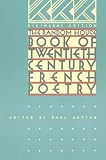


Your Guide to ‘Poets Of The 20th Century’
Discovering the Great Voices of a Century
Are you ready to explore the amazing world of poetry from the 20th century? This guide will help you choose the perfect collection. We’ll look at what makes a great book of poems and how you can enjoy it the most.
1. Key Features to Look For
What makes a ‘Poets Of The 20th Century’ book great?
When you’re picking a book of 20th-century poems, think about these things:
- The Poets Included: Does the book have famous poets like Robert Frost, Langston Hughes, or Emily Dickinson? A good collection offers a variety of poets. It should show different styles and ideas.
- The Selection of Poems: Are the poems well-chosen? Do they represent the best work of these poets? Look for poems that are famous or that show different emotions.
- Organization: How is the book put together? Is it organized by poet, by theme, or by time period? A clear organization makes it easier to find poems you like.
- Notes and Introductions: Does the book have helpful notes? These can explain difficult words or give background information. An introduction can tell you about the century and its poets.
- Cover and Binding: A sturdy binding means the book will last longer. A nice cover makes it a pleasure to hold and look at.
2. Important Materials
What is the book made of?
Most poetry books use paper. The type of paper matters. High-quality paper is thicker and feels nice. It also helps the words look clear. The binding is also important. Hardcover books are usually more durable than softcover books. They protect the pages better.
3. Factors That Improve or Reduce Quality
What makes a book better or not as good?
Good quality means the poems are chosen carefully. The book should be easy to read. Clear printing is a must. The paper should be strong. A well-made binding prevents pages from falling out. Poor quality might mean many typos. It could also mean a weak binding that breaks easily. Sometimes, the selection of poets might be too narrow. This can reduce the overall quality of the experience.
4. User Experience and Use Cases
How will you use this book?
These books are great for many things. You can read them for fun. You can use them for school projects. They are perfect for learning about history and feelings through poetry. A good book will inspire you. It will make you think. You might read a poem aloud. You might share a favorite poem with a friend. The experience should be enjoyable and educational. A book with clear text and helpful notes makes reading easier. A book that is easy to carry is good for reading on the go.
Frequently Asked Questions (FAQ)
Q: What are the main Key Features to look for in ‘Poets Of The 20th Century’?
A: Look for a good selection of famous poets, well-chosen poems, clear organization, helpful notes, and a sturdy binding.
Q: What kind of materials are typically used for these books?
A: They are usually made with paper pages and a hardcover or softcover binding.
Q: How can I tell if the quality of the book is good?
A: Good quality means clear printing, strong paper, a durable binding, and a thoughtful selection of poems.
Q: What are some common use cases for a ‘Poets Of The 20th Century’ book?
A: You can read them for pleasure, use them for school, learn about history and emotions, and share poems with others.
Q: Does the era of the 20th century have a lot of different poetry styles?
A: Yes, the 20th century was a time of many new and different poetry styles.
Q: Should I buy a hardcover or softcover edition?
A: Hardcover books are usually more durable and last longer, but softcover books are often less expensive and lighter.
Q: Are there any poets I should definitely hope to see in a collection?
A: Famous poets like Robert Frost, Langston Hughes, T.S. Eliot, and Edna St. Vincent Millay are often included.
Q: What if I don’t understand some of the poems?
A: Look for books that have introductions or notes that explain the poems or the poets’ lives.
Q: Can these books help me write my own poetry?
A: Yes, reading great poets can inspire you and show you different ways to express yourself.
Q: Where is the best place to buy ‘Poets Of The 20th Century’ books?
A: You can find them at local bookstores, online retailers, and sometimes at libraries or used book sales.