
Imagine a world painted with words, where emotions burst onto the page and ideas take flight. The 20th century was a time of incredible change, and poets captured it all. From the roar of new technologies to the quiet whispers of the heart, these writers gave voice to the spirit of their age. But with so many brilliant poets, where do you even begin? It can feel overwhelming to pick just a few to explore, like trying to choose your favorite stars in a vast night sky.
This journey into the world of 20th-century poets is designed to make that choice easier. We’ll introduce you to some of the most influential voices, sharing what made their work so special and why it still matters today. You’ll discover how these poets used language to reflect their times, challenge old ideas, and inspire new ones. Get ready to unlock a treasure chest of powerful verses that will spark your imagination and deepen your understanding of the world.
Top Poets Of The 20Th Century Recommendations


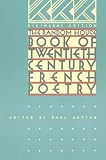


Your Guide to ‘Poets of the 20th Century’
Are you looking for a way to explore the amazing world of poetry from the last century? ‘Poets of the 20th Century’ is a fantastic collection that can open your mind to new ideas and feelings. This guide will help you find the best version for you.
Key Features to Look For
When you’re choosing a ‘Poets of the 20th Century’ product, keep these things in mind.
Content Selection
- Breadth of Poets: Does it include a wide range of poets from different countries and styles? A good collection introduces you to many voices.
- Depth of Poems: Does it offer a good selection of poems from each poet? You want enough poems to really get a feel for their work.
- Era Coverage: Does it cover the early, middle, and late parts of the 20th century? Poetry changed a lot over those years.
Presentation and Format
- Book Format: Hardcover books last longer. Paperback books are lighter and often cheaper.
- Digital Format: E-books are easy to carry and search. Audiobooks let you listen to the poems.
- Notes and Introductions: Does it have helpful introductions to the poets or their work? This can make the poems easier to understand.
Important Materials
The materials used can make a big difference in how you enjoy the poetry.
For Physical Books
- Paper Quality: Thicker, acid-free paper feels better and lasts longer. Thin paper can tear easily.
- Binding: A strong binding keeps the pages together for years. A book that falls apart quickly isn’t a good buy.
- Cover: A sturdy cover protects the pages inside. Hardcovers offer the best protection.
For Digital and Audio Versions
- Audio Quality: For audiobooks, clear narration is important. You want to hear the words well.
- Digital Readability: For e-books, the text should be easy to read on your device.
Factors That Improve or Reduce Quality
Some things make the collection better, and others can make it less enjoyable.
Quality Boosters
- Expert Curation: When a knowledgeable person picks the poems, the collection is usually stronger.
- Accurate Text: The poems should be presented exactly as the poets wrote them.
- Helpful Extras: Biographies of poets or explanations of difficult words can improve your understanding.
Quality Reducers
- Missing Poets: If your favorite poet from the 20th century isn’t included, you might be disappointed.
- Poor Formatting: In digital books, bad formatting can make reading difficult.
- Errors: Typos or mistakes in the poems take away from the experience.
User Experience and Use Cases
How will you use this collection? Think about that when you choose.
For Learning and Study
- Students can use these collections for school projects or to learn about different poetic styles.
- The included notes and introductions are very helpful for understanding complex poems.
For Personal Enjoyment
- You can read a poem a day to spark your imagination.
- It’s great for anyone who loves to read and wants to discover new favorite poets.
- Audiobooks are perfect for listening while you commute or do chores.
Frequently Asked Questions (FAQ)
Q: What are the main Key Features to look for in ‘Poets of the 20th Century’?
A: You should look for a wide range of poets, a good number of poems from each poet, and coverage of the entire 20th century. Also, consider the format like hardcover, paperback, e-book, or audiobook.
Q: What materials are important for a physical book version?
A: Good quality paper that feels nice and lasts long is important. A strong binding that keeps the pages together and a sturdy cover that protects the book are also key.
Q: How do I know if the quality of the poems is good?
A: Look for collections curated by experts. The poems should be presented accurately, with no errors. Helpful extras like notes or biographies also show good quality.
Q: What can make the quality of the collection worse?
A: If important poets are missing, the formatting is bad in digital versions, or there are mistakes in the poems, the quality is reduced.
Q: How can I use ‘Poets of the 20th Century’ for school?
A: It’s great for research and understanding different poetry styles for assignments. The introductions and notes help you learn more about the poets and their work.
Q: Can I just read a poem or two for fun?
A: Absolutely! It’s perfect for discovering new poems to enjoy whenever you have a few minutes. You can read one poem each day.
Q: Is an audiobook version good for listening on the go?
A: Yes, audiobooks are excellent for listening when you’re traveling, exercising, or doing other tasks. You can enjoy the poetry without needing to read.
Q: What if I don’t know much about 20th-century poetry?
A: Collections with good introductions and notes are ideal. They explain who the poets were and what their poems might mean, making them easier to understand.
Q: Should I choose a hardcover or paperback?
A: Hardcovers are more durable and better for long-term use, like for a bookshelf. Paperbacks are lighter and more affordable if you plan to read it often or travel with it.
Q: What makes a digital version of ‘Poets of the 20th Century’ good?
A: A good digital version has clear text that’s easy to read on any device. Being able to search for specific poems or poets is also a great feature.