
Does your bathroom ceiling look like a science experiment gone wrong, complete with fuzzy black or green spots? You are not alone! Bathrooms are warm, steamy places. This perfect environment helps mold and mildew thrive, especially on the ceiling where moisture collects.
Dealing with mold is frustrating. It looks ugly, smells musty, and can even cause health concerns. Choosing the right paint seems complicated. You need paint that fights mold but also looks good and lasts a long time. Many standard paints just peel or let the mold return quickly, leaving you back at square one.
This post cuts through the confusion. We will show you exactly what features to look for in a ceiling paint. You will learn the best types of paint that actively stop mold growth and keep your bathroom looking fresh. Say goodbye to scrubbing moldy ceilings every few months!
Ready to create a clean, dry, and beautiful bathroom space? Let’s dive into the best paint solutions for your damp ceiling.
Top Paint For Bathroom Ceiling To Prevent Mold Recommendations

- KILZ Stainblocking Ceiling Paint is a unique combination of stainblocking technology and a coverage/dry time indicator.
- This ceiling paint rolls on with a subtle pink color that dries to white in under an hour.
- Dries to touch in 1 hour. Recoat in 2 hours. For use on all interior ceilings.Use soap and water to clean hands, tools and spill. Multiple coats may be required for complete hide. For maximum stainblocking recoat after 4 hours.
- Spatter-resistant formula rolls on easily with low odor making it a great choice for any room. This paint covers approximately 250 square feet per gallon on porous surfaces and up to 400 square feet per gallon on smooth, non-porous surfaces.
- Apply with a quality nylon/polyester brush or a 3/8"-1/2" nap roller depending on surface texture. Can also be applied with a sprayer. See product packaging for complete application instructions. KILZ Stainblocking Ceiling Paint offers excellent coverage for minor to moderate staining. For severe stains try a KILZ Primer such a KILZ Original, KILZ Original Low Odor or KILZ 3 Premium Primer.


- Ceiling spray paint blocks stains and primes interior surfaces for quick touch ups
- Low odor formula is perfect for use as an all-purpose interior paint primer
- Dries to the touch in 30 minutes and covers up to 15 sq. ft. per can
- Mold and mildew resistant finish provides long lasting performance on indoor ceilings
- Flat white finish will not yellow over time and matches brush or roller applied Zinsser Ceiling Paint

- Zinsser 02704 Quart Satin Gloss Perma-White Mildew-Proof Bathroom Paint

- MOLD AND MILDEW DEFENSE: Powerful mildewcide additive helps prevent mold and mildew growth and inhibits regrowth for months - a simple alternative to specialty mold-resistant primers.
- EASY TO USE, ANY PAINT BRAND: Mixes directly into any interior or exterior paint, primer, or coating - no special equipment needed, and won't alter your paint's color or texture once dry.
- SAFE & NON-TOXIC: Environmentally friendly and safe for homes with children and pets - ideal for bathrooms, ceilings, kitchens, basements, and anywhere moisture causes mold and mildew.
- BUILT FOR BATHROOMS & CEILINGS: Purpose-suited for the rooms mold and mildew affect most - showers, bathroom ceilings, and walls - helping guard against stains and discoloration.
- RIGHT-SIZE YOUR TREATMENT: This size treats 1 gallon of paint. Paint-Guard is also available in 2 and 5-gallon treatment sizes for larger jobs.

- Ceiling paint blocks stains and primes interior surfaces in one coat
- Low odor formula is perfect for use as an all-purpose interior paint primer
- Dries to the touch in 1 hour and covers up to 250-400 sq. ft. per gallon
- High performance, high hide paint features no splatter and Stain Blocking technology
- Color changing formula applies pink and dries bright white to never miss a spot
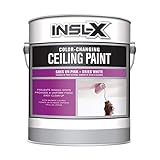
- Acrylic ceiling paint formulated with a disappearing pink color-change technology.
- Easy to apply – helps prevent missed spots.
- For smooth or textured ceilings.
- Quick drying: recoat in as little as two hours.
- Self-priming paint for ceilings.

- VERTICAL SPRAY APPLICATION: Designed for overhead professional projects, this aerosol makes ceiling paint touch-ups and repairs fast and easy with precise vertical spray coverage.
- FAST STAIN SEALING: Quickly seals and covers water stains, smoke damage, and ceiling stains for a clean, refreshed look. Ideal for use as a ceiling stain remover and stain cover paint.
- MATCHES CEILING TILES: Flat white finish blends seamlessly with most ceiling tiles, providing a uniform appearance and acting as a reliable white ceiling paint for interior spaces.
- SUPERIOR COVERAGE: Delivers great hide and non-yellowing performance, ensuring long-lasting results. Effectively covers up ceiling paint imperfections and old stains.
- LOW ODOR INTERIOR USE: Formulated for all-purpose interior use with low odor, making it suitable for occupied spaces. Perfect for quick ceiling paint projects and stain cover-ups.

- It is fast-drying, sprays upright, and will not warp or sag tiles.
- For easiest application on high ceiling, use Seymour's Spray Wand #Z-606 that is 33" long.
- Great for painting acoustic tiles, touch up stains on drywall, paint crown moldings without removing them, etc.
- Matches the color of the tile.
- Dries to touch in 15 minutes.
Choosing the Best Paint for Your Bathroom Ceiling: A Mold-Fighting Guide
Bathroom ceilings face a tough job. Steam from showers loves to linger up there, making it a perfect spot for mold and mildew to grow. Choosing the right paint is your first line of defense. This guide helps you pick the best paint to keep your ceiling clean and dry.
1. Key Features to Look For
When you shop for bathroom ceiling paint, look for these important features. These elements make the paint work harder against moisture.
- Mildewcide/Fungicide Additives: The best paints include special chemicals. These chemicals actively stop mold and mildew from starting. Think of them as tiny guards built into the paint.
- High Moisture Resistance: The paint must handle constant wetness without peeling or bubbling. Good bathroom paint resists water absorption.
- Washability/Scrubbability: You might eventually need to clean spots off the ceiling. High-quality bathroom paints allow gentle scrubbing without the paint coming off.
- Low VOC (Volatile Organic Compounds): Lower VOCs mean less strong chemical smell when you paint. This makes painting safer and more pleasant, especially in small spaces like bathrooms.
2. Important Materials and Types
The paint’s base material greatly affects how well it fights mold. Most experts recommend two main types for bathrooms.
Latex vs. Oil-Based
Today, most people choose **100% Acrylic Latex Paint**. Acrylic is flexible. It handles the expansion and shrinking caused by temperature changes better than older paints. It cleans up easily with water.
Oil-based paints used to be the standard for durability. However, they smell very strong and are harder to clean up. Modern acrylic paints often match or beat their performance in moisture-prone areas.
Sheen Level Matters
The shine, or *sheen*, of the paint plays a big role. Flat paint looks nice, but it soaks up moisture easily. You want a finish that repels water.
- Satin or Eggshell: These offer a slight sheen. They are good choices because they are durable and easy to wipe down.
- Semi-Gloss: This finish is the most moisture-resistant. It reflects the most light, so it shows surface imperfections more easily. For maximum mold protection, semi-gloss is often the winner.
3. Factors That Improve or Reduce Quality
What makes one can of paint better than another? It often comes down to what the manufacturer puts inside the can.
Quality Boosters:
High-quality paints use more solid binders (the stuff that sticks the paint to the ceiling). More binders mean a thicker, tougher film forms when the paint dries. This film blocks water vapor better. Always check the label for “100% Acrylic.”
Quality Reducers:
Cheap paints often use more fillers (like clay or chalk) instead of expensive binders. These paints dry thin. They do not create a strong barrier against steam. They might also lack the necessary mildew-fighting additives, meaning mold starts growing quickly.
4. User Experience and Use Cases
How you use the paint affects your success. Proper preparation is key.
Preparation First:
No paint, no matter how good, works well on a dirty ceiling. If you already have mold, you must clean it completely using a bleach solution or a commercial mold remover first. Let the ceiling dry for several days before painting. This step greatly improves the final result.
Application Tips:
Use a good quality roller cover designed for ceilings. Apply two thin coats rather than one thick coat. Two thin coats create a stronger, more even moisture barrier. Ensure the bathroom is well-ventilated while painting and drying. Good airflow helps the paint cure correctly, making it stronger against future humidity.
10 Frequently Asked Questions (FAQ) About Bathroom Ceiling Paint
Q: What is the single most important feature to look for?
A: Look for paint specifically labeled as “Kitchen & Bath” paint. These formulas include built-in mildewcides to stop mold growth.
Q: Should I use flat paint or glossy paint on my bathroom ceiling?
A: Avoid flat paint. Use Satin or Semi-Gloss. Glossier paints create a harder, non-porous surface that moisture slides right off of.
Q: Do I really need special paint for the bathroom ceiling?
A: Yes. Standard interior paint absorbs steam like a sponge. Bathroom paint resists moisture absorption, keeping the surface drier.
Q: How long does this special paint last before I see mold again?
A: A good quality bathroom paint should keep mold away for several years, often much longer than standard paint, provided the bathroom ventilation is adequate.
Q: Can I just add a mold killer to my regular ceiling paint?
A: While you can buy additives, it is usually better to buy a paint where the mold fighters are mixed in by the manufacturer. Commercial mixing ensures the additives spread evenly.
Q: What is the best color for a small, steamy bathroom ceiling?
A: Bright white is standard because it reflects the most light. If you use a semi-gloss finish, even a bright white will look clean and resist stains well.
Q: Do I need to prime the ceiling before painting?
A: Always prime, especially if you are painting over a stained or previously moldy ceiling. Use a stain-blocking primer first, then apply two coats of your bathroom paint.
Q: Is “mildew-resistant” the same as “mold-proof”?
A: They are very similar. Mildew is a type of surface mold. Mold-resistant paints stop both, but no paint can stop mold if the underlying moisture problem (like a leaky roof) is severe.
Q: Should I use an oil-based or a latex (water-based) paint?
A: Use high-quality 100% Acrylic Latex. It offers excellent moisture resistance, dries faster, and cleans up easily without harsh chemicals.
Q: How does ventilation affect the paint choice?
A: Good ventilation (using an exhaust fan) reduces the stress on the paint. If your fan is weak, you need a higher sheen (like semi-gloss) paint for extra protection.