
Your Ultimate Guide: How To Start A Mini Golf Course
Starting a mini golf course can be a fun and rewarding business. It draws families, friends, and groups looking for a simple, joyful outing. This guide will help you step by step. We will cover planning, building, running your course, and making money. You will learn about costs, design ideas, and how to get customers.
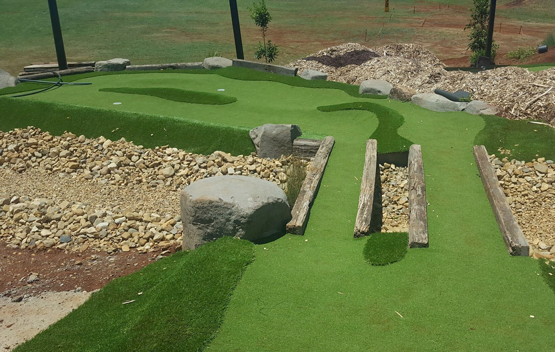
Image Source: minigolfcreations.com.au
Getting Started: Laying the Groundwork
Starting a new business needs careful thought. A good plan helps you succeed. Your first steps involve clear thinking about your vision.
Crafting Your Mini Golf Business Plan
Every successful business begins with a solid plan. A mini golf business plan acts as your roadmap. It helps you see your goals. It also shows you how to reach them. Here are the main parts of a good plan:
- Executive Summary: This is a short overview. It covers your business idea. It states your mission and vision. It also gives a quick look at your financial goals.
- Company Description: Tell about your mini golf course. What makes it special? Who owns it? What kind of fun will you offer?
- Market Analysis: Who are your customers? What do other mini golf places offer? Look at your local area. Find out what people want.
- Target Audience: Who will play? Families? Teens? Adults? Tour groups?
- Competition: What other fun places are nearby? How can you be different and better?
- Trends: What new things are happening in mini golf or family fun?
- Services: What will you offer? Just mini golf? Or maybe snacks, drinks, or party rooms?
- Marketing and Sales Strategy: How will people find out about your course? How will you get them to visit? We will talk more about this later.
- Management Team: Who will run the course? What are their skills?
- Financial Projections: This is a big part. It shows how you will make money. It covers costs, sales, and profit over time. We will cover mini golf course profitability in more detail.
Creating this plan helps you make smart choices. It also helps if you need money from a bank.
Leisure Park Land Requirements
Choosing the right place is very important. The size and shape of your land matter a lot. Leisure park land requirements vary. But some things are always key:
- Size: A typical 18-hole mini golf course needs 15,000 to 25,000 square feet. This is about one-third to one-half acre. This space allows for 18 holes, walking paths, and some landscaping. You also need room for a small building, parking, and perhaps outdoor seating.
- Shape: An irregular shape can work well. It allows for creative hole designs. Flat land is easier to build on. Slopes can add fun, but cost more to build.
- Location:
- Visibility: Can people easily see your course from a main road? Good visibility helps draw people in.
- Access: Is it easy to get to by car, bus, or on foot?
- Traffic: Are there enough people passing by? Shopping centers, tourist spots, or busy roads are good.
- Zoning: This is crucial. Check local rules. Is the land zoned for commercial use? Is a mini golf course allowed there? You may need a special permit.
- Utilities: Does the land have water, power, and sewage? These are needed for restrooms and any buildings.
- Drainage: How does water drain from the land? You want good drainage. This prevents flooding on your course.
A good location can make or break your business. Take your time to find the best spot.
Permits for Miniature Golf Course
Before you start building, you need official permission. Getting permits for miniature golf course can be a complex step. It is very important to get this right. Rules vary by city, county, and state.
Here are common permits and approvals you might need:
- Zoning Permit: This confirms your business type fits the land use rules.
- Building Permits: You need these for any structures. This includes the course itself, clubhouses, restrooms, or kiosks.
- Health Permits: If you plan to sell food or drinks, you will need health permits.
- Environmental Permits: Some areas have rules about water runoff, land changes, or protecting plants and animals.
- Fire Safety Permits: For buildings, you will need to meet fire codes.
- Business License: Every business needs a general operating license.
- Signage Permits: If you want a sign, you will likely need a permit for it.
Tips for Permits:
- Talk to Local Authorities Early: Visit your city or county planning department. They can tell you exactly what permits you need. They can also explain the process.
- Start Early: Getting permits takes time. Sometimes months. Do not wait until the last minute.
- Hire a Professional: For complex projects, an architect or consultant can help with permits. They know the rules.
Getting all permits in order prevents future problems. It ensures your course meets all safety and legal standards.
Designing and Building Your Course
Once you have your plan and location, it is time to build. This is where your vision comes to life.
Adventure Golf Design Ideas
Mini golf is more than just holes in the ground. Good design makes it fun and memorable. Think about adventure golf design ideas. What kind of experience do you want to offer?
- Theme: A strong theme makes your course stand out.
- Pirate Adventure: Waterfalls, shipwrecks, treasure chests, cannons.
- Dinosaur Park: Large dinosaur models, volcanic rocks, jungle plants.
- Mining Town: Old carts, mine shafts, rocky paths.
- Fantasy Forest: Giant mushrooms, fairy houses, mystical creatures.
- Local Theme: Use local history, landmarks, or nature.
- Hole Variety: Each hole should be different.
- Shapes: Make holes straight, curved, or zig-zag.
- Obstacles: Use rocks, logs, bridges, tunnels, ramps, windmills.
- Elevation Changes: Hills and valleys add challenge and fun.
- Water Features: Ponds, streams, or small waterfalls look nice. They also add sound.
- Flow: Make sure players can easily move from one hole to the next. Clear paths help.
- Landscaping: Plants, trees, and flowers make the course beautiful. They also provide shade. Use plants that grow well in your climate.
- Lighting: Good lighting is key for evening play. Use soft lights that create a nice mood. Light up paths and holes clearly.
- Durability: Choose strong materials. The course will see a lot of use. Think about putting surface, borders, and obstacles.
Table: Mini Golf Course Design Elements
| Element | Description | Impact on Play & Look |
|---|---|---|
| Theme | Pirate, Dinosaur, Fantasy, Local Landmark | Creates immersive experience, attracts specific groups |
| Hole Layout | Straight, Curved, Tiered, Multi-path | Adds challenge, variety, and decision-making for players |
| Obstacles | Windmills, Tunnels, Ramps, Water Features, Rock Formations | Increases difficulty, provides visual interest, creates fun shots |
| Landscaping | Plants, Trees, Rocks, Waterfalls, Artificial Turf | Enhances beauty, offers shade, defines paths |
| Lighting | Path lights, Hole lights, Decorative lighting | Allows evening play, improves safety, adds ambiance |
| Signage | Hole numbers, Rules, Theme signs, Scorecard holders | Guides players, adds to theme, enhances player experience |
A well-designed course keeps people coming back. It also creates great photo opportunities. This helps with marketing.
Putt-Putt Course Construction Cost
Building a mini golf course is a big investment. The putt-putt course construction cost can change a lot. It depends on the size, design, and materials you choose.
Here is a breakdown of typical costs:
- Land Purchase or Lease: This can be your biggest cost. It depends on location.
- Site Preparation:
- Clearing land.
- Grading and leveling.
- Drainage systems.
- Utilities hook-ups.
- Costs: $10,000 – $50,000+ (varies greatly by site).
- Course Construction (18 Holes):
- Design Fees: Professional designers can cost $5,000 – $20,000+.
- Materials:
- Putting surface (turf, concrete, artificial grass).
- Borders (wood, stone, concrete).
- Obstacles (pre-made or custom-built).
- Water feature components (pumps, liners).
- Cost: $100,000 – $500,000+ (highly variable).
- Labor: Hiring skilled workers to build the course.
- Installation: Laying turf, placing obstacles.
- Landscaping:
- Plants, trees, shrubs.
- Irrigation system.
- Paths and walkways.
- Cost: $10,000 – $50,000+.
- Buildings:
- Clubhouse/Check-in Booth.
- Restrooms.
- Storage shed.
- Cost: $20,000 – $150,000+ (for basic to more elaborate structures).
- Equipment:
- Putters (various sizes).
- Golf balls.
- Scorecards and pencils.
- Ball racks.
- Cost: $2,000 – $10,000+.
- Permits and Fees: We discussed these earlier. Cost: $1,000 – $10,000+ (varies by location).
- Initial Marketing: Money for opening ads. Cost: $5,000 – $20,000+.
- Contingency: Always have extra money for unexpected costs. Add 10-20% to your total budget.
Total Estimated Construction Cost Range:
For a simple 18-hole course, expect to pay anywhere from $150,000 to $500,000.
For a highly themed, custom-built adventure course with good facilities, costs can go up to $750,000 or even $1,500,000+.
It is wise to get quotes from several builders. A detailed budget helps you manage costs.
Running Your Mini Golf Business
Once built, your course needs to run smoothly. This means managing people, money, and daily tasks.
Operating a Family Entertainment Center
A mini golf course is often part of a larger picture. It is a family entertainment center (FEC). Even if it is just mini golf, you still manage it like an FEC.
- Staffing:
- Course Attendants: Greet players, hand out clubs and balls, explain rules, clean up.
- Cashiers: Handle payments, book parties.
- Maintenance Staff: Keep the course clean and in good repair.
- You might need a manager to oversee everything.
- Customer Service: Friendly staff make a big difference. Train them to be helpful and welcoming. Happy customers spread the word.
- Safety First:
- Keep paths clear.
- Fix any broken parts of the course right away.
- Make sure rules are clear to prevent accidents.
- Have a first-aid kit ready.
- Pricing Strategy:
- How much will you charge per game?
- Offer discounts for groups, kids, or seniors.
- Think about family packs or season passes.
- Compare your prices to other local activities.
- Concessions: Selling snacks and drinks can add a lot to your income.
- Popcorn, candy, ice cream, soda are popular.
- Consider a small food menu if you have the space and permits.
- Pro Shop (Small Scale): You might sell branded items like t-shirts, hats, or mini golf balls.
- Special Events: Host birthday parties, company outings, or youth group events. This brings in more income.
- Hours of Operation: Decide when you will be open. Consider peak times like evenings and weekends. Plan for seasonal changes too.
Good daily operations lead to happy customers and a strong reputation.
Putt-Putt Course Maintenance Tips
A well-kept course looks better and lasts longer. Regular putt-putt course maintenance tips are vital.
- Daily Care:
- Sweep and Clean: Clear leaves, debris, and dirt from all holes and paths.
- Check Obstacles: Make sure all obstacles are secure and in place.
- Empty Bins: Keep trash cans empty.
- Restroom Cleanliness: Keep restrooms spotless.
- Weekly Care:
- Inspect Turf: Look for worn spots, tears, or lifted edges in the putting surface. Fix them quickly.
- Water Features: Clean filters, check water levels, and remove debris.
- Landscaping: Trim plants, remove weeds, and water as needed.
- Equipment Check: Inspect putters and balls for damage. Replace as needed.
- Monthly Care:
- Deep Clean: Wash down surfaces, benches, and signs.
- Pest Control: Check for bugs or rodents. Take action if needed.
- Lighting Check: Make sure all lights work. Replace bulbs.
- Seasonal Care:
- Spring Start-Up: After winter, do a full check. Clean, repair, and prepare for opening.
- Fall Shut-Down: Prepare the course for winter. Protect water features. Store equipment.
- Major Repairs: Budget for bigger fixes like turf replacement every few years.
Proper maintenance protects your investment. It also ensures a good experience for your players.
Financial Success and Growth
Making money is the goal of any business. Let’s look at how mini golf courses can be profitable.
Mini Golf Course Profitability
Is a mini golf course a good investment? Many owners find it is. Mini golf course profitability depends on many factors.
- Revenue Streams:
- Ticket Sales: This is your main income. How many people will play? How much will they pay?
- Concessions: Food, drinks, snacks. High-profit items.
- Party Packages: Birthday parties, group events. Often include game time, food, and a dedicated space.
- Merchandise: Logo items like golf balls, shirts.
- Arcade Games: If you add a small arcade, it can bring more money.
- Cost Management:
- Fixed Costs: These costs stay the same every month. Rent/mortgage, insurance, salaries (for core staff), loan payments.
- Variable Costs: These change with how busy you are. Utilities, supplies (scorecards, pencils, balls), hourly wages for extra staff, food inventory.
- Keep an eye on these costs. Look for ways to save money without hurting quality.
- Key Metrics:
- Average Spend Per Customer: How much does each person spend?
- Daily/Weekly/Monthly Visitors: How many people come?
- Return Rate: How many customers come back?
- Party Bookings: How many events do you host?
- Break-Even Point: Figure out how many games you need to sell to cover all your costs. Once you pass this, you make a profit.
- Seasonality: Mini golf is often a seasonal business. Plan for busy summers and slower winters. You might need to offer indoor activities in winter.
Many mini golf courses can make a good profit. It takes smart planning, good service, and strong marketing. A well-run course can see profit margins of 10-30% or more. This means for every dollar you make, 10 to 30 cents can be profit.
Funding Miniature Golf Venture
You need money to start your business. Finding funding miniature golf venture can take different paths.
- Self-Funding/Personal Savings: If you have enough money, using your own savings is the simplest way. You keep full control.
- Bank Loans:
- SBA Loans: The Small Business Administration (SBA) helps small businesses get loans. These loans often have good terms.
- Traditional Bank Loans: Banks offer term loans or lines of credit. You will need a strong business plan and good credit.
- Investors:
- Angel Investors: Wealthy people who invest in new businesses. They often provide capital in exchange for ownership equity.
- Venture Capital Firms: These firms invest in high-growth companies. They usually want a larger stake in the business.
- If you take on investors, you share ownership and profits.
- Crowdfunding: You can raise money from many people online. This might be for a smaller amount. People might get rewards, not ownership.
- Grants: Some government or private groups offer grants for community-focused projects. Research if any apply to your area or business type.
- Partnerships: Find a business partner who can invest money or skills.
- Leasing Equipment: Instead of buying everything, you might lease some equipment. This saves upfront cash.
Prepare a detailed mini golf business plan before seeking funds. Lenders and investors want to see you have a clear path to success. They also want to know how their money will be used and repaid.
Getting the Word Out
Once built and ready, you need to tell people about your fun new place.
Marketing a Mini Golf Attraction
Effective marketing a mini golf attraction brings in customers. It helps them choose your course over others.
- Online Presence:
- Website: A simple website is a must. Show photos, prices, hours, and directions. Allow online booking for parties.
- Social Media: Use platforms like Facebook, Instagram, and TikTok. Share photos and videos of people having fun. Run contests. Post about special events.
- Google My Business: Create a profile. This helps people find you when they search for “mini golf near me.” Ask customers for reviews.
- Local Advertising:
- Flyers and Posters: Place them in local businesses, schools, and community centers.
- Local Newspapers/Magazines: Run ads in local publications.
- Radio Ads: Local radio can reach a wide audience.
- Partnerships:
- Hotels/Motels: Offer flyers or discounts to their guests.
- Local Restaurants: Cross-promote each other.
- Schools/Youth Groups: Offer special rates for field trips or team events.
- Tourism Boards: Get listed on local tourism websites.
- Events and Promotions:
- Grand Opening: A big event to draw attention.
- Themed Nights: Pirate night, glow-in-the-dark golf.
- Tournaments: Host friendly competitions.
- Loyalty Programs: Offer discounts for repeat visitors.
- Birthday Party Packages: Promote these heavily. They are a big source of income.
- Word-of-Mouth: This is the best marketing. Give people a great experience. They will tell their friends. Offer an incentive for referrals.
- Signage: A clear, visible sign at your location is vital. Make it attractive.
Good marketing makes your mini golf course a known and loved place in your community.
Final Thoughts on Your Mini Golf Journey
Starting a mini golf course is a big project. But it can bring great joy and good returns. You will create a place where families make memories. You will also build a strong business. Take each step carefully. Plan well. Focus on quality and fun. Your adventure golf dream can become a successful reality.
Frequently Asked Questions (FAQ)
Q1: How much space do I really need for an 18-hole mini golf course?
A1: You need about 15,000 to 25,000 square feet. This is roughly one-third to one-half acre. This space includes the course, paths, and a small building.
Q2: Can I build a mini golf course myself to save money?
A2: You can do some parts yourself if you have the skills. But complex designs and proper drainage need experts. Hiring pros for the main build ensures quality and safety. It also helps meet local building codes.
Q3: Is mini golf profitable all year round?
A3: Mini golf is often seasonal. It does best in warm weather. You can add other attractions for winter. Examples include indoor arcades or party rooms. You can also host special indoor events.
Q4: What is the most important thing for success?
A4: A great customer experience is key. This means a well-designed, well-kept course. It also means friendly staff and fair prices. People will return and tell others about their fun time.
Q5: How long does it take to build a mini golf course?
A5: It can take 3 to 12 months. This includes planning, permits, design, and building. The exact time depends on your design and local rules.
Q6: Do I need insurance for a mini golf course?
A6: Yes, you need business insurance. This covers things like liability for accidents. It also covers property damage. Talk to an insurance agent about the right coverage for your business.