
Mastering How To Start A Golf Simulator Business
Starting a golf simulator business can be a smart move for golf lovers. It lets people play golf indoors, no matter the weather. Many ask, “What is a golf simulator business plan?” It is your map for success, showing how you will open and run your center. People also wonder about “indoor golf facility costs.” These can be high, covering simulators, space, and setup. Another key question is, “How do you achieve golf simulator profitability?” You make money by charging for play, lessons, and maybe food. Finally, “How do you go about funding golf simulator business?” You can use savings, loans, or find investors. This guide will walk you through each step.
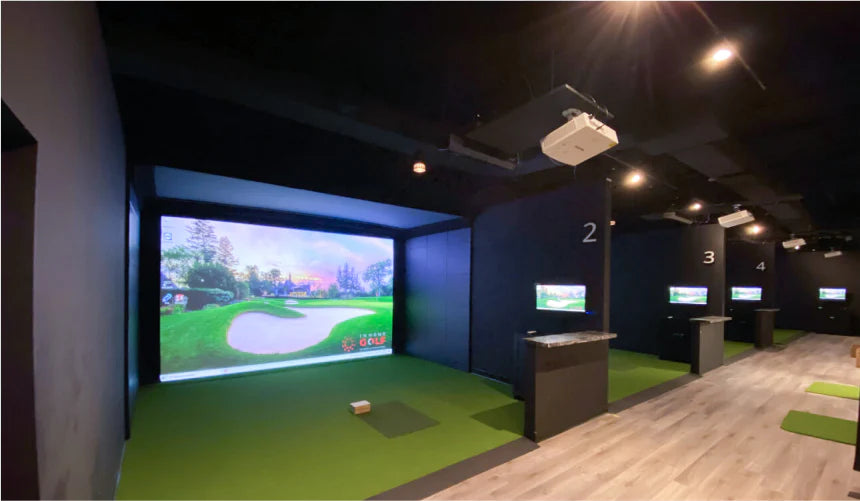
Image Source: inhomegolf.com
Launching Your Golf Simulator Venture
Opening an indoor golf center is a big project. It needs careful thought and planning. Think of it as building a house. You need good plans, the right tools, and a solid foundation. A golf simulator business is no different. It offers a new way to enjoy golf. It brings the course indoors. This can be great for both serious golfers and casual players.
Crafting Your Business Road Map
Every good business starts with a strong plan. Your golf simulator business plan is your guide. It shows what you want to do. It explains how you will do it. This plan is for you, but also for banks or investors. They will want to see it if you need money.
Here’s what your plan should include:
- Summary: A short overview of your idea. What is your business? Who is it for? How will it make money?
- Company Look: What will you call your business? What is its main purpose? What kind of place will it be?
- Service Offerings: Will you just have simulators? Or will you offer lessons, leagues, or parties? List everything.
- Market Analysis: Who are your customers? Are they avid golfers? Beginners? Families? How many are there nearby? What do they want? Also, look at any other indoor golf places around. What do they do well? What could they do better?
- Management Team: Who will run the business? What skills do they have?
- Marketing Plan: How will people know about your place? How will you get them to come in?
- Financial Plan: This is very important. How much money do you need to start? How much will you make? When will you start making a profit? This section will tie into golf simulator profitability.
Think of your plan as a living document. You can change it as you learn more. It helps you stay on track. It shows others you are serious.
Examining Initial Expenses
Starting any business costs money. For an indoor golf center, the indoor golf facility costs can be quite varied. They depend on many things. How big will your place be? How many simulators will you have? What brands will you buy?
Here is a list of common costs:
- Rent or Purchase of Space: This is often the biggest cost. You need a place with high ceilings. It needs enough room for simulators and a lounge.
- Simulator Gear: This includes the simulators themselves. You will need projectors, screens, launch monitors, and computers. This is a big part of your commercial golf simulator setup.
- Build-Out: This means making the space ready. You might need new walls, flooring, lighting, and electrical work.
- Furniture and Decor: Chairs, tables, couches, golf-themed decorations.
- Staff Wages: Money you pay your workers.
- Utilities: Power, water, internet.
- Insurance: Protects your business from harm.
- Legal Fees: For permits and licenses.
- Marketing Start-Up: Money to tell people you are open.
- Software and Booking Systems: To manage bookings and payments.
- Working Capital: Money to cover costs before you make a lot of sales.
Let’s look at an example table for costs. Please note, these are rough estimates. Your actual costs will vary greatly.
| Cost Item | Low Estimate (USD) | High Estimate (USD) | Notes |
|---|---|---|---|
| Space (Rent/Lease Deposit) | $5,000 | $50,000 | Varies by size and location. |
| Simulators (per bay) | $15,000 | $70,000+ | Depends on quality and features. |
| Installation (per bay) | $2,000 | $10,000 | For screens, projectors, and wiring. |
| Build-Out/Renovation | $10,000 | $100,000+ | Walls, flooring, lighting, soundproofing. |
| Furniture & Decor | $5,000 | $25,000 | Seating, tables, golf props. |
| Business Licenses/Permits | $500 | $5,000 | Varies by city and state. |
| Insurance | $1,000 | $5,000 (annual) | General liability, property. |
| Initial Marketing | $1,000 | $10,000 | Website, social media, ads. |
| Working Capital | $10,000 | $50,000 | To cover early expenses. |
| TOTAL ESTIMATED STARTUP | $50,500 | $325,000+ | For a multi-bay facility. |
These costs show that you need good money to start. Plan for more than you think you will need. This helps with unexpected issues.
Deciphering Commercial Simulator Setup
The heart of your business is the simulator itself. The commercial golf simulator setup is key to a good customer experience. It’s not just about buying a machine. It’s about how it fits into your space. It’s also about how it works for your customers.
Here are the main parts of a good setup:
- Launch Monitor: This is the brain. It tracks the ball and club. It measures speed, spin, and direction. Top brands include TrackMan, Foresight Sports (GCQuad, GC3), and Uneekor. Each has pros and cons. Some are more exact. Some are easier to use.
- Projector: You need a strong, bright projector. It shows the course on the screen. Look for short-throw projectors. They sit close to the screen. This stops shadows from players.
- Screen/Impact Screen: This is where you hit the ball. It must be very strong. It needs to handle many ball hits. It also needs to show a clear image.
- Hitting Mat: A good mat protects your joints. It feels like real grass.
- Computer System: A powerful computer runs the golf software. It needs a good graphics card.
- Software: This is the golf course itself. It should have many courses. It should update often. Some software comes with the launch monitor. Others you buy separately.
- Enclosure/Bay: This holds the screen, projector, and netting. It keeps players safe. It also makes the space look professional.
- Lighting: Good lighting helps the launch monitor see the ball. It also makes the bay feel inviting.
When choosing your setup, think about your target customer. Do they want the very best? Or is a good, reliable system enough? Test different systems if you can. Ask other indoor golf owners what they use. Your setup affects how much money you can make. It impacts golf simulator profitability.
Achieving Profitability
The goal of any business is to make money. Golf simulator profitability means that your income is more than your costs. There are many ways to make money in this business. This is where your golf simulator revenue models come into play.
Main ways to earn:
- Hourly Bay Rentals: This is the most common way. People pay by the hour to use a simulator bay. You can charge more during busy times. You can charge less during slow times.
- Memberships: Offer monthly or yearly memberships. Members pay a set fee. They get a certain number of hours or unlimited play. This creates steady income.
- Lessons: Hire golf pros to give lessons in your bays. You can split fees with them. Or you can pay them a set amount.
- Leagues and Tournaments: Organize golf leagues. People pay to join. They play against each other over weeks or months. Host one-day tournaments for prizes.
- Event Hosting: Rent out your space for parties. Think birthdays, company events, or team building. People can play golf and socialize.
- Food and Beverage (F&B): Offer snacks, drinks, and maybe beer or wine. This can add a lot to your income. Make sure you have the right licenses for this.
- Retail Sales: Sell golf balls, gloves, tees, or branded clothing.
- Club Fitting: Offer custom club fitting services. Use your high-tech simulators to help golfers find the best clubs.
To boost golf simulator profitability, focus on customer service. Make it easy to book. Keep your bays clean and working well. Offer a fun, friendly place. Happy customers come back. They also tell their friends.
Let’s look at a table showing potential revenue streams.
| Revenue Model | Description | How to Maximize |
|---|---|---|
| Hourly Bay Rentals | Charge per hour for simulator use. | Tiered pricing (peak/off-peak), package deals. |
| Memberships | Monthly/yearly access for members. | Offer different levels, loyalty programs. |
| Lessons | Golf instruction by certified pros. | Partner with local pros, offer group lessons. |
| Leagues/Tournaments | Organized play with entry fees. | Promote well, offer prizes, diverse formats. |
| Events/Parties | Rent out bays or full facility for gatherings. | Target corporate clients, offer catering options. |
| Food & Beverage | Sales of drinks, snacks, simple meals. | Offer popular items, create a lounge atmosphere. |
| Retail | Selling golf accessories, apparel. | Stock essentials, brand your own merchandise. |
| Club Fitting | Personalized club fitting services. | Hire certified fitters, market to serious golfers. |
Consider a mix of these. It gives customers more reasons to visit. It also gives you more ways to make money.
Securing Funds
Most people need money to start a business. Funding golf simulator business is a critical step. You need to know how much money you need first. This comes from your detailed cost breakdown.
Here are common ways to get money:
- Personal Savings: Using your own money is the cheapest way. You don’t pay interest. But it can be risky if the business does not work out.
- Friends and Family: They might lend you money. Make sure you have clear agreements in place. Treat it like a real loan.
- Small Business Loans: Banks offer loans for new businesses. You will need a strong golf simulator business plan. You will also need good credit. The Small Business Administration (SBA) often backs these loans. This can make them easier to get.
- Investor Loans: Some people or groups invest in new businesses. They might want a share of your company. Or they might want a say in how you run it. They expect a return on their money.
- Crowdfunding: You can ask many people for small amounts of money online. This can be for rewards (like free hours) or as an investment.
- Equipment Leasing: Instead of buying simulators, you can lease them. This means you pay a monthly fee. It can lower your upfront costs.
When seeking funds, be ready to show your numbers. Explain why your business will succeed. Show them your financial plan. This includes expected sales and costs.
Getting Legal Permissions
Before you open, you need to follow the law. Getting the right business license golf simulator is a must. The exact licenses you need will vary. They depend on your city, county, and state.
Here are typical legal steps:
- Business Structure: Decide if you will be a Sole Proprietorship, LLC, S-Corp, or C-Corp. An LLC (Limited Liability Company) is a popular choice. It protects your personal assets if the business runs into problems.
- Business Registration: Register your business name with the state. Get a Federal Employer Identification Number (EIN) from the IRS. This is like a social security number for your business.
- Local Permits: Your city or county will require permits. These might include a general business license. You may need specific permits for entertainment. Or for food and beverage sales.
- Health and Safety: Ensure your facility meets safety rules. This includes fire codes and public safety standards.
- Insurance: Get business insurance. This protects you from lawsuits, property damage, and other risks. Talk to an insurance agent who knows about indoor sports centers.
- Music Licensing: If you play music in your lounge or bays, you need licenses from groups like ASCAP and BMI. This covers the rights to play popular songs.
It is wise to talk to a lawyer. They can help you set up your business correctly. They can guide you through the permits and licenses needed. Do not skip these steps. Failing to get the right licenses can lead to big fines. It can even force you to close.
Finding the Right Spot
The place you choose is very important. Location scouting golf simulator involves looking for a place that works well. A good location can make your business. A bad one can break it.
Here’s what to look for:
- Visibility and Access: Is it easy to see? Is it easy to get to? Look for places near main roads. Good parking is a must.
- Ceiling Height: Simulators need high ceilings. At least 10 feet, but 12-15 feet is better. This lets people swing freely. It also lets you project a big image.
- Size: You need enough space for each simulator bay. Plus a lounge area, front desk, and restrooms. Each bay needs about 15-20 feet deep, 12-15 feet wide, and 10+ feet high.
- Target Audience Proximity: Is it near residential areas? Are there many golfers living close by? Is it near offices where people might play after work?
- Competition: Are there other indoor golf places nearby? If so, what do they offer? Can you offer something better or different?
- Zoning Laws: Check that the area is zoned for a business like yours. This means the city allows your type of activity there.
- Lease Terms: Read the lease agreement carefully. How long is it? What are the rent costs? What about increases? Who pays for repairs?
Think about foot traffic. Is it in a shopping center? Near other places people go? This can bring in walk-in customers. Visiting potential spots multiple times is a good idea. See what it feels like at different times of day. This helps with location scouting golf simulator.
Drawing in Customers
Once you are ready to open, you need to tell people. Marketing indoor golf center means letting potential customers know you exist. It tells them what you offer. It makes them want to come visit.
Here are key marketing ideas:
- Website: A professional website is a must. It should show your services, pricing, and how to book. Make it easy to use on phones.
- Social Media: Use platforms like Instagram, Facebook, and TikTok. Post pictures and videos of people playing. Show off your cool simulators. Run contests or special deals.
- Grand Opening Event: Host a party when you open. Offer free play for a short time. Give out discounts. Invite local media.
- Local Partnerships: Work with local golf shops, golf courses, or sports clubs. They can tell their members about your place. You can offer their members special deals.
- Online Ads: Use Google Ads or social media ads. Target people who search for “indoor golf” or “golf lessons” in your area.
- Email Marketing: Collect customer emails. Send out newsletters about new leagues, events, or deals.
- Loyalty Programs: Give rewards to regular customers. Maybe a free hour after so many paid hours.
- Referral Programs: Offer discounts to customers who bring in new players.
- Local SEO: Make sure your business appears when people search for “golf simulator near me” on Google Maps. Set up your Google My Business profile.
Think about what makes your place special. Is it the best tech? The cheapest rates? The most fun atmosphere? Highlight that in your marketing. Good marketing indoor golf center efforts lead to more customers and higher golf simulator profitability.
Assembling Your Team
Even if you start small, you will likely need help. Staffing golf simulator lounge involves finding the right people. They make your customer’s experience great.
Here are roles you might need:
- General Manager/Owner: Oversees everything. Handles daily tasks, marketing, and finances.
- Front Desk/Bay Attendants: These are your front-line staff. They greet customers. They help with booking. They explain how to use the simulators. They keep the bays clean.
- Golf Professionals (Pros): If you offer lessons, you need certified golf instructors. They can be full-time or part-time. You might pay them per lesson.
- Maintenance Staff: For larger facilities, someone to keep the simulators and equipment working. This might be a general staff member.
- Food & Beverage Staff: If you serve drinks and snacks, you need people to take orders and serve.
What to look for in staff:
- Customer Service Skills: Friendly, helpful, and patient.
- Golf Knowledge: They should know about golf and the simulators. They do not need to be pros. But they should understand the basics.
- Tech Savvy: Able to use the booking system and troubleshoot simulator issues.
- Reliability: Show up on time and do their job well.
Train your staff well. Make sure they know how to work all the equipment. Teach them how to handle customer questions. Good staff can greatly improve your business. They help ensure repeat visits. This links directly to your golf simulator profitability.
Operational Excellence
Running your golf simulator lounge well every day is crucial. This means keeping things smooth for your customers.
Here are some tips for daily operations:
- Booking System: Use good software for online bookings. It should be easy for customers. It should also manage your schedule well.
- Maintenance Schedule: Simulators get a lot of use. Set up a regular cleaning and check-up plan. This keeps them working. It stops big, costly problems.
- Inventory Control: If you sell drinks or snacks, track what you have. Reorder before you run out.
- Customer Feedback: Ask customers what they think. Use surveys or a comment box. This helps you improve.
- Cleanliness: A clean place is a happy place. Keep the bays, lounge, and restrooms spotless.
- Security: Think about security cameras. Keep your cash and valuable equipment safe.
Smooth operations lead to happy customers. Happy customers mean they will come back often. This helps your golf simulator revenue models work well.
Future Growth and Evolution
Once your business is stable, think about how to grow.
- Add More Bays: If your bays are always full, add more.
- Expand Services: Start offering club repair. Add more types of lessons.
- Second Location: If your first place is a hit, open another one.
- Host Major Events: Partner with golf brands or charities for bigger events.
- Technology Upgrades: Keep up with new simulator tech. Offer the latest and best to your customers.
Always keep an eye on the market. What do golfers want next? How can you make your business even better?
Key Takeaways for Success
Starting a golf simulator business is a big step. But with good planning, it can be a rewarding venture. Remember these key points:
- Plan well: A strong golf simulator business plan is your foundation.
- Know your costs: Be ready for indoor golf facility costs and commercial golf simulator setup.
- Aim for profit: Focus on smart golf simulator revenue models for golf simulator profitability.
- Get the money: Explore all options for funding golf simulator business.
- Be legal: Secure all necessary business license golf simulator.
- Pick the perfect spot: Good location scouting golf simulator is vital.
- Shout it out: Effective marketing indoor golf center brings in customers.
- Build a great team: Proper staffing golf simulator lounge makes a difference.
With focus and hard work, you can create a thriving indoor golf center. Good luck!
Frequently Asked Questions (FAQ)
Q1: How much space do I need for one golf simulator bay?
A1: You need roughly 15 feet deep, 12-15 feet wide, and a minimum of 10 feet high. Taller ceilings (12-15 feet) are much better for comfortable swings.
Q2: What is the most important piece of equipment for a golf simulator?
A2: The launch monitor is the most important. It tracks the ball and club data. This makes the simulation feel real. High-quality launch monitors are key to a good experience.
Q3: Can I run a golf simulator business by myself?
A3: You can start by yourself, especially for a small setup (1-2 bays). But as you grow, you will likely need staff. This helps with customer service, cleaning, and longer hours.
Q4: Is a golf simulator business profitable year-round?
A4: Yes, it can be. Indoor golf is popular in bad weather months (winter, very hot summer). But you can boost year-round play with leagues, lessons, and events. Marketing to non-golfers for parties also helps.
Q5: What is the biggest challenge in starting this business?
A5: Often, the biggest challenge is the upfront cost and finding the right location. Getting enough money and a suitable space with high ceilings can be tough. But careful planning helps a lot.