
Getting the right fit for your golf grips is a simple but important step that can truly change how you play golf. The main way to size a golf grip is by looking at the size of your hand and the length of your fingers when gripping the club. This guide will walk you through the process, helping you choose the best grip size for your game. It covers everything from finding your standard golf grip size to knowing when you might need oversize golf grips or undersize golf grips.
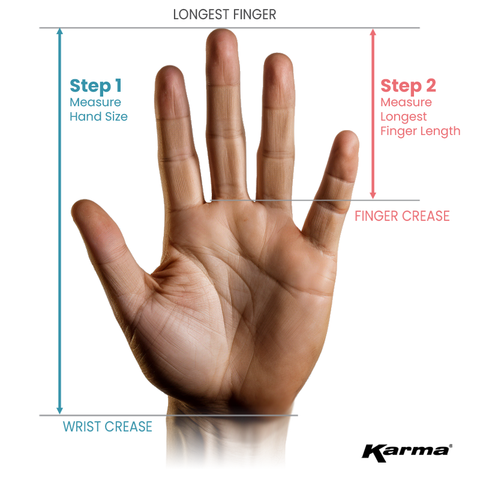
Image Source: cdn.shopify.com
Why Grip Size Matters So Much
Think of your golf grip as the only connection you have with the club. If that connection isn’t right, it’s hard to control the club well. The size of your grip affects many things in your swing.
When your grip is too small, you might use your hands too much. This can cause the clubface to close too fast. It might lead to hooks (shots that curve sharply left for right-handed players). It can also make you squeeze the club too tightly, causing tension in your arms and shoulders. This tension kills swing speed and makes it hard to swing smoothly.
If your grip is too big, it can make your hands less active. This might cause you to leave the clubface open at impact. This often results in slices (shots that curve sharply right for right-handed players). A grip that is too big can also make it feel like you can’t get your hands wrapped around the club properly. This can feel awkward and make it hard to release the club correctly through the ball.
Finding the right grip size helps your hands and arms work together well. It lets you hold the club with just enough pressure. Not too tight, not too loose. This relaxed hold helps you swing faster and control the clubface better. It also makes playing golf more comfortable, especially over 18 holes.
Factors That Change Grip Size Needs
Several things play a role in finding your perfect grip size. It’s not just one simple measurement. It involves looking at your hand size, how long your fingers are, and even how you like the grip to feel.
Your Hand Size
This is the main thing to consider. Golf grips come in different different golf grip sizes to match different hand sizes. Someone with large hands will need a thicker grip than someone with small hands. A grip that is too small for a large hand will cause those hooking problems we talked about. A grip too big for a small hand will lead to slices.
Your Finger Length
Finger length is also key. When you hold a grip, the tips of your longest fingers should just touch the pad of your hand. If your fingers dig into your hand, the grip is likely too small. If there’s a big gap between your fingers and your hand pad, the grip might be too big. We’ll talk more about how to check this later.
Your Personal Feel
Sometimes, even if a grip measures correctly for your hand size, it might not feel right. Some players prefer a slightly thicker grip because it feels more stable. Others like a slightly thinner grip because it feels like they have more control with their fingers. While measurements are a good start, paying attention to how the grip feels in your hands is also important.
How You Hold the Club
How you naturally hold the club can also affect your ideal grip size. If you have a very strong grip (hands turned more to the right for a righty), a slightly larger grip might help balance things out. If you have a weak grip (hands turned more to the left), a slightly smaller grip might feel better. This is less common but worth thinking about if you’ve tried standard sizing and something still feels off.
Types of Golf Grip Sizes
Golf grips don’t just come in one size. They come in a range to fit all kinds of hands. Knowing the common names for these sizes is the first step in your golf grip sizing guide.
Here are the usual grip sizes:
- Undersize Golf Grips: These are smaller than the regular size. They are good for players with very small hands or short fingers.
- Standard Golf Grip Size: This is the most common size. It fits most men with average-sized hands.
- Midsize Golf Grips: These are thicker than standard grips. They are for players with medium-large hands.
- Oversize Golf Grips (or Jumbo Golf Grips): These are the thickest grips. They are for players with very large hands or those who want to quiet their hands during the swing.
It’s worth noting that within each size category (like standard or midsize), there can be small differences between brands. Also, grip size can be made bigger by adding extra layers of tape under the grip when it’s installed. This adds to the grip thickness golf.
Finding Your Size: How To Measure Golf Grip Size
Ready to find your size? This is where we get practical. There are a couple of ways to figure out the right grip size for you.
Method 1: The Finger Test (Most Common)
This is the easiest and most common way to check if a grip is roughly the right size. You can do this with any club that has a grip you are thinking about using, or just a standard size grip.
- Hold the club: Use your non-gloved hand (usually the left hand for a right-handed golfer). Hold the club like you are going to swing, but focus on a relaxed grip. Your hand should be mostly closed around the grip.
- Check your fingers: Look at the fingers of that hand, specifically your middle two or three fingers. See where the tips of these fingers end up.
- Judge the fit:
- If the tips of your fingers are digging into the pad of your hand (the fleshy part below your thumb), the grip is likely too small.
- If the tips of your fingers lightly touch the pad of your hand, the grip is likely the right size (standard golf grip size might be right for you).
- If there is a noticeable gap between the tips of your fingers and the pad of your hand, the grip is likely too big (midsize golf grips or even oversize golf grips might be better).
This method gives you a quick visual check. It’s a great starting point.
Method 2: Hand Measurement
This method is a bit more precise and often used by club fitters. It helps you find a starting point for your size based on two measurements.
-
Measure Hand Length:
- Open your hand flat.
- Measure from the crease at your wrist (where your hand meets your arm) to the tip of your longest finger.
- Write this number down in inches.
-
Measure Finger Length:
- Open your hand flat.
- Measure from the crease at the base of your longest finger (where the finger meets the palm) to the tip of that finger.
- Write this number down in inches.
Once you have these two numbers, you can use a golf grip size chart.
Using a Golf Grip Size Chart
A golf grip size chart takes your hand measurements and suggests a starting grip size. Different grip companies might have slightly different charts, but they generally follow the same idea.
Here is a general example of a golf grip size chart:
| Hand Length (Inches) | Finger Length (Inches) | Suggested Starting Grip Size |
|---|---|---|
| Up to 6.5 | Up to 3 | Undersize |
| 6.5 to 7.5 | 3 to 3.5 | Standard |
| 7.5 to 8.5 | 3.5 to 4 | Midsize |
| 8.5+ | 4+ | Oversize (Jumbo) |
Important Notes on Using the Chart:
- This chart gives you a starting point. It’s not the final answer. Always try the grip on a club using the finger test before deciding.
- Some charts might use different measurement points or combine hand length and finger length in different ways. Look for the chart specific to the grip brand if possible.
- If your measurements put you between sizes, consider your preference. Do you tend to hook the ball (maybe go slightly larger)? Do you tend to slice (maybe go slightly smaller)?
- Remember that adding tape layers under the grip increases the effective size. A standard grip with two extra wraps of tape can feel like a midsize.
How Grip Thickness Golf Changes Things
The thickness of the grip is the main factor in grip size. But grip thickness golf isn’t just about the outer size. It’s also about how it’s made and how it feels.
Grips come in different materials:
- Rubber: Most common, offers good feel and durability.
- Cord: Has fibers woven in for more traction, especially in wet weather. Feels firmer.
- Synthetic/Polyurethane: Softer, often tackier feel.
The material and pattern on the grip also affect how thick it feels and how it performs. A grip with a deep, aggressive pattern might feel thicker than a smooth one of the same measured size.
When talking about grip thickness golf, people also talk about wraps. A “wrap” is a layer of tape added to the shaft before the grip is put on.
- One wrap = Standard installation
- Two wraps = Adds about 1/64 inch to the diameter (makes it slightly thicker)
- Four wraps = Adds about 1/32 inch (like moving almost halfway to the next size)
- Eight wraps = Adds about 1/16 inch (like moving up a full size)
This means you can fine-tune your grip size. If a standard grip feels almost right, but a little too thin, you might try it with two extra wraps. If a midsize feels a little too thick, you might try a standard with four extra wraps.
This ability to customize grip thickness golf using wraps is why fitting is important. A good club fitter can measure your hand, have you try different base sizes, and then add tape wraps until the feel is perfect.
Choosing the Right Golf Grip Size: Putting It All Together
So, you’ve measured your hand, looked at the chart, and understand the different sizes and how tape wraps change things. Now, how do you make the final choice for choosing the right golf grip size?
- Start with Measurement: Use the hand measurement method and the golf grip size chart to get a starting size idea (Undersize, Standard, Midsize, Oversize/Jumbo).
- Perform the Finger Test: Find a club with a grip in that suggested size (or a grip of that size you can hold). Use the finger test to see how it feels.
- Adjust Based on Finger Test:
- Fingers digging in? Try the next size up or add a couple of wraps of tape to the current size.
- Big gap? Try the next size down or remove a couple of wraps if using tape.
- Fingers lightly touching? This size might be right.
- Consider Your Swing (If Needed): If the measured size feels right but you consistently hook (righty) or slice (righty) the ball and you think it might be related to your hands, consider trying one size thicker (for hooking) or one size thinner (for slicing). Note: Grip size is rarely the ONLY reason for a hook or slice, but it can contribute.
- Think About Feel and Comfort: Do you like a firm or soft grip? Tacky or dry? While size is key, pick a grip type (material, texture) that feels good in your hands.
- Try Before You Buy (If Possible): Many pro shops or golf stores have demo grips you can hold. This is the best way to know for sure. If not, try holding clubs with different sizes of grips if you have friends with different setups.
Remember, the goal is a relaxed, controlled hold on the club. The right size lets you do that without thinking about it.
Impact of Grip Size on Your Swing and Shots
Getting the right grip size isn’t just about comfort. It changes how you interact with the club during the swing.
- Smaller Grip: Encourages more hand and wrist action. This can be good for generating speed, but can also lead to over-rotation of the clubface, causing hooks. Players with smaller hands naturally benefit from this.
- Larger Grip: Restricts hand and wrist action slightly. This promotes a more body-driven swing and can help square the clubface more consistently for players prone to slicing. It can also quiet the hands for players with too much hand action. Players with larger hands naturally need this.
Think about it like this: if your hand is too small for the grip, you can’t get your fingers around enough. This forces you to use your palm more and squeeze too hard. If your hand is too big, your fingers wrap too far around, making it hard to hinge your wrists properly and control the face angle.
The right grip size allows your hands to work naturally with your body. It lets you hinge and unhinge your wrists freely but with control. This helps you deliver the clubface squarely to the ball more often.
Maintaining Your Grips
Once you have the perfect size and type of grip, keep it clean! Dirt, sweat, and oils from your hands make grips slippery. A slippery grip makes you hold the club tighter, which adds tension.
Clean your grips regularly with mild soap and water. Let them air dry completely. This brings back the tackiness and keeps them feeling like new for longer.
Also, remember that grips wear out over time. The material loses its feel and can get hard or slick. Most golfers should replace their grips at least once a year, or more often if you play a lot. Worn grips affect performance, even if they are the right size.
Common Grip Sizes and Their Uses
Let’s look a bit closer at the typical uses for each grip size category. This helps you understand why a certain size might be recommended for you.
Undersize Grips
- Who uses them? Players with smaller than average hands, often juniors or women.
- Feeling: Allows for maximum hand and finger action on the club.
- Potential Effect on Swing: Can promote speed but also potentially lead to over-control with the hands, sometimes causing hooks.
Standard Size Grips
- Who uses them? The majority of adult male golfers. Players with average hand size.
- Feeling: The most common feel. Designed to allow a balance of hand/wrist action and body rotation.
- Potential Effect on Swing: Aids in a balanced swing for most players. This is the base size everything else is compared to.
Midsize Grips
- Who uses them? Players with larger than average hands, or players with average hands who prefer a slightly thicker feel for stability.
- Feeling: Feels noticeably thicker than standard. Can feel more stable.
- Potential Effect on Swing: Slightly reduces hand/wrist action compared to standard. Can help players prone to hooks by making the clubface close less rapidly.
Oversize (Jumbo) Grips
- Who uses them? Players with very large hands, or players who want to significantly reduce hand and wrist action. Can also be helpful for players with arthritis or hand pain as they require less grip pressure.
- Feeling: Very thick. Fills the hands completely. Requires minimal finger wrap.
- Potential Effect on Swing: Greatly restricts hand/wrist action. Promotes a body-controlled swing. Very effective at reducing hooks caused by too much hand turnover. Often used by players seeking maximum stability.
The Role of the Golf Grip Sizing Guide
A golf grip sizing guide is essentially the knowledge and tools available to help you figure out your size. This includes:
- Hand measurement methods.
- Golf grip size chart data.
- Information on the different grip sizes and how they feel.
- Understanding how tape wraps change the final size.
- Testing methods like the finger test.
Using a guide like this empowers you to make a smart choice instead of just guessing. It takes some of the guesswork out of the process and puts you on the path to a better connection with your clubs.
Customizing Your Grip Size with Tape
Adding layers of tape under the grip is a common way to fine-tune the fit. This changes the grip thickness golf measurement.
- Each layer of standard grip tape (usually about 0.006 inches thick) adds roughly 0.01 inches to the grip diameter.
- Golf grip sizes usually change in increments of 1/64th of an inch (which is about 0.0156 inches) or 1/32nd of an inch (about 0.03125 inches).
So, two extra wraps of tape makes a standard grip about 1/64 inch larger. Four extra wraps makes it about 1/32 inch larger. Eight extra wraps makes it about 1/16 inch larger, which is typically the difference between a standard and a midsize, or a midsize and an oversize.
This tape method is valuable because you can:
- Make a standard grip slightly thicker if midsize is too much.
- Make a midsize grip slightly thicker if oversize is too much.
- Match the feel across all your clubs, even if the grips are slightly different initially.
When getting grips installed, tell the person doing it how many extra wraps you want beyond the standard installation.
Signs You Need to Change Your Grip Size
How do you know if your current grips are the wrong size? Look for these signs:
- You consistently hook the ball (righty) and feel like your hands are too active. Your grip might be too small, causing too much hand turnover.
- You consistently slice the ball (righty) and feel like your hands are passive. Your grip might be too big, restricting hand action and leaving the face open.
- You feel like you have to squeeze the club too tightly. This can be a sign the grip is too small and you’re overcompensating.
- Your fingers dig into your palm when you hold the club. Definitely a sign the grip is too small.
- You have a large gap between your fingers and palm. The grip is likely too big.
- Your hands or forearms feel unusually tired or sore after playing. An ill-fitting grip can cause excess tension.
- It just feels awkward. Trust your gut. If the grip feels wrong in your hands, it probably is.
Don’t suffer with the wrong grip size! Changing it is one of the easiest and cheapest ways to improve your connection with your clubs and potentially your game.
The Importance of Trying Different Grips
Even with all the charts and measurements, there’s no perfect substitute for holding grips of different sizes.
- Visit a golf store or pro shop.
- Ask to hold clubs with standard, midsize, and oversize grips.
- Perform the finger test on each one.
- Pay attention to the feel. Which one allows you to hold the club with the least amount of tension while still feeling secure?
This hands-on testing is a crucial part of the golf grip sizing guide. It confirms what the measurements suggest or helps you choose if you’re borderline between sizes.
Beyond Size: Other Grip Considerations
While size is the main focus here, don’t forget about other factors when choosing the right golf grip size and type:
- Material: Rubber, cord, synthetic? Each feels different and performs differently in various weather.
- Texture: Smooth, dimpled, wrapped? Affects feel and traction.
- Shape: Most grips are round, but some have a flatter side for the putter (a different topic!). Some full swing grips have slightly different shapes, though less common now.
- Firmness: Grips come in different levels of firmness. Softer grips absorb more shock but can feel less responsive. Firmer grips offer more feedback but less cushioning.
These factors are personal preference but combine with size to create the overall feel of the grip.
The Value of a Professional Fitting
While you can definitely figure out a lot on your own using this guide, a professional club fitter can be a great help.
- They have tools to measure your hand precisely.
- They have a range of grip sizes and materials to test.
- They can observe your grip and swing (if necessary) to see if size might be a factor in any swing issues.
- They can install the grips correctly with the right number of tape wraps.
A quick grip fitting session might cost a little, but the improvement in comfort and control can be well worth it. It’s an investment in your game.
Summarizing the Grip Sizing Process
Let’s quickly go over the steps for how to size golf grips:
- Learn the Sizes: Know about Undersize, Standard, Midsize, Oversize/Jumbo.
- Measure Your Hand: Find your hand length and longest finger length.
- Use a Chart: Check a golf grip size chart with your measurements to get a starting point.
- Perform the Finger Test: Hold a grip of the suggested size and see how your fingers wrap.
- Adjust: Based on the finger test and feel, decide if you need to go up or down a size, or add tape wraps to adjust grip thickness golf.
- Consider Your Game: Think if your ball flight issues (hooks/slices) might relate to hand action and grip size.
- Test: If possible, hold actual clubs with different grip sizes.
- Decide and Re-Grip: Choose the size and grip type you want and get your clubs re-gripped.
Getting the different golf grip sizes right for your hands is a fundamental step to better golf. Don’t overlook it!
FAQ: Questions People Ask About Golf Grip Sizing
Is my hand size the only thing that matters for grip size?
No. While hand size is the main factor, finger length, how you naturally grip the club, and your personal feel preference also play a role. The goal is to find a size that allows a relaxed, controlled grip without excessive hand action.
What is the most common grip size?
The standard golf grip size is the most common. It fits most adult male golfers with average hand sizes.
How do I know if I need oversize golf grips?
You might need oversize golf grips if you have very large hands (hand length 8.5+ inches, finger length 4+ inches on a chart), or if the finger test shows a large gap between your finger tips and palm when holding a midsize grip. Some players also use them to quiet very active hands during the swing.
Can I use jumbo golf grips if I don’t have large hands?
Yes, you can, but it will likely restrict your hand action significantly. Some players who struggle with too much hand turnover (leading to hooks) might try jumbo golf grips intentionally to reduce this. However, it can also make it harder to release the club properly for others. It’s best to try before committing.
What are undersize golf grips for?
Undersize golf grips are designed for players with smaller than average hands, often women or junior golfers. They allow these players to properly wrap their fingers around the grip without it feeling too large.
Does adding tape wraps change the grip size?
Yes, adding layers of tape under the grip is a common way to increase the grip thickness golf. Each layer adds a small amount to the diameter, allowing you to fine-tune the size between the standard categories (undersize, standard, midsize, oversize).
How often should I replace my golf grips?
Most experts recommend replacing grips at least once a year, or every 30-40 rounds if you play frequently. Worn grips lose their tackiness and make you grip the club tighter, which hurts performance.
Can the wrong grip size cause me to slice or hook the ball?
Yes, it can contribute. A grip that is too small can encourage too much hand action, leading to hooks. A grip that is too large can restrict hand action, potentially leading to slices. However, swing mechanics are complex, and grip size is usually one factor among many.
Is there a specific golf grip sizing guide for every brand?
Grip manufacturers often provide their own specific golf grip size chart or recommendation guide. While they follow general principles, slight differences might exist. Checking the manufacturer’s site for the specific grip model is always a good idea.
Can I measure my grip size myself?
Yes, you can use the hand measurement and finger test methods described in this guide to get a very good idea of your correct size. Using a professional fitter ensures the most accurate measurement and fitting experience.