
Mastering The Fit: How To Shrink A Golf Glove Safely
Yes, you can shrink a golf glove! Many golfers wonder how to resize golf glove to get a better feel and more control. A good fit is key for your golf swing. A loose glove can cause big problems, like slipping and losing grip. This guide will show you how to tighten golf glove fit safely. It will help you get that snug golf glove fit you need for top performance.
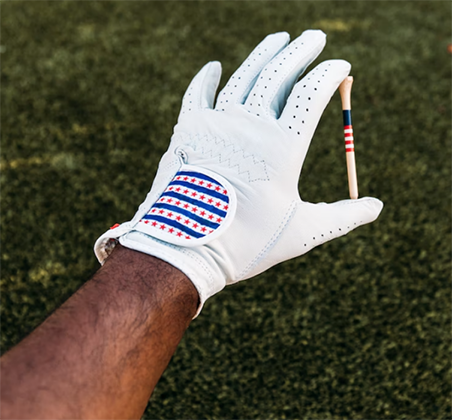
Image Source: riverlanding.com
Why a Snug Golf Glove Fit Matters for Your Game
Think about your golf glove. Does it feel like a second skin? If not, you are missing out. A golf glove is more than just an accessory. It is a vital link between you and your club.
A glove that fits well helps in many ways. It stops the club from twisting in your hand. It cuts down on sweat. It protects your hands from blisters. When your glove fits like it should, it means less grip pressure. This allows for a smoother swing. It gives you better feel and control. It helps you hit the ball straighter and longer.
On the other hand, a glove that is too big causes issues. It can bunch up in your palm. This makes you grip the club too hard. It leads to tension in your arms. This hurts your swing speed. A loose glove can also move around. This makes you lose control of the club. In short, a glove that does not fit well can cost you strokes. Learning how to shrink a golf glove can save your game.
The Impact of a Poor Glove Fit
- Loss of Control: Your hands can slip inside the glove. This makes it hard to control the club.
- Too Much Grip Pressure: You squeeze the club harder to stop it from slipping. This tightens your muscles.
- Reduced Feel: A loose glove takes away the direct connection to the club. You lose touch.
- Faster Wear and Tear: Loose spots rub more. This makes the glove wear out faster.
- Blisters: Extra movement inside the glove can cause painful blisters.
Many golfers buy gloves that are a bit too big. Or, their gloves stretch out over time. This is where golf glove shrinking methods come in handy. By safely shrinking your glove, you can bring back that perfect fit. This will boost your confidence on the course.
Different Golf Glove Materials and Shrinking
Before you try to shrink your golf glove, know what it is made of. Different materials react in different ways to water and heat. Knowing your glove’s material is the first step to successful shrinking.
Cabretta Leather Golf Gloves
Cabretta leather is the most common material for golf gloves. It comes from the skin of sheep. It is known for being soft, thin, and durable. This material offers a great feel. It lets you “feel” the club.
- Shrinking Behavior: Cabretta leather is great for shrinking. It absorbs water well. When it dries, it tends to pull in and get tighter. This makes shrink leather golf glove methods very effective for cabretta. It can get very stiff if dried wrong.
- Best Methods: Hot water golf glove shrink techniques work best here. Controlled drying is key to keep its softness.
Synthetic Golf Gloves
Synthetic gloves are made from man-made materials. These include microfiber, polyurethane, or nylon blends. They are often cheaper. They are more durable in wet weather.
- Shrinking Behavior: Synthetic materials do not shrink much. They are designed to hold their shape. Trying to shrink them often fails. It can even damage the glove.
- Best Methods: Shrinking is not advised for synthetic gloves. They are less likely to change size.
Hybrid Golf Gloves
Hybrid gloves mix materials. They often use Cabretta leather on the palm for feel. They use synthetic material on the back for flexibility and durability.
- Shrinking Behavior: The leather parts will shrink. The synthetic parts will not. This can lead to uneven shrinking. The glove might twist or feel odd.
- Best Methods: Use care. Focus on the leather parts. Avoid soaking the synthetic areas too much.
It is vital to check your glove’s label. It will tell you the material. This knowledge helps you choose the right shrinking method. It also helps you set the right expectations. Trying to shrink a synthetic glove usually leads to wasted effort. It might even ruin the glove. Stick to natural leather gloves, especially cabretta glove shrinking.
Preparing Your Golf Glove for Shrinking
Before you begin the shrinking process, a little prep work goes a long way. This ensures the best results. It also helps keep your glove in good shape.
1. Check the Material
As we talked about, material matters. Make sure your glove is made of natural leather. Cabretta is ideal. If it’s synthetic, do not try to shrink it. You might damage it.
2. Clean Your Glove
It is a good idea to clean your glove before shrinking. This removes dirt, oils, and sweat. A clean glove shrinks more evenly. It also feels better after the process.
- Gentle Hand Wash: Use a mild soap and cool water. Gently rub the glove. Do not use harsh chemicals. Rinse it thoroughly.
- No Bleach: Bleach will damage the leather. It will make it brittle.
- Air Dry First: Let it air dry a bit before shrinking. This removes excess water.
3. Inspect for Damage
Look for tears, holes, or weak seams. Shrinking can make these worse. If your glove is already damaged, it might be time for a new one. Shrinking might not save it.
Taking these steps will set you up for success. It will help you get that perfect snug fit. It will also help your glove last longer.
Popular Golf Glove Shrinking Methods
Now, let’s get to the core of how to shrink a golf glove. There are a few trusted golf glove shrinking methods. Each has its own steps and things to watch out for. We will cover the most effective ones here.
Method 1: The Hot Water Immersion Method (Most Recommended for Leather)
This is the most common and often best way to shrink a leather golf glove. It uses heat to make the leather fibers contract.
What you need:
* A basin or sink
* Warm to hot water (not boiling)
* Your leather golf glove
Steps for hot water golf glove shrink:
- Fill the Basin: Fill a clean basin or sink with warm to hot water. The water should be warm enough to be uncomfortable to touch for long. But it should not be boiling hot. Too hot water can damage the leather. It can make it stiff or crack.
- Submerge the Glove: Place your golf glove fully into the hot water. Make sure it is completely covered.
- Soak Time: Let the glove soak for about 5 to 10 minutes. The time depends on how much you want it to shrink. For a slight tighten golf glove fit, 5 minutes is fine. For more shrinkage, go closer to 10. The leather will absorb the water. It will start to feel heavier and softer.
- Gentle Squeeze: After soaking, take the glove out of the water. Gently squeeze out the extra water. Do not twist or wring the glove hard. This can stretch or damage the leather. You just want to remove the dripping water.
- Drying is Key (See next section): This is the most crucial step. How you dry the glove controls its final fit. You must put the glove on your hand while it is damp. This helps it mold to your hand as it shrinks.
Pros:
* Very effective for leather gloves.
* Allows for good control over shrinkage.
* Simple and quick.
Cons:
* Risk of over-shrinking if soaked too long.
* Can make the glove stiff if not dried correctly.
Method 2: The Washing Machine Method (Use with Caution)
Using a washing machine is a hands-off approach. But it carries more risk. It is not always recommended. It can be harsh on delicate leather. Only try this method if you are okay with the risk of damaging your glove. This method addresses washing golf glove for size directly.
What you need:
* Washing machine
* Mild detergent (optional, use sparingly)
* Mesh laundry bag (highly recommended)
Steps:
- Place in Mesh Bag: Put your golf glove in a mesh laundry bag. This protects it from snagging or getting tangled.
- Select Cycle: Choose a delicate or hand-wash cycle. Use cold water. Hot water can be too aggressive in a machine. It can cause too much shrinkage or damage.
- Add Detergent (Optional): If the glove is very dirty, add a tiny amount of mild, leather-safe detergent. Use very little.
- Run Cycle: Start the washing machine. Let it complete the cycle.
- Remove and Dry: Once the cycle finishes, take the glove out. Gently squeeze out excess water. Do not wring. Move straight to the drying process.
Pros:
* Less hands-on work.
* Can clean the glove at the same time.
Cons:
* Less control over the shrinking process.
* Higher risk of damage to the leather (cracking, stiffness).
* Can lead to uneven shrinkage.
Method 3: The Spray Bottle Method (For Minor Adjustments)
This method is for when you need just a little more snugness. It is less harsh than full immersion.
What you need:
* Spray bottle
* Warm water
Steps:
- Fill Bottle: Fill a spray bottle with warm water.
- Spray Glove: Lightly mist the areas of the glove that need to shrink. Focus on the palm or fingers. Do not drench the glove. Just make it damp.
- Wear the Glove: Put the damp glove on your hand right away.
- Air Dry: Let it air dry on your hand or in a well-ventilated area.
Pros:
* Very controlled shrinkage.
* Low risk of damage or over-shrinking.
* Good for fine-tuning the fit.
Cons:
* Not effective for major size changes.
* Might need to repeat several times for desired results.
No matter which of these golf glove shrinking methods you choose, the drying process is the most important part. It makes sure the glove keeps its softness and shape.
Golf Glove Drying Tips: The Most Important Step for Fit and Feel
Drying your golf glove after shrinking is critical. Do it wrong, and your glove can become stiff, brittle, or oddly shaped. Do it right, and you will have a perfectly fitting, soft glove. These golf glove drying tips are vital for success.
The golden rule for drying a golf glove after shrinking is this: Wear it as it dries.
Step-by-Step Drying Process:
- Initial Squeeze: After washing or soaking, gently squeeze out as much water as you can. Do not twist or wring the glove. This can damage the leather fibers. Just press it between your hands to remove excess water. It should be damp, not dripping.
- Put it On Your Hand: Immediately put the damp golf glove on your hand. Wear it for at least 15-30 minutes. This is crucial for achieving that snug golf glove fit. As the glove dries, it will mold to the shape of your hand. This helps it shrink exactly where you need it to.
- Flex Your Hand: While wearing the damp glove, flex your fingers. Make a fist. Open and close your hand. This helps to break in the leather. It also stops it from getting stiff. It ensures the glove shrinks to allow natural movement.
- Air Dry (Off-Hand): After wearing it for a while, carefully take the glove off. You can lay it flat on a clean towel. Or, you can use a glove shaper or a golf club shaft to help it hold its shape. Do not use direct heat.
- NO Direct Sunlight: Strong sun can dry leather too fast. It can make it stiff and crack.
- NO Heat Vents or Hair Dryers: Artificial heat sources are bad for leather. They strip away natural oils. This causes cracking and brittleness.
- Good Airflow: Place the glove in a spot with good air movement. A fan nearby is okay.
- Flip it: Turn the glove over every few hours. This helps it dry evenly.
- Wear Again as it Finishes Drying: As the glove gets almost dry, put it back on. Wear it for another 15-30 minutes. This final wearing helps to set the shape. It makes sure the glove feels right. It also helps to soften any spots that might be getting stiff.
- Full Dry: Let the glove air dry completely. This can take several hours or even overnight. Make sure it is fully dry before storing it. Storing a damp glove can lead to mold or mildew.
Preventing Stiffness During Drying:
- Handle Often: During the air-drying process, pick up the glove every hour or so. Gently work the leather. Flex it. This helps keep it soft.
- Conditioner (Optional): Once the glove is fully dry, you can apply a tiny amount of leather conditioner. Use one designed for delicate leather. This helps to restore natural oils. It keeps the glove supple. Only use a tiny bit. Too much can make it slick.
By following these golf glove drying tips, you will achieve the best results. Your golf glove will not only shrink to the perfect size. It will also stay soft and comfortable. This is key for a lasting snug golf glove fit.
Achieving the Perfect Snug Golf Glove Fit After Shrinking
You have shrunk your golf glove. You have dried it with care. Now, it is time to check your work and fine-tune that snug golf glove fit. This final stage makes sure your glove is ready for the course. It covers how to resize golf glove if it is not quite perfect.
Trying on the Shrunken Glove
- Put it On: Slide the glove onto your hand. It should feel tighter than before. But it should not be uncomfortably tight.
- Check for Wrinkles: A well-fitting glove should have no wrinkles or excess material in the palm. The material should be smooth across your hand.
- Flex Your Hand: Make a fist. Open your hand. Wiggle your fingers. The glove should allow full movement. It should not pull or restrict you.
- Check Finger Length: The tips of your fingers should reach the ends of the glove’s fingers. There should be little to no extra space at the tips.
- Thumb Check: The thumb area should feel secure. It should not be too loose.
- Velcro Closure: The Velcro tab should close easily. It should not strain the material.
Post-Shrinking Adjustments (Tighten Golf Glove Fit)
- Too Loose (Still): If the glove is still a bit too loose, you can repeat the hot water immersion method. But be careful. Soak it for a shorter time (2-3 minutes). Then, dry it again on your hand.
- Too Tight: If you over-shrunk the glove and it feels too tight, there are ways to loosen it slightly:
- Wear it While Damp: Lightly mist the glove with water. Then, wear it for an extended period. This helps it stretch and mold.
- Stretch Gently: With the glove on, gently stretch the leather in problem areas. Do not pull too hard. This can tear the material.
- Play Golf: Sometimes, the best way to break in a glove is to just play golf with it. The natural movements will help it conform to your hand.
- Stiffness: If the glove feels stiff after drying, lightly condition it with a leather conditioner. Work it into the leather. Then, wear it and flex your hand to soften it up.
The Goal: A “Second Skin” Feel
The perfect fit means the glove feels like a second skin. It should move with your hand, not against it. It should provide a direct connection to the club. When you have this fit, you will notice improved feel, less hand fatigue, and better control. This is the power of a perfectly sized golf glove. This is what ‘snug golf glove fit’ truly means for your game.
Golf Glove Care for Longevity and Maintaining Size
Shrinking your golf glove can revive it. But proper golf glove care is essential to keep that perfect fit. It also helps your glove last longer. Neglecting your glove can lead to stiffness, cracking, or rapid wear. This means you will need to replace it more often.
General Care Tips:
- Alternate Gloves: Do not use the same glove for every round. Buy two or three. Rotate them. This allows each glove to fully dry out between uses. It helps them keep their shape and flexibility.
- Air Out After Every Round: After playing, always take your glove off. Do not leave it crumpled in your bag. Lay it flat. Or, put it on a glove shaper. This lets it dry completely. It stops sweat from breaking down the leather.
- Keep it Flat: Store your glove flat in your golf bag’s pocket. Or, use a glove shaper. This prevents creases and wrinkles. These can become stiff spots.
- Avoid Extreme Temperatures: Do not leave your glove in a hot car. Do not store it in a cold garage. Extreme heat or cold can dry out or crack the leather.
- Clean When Needed: If your glove gets dirty, gently hand wash it with mild soap and cool water. Rinse well. Then, follow the golf glove drying tips mentioned earlier.
- Condition Leather (Sparingly): For leather gloves, a tiny bit of leather conditioner can keep it soft and supple. Do this only when the glove feels dry or stiff. Use conditioners designed for delicate leather goods.
- Don’t Over-Grip: A properly fitting glove reduces the need to grip the club too tightly. This saves both your hand and the glove from stress.
Specific Golf Glove Care Shrinking Tips:
- Avoid Repeated Shrinking: While you can repeat the shrinking process, do not do it too often. Each time you wet and dry the leather, it puts stress on the material. It can make the glove wear out faster. Aim for one good shrink. Then maintain the fit with proper care.
- Monitor Fit: Pay attention to how your glove feels. If it starts to loosen, it might be a sign it is time for a new one. Or, a very gentle, quick re-shrink might be needed.
- Spot Treat for Minor Looseness: If only one area, like a finger, gets loose, use the spray bottle method. This targets the problem area. It avoids re-soaking the whole glove.
By following these care rules, you can extend the life of your golf glove. You can also keep that perfect, snug fit for many rounds to come. This saves you money in the long run. It also helps your game stay sharp.
Comprehending When to Replace Your Golf Glove
Even with the best shrinking methods and care, a golf glove will not last forever. Knowing when to replace your glove is as important as knowing how to shrink it. Trying to save a glove that is past its prime can hurt your game more than help it.
Signs Your Glove Needs Replacing:
- Loss of Grip: The most obvious sign. If your glove feels slick, even after cleaning, it is losing its grip. This can happen from oils, dirt buildup, or simply worn-out material.
- Holes or Tears: Any visible holes, especially in the palm or fingers, mean it is time for a new glove. These spots will get worse quickly.
- Stiffness and Cracking: If your glove has become stiff and brittle, even after conditioning, it is no longer effective. Stiff gloves limit feel and hand movement.
- Permanent Wrinkles or Bunching: If the glove bunches up in the palm despite shrinking efforts, it might be stretched out too much. Or, the leather’s fibers are permanently damaged.
- Velcro No Longer Sticks: The closure tab is vital for a secure fit. If the Velcro no longer holds, the glove will loosen during your swing.
- Uneven Wear: If one part of the glove is much more worn than another, it can affect overall performance. For example, a worn-out thumb area might make it hard to maintain grip pressure.
- Loss of Feel: If you feel disconnected from the club, it means the glove is not doing its job. It might be too thick, too worn, or simply not providing the tactile feedback you need.
Why a Worn Glove Hurts Your Game:
Using a worn-out glove can lead to:
* Inconsistent Shots: Poor grip causes inconsistent clubface control.
* Blisters and Calluses: Lack of protection can lead to hand injuries.
* Added Tension: You grip tighter to compensate for lost friction. This creates tension in your arms and shoulders.
* Lack of Confidence: A poor-fitting or worn glove affects your mental game. You worry about your grip instead of your swing.
The Cost-Benefit:
A golf glove is a small investment compared to clubs or green fees. Replacing it regularly is part of good golf maintenance. While golf glove shrinking methods can extend a glove’s life, there comes a point of no return. Prioritize performance and comfort. A fresh, properly fitting glove can truly elevate your game. It provides the best connection between you and the club.
Frequently Asked Questions (FAQ)
Here are some common questions about how to shrink a golf glove.
Q1: Can I shrink a synthetic golf glove?
A: No, shrinking synthetic golf gloves is not recommended. Synthetic materials are designed to hold their shape. They do not have the natural fibers that leather does. Trying to shrink them often fails. It can even damage the glove, making it unusable. Focus shrinking efforts only on leather gloves, especially Cabretta.
Q2: How often can I shrink my golf glove?
A: You should not shrink your golf glove often. Ideally, you do it once to get the perfect fit. Each time you wet and dry leather, it puts stress on the material. This can make the glove wear out faster. It can also lead to stiffness or cracking over time. If your glove needs constant shrinking, it might be time for a new one.
Q3: What if I over-shrink my golf glove? Can I stretch it back out?
A: Yes, you can try to stretch it back out. If your glove is too tight after shrinking, lightly mist it with water. Then, wear it for an extended period. Flex your hand and gently stretch the leather. You can also play golf with it. The natural movements will help it conform to your hand. However, there is a limit to how much you can stretch it. If it is too tight, it might be beyond saving.
Q4: Does cold water shrink golf gloves?
A: Cold water will cause some minimal shrinkage. But it is not as effective as warm or hot water. Heat helps the leather fibers contract more. For the best results when trying to shrink a golf glove, use warm to hot water for soaking. Then, focus on the drying process to get the right fit.
Q5: How long does it take for a golf glove to shrink?
A: The actual shrinking happens during the soaking and initial drying phase. Soaking takes 5-10 minutes. The glove begins to shrink as it dries on your hand. The complete drying process can take several hours, or even overnight. This is the time when the glove sets its new, smaller size. The final fit fully develops as it air dries.
Q6: Should I use soap when shrinking my golf glove?
A: You can use a tiny amount of mild, leather-safe soap if the glove is dirty. But it is not needed for shrinking itself. The water is what causes the shrinking. If you do use soap, make sure to rinse the glove very well. This removes all soap residue. Leftover soap can make the leather stiff.
Q7: Will shrinking my golf glove ruin its feel?
A: If done correctly, shrinking your golf glove should improve its feel. A better fit means better connection to the club. However, if you use water that is too hot, or if you dry it incorrectly (e.g., using direct heat), it can make the leather stiff and brittle. This will ruin the feel. Always follow the golf glove drying tips carefully.
Q8: Can I put my golf glove in the dryer?
A: Absolutely not! Never put your golf glove in a machine dryer. High heat will damage the leather. It will make it stiff, brittle, and can cause it to crack. It will also likely over-shrink it unevenly. Always air dry your golf glove.
Q9: What is the best way to maintain the fit after shrinking?
A: To maintain the fit, always air out your glove after each round. Store it flat or use a glove shaper. Avoid leaving it crumpled in your bag or in extreme temperatures. Rotate between multiple gloves. And follow good golf glove care shrinking tips to keep the leather supple. This prevents it from stretching out again too quickly.
Q10: Is it worth shrinking a golf glove, or should I just buy a new one?
A: It is often worth shrinking a golf glove if it is made of natural leather and is only slightly loose. It can save you money and give you a perfectly customized fit. However, if the glove is very old, worn out, or damaged, it is better to buy a new one. There comes a point where shrinking will not restore its performance.