
The Ultimate Guide: How To Set Up A Golf Scramble Tourney
A golf scramble is a fun team game where each player hits the ball, and the team picks the best shot to play from next. Then, all players hit from that spot. This makes golf fun for everyone, even new players. It is a great way to raise money or just have a good time with friends. This guide will show you how to set up a golf scramble tourney that people will love.
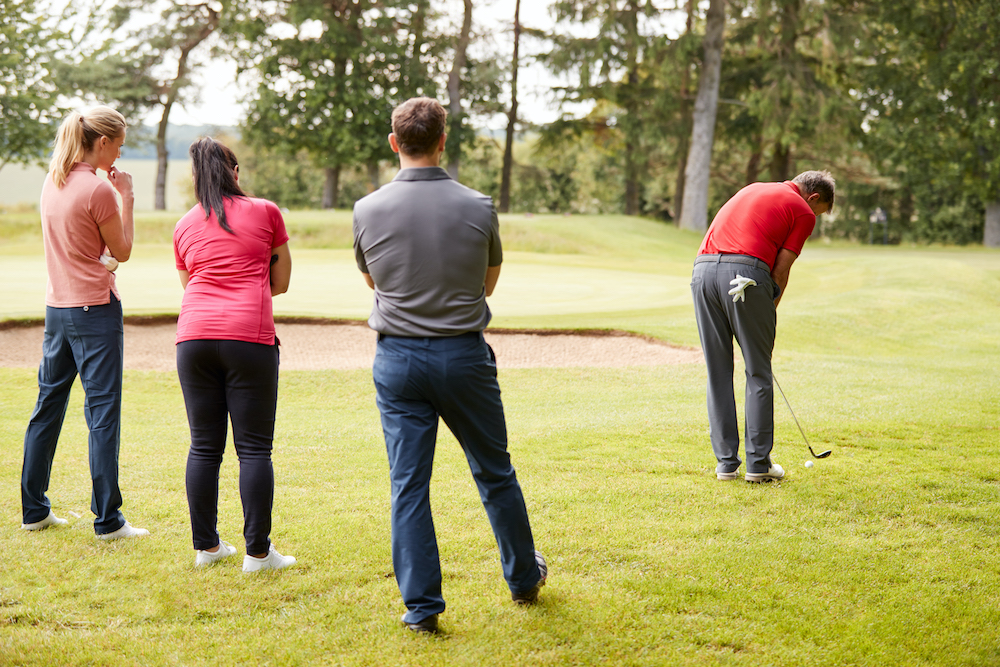
Image Source: www.stcloudcountryclub.com
Charting Your Course: Essential Steps for a Successful Golf Scramble
Setting up a golf scramble takes good planning. From finding the right golf course to handing out prizes, each step is key. Let’s walk through it.
Phase 1: The Initial Drive – Planning Your Scramble
A good plan is like a good tee shot. It sets you up for success.
Setting Your Goals
Before you start, know why you are holding the event. Is it for fun? To make money? Or to help a cause?
* Fundraising: Many groups use golf scrambles to raise money. This is called charity golf event planning. You might want to help a local school or a hospital. Your goal might be to collect a certain amount of money.
* Company Outing: A company might hold a scramble for its workers. This helps people get to know each other better. It builds good teamwork.
* Friendship Event: Sometimes, it is just for fun. Friends or family might get together for a relaxed day on the golf course.
Knowing your goal helps you make all other choices. It guides your budget and how you invite people.
Building Your Core Team
You cannot do it all alone. Get a small group of people to help. Each person can take on a task.
* Event Leader: This person oversees everything. They make sure tasks get done.
* Course Contact: Someone needs to talk with the golf course staff. They book the date and discuss needs.
* Money Person: This person handles all the money. They track costs and income. This is part of golf tournament budgeting.
* Player Contact: This person handles sign-ups and questions from players.
* Sponsor Finder: If you want to raise money, someone needs to find sponsors.
* Prize Master: This person finds and buys prizes.
Budgeting Your Tournament
How much money will you spend? How much do you need to raise? This is a big part of golf tournament budgeting. Make a list of all costs.
* Golf Course Fees: This is often the biggest cost. It includes green fees and carts.
* Food and Drinks: Will you have breakfast, lunch, or dinner? Drinks on the course?
* Prizes: What will you give to winners? What about contest prizes?
* Marketing: How will you tell people about your event? Flyers, emails, social media?
* Staff/Volunteers: Do you need to pay anyone? Or just get volunteers?
* Extra Fun: Mulligans, string, hole-in-one insurance.
* Supplies: Scorecards, pens, rule sheets, welcome bags.
Table: Example Golf Scramble Budget Items
| Item | Description | Estimated Cost |
|---|---|---|
| Golf Course Fees | Green fees, golf carts | \$X,XXX |
| Food & Beverage | Lunch, dinner, drinks, snacks | \$X,XXX |
| Prizes & Awards | Winner prizes, contest prizes | \$XXX |
| Event Marketing | Flyers, website, social media ads | \$XX |
| Staff/Volunteer Needs | T-shirts, water, snacks for helpers | \$X |
| Contests & Games | Hole-in-one insurance, closest to pin markers | \$XXX |
| Registration Supplies | Scorecards, pens, welcome bags | \$XX |
| Miscellaneous | Unexpected costs, extra items | \$XXX |
| Total Estimated Costs | \$X,XXX |
Try to get quotes from different places for each item. This helps you save money.
Picking the Perfect Place
The golf course you pick is very important. This is called course selection for golf events.
* Location: Is it easy for players to get to?
* Cost: Does it fit your budget? Ask about group rates.
* Course Style: Is it too hard for new players? Or too easy for good players? A scramble works well on most courses because all players can help.
* Facilities: Does the course have a place for lunch or an awards party? Do they have enough golf carts? Can they help with scoring?
* Availability: Is your chosen date open? Weekends are popular but might cost more.
Call a few courses. Tell them you want to host a scramble. Ask what they offer for events. Some courses have special event staff to help you.
Deciding on the Date and Time
Pick a date that works for most people.
* Avoid Conflicts: Do not pick a day when other big events are happening. Check local calendars.
* Weather: Think about the weather. Spring and fall are often good for golf. Summer can be very hot in some places.
* Day of the Week: Weekends might get more players but can be more costly. Weekdays might be cheaper but might mean fewer players.
* Start Time: Most scrambles start in the morning. This lets you finish before it gets too late. A “shotgun start” is common. Everyone starts at a different hole at the same time. This makes the game end for everyone at about the same time.
Phase 2: Shaping the Game – Rules and Registration
Now, let’s look at how the game works and how to get players signed up.
Deciphering the Play: Golf Scramble Format Rules
A golf scramble is simple and fun. Here is how it usually works:
1. Teams: Players play in teams, usually of four.
2. All Hit: On each hole, all players hit their tee shot.
3. Pick the Best: The team looks at all the balls. They pick the very best shot.
4. All Play From There: All players then pick up their own ball. They drop it within one club length of the best shot (no closer to the hole). All players then hit their next shot from this new spot.
5. Repeat: This process repeats until the ball is in the hole.
6. One Score: The team records just one score for the hole. This is the score of the ball that went in the hole.
Common Scramble Variations:
* Texas Scramble: This is like a regular scramble, but each player must have at least a certain number of drives chosen during the round. For example, each player must have at least two of their tee shots picked. This makes sure everyone’s shot counts.
* Reverse Scramble: The team picks the worst shot to play from. This is much harder and more for fun.
Keep the rules simple. Print them out for each team. Have someone explain them before play starts.
Crafting Your Scoring System
How will you keep score? And how will you decide the winner? This is your golf scramble scoring system.
* Scorecards: Each team needs a scorecard. It should have space for each hole’s score. It also needs a spot for team names and player names.
* Gross Score: This is the total number of strokes the team took.
* Net Score: This is the gross score minus any team handicap. This helps make the game fair for teams with different skill levels.
* Turning in Cards: Tell teams where and when to turn in their scorecards. Have a place for them to sign their card. This shows they agree with the score.
Table: Example Golf Scramble Scorecard Layout
| Hole No. | Par | Team A Score | Team B Score | … |
|---|---|---|---|---|
| 1 | 4 | |||
| 2 | 5 | |||
| 3 | 3 | |||
| … | … | |||
| 18 | 4 | |||
| Total | ||||
| Handicap | ||||
| Net Score |
Make sure someone is ready to add up all the scores quickly and correctly.
Navigating Handicaps: Handicap Rules for Golf Scrambles
Handicaps help make a game fair for players of different skill levels. This is about handicap rules for golf scrambles.
* Why Handicaps Matter: In a scramble, a team of very good golfers might win easily. Handicaps can give teams with newer players a better chance.
* Common Ways to Use Handicaps:
* Total Handicap: Add up the handicaps of all players on the team. Take a percentage of this total. For example, 10% of the total handicap.
* Average Handicap: Find the average handicap of the team members. Use a percentage of this average.
* Specific Player Handicaps: Some events use a formula based on each player’s handicap. For example, 20% of the lowest, 15% of the next, 10% of the third, and 5% of the highest.
* No Handicaps: For a very casual event, you might not use handicaps at all. This means the best team wins outright.
Decide on your handicap rule early. Tell players about it when they sign up.
Getting Players On Board: Tournament Golf Registration Tips
You need players to have a tournament! Here are some tournament golf registration tips.
* Make it Easy: Use an online sign-up form. Websites like Eventbrite or GolfStatus can help. Or, use a simple Google Form.
* What to Ask For:
* Player names
* Email addresses
* Phone numbers
* Handicap (if you are using them)
* Team name (if they have one)
* Any food needs (like allergies)
* Price and Payment: Clearly state the cost per player or per team. Offer ways to pay online.
* Early Bird Deals: Give a small discount for signing up early. This helps you know how many players to expect.
* Deadline: Set a clear date for when people must sign up. This helps with planning.
* Communicate: Send email updates to signed-up players. Tell them about the schedule, rules, and any changes.
Putting Together Your Teams: Team Golf Tournament Organization
You have players, now you need teams. This is team golf tournament organization.
* Let Them Pick: The easiest way is to let players form their own teams. This works well for social events.
* Make Balanced Teams: If you want a fair game, you might need to make the teams yourself.
* Ask for handicaps when players sign up.
* Try to put one good player, two medium players, and one new player on each team. This makes the game fun for everyone.
* Random Draw: You can put all player names in a hat and draw them out for teams. This is a fun way to mix people up.
* Avoid Stacking: Do not let one team have all the best players. This makes the game less fun for others.
* Share Teams Early: Once teams are set, share the list. Players can then find their teammates before the event.
Phase 3: Enhancing the Experience – On-Course Fun and Logistics
Make the day fun for everyone. This includes extra games and good planning on the day.
Boosting Your Funds: Fundraising Golf Tournament Logistics
If you are raising money, this part is key. This covers fundraising golf tournament logistics.
* Sponsorships:
* Hole Sponsors: Companies pay to have their name on a sign at a golf hole. This is a good way for them to show they support your cause.
* Contest Sponsors: A company might pay for the prize for the “Longest Drive” contest.
* Event Sponsors: A big sponsor might pay for the whole event. Their name would be on all materials.
* Extra Games:
* Mulligans: Sell “do-overs.” A player can buy one or two mulligans. If they hit a bad shot, they can use a mulligan and hit again.
* String: Sell a length of string (e.g., 5 feet). Teams can use the string to move their ball closer to the hole without taking a stroke. Once the string is used, it is cut off.
* Hole-in-One Contest: Get a car or a large cash prize for a hole-in-one on a specific hole. You will need special insurance for this.
* Raffles and Auctions:
* Raffle: Sell tickets for a chance to win prizes.
* Silent Auction: Have items that people can bid on in writing. The highest bid wins. Good items are sports tickets, gift baskets, or gift cards.
* Donations: Simply ask for donations from players or others.
Make sure all money raised goes to your cause. Tell people how the money will be used.
Offering Exciting Awards: Golf Scramble Prize Ideas
Everyone loves to win! Good prizes make the event more fun. These are golf scramble prize ideas.
* Top Teams:
* First place: Golf bags, golf club sets, good gift certificates, trophy.
* Second place: Golf shirts, golf balls, smaller gift certificates.
* Third place: Golf gloves, hats.
* Contest Winners:
* Closest to the Pin: On a par 3 hole, the person whose ball stops closest to the hole wins. Prize ideas: rangefinder, putting mat, gift card.
* Longest Drive: On a par 5 or long par 4, the person who hits the ball the farthest in the fairway wins. Prize ideas: new driver, golf lessons, gift card.
* Longest Putt: The person who makes the longest putt on a certain green wins. Prize ideas: putting aid, golf balls.
* Hole-in-One: The big prize, if you have insurance for it (car, cash).
* Fun Prizes:
* Last Place: A funny prize like a “golf survival kit” (band-aids, lost golf balls).
* Most Honest Score: For the team with the highest score.
* Best Dressed Team: For teams that wear fun outfits.
Have prizes ready to go. Make sure they are easy to hand out.
Day-Of Play: Ensuring Smooth Operations
The day of the event needs to run smoothly.
* Check-in Desk: Set up a table for players to check in.
* Give them their scorecard, rule sheet, and any welcome gifts.
* Tell them their hole number if it is a shotgun start.
* Have volunteers ready to help.
* Welcome and Rules: Before players go to their holes, have someone welcome everyone. Briefly explain the rules again. Remind them where to turn in scorecards.
* On-Course Helpers: Have volunteers or staff drive around the course. They can help with questions, mark contest winners, and make sure play keeps moving.
* Food and Drink: Tell the golf course about any food or drink needs. Make sure drinks are available on the course.
* Restrooms: Make sure players know where to find restrooms.
A smooth day makes everyone happy.
Phase 4: After the Last Putt – Wrap-Up and Review
The game is over, but your job is not quite done.
Calculating Scores and Announcing Winners
- Quick Scoring: As soon as scorecards come in, have a few people ready to add them up. Double-check all numbers.
- Awards Ceremony: Gather everyone for a short awards party.
- Thank everyone for coming.
- Thank your sponsors and volunteers.
- Announce the winners for all contests.
- Announce the winning teams.
- Give out the prizes.
- Take pictures of the winners.
Make it fun and quick.
Expressing Thanks
Saying thank you is very important.
* Thank You Notes: Send thank you notes or emails to your sponsors. Tell them how their money helped.
* Thank Volunteers: A small gift or a thank you card for your volunteers goes a long way. They worked hard for you.
* Thank Players: Send an email to all players. Thank them for playing. Share some pictures from the day. If it was a fundraiser, tell them how much money was raised.
Looking Back and Improving
After the event, take time to think about what went well and what did not.
* Gather Feedback: Ask players and volunteers what they liked or disliked.
* Review Budget: Look at your budget. Did you spend more than planned? Did you make more money than planned?
* Note Lessons Learned: Write down what you learned. This will help you plan your next event. For example, maybe you need more volunteers next time. Or maybe a different prize was more popular.
This review helps you make your next golf scramble even better.
Frequently Asked Questions (FAQ)
How many players are on a scramble team?
Most scramble teams have four players. Sometimes, you might see three-person or five-person teams, but four is the most common.
Can beginners play in a golf scramble?
Yes! A scramble is perfect for beginners. Since everyone plays from the best shot, new players do not feel bad about bad shots. They can still help the team. It is a great way to learn and have fun.
What is a good score in a golf scramble?
A good score depends on the course and the team’s skill. Many good teams aim to shoot well under par (e.g., 8-15 strokes under par for 18 holes). For a fun event, any score that lets everyone have a good time is a good score.
Do you use your own clubs in a scramble?
Yes, each player uses their own set of golf clubs. You will still hit your own ball for each shot, even if the team picks another player’s ball to play from next.
Is a scramble a good fundraiser?
Yes, golf scrambles are very popular and effective fundraisers. People enjoy playing, and there are many ways to raise extra money through sponsorships, mulligans, raffles, and contests.
Setting up a golf scramble tourney might seem like a lot of work. But with good planning and a strong team, you can host a fun and successful event. It is a great way to bring people together, enjoy the outdoors, and help a good cause. Get started with your planning today, and you will be on your way to a great day on the green!