
Can you polish golf irons yourself? Yes, you absolutely can. What is the best polish for golf clubs? Often, simple metal polishes designed for steel or chrome work very well, though specific golf club polishes exist. Can you clean stainless steel golf irons easily? Yes, stainless steel is quite durable and cleans up nicely with the right steps. This guide shows you how to do it yourself.
Old golf irons can look sad. They get dirty. They get rust spots. This can make them look bad. It can even affect how you hit the ball. Rust is bad for the metal. Dirt stops the grooves from working right. You want your clubs to look nice. You want them to work their best. You can bring back the shine. You can clean them well at home. You don’t need fancy tools. This guide helps you do it easily. You will learn how to polish golf irons step by step. This helps restore golf club finish. It makes your clubs look new again.
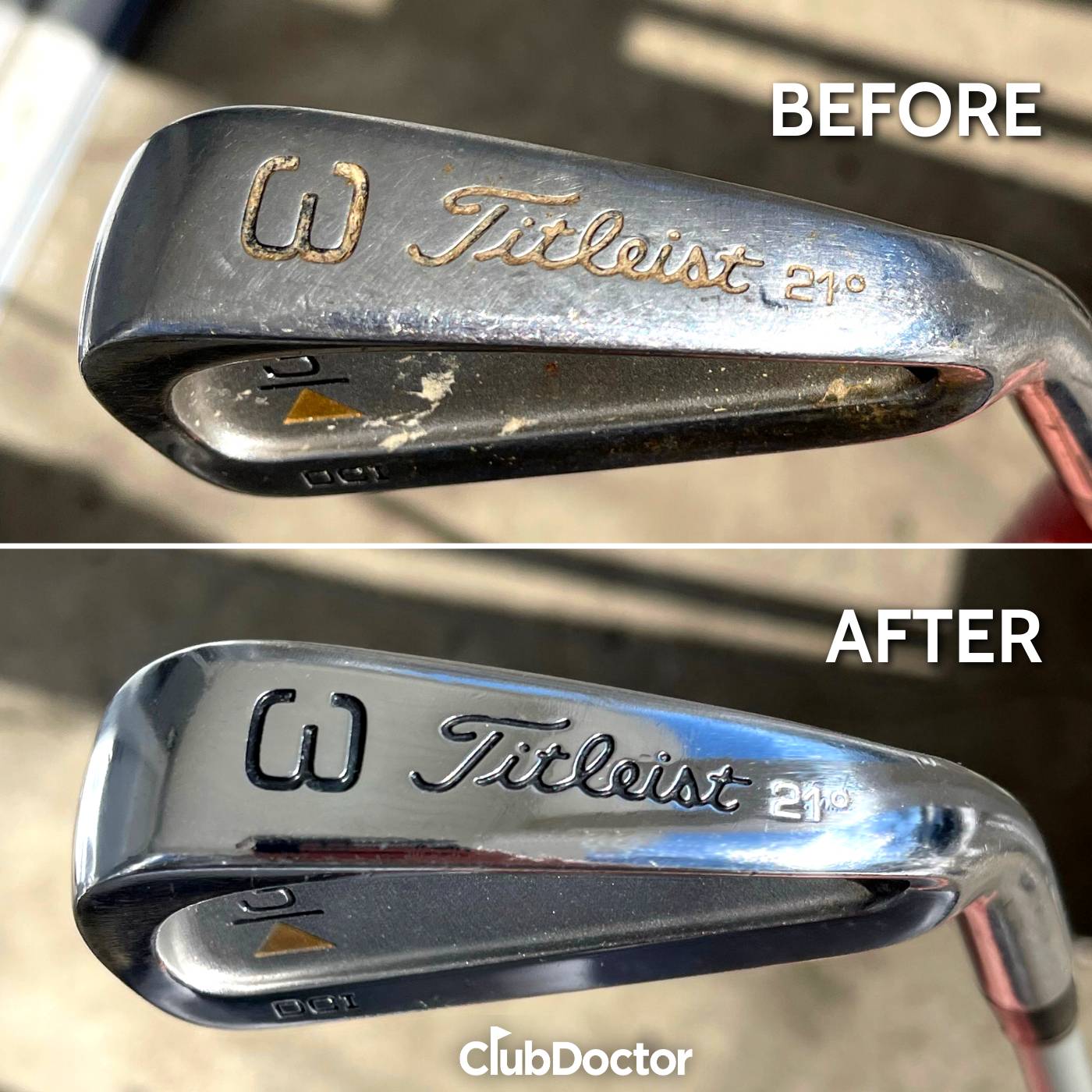
Image Source: clubdoctorgolf.com
Why Clean and Polish Your Golf Irons?
Why spend time cleaning your golf clubs? There are good reasons.
- Better Shots: Clean grooves grip the ball better. This helps you control spin. Good control means better shots. Dirty grooves don’t work well.
- Longer Life: Dirt and rust hurt the metal. Cleaning stops this damage. It makes your clubs last longer.
- Nice Looks: Shiny clubs feel good. They look sharp in your bag. It feels nice to play with clean clubs.
- Finding Problems: Cleaning lets you see your clubs up close. You might find small dents or cracks. You can fix them before they get big.
Cleaning and polishing is not just about looks. It helps your game. It protects your money spent on clubs. DIY golf club polishing is a smart choice.
Stuff You Need to Clean and Polish
You need some basic things. You probably have most of them at home. Here is a list:
- Two Buckets: One for soapy water. One for clean water.
- Warm Water: Fill the buckets with warm water. Not hot.
- Dish Soap: A little bit of regular dish soap works fine.
- Soft Brush: An old toothbrush is great. A golf club brush is good too. Make sure it has soft bristles. No wire brushes! Wire brushes scratch the metal.
- Towels: Old towels you don’t mind getting dirty. Microfiber towels are good for drying and polishing.
- Stuff for Rust: White vinegar is simple and works well. You can also use baking soda. Special rust removers for metal are another choice. We’ll talk more about remove rust from golf irons.
- Metal Polish: You need a polish meant for metal. Look for one for steel or chrome. Metal polish for golf irons is also sold. The best polish for golf clubs depends on what you like. Some are creams. Some are liquids.
- Rubbing Alcohol (Optional): Good for a final clean before polishing.
- Masking Tape (Optional): To protect parts you don’t want to polish. Like the painted areas.
- Gloves (Optional): Keeps your hands clean.
Getting Started: The First Clean
Before you polish, you must clean. This is the first step in golf iron cleaning. Get the loose dirt off.
h4 Simple Steps for Cleaning Irons
- Fill Buckets: Put warm water in your two buckets. Add a little dish soap to one bucket. Just a drop or two is enough.
- Soak Heads: Put just the club heads in the soapy water bucket. Do not soak the whole club. Water can hurt the grip and the shaft connection. Only the metal head goes in. Let them sit for a few minutes. 5-10 minutes is usually fine. This softens the dirt.
- Brush Clean: Take one club head out of the soapy water. Use your soft brush. Scrub the club head. Pay extra attention to the grooves. Dirt gets stuck deep in the grooves. Brush gently but firmly. Clean the face. Clean the bottom (the sole). Clean the back of the head.
- Rinse Well: Dip the scrubbed club head into the clean water bucket. Swish it around. Make sure all soap and dirt are gone. Rinse it very well.
- Dry Clubs: Take the club out of the clean water. Dry it right away with a towel. Get it as dry as possible. Water left on the club can cause rust later. Dry the face, sole, and back. Use a corner of the towel to get water out of the grooves.
- Clean All Clubs: Do this for each iron. Clean one at a time. Keep the other heads soaking while you work. Change the water if it gets too dirty.
This basic golf iron cleaning removes most dirt and grass. Now your clubs are ready for the next steps.
Tackling Rust: Making Irons Rust-Free
Rust is common on golf irons, especially if they get wet and are not dried well. Seeing rust spots is a sign you need to act. Learning how to remove rust from golf irons is important.
h4 Why Rust Happens
Iron in the club head reacts with water and air. This makes rust. Even stainless steel can rust, though it resists it much better. Not drying clubs after playing in wet conditions is a main cause. Storing them in a wet place also causes rust.
h4 Simple Ways to Get Rid of Rust
You have a few options to remove rust from golf irons.
h5 Using White Vinegar
Vinegar is slightly acidic. It eats away rust. This is a popular DIY method. It is a vinegar golf club cleaner.
- Mix Vinegar and Water: Use a 50/50 mix of white vinegar and water. Put it in a container. A plastic container works well.
- Soak Rusty Spots: Dip just the rusty part of the club head into the vinegar mix. Only the rusty part! Do not soak the whole head for long. Especially watch out for parts that are not steel, like plastic inserts or paint fill.
- Watch It: Rust should start to disappear. This might take a few minutes or longer for bad rust. Check it often. Don’t leave it too long. Vinegar can harm the finish if left too long.
- Scrub Gently: Take the club out. Use your soft brush or an old toothbrush. Gently scrub the rusty areas. The rust should come off easily.
- Rinse Quickly and Well: As soon as the rust is gone, rinse the club head very well under clean water. Rinse for a good amount of time. You must get all the vinegar off. Vinegar left on the club can cause more problems.
- Dry Completely: Dry the club head right away. Use a towel. Make sure it is totally dry.
h5 Using Baking Soda Paste
Baking soda is another simple home cleaner.
- Make a Paste: Mix baking soda with a little water. Make a thick paste. Like toothpaste.
- Cover Rust: Put the paste right on the rusty spots. Cover them completely.
- Let It Sit: Let the paste sit on the rust for a little while. Maybe 10-15 minutes.
- Scrub: Use a soft brush (like a toothbrush) to scrub the paste and the rust. The baking soda is a gentle scrub.
- Rinse and Dry: Rinse the area very well with clean water. Dry it completely with a towel.
h5 Using Commercial Rust Removers
You can buy products made to remove rust from metal.
- Read the instructions on the product carefully.
- These can be strong. Wear gloves. Work in a place with fresh air.
- Apply to the rust as the bottle says.
- Scrub the rust off.
- Rinse very well.
- Dry completely.
Be careful with strong chemicals. They can strip paint or other finishes. Always test a small hidden spot first.
Once the rust is gone, your clubs are ready for polishing.
Bringing Back the Shine: Polishing Your Irons
Now for the fun part: making them shine! This is where buffing golf clubs happens. You want to restore golf club finish and make them look great.
h4 Choosing Your Polish
You need a metal polish. What is the best polish for golf clubs? It depends on what you like and what works for your clubs.
- Cream Polishes: These are often easy to use. You rub them on. They usually work well for general shine.
- Liquid Polishes: Can be good for getting into small areas.
- Specific Golf Club Polishes: Some companies make polish just for golf clubs. These are a safe bet.
- General Metal Polishes: Polishes for cars or household metal can work. Check that they are safe for the type of metal in your irons (usually stainless steel or chrome-plated steel). Metal polish for golf irons should say it works on steel.
Read the polish label. Make sure it is right for your club’s metal.
h4 How to Polish Irons Step-by-Step
- Protect Parts (Optional): If your club head has painted numbers, logos, or plastic parts, you might want to cover them with masking tape. Polish can remove paint.
- Apply Polish: Put a small amount of polish on a clean, soft cloth. Don’t use too much. A little goes a long way.
- Rub the Metal: Start rubbing the polish onto the metal parts of the club head. Use small circles or back-and-forth motions. Work it into the metal surface. You are buffing golf clubs. Rub areas that looked dull or had light marks.
- Keep Rubbing: As you rub, you might see a black residue on your cloth. This is normal. It means the polish is working. It is removing tiny bits of the surface and dirt. Use a clean part of the cloth as it gets dirty.
- Work on Grooves: Use an old toothbrush or a cotton swab with a tiny bit of polish to get into the grooves. Rub along the grooves to clean them and make them shine.
- Wipe Off Haze: After rubbing the polish on an area, let it dry for just a moment. It might turn into a hazy film. Use a separate clean, soft cloth to wipe this haze off. Rub until the metal looks shiny. This is part of the buffing golf clubs process.
- Repeat if Needed: For very dull or marked clubs, you might need to apply polish and buff a second time.
- Clean Off Residue: After polishing, there might be polish residue left. Use a slightly damp cloth to wipe the whole club head clean. Make sure no polish is left in the grooves or small spots.
- Final Dry and Buff: Dry the club head completely with a clean, dry cloth. Then, use a very clean, soft cloth (like microfiber) to do a final light buffing. This brings out the best shine.
Work on one club at a time. Take your time. Enjoy seeing the shine come back! This is the core of DIY golf club polishing.
Cleaning Stainless Steel Golf Irons
Most modern irons are made of stainless steel. Clean stainless steel golf irons is usually easier than older carbon steel clubs. Stainless steel resists rust better.
h4 Tips for Cleaning Stainless Steel
- Less Rust: Stainless steel does not rust as easily. But it can still get surface rust if not dried. The rust removal steps above still work, but you might need less soaking time.
- Gentle Cleaning: Stainless steel is tough but can scratch. Always use soft brushes and cloths. Avoid harsh scrubbing pads.
- Regular Cleaning: Clean stainless steel golf irons often. Simple soap and water cleaning after each round is best. This stops dirt from building up. It stops rust from starting.
- Polishing: The polishing steps are the same for stainless steel. A good metal polish meant for stainless steel will make them shine brightly.
Stainless steel is durable. It takes a nice shine. Regular cleaning keeps them looking and playing well.
Keeping the Shine: Preventing Future Rust
Polishing your irons is great. But you want that shine to last. You also want to prevent rust on golf clubs. Here are ways to protect your newly shined clubs.
h4 Simple Rules to Stop Rust
- Dry Clubs Always: This is the most important rule. After every shot in wet conditions, wipe your club face and head with a towel. After a round in the rain, dry all your clubs thoroughly when you get home. Take them out of the bag. Dry the heads, shafts, and even grips if they got wet. Let them air dry completely before putting them back in the bag.
- Clean Clubs Often: A quick clean with water and a brush after each round stops dirt from holding moisture against the metal. It’s easy golf iron cleaning.
- Store in a Dry Place: Where do you keep your golf bag? Don’t leave it in a wet garage or shed. Find a dry spot in your house or garage. Air should move around.
- Use Headcovers: Iron headcovers protect clubs from banging into each other. This prevents nicks and scratches where rust could start.
- Apply a Protective Layer: After polishing, some people like to add a thin layer of protection.
- Silicone Spray: A light spray of silicone can help water run off. Spray a cloth, then wipe the club head. Don’t spray directly on the head near the grip or shaft connection.
- Wax: Some car waxes or metal waxes can add a protective layer. Apply a thin coat after polishing. Let it dry. Buff it off. This can help prevent rust on golf clubs. Make sure the wax is safe for metal.
- Light Oil: A very thin coat of a light oil (like WD-40 applied to a cloth then wiped on) can protect carbon steel irons from rust. Be careful not to get oil on the club face grooves or the grip! This is more for older, non-stainless clubs.
- Check Regularly: Look at your irons often. If you see a tiny rust spot start, clean it right away. Don’t let it grow.
Taking these steps helps keep your clubs looking great. It means less work polishing later. It helps restore golf club finish for longer.
More Tips for Polishing and Care
h4 Dealing with Deep Scratches and Dents
Polishing helps with light scratches and dullness. It won’t fix deep cuts or dents. For these, you might need a pro. Or, you can accept them. They are part of the club’s story. Trying to file or sand deep marks yourself can ruin the club’s shape and weight.
h4 Polishing Different Parts
This guide focused on the club head metal.
- Shafts: Graphite shafts need only wiping clean with a damp cloth. Steel shafts can be cleaned with soap and water. You can use a metal polish on steel shafts, but avoid painted areas or labels. Be very careful not to bend the shaft.
- Grips: Grips get dirty and slick. Clean them with soap and water and a brush. Rinse well. Dry them. Clean grips help you hold the club better.
h4 How Often Should You Polish?
It depends on how often you play and how your clubs look.
- Cleaning: Clean after every round, especially the grooves.
- Drying: Dry them completely every time they get wet.
- Polishing: You don’t need to polish every week. Maybe a few times a year. Or when they start to look dull or show light marks. Or when you see surface rust starting. DIY golf club polishing as needed is the way to go.
Comparing DIY to Professional Cleaning
You can pay someone to clean and polish your clubs. Club repair shops offer this.
h4 DIY Golf Club Polishing
- Pros: Costs less (just materials). You can do it anytime. You learn about your clubs. You take pride in your clean clubs. It’s satisfying.
- Cons: Takes your time and effort. You might not get a perfect factory finish. You could damage clubs if not careful (using wrong chemicals, wire brushes, etc.).
h4 Professional Cleaning
- Pros: They have special tools and chemicals. They can often make clubs look like new. They can fix dents or other issues you can’t. It saves you time.
- Cons: Costs money. You have to drop off and pick up clubs.
For most golfers, DIY golf club polishing is enough. With the right steps, you can get great results at home. It’s a good way to keep your clubs in good shape without spending a lot. You can restore golf club finish yourself.
A Table of Common Issues and Solutions
Here’s a quick look at problems and how to fix them.
| Problem | What it looks like | Simple Fix at Home | Materials Used |
|---|---|---|---|
| Surface Dirt / Grass | Clubs look muddy/grimy | Soak heads in soapy water, brush grooves, rinse, dry | Water, dish soap, soft brush, towels |
| Rust Spots | Orange/brown spots on metal | Vinegar soak (short), baking soda paste, gentle scrub | Vinegar, baking soda, water, brush, towels |
| Dull Finish | Metal looks cloudy, not shiny | Apply metal polish, rub into metal, buff off | Metal polish, soft cloths |
| Light Scratches | Fine lines on the surface | Metal polish and buffing (can help reduce appearance) | Metal polish, soft cloths |
| Water Spots | White mineral marks | Quick clean with water/vinegar mix, rinse, dry | Water, vinegar, towels |
| Slick Grips | Grips feel smooth, no tack | Wash grips with soap and water, rinse, dry | Water, dish soap, brush, towels |
This table gives a quick guide for common golf iron cleaning tasks.
Wrapping Up: Enjoy Your Shiny Irons
You did it! You cleaned and polished your golf irons. They should look much better now. You removed dirt. You tackled rust. You brought back the shine. You know how to polish golf irons.
Keep them clean after each round. Dry them well. Store them wisely. This helps prevent rust on golf clubs. It keeps that nice look you worked for.
Taking care of your equipment is part of the game. Clean, shiny irons feel good to play with. They perform better because the grooves are clean. You saved money by doing it yourself. DIY golf club polishing is a skill any golfer can learn.
Go hit some balls with your restored irons! See how they feel. Notice how clean grooves affect the ball. It’s worth the effort.
Frequently Asked Questions (FAQ)
Here are answers to common questions about cleaning and polishing golf irons.
h5 How often should I clean my golf irons?
Clean the grooves and club face after every round. A deeper clean with water and soap is good every few rounds or when they look dirty. Polish them a few times a year, or when they start to look dull or show surface rust.
h5 Can I use steel wool or a wire brush on my irons?
No! Never use steel wool or wire brushes on your golf irons. They are too rough. They will scratch the metal deeply and ruin the finish. Always use soft brushes (like nylon) and soft cloths.
h5 Is it okay to soak the whole club in water?
No. Only soak the club head. Water can get under the ferrule (the black ring where the shaft meets the head) or inside the shaft connection. This can damage the club. It can loosen the head. It can ruin the grip.
h5 My irons are very old and rusty. Can I still polish them?
Yes, you can try to remove rust from golf irons even if they are old. Use the vinegar or baking soda methods carefully. Polishing can improve the look, but very deep rust might leave pits in the metal. Polishing won’t fix deep damage, but it can make them look much better and stop rust from spreading.
h5 What is the best way to dry my golf clubs?
Use a clean towel to dry them right after washing. Pay extra attention to the grooves. Then, let them air dry completely before putting them back in your golf bag. Stand them up or lay them out. Make sure air can reach the heads.
h5 Can I use car polish on my golf irons?
Maybe. Some car polishes that work on chrome or steel can work. But check the label. Make sure it doesn’t contain harsh chemicals that could hurt the club finish. Using a metal polish for golf irons or a general metal polish for steel is safer. Test on a small hidden area first.
h5 Will polishing my irons change how far I hit the ball?
Polishing itself won’t change distance much. But cleaning the grooves properly (which is part of the cleaning process before polishing) helps restore the spin you can put on the ball. Better spin control helps with accuracy and stopping the ball on the green.
h5 My irons have a black finish. Can I polish them?
If your irons have a special black or dark finish (like PVD or QPQ), regular metal polish might remove it. These finishes are not just the raw metal. Check the manufacturer’s instructions for cleaning clubs with special finishes. Usually, just gentle cleaning with soap and water and drying is best for these. Do not use abrasive polishes.
h5 How do I store my irons to prevent rust?
Store your golf bag indoors in a dry area with good airflow. Do not store them long-term in damp places like basements, sheds, or car trunks (which can also get very hot or cold). Make sure the clubs are dry before putting them away.