
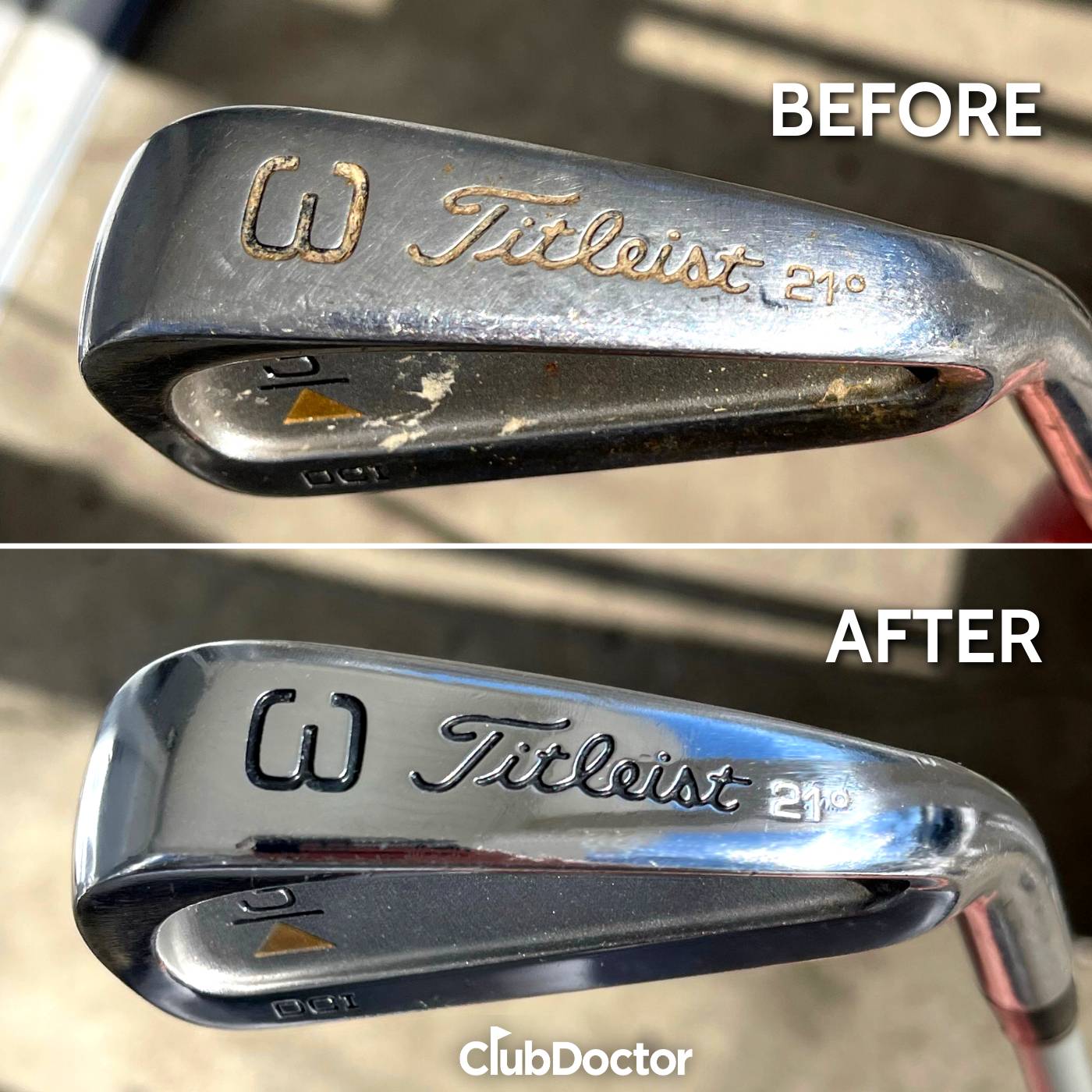
Image Source: clubdoctorgolf.com
Achieve Pro Shine: Learn How To Polish Golf Clubs Easily
What is golf club polishing? It means making your golf clubs look new again. Can I polish all types of golf clubs? Yes, most metal clubs can be polished. Who is this guide for? It is for anyone who wants their golf clubs to shine and last longer. This guide will show you how to give your golf clubs a professional shine easily at home. You can make your golf club heads look great and perform better. A shiny club helps you feel more confident on the course. It also protects your clubs from damage. Polishing is a key part of good golf club care.
Why Polish Your Golf Clubs?
Polishing your golf clubs does more than make them look nice. It helps them last longer. Dirt, rust, and small nicks build up over time. These things can hurt how your club works. They can also lower the value of your clubs. A clean, polished club looks great in your bag. It tells others you care about your gear. But the benefits go deeper than just looks.
Preserving Club Value:
Good golf clubs cost a lot. Taking care of them keeps their value high. If you ever sell them, polished clubs will get more money. Think of it as a small investment.
Improving Performance:
A smooth clubface helps you hit the ball better. Dirt and rust can change how the ball leaves the club. They can cause unwanted spin. A clean, smooth face gives you more control. This means better shots.
Preventing Damage:
Polishing helps remove rust. Rust eats away at metal. It weakens your clubs over time. A good polish also puts a protective layer on the club. This layer guards against new rust and scratches. It makes your clubs tougher.
Personal Satisfaction:
There is a good feeling in playing with clean, shiny clubs. It boosts your mood. It makes you feel more ready to play your best. It’s like having new clubs every time you step on the course.
Tools and Materials You Will Need
Before you start, get everything ready. Having the right tools makes the job easier. It also makes sure you do the job right. Here is a list of what you will need.
Cleaning Supplies
These items help you remove dirt and grime. This is the first step for any good polish.
- Soft Brushes: Old toothbrushes work well. You can also use a golf club brush.
- Microfiber Cloths: These cloths are soft. They will not scratch your clubs. Get a few of them.
- Mild Dish Soap: Any gentle dish soap is fine.
- Warm Water: A bucket or sink filled with water.
- Hair Dryer or Air Compressor: For quick drying.
Rust Removal Supplies
If your clubs have rust, you will need these. Rust can be tough to get rid of.
- White Vinegar: A common household item that helps with light rust.
- Baking Soda: Mix with water to make a paste. Good for rust spots.
- Fine Steel Wool (0000 grade): This is very fine. Use it with care for tough rust.
- Lemon Juice and Salt: Another natural rust remover.
- Rust Remover Solution: A product made for rust removal. Look for one safe for metals.
- Safety Glasses: To protect your eyes from splashes.
- Rubber Gloves: To protect your hands from chemicals.
Polishing Supplies
These are key to getting that pro shine. Make sure to pick the right one for your club material.
- Metal Polishing Compound: This is the main item.
- For Chrome Golf Club Polish: Look for a chrome-specific polish.
- For Stainless Steel Golf Club Care: A general metal polish or stainless steel polish works well.
- Best Golf Club Polishing Compound: Brands like Flitz, Mother’s Mag & Aluminum Polish, or Autosol are popular choices. Choose one that suits your club’s metal.
- Buffing Wheels or Pads: These can attach to a drill or Dremel tool. Use soft ones.
- Soft Cotton Buffing Cloths: For hand buffing.
- Car Wax or Protectant Spray: To seal the shine and add a protective layer.
Protective Gear
Always put safety first. These items protect you.
- Rubber Gloves: Keep your hands safe from chemicals.
- Safety Glasses: Protect your eyes from dust or splashes.
- Mask or Respirator: If you are using strong chemicals or lots of dust.
Step-by-Step Guide to Polishing Golf Clubs
Now let’s get to the main part. Follow these steps for the best results. Take your time with each step. Rushing can lead to mistakes or damage.
Step 1: Initial Cleaning
This first step is very important. You must remove all dirt before polishing. Polishing over dirt will scratch your clubs. It will also make the polish less effective. This is about cleaning golf club heads thoroughly.
Removing Loose Dirt
Start by getting rid of any loose dirt.
* Take your club and knock off any large clumps of mud.
* Use a dry brush to sweep away dust and loose grass. A stiff brush works well here.
* Wipe the club down with a dry cloth. This gets rid of surface dust.
Deep Scrubbing
Now it’s time for a deeper clean.
* Fill a bucket with warm water. Add a few drops of mild dish soap.
* Dip your club head into the soapy water. Let it soak for a few minutes. This helps loosen stuck-on dirt.
* Use a soft brush, like an old toothbrush, to scrub the club head. Pay special attention to the grooves. Dirt in the grooves can change your shot.
* For really tough spots, you can use a slightly stiffer brush. Be careful not to scratch the finish.
* Rinse the club thoroughly under clean running water. Make sure all soap is gone.
Drying Properly
Drying is a key step. Do not let your clubs air dry. This can leave water spots. It can also lead to rust.
* Use a clean, dry microfiber cloth. Wipe the club head completely dry.
* You can use a hair dryer on a low, cool setting. Or use an air compressor. This helps dry all the small spots. Make sure no water stays in the grooves or corners.
* The club must be bone dry before you move to the next step.
Step 2: Rust Patrol
Rust is the enemy of golf clubs. It looks bad and harms the metal. This step focuses on rust removal golf clubs. Deal with rust early to stop it from spreading.
Spotting Rust
Look closely at your clubs. Rust often appears as reddish-brown spots. It likes to hide in grooves and corners.
* Check the club face, the sole, and the back of the club head.
* Even small spots of rust should be dealt with.
Gentle Rust Removal
For light rust, use gentle methods first.
* White Vinegar: Soak a cloth in white vinegar. Wrap it around the rusted area. Let it sit for 15-30 minutes. Then scrub with a soft brush. Rinse well.
* Baking Soda Paste: Mix baking soda with a little water. Make a thick paste. Apply the paste to the rust. Let it sit for an hour or two. Scrub gently with a non-scratch pad or old toothbrush. Rinse well.
* Lemon Juice and Salt: Sprinkle salt on the rust. Then squeeze lemon juice over the salt. Let it sit for a few hours. Use a brush to scrub the rust away. Rinse well.
Stubborn Rust
For tougher rust spots, you might need a stronger approach.
* Fine Steel Wool (0000 grade): This is very fine and soft. It won’t scratch much. Use it with extreme care. Rub gently in small circles on the rust spot. Do not press hard. Always test on a hidden spot first.
* Rust Remover Solution: You can buy special rust remover liquids. Follow the product’s directions carefully. These often contain strong chemicals. Wear gloves and safety glasses. Always rinse the club completely after using these.
Rinsing After Rust Removal
This is very important. After removing rust, always rinse the club with clean water. This gets rid of all chemicals or natural acids. Then dry the club completely. Any leftover moisture can cause new rust.
Step 3: Restoring the Finish
This is where the magic happens. You will start to see your clubs shine again. This step is all about restoring golf club finish. The type of polish you use depends on your club’s metal.
Assessing Club Material
Most golf clubs are made of chrome or stainless steel.
* Chrome Golf Clubs: Often have a very shiny, mirror-like finish. Chrome is a plating over another metal. It can chip if hit hard.
* Stainless Steel Golf Clubs: These are solid metal. They might have a brushed or polished look. Stainless steel is very strong and resists rust well.
Choosing the right polish is key.
* For chrome golf club polish, use a specific chrome polish.
* For stainless steel golf club care, a general metal polish or stainless steel polish is fine.
Selecting the Right Compound
This is a critical choice for getting the best golf club polishing compound.
* Metal Polishing Compound: These compounds have tiny abrasives. They rub away a very thin layer of metal. This removes small scratches and dullness.
* Brand Choices: Flitz, Mother’s Mag & Aluminum Polish, and Autosol are popular. They work well for most metal club heads. Read the label to ensure it is safe for your club’s material.
* Liquid vs. Paste: Both forms work well. Liquids are easier to spread. Pastes can be thicker and work on tougher spots.
Applying the Compound
- Small Amount: Put a small amount of polishing compound onto a clean, soft cloth. A little goes a long way.
- Rub in Circles: Rub the compound onto the club head in small, circular motions. Work on one small area at a time.
- Gentle Pressure: Apply gentle, even pressure. You are trying to smooth the surface, not dig into it.
- Watch the Change: As you rub, you will see the metal start to get shinier. The cloth might turn dark. This is normal. It means you are removing old oxidation and surface flaws.
- Repeat if Needed: For clubs that are very dull or have more scratches, you might need to apply the compound a few times. Each layer should be buffed out.
Step 4: Buffing for Brilliance
Buffing is what brings out the true shine. It makes the club look like new. This step focuses on buffing golf irons and other clubs.
Hand Buffing
This is the safest way to buff.
* Use a clean, dry microfiber cloth. A soft cotton cloth also works.
* Rub the polished area with quick, firm strokes. Use fresh parts of the cloth as they get dirty.
* Rub until the haze from the polish is gone. The club head should look bright and reflective.
* This step is vital for golf club shine restoration.
Using a Rotary Tool (with Caution)
For a faster, deeper shine, you can use a rotary tool. This means a Dremel tool or a drill with a buffing attachment.
* Use Soft Pads: Always use soft buffing pads or wheels. Felt or cotton pads are good.
* Low Speed: Start with a low speed. High speeds can cause too much heat. This can damage the club finish.
* Light Pressure: Apply very light pressure. Let the tool do the work.
* Keep Moving: Do not hold the tool in one spot. Keep it moving across the club head. This prevents heat buildup.
* Wear Safety Gear: Always wear safety glasses. A mask is also a good idea. Polishing can create fine dust.
* Practice: If you are new to rotary tools, practice on an old piece of metal first. This helps you get a feel for it.
* Warning: If you use a rotary tool too much or too aggressively, you can remove metal. This can change the club’s weight and feel. Use it only for light buffing and polishing.
Step 5: Removing Scratches
Scratches are common on golf clubs. This step helps in removing scratches golf clubs. Small scratches can often be buffed out. Deeper ones might need more work.
Minor Scratches
- Polishing Compound: For light scratches, the metal polishing compound used in Step 3 is often enough. Rub it in well over the scratch. The tiny abrasives in the polish help smooth the scratch away.
- Rubbing Compound (Fine): If the polish isn’t quite enough, try a very fine automotive rubbing compound. Use it sparingly. It has slightly larger abrasives to remove more material. Follow with your regular metal polish.
Deeper Scratches
Deeper scratches are harder to remove. They might need more intense work.
* Sandpaper (Very Fine Grit): For very deep scratches, you might need fine-grit wet/dry sandpaper. Start with 1500-grit. Then move to 2000-grit, and then 2500-grit. Always wet the sandpaper. Rub very gently in the direction of the scratch. This is a risky step. It can change the club’s look if not done right.
* Blend Carefully: After sanding, you must polish the area heavily. This blends the sanded spot with the rest of the club. The goal is to make the scratch disappear without creating a dull spot.
* Professional Help: For very deep or major scratches, consider taking your clubs to a professional club repair shop. They have special tools and skills.
Step 6: The Final Touch and Protection
You are almost done! This last step locks in the shine. It adds a layer of protection.
Wiping Down
- After all the polishing and buffing, use a fresh, clean microfiber cloth.
- Wipe down the entire club head. Make sure no polish residue is left. Any leftover polish can attract dirt.
Applying a Protectant
- Car Wax: A good quality car wax works well. Apply a thin layer to the club head. Let it haze over. Then buff it off with a clean cloth. This creates a clear, protective layer. It helps keep the shine. It also makes the club easier to clean next time.
- Protective Spray: Some companies make golf club protectant sprays. These are easy to use. Just spray and wipe.
- Frequency: Apply a protectant every few rounds or after each major cleaning. This keeps your clubs looking great for longer.
Special Considerations for Different Club Types
Not all clubs are the same. Some need different care.
Drivers and Woods
- Most drivers and woods are made of titanium, carbon fiber, or steel.
- Titanium/Steel Heads: You can polish these like irons. Use metal polish.
- Carbon Fiber: Do not polish carbon fiber. It is a different material. Just clean it. Use a clear coat protectant designed for composite materials.
- Painted Finishes: Many drivers have painted crowns. Do not use metal polish on painted areas. Use automotive wax for painted parts. This protects the paint.
Irons and Wedges
- These are usually
buffing golf ironsand wedges. They are often chrome or stainless steel. - Follow the main steps for polishing and rust removal.
- Pay extra attention to the grooves. Use a groove sharpener if your grooves are worn. (This is not polishing, but good maintenance.)
- Wedges often get more dings and scratches. Be patient with them.
Putters
- Putters come in many materials. Stainless steel, carbon steel, copper, and even aluminum.
- Stainless Steel Putters: Polish them just like irons.
- Carbon Steel Putters: These can rust very easily. If yours is raw carbon steel, it might have a dark finish that can’t be polished shiny. You can clean it and apply a rust-preventing oil. If it’s plated carbon steel, polish carefully.
- Special Finishes: Some putters have black oxide, copper, or other special finishes. Do not use harsh polishes on these. They can remove the finish. Use a very mild cleaner and a soft cloth. When in doubt, check the maker’s care guide.
DIY Golf Club Refurbishment Tips
Polishing the head is just one part of DIY golf club refurbishment. You can do more to make your clubs feel brand new.
Grip Care
Your grips are key for good control.
* Clean Grips: Use warm soapy water and a stiff brush. Scrub the grips well. This removes dirt and oils. It makes them feel tacky again.
* Dry Well: Dry grips completely with a towel.
* When to Replace: If grips are hard, cracked, or very smooth, replace them. New grips make a huge difference. You can buy grip kits and do it yourself.
Shaft Cleaning
The shaft of your club gets dirty too.
* Graphite Shafts: Use a damp cloth with mild soap. Wipe the shaft clean. Do not use strong chemicals. They can damage the shaft.
* Steel Shafts: You can use the same soapy water as for the club head. Wipe them clean. For light rust on steel shafts, use very fine steel wool with care. Follow with metal polish.
* Check for Dings: Look for any dents or bends. If you see any, take the club to a professional. A damaged shaft can affect your swing.
Maintenance for Lasting Shine
You put in the work. Now keep that shine going.
* Clean After Every Round: A quick wipe down after playing helps a lot. Use a damp cloth to remove dirt.
* Dry Clubs: Always dry your clubs before putting them away. Do not store wet clubs. This leads to rust.
* Store Indoors: Keep your clubs in a dry, room-temperature place. Garages can get humid. This can cause rust.
* Headcovers: Use headcovers for your woods and putters. They protect from dings and scratches in your bag.
* Periodic Polishing: You don’t need to do a full polish often. Once every 3-6 months is usually enough. For very active players, maybe more often.
Troubleshooting Common Polishing Problems
Sometimes things don’t go perfectly. Here are some common issues and how to fix them.
- Still Dull After Polishing: You might not have used enough polish. Or the polish might not be strong enough. Go back to Step 3. Apply more polish. Rub it harder. Or try a different, stronger polishing compound. Ensure you are rubbing in small circles.
- Water Spots: If you see water spots after drying, you did not dry the club fully. Use a hair dryer or air compressor next time. You can try to remove old water spots with a mix of vinegar and water.
- New Scratches: If you get new scratches during the process, your cleaning cloth might have had dirt on it. Or you used too much force with a coarse material. Always use clean, soft cloths.
- Chemical Stains: Some strong rust removers can leave stains. Rinse thoroughly. If a stain remains, try rubbing it with more metal polish.
- No Shine: Make sure the metal is fully clean first. If there’s any dirt, the polish won’t work well. Also, ensure you are using a proper metal polish for your club’s material. Wax alone will not create a shine like polish.
Safety First
Working with tools and chemicals needs care.
* Read Labels: Always read the instructions on all cleaning and polishing products.
* Ventilation: Work in a well-aired space. Some polish fumes can be strong.
* Wear Gloves: Use rubber gloves to protect your hands from chemicals.
* Eye Protection: Wear safety glasses, especially when using power tools or strong cleaners.
* Small Test: If you are unsure about a product, test it on a hidden part of the club first.
* Keep Away from Kids/Pets: Store all chemicals out of reach of children and pets.
* Proper Disposal: Dispose of used cloths and chemicals safely.
Frequently Asked Questions (FAQ)
Can I use car polish on golf clubs?
Yes, most car polishes designed for metal (like chrome or aluminum wheel polish) can be used on golf clubs. They are often similar to metal polishing compounds. Avoid car waxes with heavy abrasives or those meant for painted surfaces only. Always test a small spot first.
How often should I polish my golf clubs?
A full polish is usually needed every 3 to 6 months for regular players. For pros or those who play very often, perhaps once a month. However, cleaning your clubs after every round is a must. This prevents dirt and rust buildup.
Will polishing affect club performance?
Proper polishing will improve performance. It removes dirt and rust from grooves. This helps you get better spin and control. Over-polishing or using very abrasive materials can remove too much metal. This can change the club’s weight or feel. So, be gentle and do not overdo it.
Is it safe to polish vintage golf clubs?
It depends on the club. Many vintage clubs are made of carbon steel. These often have a natural patina or a dark finish. Polishing them can remove this look. This might lower their value to collectors. If your vintage clubs are chrome-plated or stainless steel, gentle polishing is usually fine. Always research the specific club model before polishing vintage items. When in doubt, seek advice from a club expert.
Conclusion
Polishing your golf clubs is a simple way to protect your gear. It makes them look great and perform better. From cleaning golf club heads to rust removal golf clubs, and restoring golf club finish, each step helps. You can achieve amazing golf club shine restoration. By following this guide, you can handle buffing golf irons and other clubs like a pro. With the right best golf club polishing compound and some effort, your clubs will sparkle. This DIY golf club refurbishment will give you pride on the golf course. Get ready to turn heads with your shiny, “new” clubs!