
You can play golf in the rain. Many golfers ask, “How to play golf in the rain?” The answer is simple: use the right gear, make smart swing changes, and have a good course plan. You need waterproof golf gear, special rain gloves, and ways to keep your clubs dry. It is safe to golf in light rain. But, you must stop immediately if there is lightning. Yes, wet conditions change golf ball flight. They also make golf grips slippery. This guide will show you how to enjoy golf, even when it rains.
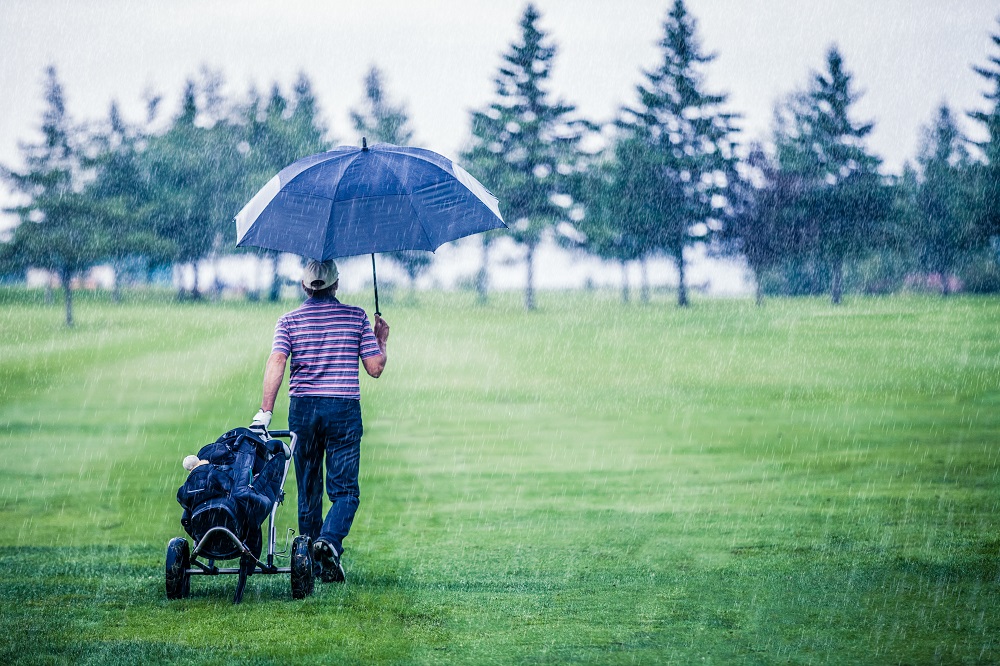
Image Source: www.golfcare.co.uk
Why Play Golf in the Rain?
Some golfers cancel their rounds when rain starts. But playing in the rain can make you a better golfer. It tests your skills. It builds your mental toughness. It also teaches you to adapt. Often, rain means fewer people on the course. This can lead to a faster, more peaceful game. Learning to play in the rain is a key wet weather golf tip. It makes you a true all-weather golfer.
Preparing Your Gear: The First Step
Proper gear is your best friend in the rain. You need to stay dry and warm. This helps you focus on your game. It also protects your health. Choosing the right waterproof golf gear is very important.
Choosing the Right Rain Golf Apparel
Your clothes are your first line of defense. They need to keep water out. They also need to let your body breathe. This stops you from getting too hot or sweaty.
- Waterproof Jacket:
- Look for one that is light.
- It should be easy to move in.
- It needs sealed seams. This stops water from seeping through stitches.
- A good jacket will have a high collar. This keeps rain off your neck.
- It should also have adjustable cuffs. These stop water from running down your arms.
- Waterproof Trousers:
- They should fit over your regular golf pants.
- Look for ones with elastic waistbands. These are easy to put on and take off.
- Zippers at the ankles are helpful. They let you get them on over your shoes.
- They must be fully waterproof.
- Waterproof Hat:
- A waterproof cap or bucket hat keeps rain off your face.
- It also keeps your head dry.
- This helps you see the ball clearly.
- Waterproof Shoes:
- Golf shoes are often waterproof.
- Check their waterproof rating.
- You need good traction in wet conditions.
- Make sure they are comfortable.
- Consider bringing an extra pair of socks.
- Rain Gloves:
- These are different from regular golf gloves.
- Best rain golf gloves get stickier when wet.
- They give you a firm hold on your club.
- Always carry at least two pairs. This way, you can switch them often.
Table: Essential Rain Golf Apparel
| Item | Key Feature | Benefit |
|---|---|---|
| Waterproof Jacket | Sealed seams, breathable | Keeps upper body dry, allows movement |
| Waterproof Trousers | Easy on/off, ankle zippers | Keeps lower body dry, fits over clothes |
| Waterproof Hat | Wide brim or cap style | Keeps rain off face, improves visibility |
| Waterproof Shoes | Good traction, durable | Feet stay dry, prevents slipping |
| Rain Gloves | Grip better when wet | Secure hold on club, prevents slipping |
Other Vital Equipment
Beyond your clothes, other items will make your round better.
- Umbrella: A large golf umbrella is a must-have. Get one that resists wind. It protects you and your bag.
- Golf Towels: You need many towels. Keep them dry. Use them to wipe clubs, balls, and grips. A special “wet towel” for wiping mud is helpful.
- Waterproof Bag Cover: Most golf bags come with rain covers. Use yours. If not, buy one. It keeps your clubs and pockets dry.
- Extra Grips/Tape: In case your grips get too soaked, having a way to improve grip is good.
Keeping Golf Clubs Dry: A Top Priority
Wet clubs lead to slippery golf grips. This makes good shots very hard. It can also harm your clubs.
Protecting Your Clubs During Play
- Umbrella Use: Keep your umbrella open. Place it near your ball when you hit. This creates a dry spot for your clubs.
- Bag Cover On: Always keep your bag cover on. Only open it to take out or put back a club.
- Club Towels: Have a dry towel ready for each shot. Wipe your club face and grip before you hit.
- Headcovers: Keep headcovers on your woods and hybrids. They protect these clubs from water.
- Inverted Clubs: If your bag allows, put clubs in upside down. This keeps grips from soaking in water at the bottom of the bag.
Dealing with Slippery Golf Grips
Slippery grips are a major problem in the rain.
- Rain Gloves: As mentioned, these are designed for wet play. Wear them on both hands if needed.
- Dry Towels: Use a clean, dry towel often. Wipe your grips before every shot.
- Change Gloves Often: If your gloves get too wet, swap them for a fresh, dry pair.
- Grip Material: Some grips perform better in wet conditions. Multi-compound grips or cord grips offer more traction. Consider these for your clubs.
- Wipe Your Hands: Even with gloves, your hands can get wet. Wipe them dry before putting on new gloves or gripping the club.
Changing Your Game: Golf Swing in Rain and Course Strategy
Playing in the rain is not just about staying dry. It’s also about changing how you play. Wet conditions golf ball flight will be different. Your swing needs changes too.
Modifying Your Golf Swing in Rain
The main goal is to keep control. Don’t try to hit the ball too hard.
- Smooth Tempo: Slow down your swing. A smooth, controlled swing is less likely to slip. It also helps you hit the ball squarely.
- Less Aggression: Do not try to overpower the ball. Wet conditions mean less roll. Focus on solid contact, not distance.
- Wider Stance: A wider stance gives you a more stable base. This helps prevent slipping during your swing.
- Slightly Shorter Backswing: A shorter backswing can help maintain balance. It reduces the chance of losing grip at the top.
- Focus on the Follow-Through: Ensure a full, balanced follow-through. This keeps your weight moving toward the target.
- Choke Down: Hold the club a bit lower on the grip. This gives you more control. It also shortens the effective shaft length. This can help with accuracy in slick conditions.
Rain Golf Course Strategy
The course plays very differently when wet. Adjust your plan for each shot.
- Club Selection:
- Take More Club: The ball will not travel as far. Wet conditions reduce roll. Water on the clubface also takes away speed. Use one or two clubs more than usual. For example, use a 7-iron instead of an 8-iron.
- Consider Loft: Higher lofted clubs gather less water on the face. They can give you more spin control.
- Lie of the Ball:
- Fairways: The ball might plug in soft ground. If it does, you usually get a free drop. Know the local rules.
- Rough: The rough will be even thicker and stickier. Avoid it if you can.
- Bunkers: Wet bunkers are like firm mud. It’s harder to get under the ball. Plan to pick the ball clean, not splash it.
- Putting:
- Slower Greens: Greens will be slower. Hit putts firmer.
- Water on Green: If there’s standing water, it will block your putt. Try to putt around puddles. You may get a free drop from casual water.
- Read Breaks Differently: Water slows the ball. This can make breaks less severe.
- Approach Shots:
- Stop the Ball: Wet greens are softer. Your ball will often stop quickly. Use this to your advantage. Hit shots that land and stick.
- Aim for Center: Don’t go for risky flag positions. Aim for the middle of the green.
- Managing Water Hazards:
- More Caution: Shots can go offline more easily. Be extra careful around water hazards.
- Play Safe: Lay up rather than try to carry a large water hazard.
Table: Adjusting Your Game in the Rain
| Aspect | Normal Play | Rain Play |
|---|---|---|
| Club Distance | Standard yardage | Add 1-2 clubs (ball won’t roll) |
| Swing Tempo | Varies by player | Smooth, controlled, less aggressive |
| Ball Flight | Normal spin/trajectory | Lower spin, less height (wet face) |
| Putting Speed | Depends on green speed | Slower (hit firmer) |
| Green Approach | Pin seek often | Aim for center of green |
| Grip Control | Regular gloves | Rain gloves, frequent wiping |
Grasping the Effect on Ball Flight
Wet conditions golf ball flight is different from dry conditions. Knowing this helps you plan shots better.
- Reduced Spin: Water on the clubface acts like a lubricant. This causes less friction between the ball and the club. Less friction means less backspin.
- Lower Trajectory: With less spin, the ball often flies lower. It can also have less height.
- Reduced Distance: Less spin and a lower flight often mean less carry distance. Also, the ball won’t roll as much when it lands on soft ground. This adds up to shorter total distance.
- Increased Hook/Slice Tendency: If the clubface is wet, a slight open or closed face can make the ball curve more. This is because the lack of spin makes side spin more impactful.
- Mud Balls: If there’s mud on the ball, it will fly very unpredictably. It’s best to wipe the ball clean if rules allow. If not, aim for a wide area.
Golfing in Lightning Safety: Play Smart, Stay Safe
Safety is always first. Golfing in lightning safety is crucial. Lightning strikes are very dangerous.
- Know the Rules: Most golf courses have a lightning policy. They will sound a siren. If you hear it, stop playing immediately.
- Seek Shelter:
- Go to the clubhouse.
- Find a designated lightning shelter.
- If no shelter is near, go to a low-lying area.
- Avoid tall trees, open fields, and water.
- Do not stand under your umbrella. It can act as a lightning rod.
- Stay Clear of Metal: Do not touch your golf clubs or cart. Metal attracts lightning.
- Wait It Out: Do not go back out until the course gives the all-clear. Often, this means waiting 30 minutes after the last thunder clap.
- Check Forecasts: Before your round, check the weather. If thunderstorms are likely, think about rescheduling.
Deciphering the Mental Game in the Rain
Playing in the rain is tough on the mind. It is easy to get frustrated. But a strong mental game can make a huge difference.
- Embrace It: Accept that conditions are not perfect. Everyone is playing in the same rain. This mindset helps.
- Stay Positive: Focus on the good shots. Don’t dwell on mistakes. A bad shot is more likely in rain.
- One Shot at a Time: Focus only on your current shot. Don’t think about the last one or the next one.
- Patience is Key: Things will take longer. Waiting for rain to ease up. Dealing with wet gear. Be patient.
- Lower Expectations: Don’t expect your best score. Your goal should be to manage the conditions well. Focus on smart play.
- Enjoy the Challenge: See it as a test. Can you still hit good shots? Can you manage the course? This attitude helps.
Post-Round Care: After the Rain Stops
The round is over, but your work is not done. Proper post-round care is vital for your gear. This keeps it in good shape for future rounds.
Cleaning Your Gear
- Wipe Down Clubs: Use a dry towel to wipe every club. Pay attention to the grooves. Get all the mud and water off.
- Clean Grips: Use a damp cloth to clean your grips. Then dry them completely. This prevents slippery golf grips next time.
- Dry Your Bag: Take everything out of your golf bag. Let the bag air dry completely. Turn it upside down to drain water.
- Clean Shoes: Wipe mud off your shoes. Take out the insoles to dry. Put newspaper inside to soak up moisture. Let them air dry. Do not put them near direct heat.
- Wash Apparel: Wash your rain golf apparel as per instructions. Hang it to dry. Do not put waterproof items in a dryer. This can damage the waterproof coating.
- Dry Gloves: Hang your rain gloves to dry. Do not put them in direct sun or heat.
- Empty Pockets: Check all pockets in your bag and clothing. Remove wet scorecards, tees, or anything else.
Storing Your Equipment
- Airing Out: Ensure all gear is completely dry before storing it. Mold and mildew can grow on wet items.
- Proper Storage: Store clubs in a cool, dry place. Keep rain gear hung up, not crumpled.
Frequently Asked Questions (FAQ)
Q: How much harder is it to hit a golf ball in the rain?
A: It can be much harder. The ball might not go as far. It will also have less spin. Your grip on the club can feel less secure. But with practice and the right gear, you can still hit good shots.
Q: Do I need special golf balls for rain?
A: No, you do not need special golf balls. Any good quality golf ball will work. The main challenge is keeping the ball clean from mud. You can wipe mud off your ball on the green. For other areas, you can only wipe it if the rules allow, often for plugged balls.
Q: Can I use my regular golf gloves in the rain?
A: You can, but it is not advised. Regular golf gloves get very slippery when wet. They lose their grip. Best rain golf gloves are designed to get tackier when wet. They give you a much better hold on the club.
Q: What should I do if my golf clubs get really wet?
A: After your round, dry each club thoroughly with a towel. Pay special attention to the grips and grooves. If possible, remove your clubs from the bag and let them air dry completely. This prevents rust and keeps grips from getting damaged.
Q: Is it okay to use an umbrella in the rain during a golf round?
A: Yes, absolutely. A golf umbrella is a key piece of wet weather golf tips equipment. It helps keep you, your clubs, and your bag dry between shots. Just be sure to close it if lightning is near.
Q: How does water affect my golf swing?
A: Water affects your golf swing in several ways. Your grip can slip. Your stance might be less stable. Your focus can be off. You should use a smoother, more controlled golf swing in rain. Focus on balance and good contact.
Q: What are the main things to remember for rain golf course strategy?
A: For rain golf course strategy, remember to take more club for shots. This is because the ball won’t roll as much. Aim for the middle of the green instead of the pins. Be extra careful around bunkers and water hazards. And always prioritize safety from lightning.
Playing golf in the rain is a skill. It tests your patience, your gear, and your golf game. But with the right mindset, proper waterproof golf gear, and smart play, you can master the elements. You can even enjoy playing when the clouds open up. So, do not let a little rain stop you. Get ready, get out there, and enjoy the challenge!