
Image Source: cdn.shopify.com
The Ultimate Guide: How To Pick Golf Grips Wisely
When you play golf, your hands are the only part of your body that touches the club. This makes your golf grip incredibly important. Many golfers spend a lot of time picking out the right club, but they often forget about the grip. Choosing the right grip helps your swing, comfort, and how well you play. So, what is proper golf grip size? It’s the size that lets your fingertips barely touch your palm when you hold the club. What are golf grip material types? Common types include rubber, cord, hybrid, and synthetic. What makes a golf grip good for sweaty hands? Grips with cord or rough textures, often made of hybrid materials, help soak up sweat and give you a firm hold. Should golf grips be firm or soft? This depends on how you like the feel. Firm grips give you more feedback, while soft grips offer comfort and soak up shock. How often should I replace golf grips? Most experts say every 40 rounds or once a year, but it can be more often if you play a lot. This guide will help you pick the best grips for your game.
The Hidden Power of Your Golf Grip
Your golf grip is much more than just a cover for your club handle. It is your direct link to the club itself. Think of it like the tires on a car; they are the only part touching the road. A bad set of tires can make even the best car hard to drive. In the same way, the wrong grip can hurt your golf game.
A good grip helps you hold the club with less tension. When your grip is too tight, it makes your muscles stiff. This stops your swing from being smooth and powerful. The right grip lets you hold the club lightly but securely. This helps your club speed, control, and how well you hit the ball. Many golfers see a big jump in their game just by getting the right grips. It can lead to better shots, more accuracy, and fewer missed hits. Picking the right grip is a small change that makes a big difference.
Ascertaining Your Proper Grip Size
Picking the right golf grip size is perhaps the most important step. Many golfers play with grips that are too small or too big. This can cause problems with their swing and even lead to injuries. Getting the proper golf grip size helps your game in many ways.
Why Correct Grip Size is Vital
- Better Control: The right size grip lets you hold the club firmly without squeezing too hard. This means more control over the clubface.
- Less Tension: If your grip is too small, you tend to squeeze harder to feel secure. This creates tension in your hands, arms, and shoulders. Too much tension kills your swing speed and feel. A correct size grip means you can hold it gently yet firmly.
- Improved Clubface Awareness: With the right size, you can feel the clubface better throughout your swing. This helps you square the clubface at impact for straighter shots.
- Reduced Injury Risk: Grips that are too small can cause blisters or make existing hand issues worse. Correct grips help keep your hands healthy.
How to Measure for Proper Golf Grip Size
There are a few easy ways to check if your grip size is right.
-
The Fingertip Test: This is the most common method.
- Hold a club in your lead hand (left hand for right-handed golfers).
- Wrap your fingers around the grip.
- Look at your fingertips. They should just barely touch the fleshy part of your palm.
- If your fingertips dig into your palm, the grip might be too small.
- If there’s a big gap between your fingertips and palm, the grip might be too big.
-
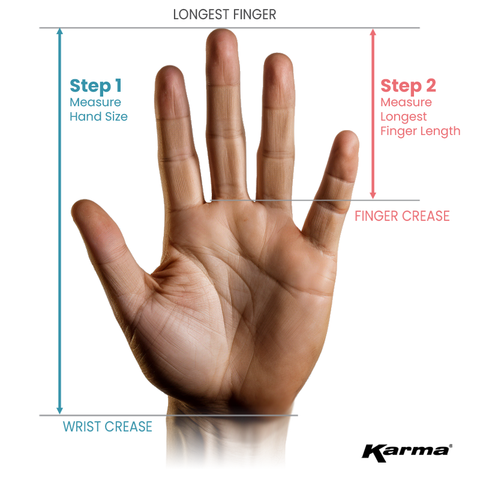
Measure Hand Length:
- Place a ruler at the base of your palm.
- Measure to the tip of your longest finger.
- This gives you a rough idea, but the fingertip test is better for final sizing.
-
Measure Finger Length:
- Some grip companies also use finger length. This can help fine-tune the size.
-
Check Your Old Grips:
- If your old grips feel okay, but you want a little change, note their size. Most grips have their size printed on them (standard, midsize, jumbo).
The Golf Grip Size Chart
This chart gives you a general idea of grip sizes based on glove size or hand measurement. Keep in mind that this is a starting point. The fingertip test is still the best way to confirm.
| Glove Size (US) | Hand Length (Inches) | Grip Size | Wraps (Extra Tape) |
|---|---|---|---|
| Junior | Up to 6.25 | Junior | None |
| Men’s S / Women’s S-L | 6.26 – 7.5 | Standard | None |
| Men’s M / Women’s XL | 7.6 – 8.5 | Standard + 1-2 wraps | 1-2 layers |
| Men’s L | 8.6 – 9.0 | Midsize | None |
| Men’s XL | 9.1 – 9.5 | Midsize + 1-2 wraps | 1-2 layers |
| Men’s XXL | 9.6 + | Jumbo/Oversize | None |
Note: “Wraps” mean extra layers of tape under the grip. Each wrap adds about 1/64th of an inch to the grip’s thickness. This lets you get a perfect fit.
Adjusting for Hand Size and Comfort
You can fine-tune grip size even more. For example, if you have very long fingers but a smaller palm, you might prefer a standard grip with a few extra wraps on the bottom hand. This builds up the grip where your fingers meet the palm. If you have joint pain, a slightly larger grip can also feel more comfortable. It reduces the need to grip tightly. Always try holding a club with the new grip size before buying a full set.
Delving into Golf Grip Material Types
Beyond size, the material of your golf grip greatly affects its feel, how long it lasts, and how it performs in different weather. There are several main golf grip material types, each with its own pros and cons.
Rubber Grips
Rubber grips are the most common and classic choice.
* Pros: They are very durable and offer a good balance of feel and firmness. They usually cost less than other types. They give a consistent feel in most dry conditions.
* Cons: When it gets wet, rubber grips can become slick. This means you might need to squeeze harder in rain or high humidity. Some rubber grips can feel a bit hard or lack feedback.
Cord Grips
Cord grips mix cotton fibers (cord) into the rubber. This gives them a distinct, rough texture.
* Pros: They offer amazing traction, especially for sweaty hands or in wet weather. The cord helps soak up moisture and provides a very firm, non-slip feel. They give a lot of feedback on your shots. Many pro golfers use cord grips.
* Cons: They can feel rough on your hands, especially if you play without a glove. Some golfers find them too firm or abrasive. They might wear out gloves faster.
Hybrid Grips
Hybrid grips combine two different materials, often rubber and cord. Typically, the top part (where your top hand rests) is softer rubber. The bottom part (where your lower hand rests) is cord or a firmer material.
* Pros: They offer the best golf grips for sweaty hands because of the cord on the bottom. You get the soft feel and comfort on top with the firm, non-slip hold on the bottom. They are very popular because they offer a good balance of feel, control, and weather performance.
* Cons: They are usually more expensive than full rubber or cord grips. The dual material can sometimes lead to an uneven feel for some players.
Synthetic Grips
Synthetic grips are often made from special synthetic polymers. These materials are designed to offer unique feels or very good vibration dampening golf grips.
* Pros: They can be incredibly soft and comfortable. They are excellent at soaking up vibration from mishits, which is great for golfers with hand or wrist pain. They often have a very soft, tacky feel.
* Cons: They might not last as long as traditional rubber grips. They can also be more expensive. Their soft feel might not give as much feedback to golfers who like a firm grip.
Tailoring Material to Conditions
Your local climate and how much your hands sweat should guide your material choice.
* Hot, Humid Climates or Sweaty Hands: Cord or hybrid grips are often the best golf grips for sweaty hands. They help manage moisture and prevent slipping.
* Dry Climates or Less Sweaty Hands: Rubber grips are a solid, affordable choice. Synthetic grips can offer maximum comfort.
* All-Weather Play: Hybrid grips are great all-around choices for different conditions.
Think about how much you prioritize comfort versus feedback and moisture control.
Your Golf Grip Feel Preference: Soft, Firm, or In-Between?
The golf grip feel preference is very personal. What feels good to one golfer might feel bad to another. This feel comes from the grip’s material and its inner structure. You can generally put grips into two camps: firm and soft.
The Spectrum of Feel
-
Soft Golf Grips:
- Pros: These grips offer maximum comfort. They reduce shock and vibration dampening golf grips from impact. This is great for players with arthritis, joint pain, or those who want a softer feel. They often encourage a lighter grip pressure.
- Cons: Soft grips can feel less responsive. You might get less feedback on how well you hit the ball. Some players find them too “mushy” or that they twist slightly on impact.
-
Firm Golf Grips:
- Pros: These grips give you a lot of feedback on your shots. You can feel the clubhead more through impact. They offer a very direct connection to the club, which many strong players or those who like precise control prefer. They usually feel very stable.
- Cons: They offer less comfort and transfer more vibration to your hands, especially on poor hits. This can be harder on your hands.
Finding Your Sweet Spot
The choice between firm vs soft golf grips depends on several factors:
* Your Swing Speed: Faster swingers might prefer a firmer grip for more control. Slower swingers might like a softer grip for more comfort.
* Hand Sensitivity: If your hands are sensitive or you have pain, softer grips are often better.
* Feedback vs. Comfort: Do you want to feel every part of the shot, or do you want maximum comfort?
* Personal Taste: Ultimately, it comes down to what feels right to you. Try different grips from friends or in a golf shop.
The Role of Vibration Dampening Golf Grips
Some grips are specifically designed to reduce the shock you feel when you hit the ball. This is especially true for mishits. These vibration dampening golf grips often use softer materials or have a special inner design. They can make golf more enjoyable, especially on cold days or if you often hit off-center shots. For golfers who get tired hands or have joint issues, these grips are a big plus. They help to prevent pain and keep you feeling fresh for longer.
The Significance of Golf Grip Tackiness
Golf grip tackiness refers to how “sticky” or “grippy” the surface of the grip feels. It’s about how much friction there is between your hands (or glove) and the grip. A tacky grip helps you hold the club securely with less effort.
What is Golf Grip Tackiness?
Tackiness comes from the grip’s material and surface texture. Some materials, like certain rubber blends or synthetic polymers, naturally feel more tacky. Others might have patterns or coatings that boost their grip. Think of a brand new basketball; it feels very tacky. Over time, that tackiness wears off.
Why Tackiness Matters
- Secure Hold with Less Pressure: A tacky grip lets you hold the club lightly without fear of it slipping. This is crucial for a free-flowing swing. If your grip isn’t tacky enough, you might squeeze the club too hard, leading to tension and poor shots.
- Consistent Feel: A consistent level of tackiness helps you make the same grip pressure every time. This leads to more consistent swings.
- Confidence: Knowing your hands won’t slip gives you more confidence over the ball.
Maintaining Tackiness
Grips lose their tackiness over time due to dirt, oils from your hands, and sun exposure.
* Cleanliness: Regularly cleaning your grips with mild soap and water can bring back a lot of their original tackiness.
* Storage: Keep your clubs away from direct sunlight and extreme heat when not in use. This helps the material last longer and keep its tack.
* Replacement: Even with good care, grips eventually lose their tack. This is a clear sign it’s time for new ones.
The Impact of Golf Grip Weight
While not as commonly discussed as size or material, golf grip weight plays a key role in how your club feels and performs. Every part of a golf club adds to its total weight and, more importantly, its “swing weight.”
How Golf Grip Weight Affects Club Balance
- Swing Weight: Swing weight is a measure of how heavy the club feels when you swing it. It’s not about the total weight, but about how that weight is balanced. It’s measured on a scale with letters and numbers (e.g., D2, C8).
- Heavier Grip = Lighter Swing Weight: If you put a heavier grip on your club, it makes the club feel lighter in your swing. This is because more weight is closer to your hands. A lighter swing weight can make it easier to control the club and swing faster for some players.
- Lighter Grip = Heavier Swing Weight: If you put a lighter grip on your club, it makes the club feel heavier in your swing. This is because more weight is further from your hands. A heavier swing weight can give some players more feel for the clubhead and might slow down an overly fast swing.
Most standard grips weigh around 50 grams. Midsize grips are often around 55-60 grams, and jumbo grips can be 65-70 grams or more. However, you can find grips designed to be lighter or heavier than average within each size category.
Understanding Swing Weight
Swing weight matters because it affects your timing and how you release the club.
* If your clubs have different swing weights, they will feel different when you swing them. This can make it hard to be consistent.
* Choosing a grip weight that matches your preferred swing weight helps you feel the club properly throughout your swing.
Counter-Balancing
Some golfers use very heavy grips (often 70-100+ grams) as a form of “counter-balancing.” This makes the overall swing weight of the club feel much lighter. This can help players who struggle with timing or who feel their clubs are too heavy. It moves the balance point closer to your hands. This is a more advanced fitting idea, but it shows how much golf grip weight can change club feel.
For most golfers, choosing a grip of a standard weight is fine. But if you are very sensitive to club feel or want to fine-tune your clubs, thinking about grip weight can be helpful.
When to Replace Your Golf Grips
Your golf grips do not last forever. They wear down from use, dirt, oils from your hands, and even sunlight. Most golfers wait too long to change their grips. Knowing when to replace them is key to keeping your game sharp.
Signs of Wear
Look for these signs that your grips need replacing:
* Shiny or Smooth Spots: If parts of your grip look smooth and shiny, they have lost their texture and tackiness.
* Loss of Tackiness: The grip feels slick or slippery, even after cleaning. You might find yourself squeezing harder to keep hold of the club.
* Cracks, Tears, or Fading: Visible damage to the grip material.
* Hardness: Rubber grips can harden over time, losing their soft feel and ability to absorb shock.
* Dust or Dirt on Hands/Gloves: If you see black residue on your hands or glove after a round, your grips are breaking down.
How Often Should You Replace Them?
A general rule is to replace your grips every 40 rounds of golf or once a year, whichever comes first.
* Frequent Players: If you play golf two or more times a week, you might need new grips every 6-8 months.
* Occasional Players: If you play once a month, once a year might be enough.
* Range Practice: Hitting balls at the driving range also wears down grips. Count those sessions too!
* Climate: Hot, humid climates or areas with lots of sun can make grips wear out faster.
Why Fresh Grips Matter
New grips provide the tackiness and feel you need for a consistent swing. They help reduce tension in your hands, which allows for a smoother release and more clubhead speed. Playing with worn-out grips can lead to a tighter grip, loss of control, and even a change in your swing mechanics to compensate for the slickness. It’s a small investment that makes a big difference in your game.
Installing Your New Grips: DIY vs. Pro
Once you have picked your new grips, you need to put them on your clubs. You can do this yourself or have a pro do it.
DIY Steps (Briefly)
If you are handy, you can regrip clubs at home. You will need:
* New grips
* Double-sided grip tape
* Grip solvent
* A vise (to hold the club)
* A hooked blade (to remove old grips)
* A pan or tray (to catch solvent)
The process usually involves cutting off the old grip, removing the old tape, applying new tape, and then sliding the new grip on with solvent. It takes a little practice to get them on straight.
Pros of Professional Installation
For most golfers, having a golf shop or club fitter install your grips is the best choice.
* Expertise: Pros have the right tools and experience to ensure the grip is put on straight and securely.
* Proper Adhesion: They use the correct amount of tape and solvent for a perfect, lasting bond.
* Consistency: They can ensure all your clubs have the same grip feel and alignment.
* Time-Saving: It’s quick and easy for them, saving you time and effort.
* Cost-Effective: The cost per grip for installation is usually low.
Many golf shops offer free installation if you buy the grips from them. This makes getting them professionally installed a great value.
Your Ultimate Golf Grip Buying Guide
Choosing the right golf grip is a mix of science and personal feel. Use this golf grip buying guide to help you make a wise choice for your game:
-
Start with Proper Grip Size:
- Measure your hand or use the fingertip test.
- Refer to a golf grip size chart as a guide.
- Consider adding wraps for a finer fit. The proper golf grip size is the foundation of a good grip.
-
Evaluate Golf Grip Material Types:
- Rubber: Durable, good all-around for dry conditions.
- Cord: Best for sweaty hands or wet weather, very firm feel.
- Hybrid: A great balance of comfort and moisture control; often considered the best golf grips for sweaty hands.
- Synthetic: Max comfort and vibration dampening golf grips.
- Think about your local climate and how much your hands sweat.
-
Determine Your Golf Grip Feel Preference:
- Do you like firm vs soft golf grips?
- Soft grips offer comfort and soak up shock (good for joint pain).
- Firm grips give maximum feedback and control.
- Consider how much vibration dampening golf grips you need.
-
Assess Golf Grip Tackiness:
- A good golf grip tackiness helps you hold the club with less hand pressure.
- New grips should feel nice and tacky.
- Think about how much “stickiness” you prefer.
-
Consider Golf Grip Weight (Optional):
- Most golfers stick to standard grip weights.
- If you are very sensitive to club balance or want to adjust swing weight, consider the impact of golf grip weight. Heavier grips lighten swing weight, lighter grips heavy it.
-
Replace Regularly:
- Change grips every 40 rounds or once a year.
- Look for signs of wear like shiny spots, cracks, or loss of tackiness.
-
Try Before You Buy:
- If possible, hold clubs with different grips in a golf shop.
- Ask friends to try their clubs with different grip types.
Frequently Asked Questions (FAQ)
Q: Can I use different grip sizes on different clubs?
A: Yes, you can. While most golfers use the same grip size for all their clubs, some players choose slightly different sizes for certain clubs. For example, some golfers might prefer a slightly larger grip on their driver for more stability, or a slightly smaller grip on their wedges for more feel around the green. However, it’s generally best to keep them consistent unless you have a specific reason or are working with a club fitter.
Q: Do new golf grips need to be broken in?
A: Not really. Unlike shoes, golf grips don’t typically need a “break-in” period. They should feel good and perform well from the very first swing. However, some materials might feel a bit different after a few rounds as they get used to your hand oils and sweat.
Q: How do I clean my golf grips to restore tackiness?
A: Cleaning your grips is simple and can bring back some tackiness. Mix a small amount of mild dish soap with warm water. Use a soft brush or a cloth to scrub the grips gently. Rinse them thoroughly with clean water, making sure to remove all soap. Let them air dry completely before playing. Do this every few rounds or when they start to feel slick.
Q: What’s the average cost of regripping a club?
A: The cost to regrip a single golf club usually ranges from $10 to $20, including the grip itself and installation. High-end or specialized grips might cost a bit more. Some golf shops offer deals if you regrip a full set of clubs.
Q: Can I make my grips feel softer or firmer?
A: You can’t change the material of the grip, but you can adjust its feel in a few ways.
* Softer: Adding more layers of tape under the grip (wraps) can make a grip feel slightly softer and larger. Using softer grip materials (like synthetic) will naturally provide more cushion.
* Firmer: Choosing a cord or firm rubber grip will give you a firmer feel. Removing old tape layers can make a grip feel firmer if it was previously built up.
Conclusion
Picking the right golf grips is a simple yet powerful step in improving your golf game. It’s not just about what looks good; it’s about what feels right and helps you play better. By paying attention to proper golf grip size, trying different golf grip material types, finding your ideal golf grip feel preference (whether firm vs soft golf grips), and considering vibration dampening golf grips, golf grip tackiness, and even golf grip weight, you can unlock new levels of control and comfort. Use this golf grip buying guide to make informed choices.
Don’t let worn-out or ill-fitting grips hold you back. Take the time to find the perfect grips for your hands and your swing. A fresh set of grips can feel like getting a whole new set of clubs, giving you the confidence and control to play your best golf.