
Image Source: golf-pass.brightspotcdn.com
How To Pack Golf Clubs For Flight: Avoid Airport Damage
Yes, you can definitely take your golf clubs on a plane. Airlines have specific rules for carrying sports equipment like golf clubs. Packing them correctly is key to keeping them safe. Damage can happen easily during travel if you don’t pack them well. Learning how to pack golf clubs for flight means protecting your valuable gear. This guide helps you make sure your clubs arrive safely at your travel spot.
Why Protecting Golf Clubs is Important
Golf clubs are not cheap. They can be very expensive. They can also break easily. Airport baggage systems are tough on bags. Bags get tossed around. They get stacked high. Your golf travel bag needs to be strong. It needs good padding. This protects your clubs from hard knocks. Protecting golf clubs for travel is a must. It stops costly breaks or bends.
Choosing the Right Golf Travel Bag
Picking the right bag is the first step. There are two main types. These are hard case golf bags and soft case golf bags. Both offer protection. But they protect in different ways.
Hard Case Golf Bags
A hard case golf bag is like a shell. It is made of hard plastic or metal. This case offers the most protection. It protects against big impacts. It keeps your clubs from being crushed.
- Pros: Very strong protection. Best for very expensive clubs. Offers peace of mind.
- Cons: Heavy. Can be bulky. Takes up a lot of space. Can be more expensive to buy. Some airlines might have size limits.
- Ideal For: Frequent travelers. Those with high-end clubs. Anyone wanting maximum safety.
Soft Case Golf Bags
A soft case golf bag is made of heavy fabric. It often has padding inside. Many are padded golf travel bags. They are lighter than hard cases. They are easier to carry. They can often be folded down for storage.
- Pros: Lighter weight. Easier to handle. Easier to store. Usually costs less. Many have wheels for easy moving.
- Cons: Less protection from crushing force. Protection depends on the padding quality. Needs careful packing.
- Ideal For: Less frequent travelers. Those with less expensive clubs. People who need a lighter bag.
Features to Look For
No matter which type you choose, look for key features.
* Good Padding: Especially around the club heads. A padded golf travel bag is vital.
* Strong Zippers: They need to last.
* Durable Fabric: The bag should be tough.
* Wheels: Makes moving heavy bags easy.
* Handles: Easy to lift and carry.
* Internal Straps: To hold clubs in place.
Consider golf bag dimensions airline rules when choosing. Some bags might be too long or wide. Check airline rules first.
Getting Ready: Inside Your Golf Bag
Before putting your bag in the travel cover, do some prep.
* Clean your clubs. Get rid of dirt.
* Check club heads. Make sure they are tight.
* Gather your clubs and gear.
Packing Your Golf Clubs: Step-by-Step
Packing correctly is the most important part. This protects your clubs from damage inside the bag.
Step 1: Group Your Clubs
Put clubs of similar length together. Drivers and woods go together. Long irons together. Short irons together. Wedges and putter together.
Step 2: Protect the Club Heads
Club heads are fragile. They can bang into each other. They can hit the travel cover walls.
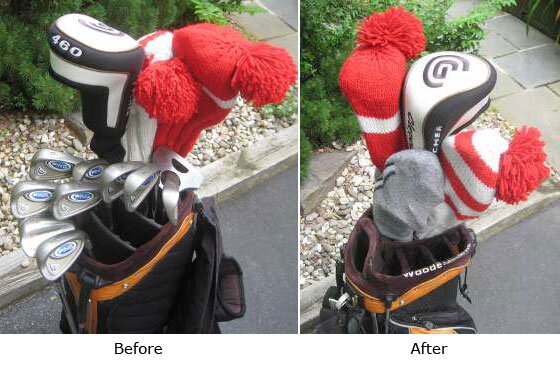
* Headcovers: Use the headcovers for woods and drivers.
* Towels/Bubble Wrap: Wrap irons and wedges together. Use a towel or bubble wrap. Secure it with tape. This stops them from clanging. Some people use socks on iron heads.
Step 3: Brace the Shafts
Shafts can bend or break. This happens if the bag gets dropped headfirst. The heads push down.
* Club Brace: This is a metal or plastic pole. It is taller than your driver. You put it in the bag. It takes the impact if the bag lands headfirst. The brace hits first, not your driver head. This is highly recommended for soft cases. Some hard cases have built-in support.
* DIY Brace: You can make a simple brace. Use PVC pipe. Cut it longer than your longest club. Tape padding to the top. Put it in the bag among the clubs.
Step 4: Secure the Clubs
Use internal straps if your bag has them. Cinch the clubs tight. This stops them from shifting inside the bag. Movement causes damage.
Step 5: Add Extra Padding
Put extra padding at the top of the bag. This is where the club heads are. Use towels, bubble wrap, or even clothes. Fill any empty space. This stops clubs from moving up and down.
Step 6: Pack Extras
You can pack other things in your golf travel bag. Shoes, balls, clothes, rain gear.
* Put shoes at the bottom of the bag. Away from club heads.
* Fill empty spaces with soft items like clothes. This adds more padding. It also saves space in your other luggage.
* Make sure the bag is not too heavy. Check airline weight limits.
Using the Golf Club Travel Cover
Now put your packed golf bag inside the golf club travel cover.
* Zip it up completely.
* Make sure internal straps inside the travel cover are tight. If it has them.
* Check all zippers and buckles. Make sure they are secure.
Specific Protection Tips
Let’s look at protecting specific parts of your clubs.
Protecting Irons
Irons are tough. But their heads can scratch each other. The shafts can bend.
* Use thick rubber bands or tape. Bundle irons together by length.
* Wrap the heads of bundled irons. Use a towel or bubble wrap.
* Some people use iron head covers. These can be bulky. Bundling and wrapping might be better for space.
Protecting Woods and Driver
Woods and drivers have large heads. They are often made of light materials. Their shafts are long and flexible. They are the most likely to break.
* Always use the padded headcovers that came with them.
* Place them in the center of your club bundle. Or near the protective brace.
* Make sure they are at the top of the bag, under plenty of padding.
Protecting the Putter
Your putter is often your favorite club. It might have a unique shape.
* Use its original headcover.
* Place it carefully in the bag. Maybe separate from the irons. Or include it in a padded iron bundle.
* Ensure it’s not near the edge of the bag where it could be hit.
Checking Your Golf Bag at the Airport
Checking golf bag airport procedures can vary. But the basics are similar.
Arriving at the Airport
- Give yourself extra time. Checking oversized luggage takes longer.
- Go to the check-in counter for your airline.
- Tell the agent you are checking a golf bag.
Airline Golf Club Regulations
Each airline has its own rules. These cover weight and size.
* Weight Limit: Most airlines have a standard weight limit for checked bags (often 50 lbs or 23 kg). Golf bags often have a higher limit (like 70 lbs or 32 kg). Check your airline’s rule. Overweight bags cost more.
* Size Limit: Golf bag dimensions airline rules vary. They are usually considered oversized luggage. But they are often allowed if they are within a certain total linear dimension (length + width + height). Or they are just classed as ‘golf equipment’. Check your airline’s website.
* Fees: Airlines charge fees for checked bags. Golf bags often count as one checked bag. Sometimes they have a special sports equipment fee. This fee can be high. Check your airline’s fee structure before you fly.
* Number of Clubs: Most airlines allow one set of clubs. This usually means one bag with up to 14 clubs. Plus some balls and shoes. Check your airline’s specific definition.
Labeling Your Bag
Put clear contact information on your bag. Use an inside tag and an outside tag. Include your name, phone number, and email. Put your travel destination address too. This helps if the bag gets lost.
Getting the Bag Tag
The airline agent will give you a bag tag. This tag has a tracking number. Keep this tag safe. You need it if your bag is lost or damaged.
Oversized Baggage Area
After check-in, you might take your bag to a special oversized baggage area. The agent will tell you where to go. Don’t just leave it at the main counter.
Alternatives to Checking: Shipping Golf Clubs
Checking your golf bag at the airport is not the only way. You can also use a shipping service. Shipping golf clubs means sending them ahead of time.
How Shipping Works
You pack your clubs (often in a travel bag or box). You give them to a shipping company. They send them to your destination. This could be a hotel or a golf course.
Pros of Shipping
- No carrying a heavy bag through the airport.
- No waiting at the oversized baggage claim.
- Avoids airline baggage fees (though shipping has its own cost).
- Clubs might arrive before you do.
- Less risk of damage during airport handling.
Cons of Shipping
- Can be more expensive than airline fees for one bag.
- Requires planning ahead. You need to send them days before you travel.
- Might be problems if they are delayed.
Companies That Ship Clubs
Many companies offer this service. Examples include Ship Sticks, Luggage Forward, and major carriers like FedEx or UPS (with proper packing).
What to Do If Your Golf Bag is Damaged
Damage can happen even with the best packing. If your golf travel bag or clubs are damaged:
- Report Immediately: Go to the airline’s baggage claim office before you leave the airport.
- Fill Out a Report: Complete a damage report form. Get a copy.
- Take Photos: Take clear pictures of the damage. Document everything.
- Keep Records: Keep your bag tag, boarding pass, and the damage report.
- Contact Airline: Follow up with the airline as they instruct. Each airline has a process for claims.
- Check Your Insurance: Your travel insurance or homeowner’s insurance might cover the damage.
Dealing with damage takes time. Proper packing reduces the chance it will happen.
Tips for Different Travel Scenarios
Your trip might have specific needs.
Traveling Internationally
Airline golf club regulations can differ for international flights. Check rules for all airlines you use. Also, check customs rules for the country you visit. You might need to declare your clubs.
Multiple Stops
If your trip has layovers, there is more chance of damage or delay. Pack extra carefully. Use strong tags. Consider a bright golf club travel cover. This makes it easy to spot.
Traveling with Others
If traveling with other golfers, you might combine gear. Check airline rules. Can you put two sets in one bag? Usually, no. One bag is one set. But check the rules. Sometimes, you can put two small bags in one large hard case.
Deciphering Airline Rules (No “Understanding”)
Knowing airline rules is key. Don’s just guess.
* Visit the airline’s official website.
* Look for sections on ‘Baggage’, ‘Sports Equipment’, or ‘Oversized Items’.
* Pay attention to weight limits, size rules (golf bag dimensions airline often list), and fees.
* Print out the rules or save them on your phone. This helps if there is a question at the airport.
Here is a simple look at how some airlines might handle golf bags (Rules change! Always check the airline’s site.):
Example Airline Rules Table (Illustrative Only – Always Verify)
| Airline Example | Counts as Standard Bag? | Weight Limit (Typical) | Size Limit (Typical) | Special Fee? | Notes |
|---|---|---|---|---|---|
| FlyHigh Airways | Yes (often 1st checked) | 50 lbs (23 kg) or 70 lbs (32 kg) | Max length 80 inches (203 cm) | Sometimes (if oversized/overweight) | Check specific sports equipment rules. |
| QuickAir | Yes (often 1st checked) | 50 lbs (23 kg) | Varies, often just “golf bag” | Yes (often a fixed rate) | May count as 2 bags depending on size. |
| Budget Line | No (Special Item) | 50 lbs (23 kg) | Varies | Yes (usually high) | Check their specific sports equipment fee. |
This table uses simplified, example rules. Always look up the current rules on your specific airline’s website before you fly. Rules change often.
Ensuring Your Bag Meets Rules
Before you leave home, check your packed bag.
* Weigh It: Use a bathroom scale. Stand on it with the bag, then without. The difference is the bag’s weight. Make sure it’s under the airline limit.
* Check Dimensions: If the airline has specific size rules, measure your bag. Length, width, and height. Make sure it fits within their limits. A golf club travel cover can add size.
If your bag is overweight, you must remove items or pay a high fee. It’s better to pack heavier items in other checked bags.
More Tips for Protecting Golf Clubs for Travel
- Remove Valuables: Do not pack anything truly valuable in your golf bag. This includes rangefinders, watches, jewelry. Put these in your carry-on.
- Pad Handles: The top handle of your golf bag can take a lot of stress. Wrap extra padding around the top of the clubs and bag opening.
- Use a Bright Cover: A bright golf club travel cover is easy to spot on the carousel. It also shows handlers that it is a golf bag. Some say this leads to more careful handling, but that is not guaranteed.
- Check Travel Cover Condition: Before each trip, look at your golf club travel cover. Are there tears? Are zippers broken? A damaged cover offers little protection.
- Consider Insurance: Travel insurance can cover lost or damaged baggage. Read the policy carefully. Know what it covers and what it does not.
Conclusion: Fly with Confidence
Taking your golf clubs on a plane does not have to be scary. With the right golf travel bag (hard case golf bag or soft case golf bag), careful packing (protecting golf clubs for travel is key), and knowing airline golf club regulations (like golf bag dimensions airline limits), you can feel good about your gear. Checking golf bag airport procedures smoothly helps too. Whether you check it or use a service for shipping golf clubs, planning pays off. A well-packed, padded golf travel bag is your best friend in avoiding airport damage. Enjoy your golf trip!
Frequently Asked Questions (FAQ)
Q: What is the best way to protect golf clubs when flying?
A: The best way is to use a strong travel bag (preferably a hard case or a high-quality padded soft case) and pack your clubs carefully. Use headcovers, bundle irons, brace the shafts with a stiff pole, and add extra padding around the club heads.
Q: Hard case vs. Soft case golf travel bag: Which is better?
A: A hard case offers more protection against crushing and major impacts. It is better for very expensive clubs or frequent travelers. A soft case is lighter, easier to handle, and often cheaper. It works well for less frequent travel or less expensive clubs, especially if it’s a padded golf travel bag with a club brace.
Q: Do I need a club brace in my golf travel bag?
A: Yes, especially if you use a soft case golf bag. A club brace is a pole taller than your driver. It takes the impact if the bag is dropped headfirst. This stops your club shafts from breaking. It adds crucial protection.
Q: How much does it cost to fly with golf clubs?
A: It depends on the airline. Most airlines charge their standard checked bag fee. This might be the fee for a first or second bag. Some airlines have a special fee for sports equipment or oversized bags. This fee can range from $30 to over $100 each way. Check your airline’s website for exact costs.
Q: What are typical airline golf bag dimensions airline limits?
A: Airlines usually class golf bags as oversized luggage but allow them if they meet certain rules. A common total linear dimension limit is 80 inches (length + width + height). However, many airlines simply state that a golf bag is accepted as one item of sporting equipment, sometimes with a higher weight limit than standard bags (like 70 lbs instead of 50 lbs). Always check your specific airline’s rules on their website.
Q: Can I pack other things in my golf travel bag?
A: Yes, airlines generally allow you to pack other golf-related gear like shoes, balls, tees, and apparel inside your golf travel bag. Some people also pack clothes to add extra padding and save space in other luggage. Just be careful not to exceed the airline’s weight limit.
Q: Is shipping golf clubs better than checking them?
A: Shipping golf clubs can be more convenient. It avoids carrying a heavy bag through the airport and waiting at baggage claim. It might also reduce the risk of damage during airport handling. However, it usually costs more than standard airline checked bag fees and requires planning ahead. It’s a trade-off between cost, convenience, and potential risk.
Q: What should I do if my golf clubs are damaged by the airline?
A: If you find damage, report it to the airline’s baggage claim office at the airport immediately before leaving. Fill out a damage report, get a copy, and take photos of the damage. Keep all your travel documents and the bag tag. Follow up with the airline for your claim. Check if your insurance also covers the damage.
Q: Are there special airline golf club regulations for international flights?
A: Yes, airline rules can differ for international travel. Weight limits, size limits, and fees might be different. Always check the baggage and sports equipment rules for the specific airlines you are using for your international trip. Also, be aware of customs rules in your destination country.