
How To Measure The Loft Of A Golf Club: A Complete Guide
Golf club loft is the angle of the clubface compared to the ground. It tells us how high the ball will fly and how far it will go. You can measure the lie angle of a golf club by placing the club on a golf club loft lie machine. This special tool helps find the exact angle of the club’s sole relative to the shaft. Knowing these angles is key for playing better golf. Let’s explore how to measure loft and why it matters.
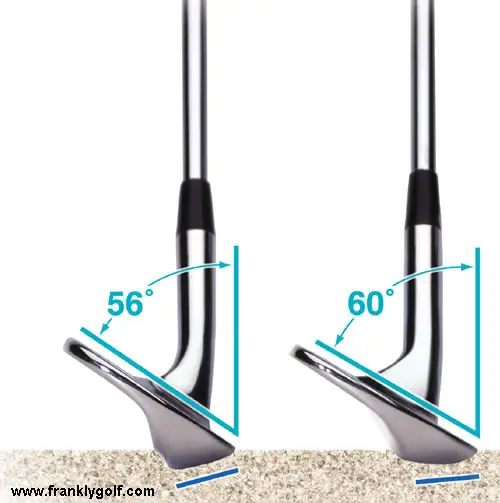
Image Source: franklygolf.com
Deciphering Golf Club Loft
What is golf club loft? It is the angle of the clubface. This angle helps the ball get into the air. A higher loft angle means the ball goes higher. It also means the ball goes a shorter distance. A lower loft angle makes the ball fly lower. It helps the ball go farther.
Every club in your bag has a different loft. Your driver has the lowest loft. Your wedges have the highest loft. This range of lofts helps you hit shots of different distances. It lets you pick the right club for each shot.
Knowing your club’s loft is very important. It helps you hit the ball consistently. It also helps you fill the gaps in your bag. This means you have a club for every distance.
Why Measuring Loft Matters for Your Game
Why should you measure golf club loft? There are many good reasons. It helps you play better. It helps you make sure your clubs are right for you.
1. Filling Gaps in Your Clubs
Imagine you hit your 7-iron 150 yards. You hit your 8-iron 135 yards. What if your 8-iron has too little loft? It might go almost as far as your 7-iron. This leaves a gap in your distances. You would not have a club for 140 yards. Measuring loft helps you find these gaps. You can then fix them.
2. Hitting the Ball the Same Way
Over time, clubs can bend. This changes their loft. This can happen from hitting balls. It can happen from travel. Even small changes matter. If your 7-iron bends, its loft changes. It might not fly the same way anymore. Measuring loft helps keep your clubs true. It makes sure they do what they should.
3. Getting the Right Clubs for You
A club fitter helps you find the best clubs. They will measure your clubs. They will also look at how you swing. This is called club fitting. Measuring loft is a big part of this. It makes sure your clubs fit your swing. This helps you hit the ball better.
4. Seeing Wear and Tear
Clubs are tough. But they can wear out. The loft can change. This is especially true for wedges. You hit wedges hard shots. They hit the ground often. Measuring loft helps you see when clubs are wearing out. You know when to get them fixed. Or when to get new ones.
5. Fixing Problems with Shots
Are your shots too high? Or too low? Do they not go far enough? Your club’s loft might be off. Checking the loft can tell you if this is the problem. Then you can fix it. This makes your shots better.
Tools for Measuring Golf Club Angles
To measure golf club loft, you need special tools. These tools are very precise. They help you get exact numbers.
1. Golf Club Loft Lie Machine
This is the main tool. Most golf shops and club fitters have one. It holds the club in place. It has gauges to read the angles. A golf club loft lie machine is sturdy. It helps you measure both loft and lie angle.
- How it works: The machine has clamps. These clamps hold the club head and shaft. A protractor-like arm swings down. It touches the clubface. This arm shows the loft angle on a dial.
- Benefits: Very accurate. Can measure both loft and lie. Used for adjusting clubs too.
- Drawbacks: Can be big and costly. Most golfers do not own one.
2. Digital Loft Gauge
A digital loft gauge is a smaller tool. It is often part of a bigger machine. Or it can be a handheld device. It uses sensors to read angles. It shows the number on a digital screen.
- How it works: You place the gauge on the clubface. It gives you a digital reading. Some gauges sit on a flat surface. You place the club against them.
- Benefits: Easy to read. Very precise numbers.
- Drawbacks: Some need a flat surface to work right. May not be as robust as a full machine.
3. Other Methods (Less Common)
You might hear about using a protractor. Or a smartphone app. These are not very accurate. They are okay for a rough idea. But for real precision, use a proper machine. A slight error in angle can mean many yards on the course.
| Tool Type | Accuracy Level | Ease of Use | Common Use Case | Cost |
|---|---|---|---|---|
| Golf Club Loft Lie Machine | Very High | Moderate | Professional fitting, bending clubs | High |
| Digital Loft Gauge | High | Easy | Quick checks, personal use with fixture | Medium |
| Protractor (Manual) | Low | Moderate (tricky) | Rough estimate, not recommended for golf | Very Low |
Step-by-Step Guide: Measuring Golf Club Loft
Learning how to measure the loft of a golf club is simple. It just takes the right tools and a little care. We will look at iron loft measurement, driver loft check, and wedge loft specifications.
Using a Golf Club Loft Lie Machine
This is the best way to get accurate readings.
1. Get Ready
* Clean the club: Make sure the clubface is very clean. Any dirt can affect the reading. Use a soft cloth.
* Set up the machine: Make sure the golf club loft lie machine is on a flat, solid surface. It must be stable.
2. Put the Club in Place
* Hold the club firmly: The machine has clamps. Put the club head in the bottom clamp. Make sure it is snug. It should not move.
* Secure the shaft: The shaft also goes into a clamp. Make sure the club is set up as if it were at address. This means the sole of the club is flat on the machine’s base. The shaft should be straight up and down. This is very important for accurate measuring golf club angles.
3. Take the Reading
* Lower the arm: The machine has an arm with a pointer or digital display. Carefully lower this arm. It should rest gently on the clubface.
* Read the angle: Look at the dial or digital screen. This number is your club’s loft. Write it down.
* Check again: Lift the arm. Put it down again. Take another reading. Do this a few times. This helps make sure your reading is correct. If the numbers are slightly different, take the average.
Using a Digital Loft Gauge
Some golfers might use a standalone digital loft gauge. This often requires a special fixture to hold the club correctly.
1. Prepare Your Setup
* Clean the club: Again, a clean clubface is key.
* Use a club holding fixture: A digital loft gauge often works best with a club holding fixture. This fixture makes sure the club is set up perfectly upright. It keeps the sole flat.
2. Place the Gauge
* Turn on the gauge: Make sure it is zeroed out. Many digital gauges have a “zero” button. Press this on a flat surface before you start.
* Place on clubface: Gently place the digital loft gauge on the clubface. Make sure it sits flat. The reading will appear on the screen.
3. Record the Measurement
* Write it down: Note the number shown.
* Repeat: Take a few readings to confirm.
Specifics for Different Club Types
Iron Loft Measurement:
Irons are the most common clubs measured for loft. They tend to bend more over time. This is because they hit the ground a lot.
* Typical Ranges:
* 3-iron: 20-22 degrees
* 4-iron: 23-25 degrees
* 5-iron: 26-28 degrees
* 6-iron: 29-31 degrees
* 7-iron: 33-35 degrees
* 8-iron: 37-39 degrees
* 9-iron: 41-43 degrees
* Pitching Wedge (PW): 45-47 degrees
Check your iron lofts every 6-12 months. This keeps your distances consistent.
Driver Loft Check:
Drivers have the lowest loft. Many modern drivers are adjustable. This means you can change their loft.
* Fixed Loft Drivers: Measure these like irons. Use the golf club loft lie machine.
* Adjustable Loft Drivers:
* Check the sleeve setting first. Many drivers have markings (e.g., +1, -1, STD). These show how much the loft changes.
* Measure the driver in its “standard” setting. Then you can see how much the settings change the actual loft.
* Even if your driver is adjustable, measuring it is good. It makes sure the settings are giving you the loft you want.
* A driver loft check is important for launch and spin.
Wedge Loft Specifications:
Wedges are very important for your short game. Getting wedge loft specifications right is vital. Small changes here affect distance and feel a lot.
* Typical Ranges:
* Gap Wedge (GW/AW): 50-52 degrees
* Sand Wedge (SW): 54-56 degrees
* Lob Wedge (LW): 58-60 degrees
* Importance: You want even gaps between your wedges. For example, 4-degree steps (46, 50, 54, 58). This helps you hit specific distances around the green.
* Wear: Wedges wear out faster than other clubs. Their lofts can change more often. Regular checks are a good idea.
Loft vs. Lie Angle: Grasping the Differences
When measuring golf club angles, you often hear about loft and lie. They are both crucial. But they are different things.
- Loft: This is the angle of the clubface. It points up. It controls ball height and distance.
- Lie Angle: This is the angle between the club’s shaft and the ground. Imagine the club sitting flat on the ground. The angle the shaft makes is the lie angle.
Why Lie Angle Matters:
If the lie angle is off, the club does not sit flat.
* Toe up: The toe of the club points up. This makes shots go to the left (for right-handed golfers).
* Heel up: The heel of the club points up. This makes shots go to the right (for right-handed golfers).
Both loft and lie are measured on the same golf club loft lie machine. A club fitter checks both at once. They make sure both angles are right for your swing.
Adjusting Golf Club Loft: When and How
You have measured your lofts. What if they are off? Or what if you want to change them? This is where adjusting golf club loft comes in.
When to Adjust:
* Clubs are bent: If a club’s loft has changed from use.
* Gaps in distances: If you have big gaps between how far your clubs go.
* Ball flight issues: If your shots are too high, too low, or spinning too much.
* Club fitting: To make clubs fit your swing better.
How to Adjust:
1. Golf Club Bending:
This is the most common way to adjust lofts on irons and wedges. It uses the golf club loft lie machine.
* The Process: A professional club fitter puts your club in the machine. They use special bars. They apply force to the club head. This carefully bends the metal. It changes the loft and lie angles.
* Important Note: Do not try golf club bending at home. You can break your club. Or you can damage the club’s finish. A professional has the right tools and skills. They know how much to bend. They know how to do it safely.
* Materials: Most forged irons and wedges can be bent. Cast clubs are harder to bend. Some cannot be bent at all. Check with a pro.
2. Adjustable Drivers and Woods:
Many drivers and fairway woods have adjustable hosels. This is the part where the shaft joins the clubhead.
* Changing Settings: You use a special wrench. You turn a screw. This changes the angle of the shaft in the clubhead. It can add or subtract loft. It can also change the face angle (draw/fade bias).
* Experiment: You can experiment with these settings. See what helps your ball flight. But remember to check the actual loft with a driver loft check after adjustments. The numbers on the hosel sleeve are often a guide. The true loft might be slightly different.
3. Club Fitter’s Role:
A club fitter is the best person for adjusting golf club loft.
* Expertise: They know what lofts are best for you. They watch your swing. They use launch monitors.
* Precision: They use precise tools. They make small changes. They check the changes.
* Safety: They make sure your clubs are safe to adjust.
Golf Club Loft Calibration: Keeping Your Clubs Perfect
Golf club loft calibration means keeping your clubs at their exact specifications. It is like tuning a musical instrument. It keeps your clubs performing their best.
Why Calibrate?
* Maintain Performance: Clubs perform best when their lofts are right. Calibration ensures this.
* Consistency: Your shots will be more consistent. You will know how far each club goes.
* Prevent Issues: Regular checks can stop small problems from becoming big ones.
How Often to Calibrate:
* Irons and Wedges: Check these every 6-12 months. Or after heavy use. Especially if you play a lot. Or if you travel often with your clubs.
* Drivers and Woods: If they are adjustable, check them when you change settings. If they are fixed, less often. Maybe once a year. Or if you notice changes in ball flight.
Who Does Calibration?
* Professional Club Fitters: They have the right tools. They have the skill. They can measure and adjust your clubs. This ensures golf club loft calibration is done right.
* Golf Shops: Many larger golf stores offer this service. They have trained staff.
Think of it like getting your car’s tires rotated. It is maintenance. It keeps everything working well. Calibrating your club lofts helps you play your best golf. It ensures your iron loft measurement, driver loft check, and wedge loft specifications are always spot on.
Frequently Asked Questions (FAQ)
Q: Can I measure my golf club loft at home without special tools?
A: You can try. Some people use a protractor or a phone app. But these are not accurate. They give you a rough idea. For real precision, you need a golf club loft lie machine or a digital loft gauge with a proper setup. These tools give exact numbers. Small errors in loft can make a big difference in your game.
Q: How do I know if my club lofts are off?
A: You might notice changes in your shots.
* Distance gaps: If your 7-iron and 8-iron go nearly the same distance.
* Ball flight: If your shots are suddenly too high, too low, or ballooning.
* Less control: Especially with wedges, if you cannot hit your distances right.
These are signs your iron loft measurement or wedge loft specifications might be off.
Q: Does bending a club damage it?
A: When done by a trained professional, golf club bending is safe. They use the right tools. They know how much force to use. They know which clubs can be bent. But if you try it yourself, you risk breaking or damaging your club. Forged clubs are generally easier and safer to bend than cast clubs.
Q: How often should I get my club lofts checked?
A: For irons and wedges, it is a good idea to check them every 6 to 12 months. This is especially true if you play a lot. Or if you often hit off mats. Drivers and woods, especially adjustable ones, might need less frequent checks. Unless you change settings often or notice issues. Regular golf club loft calibration helps keep your game sharp.
Q: Can I change my club’s lie angle too?
A: Yes, the same golf club loft lie machine used for loft can also adjust the lie angle. Both angles are critical for good ball striking. A club fitter will check and adjust both together. This ensures your measuring golf club angles is complete and accurate.
Q: What is the ideal loft for a driver?
A: There is no single “ideal” loft. It depends on your swing speed, launch angle, and spin rate. Most drivers range from 8.5 to 12 degrees. A slower swing speed often needs more loft to get the ball in the air. A faster swing speed might need less loft. A driver loft check and fitting with a pro can find your best loft.
Q: Are standard lofts for clubs always the same?
A: No, standard lofts can vary between brands and models. A “7-iron” from one brand might have 34 degrees of loft. A “7-iron” from another might have 30 degrees. This is why it is helpful to know your actual lofts. It helps you gap your own set properly. Do not just rely on the number on the club.
Measuring the loft of your golf clubs is a smart move. It helps you play better. It helps your clubs work just right for you. Use the right tools. Get help from a pro. Your golf game will thank you.