
How To Measure Swing Speed Golf: Simple & Accurate Ways.
What is swing speed in golf? It is how fast your clubhead moves just before it hits the ball. Why is it important to measure it? Knowing your swing speed helps you hit the ball farther and play better. It shows you how much power you put into your swing. You can easily measure your swing speed using special tools. These tools give you exact numbers to help you improve your game.
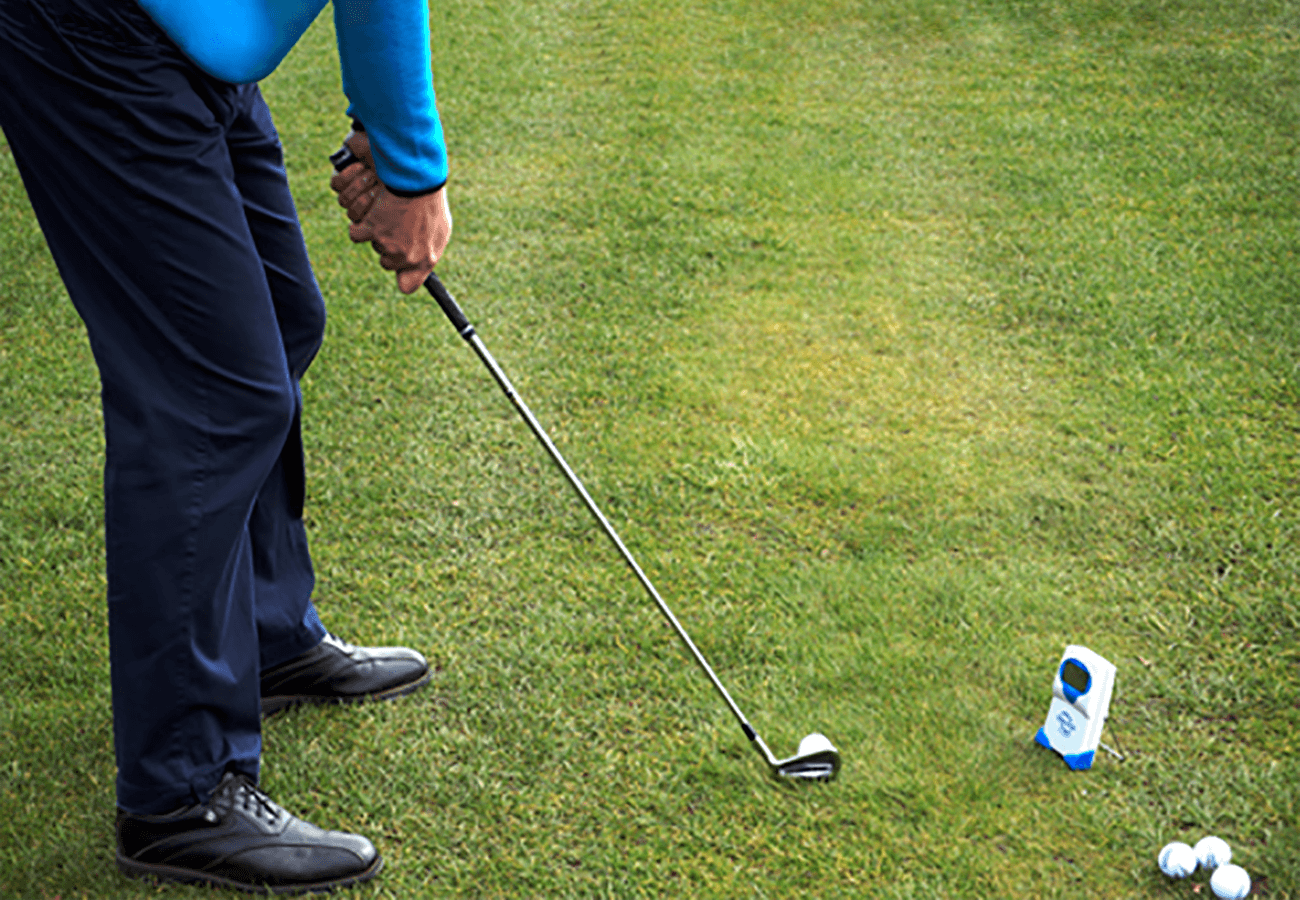
Image Source: www.golfswingsystems.com
Why Your Swing Speed Matters Big Time
Swing speed is a key part of how far your golf ball flies. When your clubhead moves faster, it hits the ball with more force. This sends the ball farther down the fairway. But it is not just about raw power. Your swing speed also impacts how straight your shots go. It affects your control over the ball.
Think about it this way: a faster swing can mean more distance. For many golfers, hitting the ball farther is a big goal. This links directly to driver distance optimization. A faster swing can make your driver shots much longer. But swing speed is not just for drivers. It matters for all your clubs. It helps you pick the right club for each shot.
Knowing your swing speed also helps you get better. If you know your current speed, you can work to make it faster. Or you can make it more consistent. This data gives you a clear path to improve. It helps you reach your golf goals.
Ways to Measure Your Swing Speed
There are many tools to check your swing speed. Some are simple. Some are very high-tech. Let’s look at the best ways to get an accurate reading.
Using a Golf Launch Monitor
A golf launch monitor is one of the best tools for measuring swing speed. These devices use advanced tech to track your club and ball. They give you a lot of info about your shot.
How they work:
Launch monitors use radar or cameras.
* Radar-based monitors send out radio waves. These waves bounce off your club and ball. The monitor then figures out their speed and path.
* Camera-based monitors take many pictures very fast. They watch your club and ball travel. This lets them calculate speed and direction.
What they measure:
A golf launch monitor does not just show your club speed. It also gives you ball speed measurement. This is how fast the ball leaves the clubface. It shows your efficiency. It measures other key things too. These include:
* Launch angle: How high the ball starts its flight.
* Spin rate: How fast the ball spins. This affects how it flies and stops.
* Carry distance: How far the ball travels in the air.
* Total distance: Carry distance plus roll.
Many golf launch monitors are also portable launch monitor units. This means you can take them to the driving range. Or you can use them in your backyard. Some models are small enough to fit in your golf bag. Brands like Foresight Sports, TrackMan, Garmin, and Bushnell make these. They range from pro-level tools to smaller, personal devices.
| Launch Monitor Type | How It Works | Pros | Cons | Ideal User |
|---|---|---|---|---|
| Radar-based (e.g., TrackMan) | Tracks club and ball with radar waves. | Very accurate, outdoor friendly, measures full ball flight. | Can be expensive, needs space behind the ball. | Serious golfers, coaches, fitting centers. |
| Camera-based (e.g., Foresight) | High-speed cameras capture impact. | Extremely accurate, great for indoor use, captures clubface data. | Can be expensive, needs good lighting, indoor focus. | Serious golfers, fitting centers, golf simulator setups. |
| Personal Portable (e.g., Garmin Approach R10, Bushnell Launch Pro) | Smaller radar or camera systems. | More affordable, very portable, good data for the price. | Less detailed data than high-end units, can be less accurate in tough conditions. | Everyday golfers, home practice, budget-conscious users. |
Using a Clubhead Speed Sensor
A clubhead speed sensor is another great way to measure your swing. These small devices attach right to your golf club. Some clip onto the shaft. Others go into the grip end.
How they work:
These sensors have accelerometers inside. An accelerometer measures changes in movement. As you swing, the sensor records its motion. It then figures out how fast the clubhead is moving. It sends this data to an app on your phone or tablet.
Benefits:
* Direct measurement: It measures the club itself, not the ball.
* Easy to use: You just attach it and swing.
* Real-time feedback: You see your speed right away after each swing.
* Affordable: Often much cheaper than a full launch monitor.
Limitations:
* They only measure clubhead speed. They do not give ball speed, launch angle, or spin.
* Accuracy can vary between brands.
* Some models might affect the feel or balance of your club slightly.
Brands like Blast Motion make good clubhead speed sensors. They are great for quick checks on your swing speed. They help you focus on making your club move faster.
Using a Radar Speed Gun Golf
A radar speed gun golf is a simple tool. It looks like a small gun. It uses radar to measure speed. These are often used for general speed checks.
How they work:
You aim the radar gun at your club or ball as you swing. The gun sends out radar waves. These waves bounce off the moving object. The gun then calculates the speed based on how the waves change.
Benefits:
* Simple to use: Just point and shoot.
* Versatile: Can measure clubhead speed or ball speed.
* Portable: Easy to carry around.
* Less expensive: Often cheaper than launch monitors.
Limitations:
* Placement matters: You need to hold it just right for accurate readings.
* Can be tricky to use alone: It helps to have someone else hold it.
* Limited data: It only gives speed. No other shot data.
* Can be affected by other moving objects: Like other golfers on the range.
Some golfers use generic radar guns. Others use golf-specific models like the PRGR Launch Monitor. The PRGR is actually a compact radar device that measures both club speed and ball speed. It’s popular for its simplicity and price.
A Golf Swing Analyzer for More Than Just Speed
Sometimes, you want more than just speed. A golf swing analyzer offers deeper insights. These devices often combine speed measurement with other swing data.
What they do:
A golf swing analyzer can measure:
* Swing path: The direction your club travels during the swing.
* Face angle: Where your clubface points at impact.
* Tempo: The rhythm of your swing.
* Attack angle: How steeply your club hits the ball.
* Low point: Where the club hits its lowest point in the swing.
Many high-end golf launch monitors have these analyzer features built in. Some clubhead sensors also offer limited swing analysis. For example, they might show your swing path or tempo. This extra data helps you understand why your swing speed is what it is. It helps you make better changes to your swing.
Other Ways to Estimate Speed
While dedicated devices are best, there are other ways to get a rough idea.
- Smartphone Apps: Some apps claim to measure swing speed. They use the phone’s microphone or camera. But these are usually not very accurate. They are fun for a quick estimate, but not for serious data.
- Calculating from Ball Speed (Smash Factor): If you know your ball speed, you can estimate your clubhead speed. You need to know your “Smash Factor.”
- Smash Factor = Ball Speed / Clubhead Speed
- An ideal Smash Factor for a driver is around 1.50. This means for every 1 mph of clubhead speed, you get 1.5 mph of ball speed.
- So, if your ball speed is 150 mph and your Smash Factor is 1.50, your clubhead speed is 100 mph (150 / 1.50).
- This method is only useful if you already have a reliable way to get ball speed. A golf launch monitor is best for this.
Deciphering Golf Simulator Metrics
When you use a golf launch monitor, especially in a simulator, you get many numbers. These are called golf simulator metrics. Understanding them helps you improve.
Key Metrics and What They Mean:
| Metric | What It Is | Why It Matters |
|---|---|---|
| Clubhead Speed | How fast your club moves at impact. | More speed usually means more distance. |
| Ball Speed | How fast the ball leaves the clubface. | Shows how well you hit the ball. Higher is better. |
| Smash Factor | Ball Speed divided by Clubhead Speed. | Measures how efficient your hit was. Aim for 1.45-1.50 for drivers. |
| Launch Angle | The angle the ball takes off the clubface. | Too low, the ball flies short. Too high, it loses distance. |
| Spin Rate | How fast the ball spins. (Backspin, Sidespin) | Backspin helps the ball fly and stop. Sidespin makes it curve. |
| Carry Distance | How far the ball flies in the air. | The most important distance metric. |
| Total Distance | Carry distance plus how far it rolls. | Affected by ground conditions. |
| Attack Angle | Whether your club is moving up or down at impact. | Positive (up) for driver for more distance. Negative (down) for irons for control. |
| Club Path | The direction your club moves in the swing. (In-to-out, Out-to-in) | Affects shot shape (draw or fade). |
| Face Angle | Where the clubface points at impact (Open, Closed, Square). | Major factor in shot direction. |
These metrics work together. A good swing is not just about high swing speed. It is also about hitting the ball well. This means having good smash factor, launch angle, and spin. This is the path to optimal swing speed. Optimal means the best speed for your game, not just the fastest.
Selecting the Right Tool for You
Choosing a swing speed tool depends on your needs. Think about these things:
-
Budget:
- Low Cost: Clubhead speed sensors or basic radar guns (e.g., PRGR) are more affordable.
- Mid-Range: Personal portable launch monitor units (e.g., Garmin R10, Skytrak) offer more data at a good price.
- High-End: Professional golf launch monitor systems (e.g., TrackMan, Foresight) are very accurate but cost a lot.
-
Accuracy Needs:
- For serious improvement, a golf launch monitor gives the most accurate and full data.
- For basic speed checks, a clubhead speed sensor or radar speed gun golf is fine.
-
Portability:
- Do you want to use it at the range, on the course, or at home? Many launch monitors are very portable now. Clubhead sensors are tiny.
-
Data Desired:
- Just club speed? A simple sensor or radar gun works.
- Club speed, ball speed, and basic flight data? A portable launch monitor is a good choice.
- Every detail about your swing and ball flight? A full golf swing analyzer system or high-end launch monitor is best.
-
Ease of Use:
- Some devices are plug-and-play. Others need more setup or specific conditions.
For most golfers looking to improve, a mid-range portable launch monitor offers the best value. It gives enough data to make big improvements. It helps with driver distance optimization and more.
Interpreting Your Swing Speed Numbers
Once you measure your swing speed, what do the numbers mean?
What is a Good Swing Speed?
There is no single “good” swing speed for everyone. It depends on your age, strength, and skill level. Here are some averages:
- PGA Tour Pro: 110-120 mph (driver)
- Low Handicap Golfer: 100-110 mph (driver)
- Average Male Golfer: 90-95 mph (driver)
- Average Female Golfer: 60-70 mph (driver)
- Senior Male Golfer: 75-85 mph (driver)
These are just averages. Your speed might be different. The key is to know your number. Then, you can work to make it better.
The Concept of Optimal Swing Speed
Faster is not always better. The goal is to find your optimal swing speed. This is the speed that gives you the best mix of distance and control.
- Too fast for your ability: You might lose control. Your shots could go off target.
- Too slow: You might lose distance.
Your optimal swing speed is the speed at which you hit the ball most efficiently. This means a good Smash Factor. It means good launch and spin numbers. A golf launch monitor helps you find this sweet spot. It shows you if increasing your speed hurts your accuracy or efficiency.
For example, if you swing 5 mph faster but your Smash Factor drops from 1.48 to 1.35, you might not gain much distance. You might even lose it. This is because your ball speed did not go up much, or it even went down. The goal is to gain speed while keeping your strike quality high.
Improving Your Swing Speed
Many golfers want to hit the ball farther. This often means increasing swing speed. There are many ways to work on this. This is called swing speed training.
1. Physical Fitness and Strength
- Core Strength: Your core muscles power your swing. A strong core helps you rotate faster. Exercises like planks and crunches help.
- Leg Strength: Your legs are the base of your swing. Strong legs create power. Squats and lunges are good.
- Flexibility: Good flexibility allows a fuller, faster turn. Stretching your back, shoulders, and hips is key. Yoga can help.
- Overall Fitness: Being in good shape helps your stamina. This means your swing speed stays high for 18 holes.
2. Specific Golf Drills
- Overspeed Training: This uses lighter clubs or weighted clubs. You swing them faster than normal. This trains your muscles to move faster. SuperSpeed Golf sticks are a popular example of this.
- Underload/Overload Training:
- Underload: Use a lighter club to swing faster than normal. This helps your body feel and produce higher speeds.
- Overload: Use a slightly heavier club. This builds strength. It helps your muscles work harder.
- Resistance Bands: Use bands for exercises that mimic swing motions. This builds strength in key golf muscles.
- Tempo Drills: Work on your swing rhythm. A smooth, controlled swing can be faster than a jerky one.
3. Professional Coaching
A golf pro can watch your swing. They can find areas where you lose speed. They might suggest changes to your:
* Swing mechanics: How your body moves.
* Setup: Your posture and stance.
* Grip: How you hold the club.
Even small changes can add mph to your swing. A coach uses golf simulator metrics and data from a golf launch monitor to guide your training. They help you achieve driver distance optimization.
4. Equipment Check
Your golf clubs can also affect your speed.
* Shaft Flex: Using a shaft that is too stiff for your speed can slow you down. A shaft that is too flexible can lead to less control.
* Club Weight: Lighter clubs can be swung faster.
* Loft: The angle of the clubface affects launch and spin. The right loft for your swing speed gets you more distance.
A club fitting expert can help you find the best clubs for your swing speed.
Common Myths and Misconceptions About Swing Speed
Let’s clear up some common ideas about swing speed.
- Myth 1: You must swing as hard as possible.
- Fact: Swinging too hard often leads to a loss of control and poor contact. Bad contact means less ball speed, even if your club speed is high. Focus on good tempo and hitting the center of the clubface. This leads to optimal swing speed.
- Myth 2: Speed is all that matters for distance.
- Fact: Speed is key, but so are other factors. These include launch angle, spin rate, and smash factor. A good combination of all these leads to maximum distance. This is why a golf launch monitor is so helpful.
- Myth 3: You cannot increase your swing speed after a certain age.
- Fact: While natural strength may decline, many golfers can still increase their swing speed through dedicated swing speed training. This includes strength training, flexibility, and specific drills.
- Myth 4: All methods of measuring swing speed are equally accurate.
- Fact: This is not true. High-end golf launch monitor systems are very accurate. Simple apps or basic radar guns might be less so. Your choice of tool impacts the quality of your data.
More Insights from Golf Swing Analyzers
Beyond just speed, a golf swing analyzer provides a much deeper look into your golf motion. This kind of detailed feedback helps you make precise adjustments. It’s not just about how fast; it’s about how you get fast.
For example, a swing analyzer can show you:
* Your takeaway: How you start your swing.
* Your backswing position: Where your club is at the top.
* Your transition: How you shift from backswing to downswing.
* Your impact position: What your body and club are doing right when you hit the ball.
* Your follow-through: How you finish your swing.
This detailed view helps you identify flaws. Maybe your swing path is too steep. Or your clubface is too open at impact. These issues can cost you speed. They also cost you accuracy. By fixing them with the help of an analyzer, you not only gain speed but also improve your ball striking. This leads to better driver distance optimization and more consistent shots across all clubs.
Many golf simulator metrics come from these deeper analyses. They help coaches and fitters fine-tune your game. For example, if your ball speed measurement is low relative to your club speed, the analyzer might show a poor impact location on the clubface. Or maybe a poor attack angle.
Maintaining Accuracy and Best Practices
To get the most out of your swing speed measurements, follow these tips:
- Be Consistent: Try to measure your swing speed under similar conditions each time. This means using the same club, same golf balls, and similar warm-up routine.
- Check Battery Levels: Low batteries can affect device performance and accuracy.
- Proper Placement: For radar speed gun golf or golf launch monitor devices, follow the maker’s instructions for placement. Make sure the device can “see” your club and ball clearly.
- Know Your Environment: Wind, temperature, and altitude can affect ball flight. While they might not change your swing speed, they affect the resulting distance.
- Regular Practice: Use your chosen tool often. The more data you collect, the better you understand your trends. This helps you track the progress of your swing speed training.
- Use Good Golf Balls: Cheap range balls can give lower ball speed readings. This can make your Smash Factor look bad. Use good quality golf balls for serious measurements.
Conclusion
Measuring your golf swing speed is a powerful way to improve your game. It gives you real data to work with. Whether you choose a high-tech golf launch monitor, a simple clubhead speed sensor, or a radar speed gun golf, getting accurate numbers is the first step.
These tools help you understand ball speed measurement, golf simulator metrics, and other vital data. They show you where you stand. They guide your swing speed training. They help you achieve optimal swing speed for your game. Ultimately, knowing your speed helps you work towards driver distance optimization. It also helps you gain more control over your shots.
So, pick a tool, start measuring, and unlock your full potential on the golf course!
Frequently Asked Questions (FAQ)
Q1: How accurate are personal golf launch monitors compared to professional ones?
A1: Personal portable launch monitor units are very good for their price. They give accurate enough data for most golfers. Professional ones like TrackMan or Foresight are usually more accurate. They also give more detailed info. But the personal ones are a great choice for home or range use.
Q2: Can I use my smartphone to measure swing speed reliably?
A2: Most smartphone apps are not very reliable for exact swing speed. They can give you a rough idea. But for true accuracy, use a dedicated device like a golf launch monitor or a clubhead speed sensor.
Q3: What’s the difference between clubhead speed and ball speed?
A3: Clubhead speed is how fast your club moves. Ball speed measurement is how fast the ball moves after impact. The ratio between them is the Smash Factor. A high Smash Factor means you hit the ball well.
Q4: Will increasing my swing speed automatically make me a better golfer?
A4: Not always. While more speed usually means more distance, you must also control the ball. Focus on optimal swing speed. This means finding the balance between speed and control. Too much speed without control can lead to bad shots.
Q5: How often should I measure my swing speed?
A5: It depends on your goals. If you are doing swing speed training, measure often. This helps you track progress. For general checks, once a week or every few sessions is good. It helps you see how your speed changes over time.
Q6: Does a heavier club lead to a slower swing speed?
A6: Generally, yes. A heavier club requires more effort to swing at the same speed. However, some golfers might find a slightly heavier club helps with tempo or control. A lighter club often lets you swing faster. It is about finding the right balance for you.
Q7: Can cold weather affect my swing speed measurements?
A7: Cold weather can affect your muscles and how you swing. It can also affect how golf balls fly. So, yes, cold conditions might lead to slightly lower swing speeds. And balls will not fly as far.