
Optimize Your Game: How To Measure Loft Of Golf Club
Measuring the loft of your golf club is a key step to play better golf. It helps you hit the ball just right. Why measure golf club loft? You measure it to make sure your clubs give you the right distances. This helps close the gaps between your clubs. It also ensures your clubs work best for your swing. Knowing your club lofts helps you pick the right club for every shot.
What is golf club loft? It is the angle of the clubface relative to the ground. This angle changes how high and how far the ball goes. A club with more loft makes the ball fly higher and shorter. A club with less loft sends the ball lower and farther. For example, your driver loft angle is very low, around 9 to 12 degrees. This helps the ball go far. Iron loft degrees are much higher, like 20 degrees for a 5-iron. This makes the ball go up quickly. Every club has its own loft angle. This angle is set by the club maker. But these angles can change over time. This is why checking them is important.
The Power of Precise Club Loft Data
Grasping your club’s loft is like having a secret weapon. It helps you hit the ball consistently. When you know the exact loft, you can fix problems with your shots. Maybe your 7-iron goes too far or not far enough. This could be due to a wrong loft. Accurate loft data helps you hit the ball with more power and better aim. It also helps you manage your golf club gapping process. This means making sure each club goes a different, clear distance.
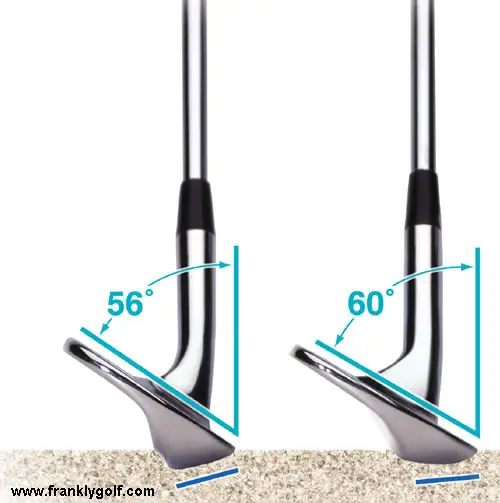
Image Source: franklygolf.com
Why Knowing Your Club Lofts Matters
Your golf game relies on consistency. Every time you hit a club, you want the ball to fly a certain way. Loft is a big part of this.
- Consistent Distances: If your clubs have the wrong lofts, your distances will be off. Imagine your 6-iron and 7-iron go the same distance. This is a problem! It means you have a “gap” in your club set. Fixing the loft can fix this.
- Optimizing Your Ball Flight: Loft decides how high the ball goes. Too little loft, and the ball stays low. Too much, and it flies too high. The right loft helps you get the best golf swing launch angle for your game. This means more distance and better control.
- Fixing Factory Errors: Even new clubs can have small errors. Lofts might be off by a degree or two. This small error can make a big difference on the course.
- Clubs Change Over Time: Clubs are not static. Hitting many balls, or even just carrying them in your bag, can bend them a little. This changes the loft. Regular checks help keep your clubs in shape.
- Custom Fitting: When you get new clubs, a fitter measures everything. This includes loft. They make sure the clubs fit your swing. This is a crucial step for serious golfers.
Essential Golf Club Loft Measurement Tools
To measure loft accurately, you need the right tools. There are different tools for different needs. Some are for pros, some are for home use.
The Digital Loft Lie Machine
This is the best tool for checking golf club angles. Most pro shops and club fitters use a digital loft lie machine. It gives very exact readings.
- How it Works: A digital loft lie machine holds the club firmly. It has digital sensors that read the club’s angle. It shows the loft and lie angles on a screen.
- Accuracy: These machines are very precise. They can read angles down to 0.1 degrees. This level of accuracy is important for fine-tuning clubs.
- Ease of Use: Once set up, they are easy to use. You place the club, and the machine does the rest.
- Cost: They are expensive. A good digital loft lie machine can cost thousands of dollars. This makes them a tool for pros, not often for home use.
Manual Loft and Lie Gauges
Before digital machines, manual gauges were common. Many still use them.
- How it Works: These tools also hold the club. They have a dial or a pointer that shows the angle. You read the angle by hand.
- Accuracy: They can be accurate if used correctly. But they rely on you reading the dial. This can lead to small errors.
- Cost: Manual gauges are less expensive than digital ones. They are a good option for small club repair shops or serious amateurs.
Simple Protractor-Style Tools
For DIY golf loft adjustment checks, simpler tools exist. These are not as accurate but can give a general idea.
- How it Works: These often look like a protractor with a magnet. You stick the magnet to the clubface. The protractor shows the angle.
- Accuracy: These tools are much less accurate. They are good for a quick check. They can tell you if a club is way off. They are not for precise adjustments.
- Cost: They are cheap. You can buy them for less than $50.
- Limitations: They don’t hold the club firmly. Your hand position or how you hold the club can affect the reading.
How to Measure Loft with Professional Tools
Using a digital loft lie machine is the best way to get exact numbers. Here is a step-by-step guide.
Step 1: Set Up the Machine
- Place on a Flat Surface: Put the machine on a level, strong table. This is key for true readings.
- Plug It In: If it’s a digital machine, plug it in. Turn it on.
- Calibrate (Zero Out): Most machines need calibration. This means setting it to zero before you start. Follow the machine’s guide. This step ensures the machine reads correctly. If you skip this, your numbers will be wrong.
Step 2: Prepare the Golf Club
- Clean the Clubface: Make sure the clubface is clean. Dirt or grass can affect readings.
- Remove Headcover: Take off the headcover.
- Check for Bends: Look at the shaft. Does it look straight? If it’s bent, the readings will be off.
Step 3: Mount the Club Correctly
This is the most important step for getting good readings.
- Use the Clamp: Place the club in the machine’s clamp. The clamp holds the shaft firmly.
- Align the Face: Make sure the clubface is square. This means it faces straight ahead, not open or closed. Some machines have lines to help you.
- Sole Flat: The bottom of the club (the sole) must sit flat on the machine’s surface. This copies how the club sits at address. This is critical for an accurate loft reading.
- Shaft Angle: The machine also checks the lie angle. This is how the shaft sits in relation to the ground. Make sure the shaft is set to a standard lie angle or to your personal lie angle if you know it. This affects the loft reading.
Step 4: Read the Loft Angle
- Digital Screen: If using a digital machine, the loft angle will appear on the screen. Write down the number.
- Manual Dial: If using a manual gauge, read the number on the dial. Look straight at the dial to avoid errors.
- Repeat: It is good practice to remove the club and put it back on the machine. Do this a few times. Take the average of the readings. This helps confirm your numbers.
Step 5: Record Your Findings
Keep a record of all your club lofts. This helps you track changes. It also helps you decide what adjustments you might need.
- Club Number: Write down the club (e.g., Driver, 5-Iron, Pitching Wedge).
- Measured Loft: Write the loft angle you measured.
- Standard Loft: Compare it to the club’s standard loft (from a golf club specification chart).
- Notes: Add any notes, like if it was off by a lot.
Deciphering Golf Club Specification Charts
Every golf club has a standard set of specifications. These are often found in a golf club specification chart. This chart shows the original loft, lie, length, and other details for each club.
Why Spec Charts Are Useful
- Baseline: They give you a starting point. You can compare your measured lofts to what the factory says they should be.
- Gapping Guide: They help you see what kind of loft gaps your set should have.
- Buying Guide: When buying new clubs, you can look at these charts. This helps you pick clubs that fit your game.
How to Read a Golf Club Specification Chart
A spec chart lists clubs by number (e.g., 3-iron, 7-iron, PW). Next to each club, you will see its loft angle. You might also see the lie angle, length, and swing weight.
Example Standard Iron Lofts (These can vary by brand and model)
| Club Number | Typical Loft (Degrees) | Typical Lie (Degrees) |
|---|---|---|
| 3-Iron | 20-21 | 59-60 |
| 4-Iron | 23-24 | 60-61 |
| 5-Iron | 26-27 | 61-62 |
| 6-Iron | 29-30 | 62-63 |
| 7-Iron | 33-34 | 63-64 |
| 8-Iron | 37-38 | 64-65 |
| 9-Iron | 41-42 | 64.5-65.5 |
| Pitching Wedge (PW) | 45-46 | 65-66 |
| Gap Wedge (GW) | 49-50 | 65.5-66.5 |
| Sand Wedge (SW) | 54-56 | 66-67 |
| Lob Wedge (LW) | 58-60 | 66-67 |
Note on Driver Loft Angle: Driver lofts are typically much lower, from 9 to 12 degrees. Fairway woods also have low lofts, but higher than a driver.
You will notice that the iron loft degrees usually change by 3-4 degrees between clubs. This consistent change is important for good gapping.
The Golf Club Gapping Process
What is club gapping? It is making sure each club in your bag hits the ball a different, predictable distance. This helps you pick the right club for any shot on the course. Loft measurement is key to this process.
Why Good Gapping Matters
Imagine you have a shot that is 150 yards. You have a 7-iron and a 6-iron. If both go 150 yards, you have a gap problem. You need each club to go a specific distance. This makes club choice easy and lowers your score.
How Loft Affects Gapping
Loft is the main factor in how far a ball goes. A 4-degree change in loft usually means about a 10-15 yard difference in distance.
- Too Little Gap: If your 7-iron has too little loft (e.g., 30 degrees instead of 34), it might go almost as far as your 6-iron. This creates a small gap.
- Too Much Gap: If your 7-iron has too much loft (e.g., 38 degrees), it might leave a big distance gap between it and your 6-iron.
Steps in the Gapping Process
- Measure Your Lofts: Use a digital loft lie machine to measure all your club lofts. Write them down.
- Hit Each Club: Go to a driving range or a launch monitor. Hit each club many times. Record the average distance for each club.
- Check Your Gaps: Look at the distances. Do they go up by about 10-15 yards for each club?
- Compare to Spec Chart: How do your measured lofts compare to your golf club specification chart?
- Adjust Lofts: If you have bad gaps, you might need to adjust lofts. A club fitter can bend your clubs to the right angles.
This golf club gapping process helps you fine-tune your entire set. It means you will have a club for every distance.
Optimizing Golf Club Loft for Your Swing
Loft is not just about standard numbers. It is also about what works best for your golf swing. Everyone swings differently.
How Your Swing Affects Loft Needs
- Swing Speed: Fast swingers often need less loft to get the right launch. Slower swingers may need more loft to get the ball up in the air.
- Attack Angle: This is how your club hits the ball. If you hit down on the ball a lot, you might need more loft. If you sweep the ball, you might need less.
- Launch Angle and Spin: Loft directly affects your golf swing launch angle and how much the ball spins. The goal is to find the best mix for distance and control. A professional club fitter uses a launch monitor to measure these things. They can then tell you the ideal loft for your clubs.
The Role of Custom Fitting
Custom fitting is key to optimizing golf club loft. A fitter looks at your swing. They use a launch monitor to see your ball flight numbers. Then, they adjust your clubs.
- Driver Loft Angle: They might change your driver’s loft. A few degrees can add many yards to your drive. They aim for the best golf swing launch angle and spin rate for you.
- Iron Loft Degrees: They will adjust your irons to get even distance gaps. This means bending them stronger (less loft) or weaker (more loft).
- Wedge Lofts: Your wedges need very specific lofts. This helps you hit different shots around the green.
Optimizing golf club loft means getting your clubs set up for you. This helps you hit the ball farther and straighter.
Can You Do DIY Golf Loft Adjustment?
Many golfers wonder if they can adjust their own club lofts. While it is possible, it is not often a good idea for most people.
What You Need for DIY Adjustment
- Loft and Lie Bending Machine: This is a strong tool that holds the club. It has long handles. You use these handles to bend the club’s hosel (the part where the shaft meets the head).
- Loft Gauge: You need a way to measure the loft as you bend.
- Club Vise: To hold the club still.
The Process (Not Recommended for Amateurs)
- Mount the Club: Put the club in the bending machine. Make sure it is secure.
- Apply Pressure: Slowly apply force to bend the hosel. You need to know which way to bend for loft or lie.
- Check Loft: Take the club out. Measure the loft.
- Repeat: Keep bending and checking until you reach the desired loft.
Why DIY is Risky
- Damage to Clubs: It is easy to break or damage a club. You can snap the hosel or crack the clubhead. This is common if you do not know what you are doing.
- Wrong Angles: Without exact tools, you can bend the club to the wrong angle. This can make your golf game worse. You might also change the lie angle when you only meant to change the loft.
- Weakening the Club: Bending metal too much can make it weak. This means the club might break later during a swing.
- Loss of Warranty: Bending clubs yourself will often void the club’s warranty.
When to Seek Professional Help
For best results and to avoid damage, always go to a professional. A good club fitter or repair shop has the right tools and skills. They do this every day. They can adjust your clubs safely and correctly. They can also perform checking golf club angles for you. They make sure your clubs are perfectly set.
Maintaining Your Club Lofts
Even after getting your lofts just right, they can change. It is good to check them often.
How Often to Check
- Once a Year: For regular golfers, a yearly check is a good idea. This helps catch any small changes.
- After Hard Play: If you play a lot, or hit many balls from tough lies, check more often. Sand or rocky ground can bend clubs.
- After Travel: Flying with clubs can sometimes cause them to get bumped. Check them after trips.
- If Performance Drops: If your distances change, or your ball flight is off, check your lofts. It could be the reason.
Impact of Play and Travel
- Repeated Shots: Every time you hit a ball, the club takes stress. This can cause tiny bends over time.
- Rough Lies: Hitting out of thick rough or from rocks can bend the club’s hosel.
- Bags and Storage: Clubs can get pushed around in your bag. This can lead to small changes.
- Carrying and Transport: If clubs are not stored well during travel, they can get damaged.
Storage Tips
- Club Headcovers: Use headcovers on your woods and hybrids. This protects them.
- Separate Irons: Some golfers use iron covers or club clips. This stops irons from banging together in the bag.
- Safe Storage: Store your clubs in a cool, dry place. Avoid leaving them in a hot car trunk for long periods.
Regular checks and good care help keep your clubs working their best. This means your lofts stay true. This helps you keep hitting those great shots.
Frequently Asked Questions (FAQ)
Q1: How much does it cost to get my club lofts checked?
A1: The cost varies. Some pro shops do it for a small fee, often $5-$10 per club. If you buy clubs from them, they might do it for free. Full club fitting sessions cost more, but include loft checks.
Q2: Can I adjust the loft on my adjustable driver at home?
A2: Yes, most adjustable drivers come with a special wrench. You can change the driver loft angle within a small range (usually +/- 1.5 to 2 degrees). This is safe to do yourself. Follow the maker’s guide.
Q3: Does changing loft also change the lie angle?
A3: When you bend an iron’s hosel to change loft, it often changes the lie angle a little too. A professional club fitter knows this. They will adjust both at the same time to get them right.
Q4: My iron lofts are very strong (low numbers). Is this good or bad?
A4: Many new iron sets have stronger lofts than older sets. This makes you hit the ball farther, which can feel good. But it can make gapping harder. For example, your “7-iron” might have the loft of an old “5-iron.” Focus on how well your clubs gap, not just the number on the club.
Q5: How often do professional golfers check their club lofts?
A5: Professional golfers often have their clubs checked very often. Some even before each tournament round. This ensures every club is perfect for the course conditions. For amateurs, a yearly check is enough.
Q6: What is the best way to get a good golf swing launch angle?
A6: The best golf swing launch angle comes from a mix of your swing speed, your attack angle, and the club’s loft. A club fitting helps find the ideal loft for you. A lower loft on a driver, for example, helps with distance. The right iron loft degrees help with height and control.
Q7: Can a bent club affect my game even if the loft is still correct?
A7: Yes. If a club is bent somewhere other than the hosel (e.g., the shaft is slightly bent), it can affect how the club feels and performs. Even if the loft reading is okay, a bent shaft will cause problems. Always check the whole club.