
Image Source: franklygolf.com
Grasping Golf Club Loft
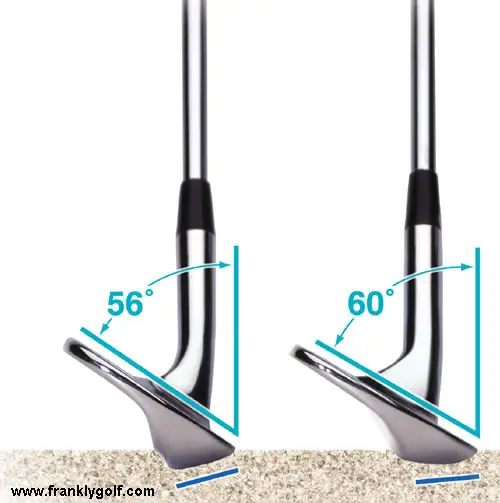
What is golf club loft angle definition? It is the angle of a club’s face compared to the ground. This small angle hugely affects how a golf ball flies. It helps shape your shots. Knowing your club’s loft is key for good play. It helps you hit the ball with the right height and distance. It also helps you control the ball’s spin. This guide will show you how to measure loft right. We will also talk about why it matters for your game.
Why Correct Loft Matters a Lot
The impact of loft on ball flight is huge. Loft helps the ball get off the ground. More loft means a higher, softer shot. Less loft means a lower, hotter shot. Each club has a loft. It is designed to do a certain job. Your driver has little loft for long shots. Your wedges have a lot of loft for short, high shots.
If your lofts are off, your game suffers. You might hit the ball too high or too low. Your shots might not go the right distance. They might not go straight. This is why checking golf club specifications is vital. Clubs can change. They can change over time from use. They can also change from bending. Making sure your lofts are correct helps your clubs work as they should. It brings consistency to your shots. This means you can hit the ball the same way every time. This helps your scores.
Tools for Measuring Loft
To measure golf club loft, you need special tools. Pros use certain machines. These machines are very exact. There are also simpler tools for home use.
Loft and Lie Machine Usage: These are big, strong tools. Golf shops and club fitters use them. They hold the club still. Then, they read the exact loft. These machines are the best way to get a precise number.Digital Loft and Lie Gauge: These are smaller tools. They are often part of a bigger machine. Or, they can be handheld. They show the loft on a screen. They make reading easier. They are very accurate too.DIY Golf Club Loft MeasurementTools: You can try to measure loft at home. You will need simple tools. These include a protractor and a ruler. This method is not as exact. But it can give you a good idea. It helps you see big differences.
Measuring Loft Like a Pro: Using a Loft and Lie Machine
This is the best way to check loft. It gives the most exact numbers. A loft and lie machine is a special tool. It holds the club firm. Then, it measures the clubface angle.
Getting Ready for a Precise Read
First, set up the machine. Make sure it is on a flat, solid floor. This helps keep it steady. A steady machine gives good numbers. Next, clean your golf club. Dirt on the club can change the reading. Wipe the clubface and shaft. Make sure no grass or mud is left.
The machine needs to be zeroed out. This means setting it to show zero. This ensures it starts at the right point. Check the instructions for your specific machine. Most machines have a way to do this. It often involves a simple turn or push.
Step-by-Step Loft Measurement
- Place the Club: Put your golf club into the machine. The club needs to sit just right. The shaft should be straight. The clubface must be flat against the measuring arm. Make sure it is tight. If it is loose, the reading will be wrong.
- Lock the Club: Lock the club in place. The machine has clamps or grips. These hold the club still. Do not let the club move while reading.
- Read the Loft: Look at the gauge. It will show the loft angle. Some machines have a needle. Others have a digital screen. Write down the number. Do this for each club.
- Repeat for Accuracy: Take a few readings for each club. Take the club out. Put it back in. Read the loft again. Do this two or three times. This helps you get a good average. It also catches any mistakes.
Tips for Accuracy
- Club Position: Always place the club the same way. Small changes in how the club sits can change the loft reading.
- Sole Flat: Make sure the sole (bottom) of the club is flat. It should sit flush on the machine’s base.
- Shaft Straight: The shaft must be straight up and down. Any tilt will change the reading.
- Cleanliness: Keep the machine and clubs clean. Dirt can affect the numbers.
- Calibration: Check the machine’s calibration often. Make sure it is working right. A bad calibration means bad readings.
Home Loft Checks: DIY Golf Club Loft Measurement
You can measure loft at home. It is not as exact as a pro machine. But it can give you an idea. This is good for quick checks. It helps you see big problems.
What You Will Need
- A Flat Surface: A sturdy table or workbench is best. It needs to be very level.
- A Ruler or Straight Edge: A metal ruler works well. It needs to be perfectly straight.
- A Protractor: Look for a large one. A school protractor might work. A larger one is easier to read.
- A Marker: A washable pen or pencil is useful.
- Tape (Optional): Masking tape can help hold things.
Simple Steps for DIY Measurement
- Set Up Your Area: Place your club on the flat surface. The clubface should point up. The sole of the club should be flat on the surface.
- Mark the Clubface: Place your ruler flat against the clubface. It should be perfectly straight up and down. Use a marker to draw a line on the clubface. This line should be from the leading edge to the top edge. It should be at a right angle to the sole. This line helps you find the center of the clubface.
- Place the Protractor: Put the center of the protractor on the line you drew. The flat bottom of the protractor should be parallel to the sole of the club.
- Read the Angle: The vertical line you drew on the clubface will cross the protractor’s scale. Read the angle where the line crosses. This is your club’s loft.
- Repeat and Average: Do this a few times for each club. Average the readings. This helps make your number more accurate.
Limits of Home Methods
DIY golf club loft measurement has some limits.
* Accuracy: It is not as exact as a machine. Small errors in setup can lead to wrong readings.
* Consistency: It is hard to place the club exactly the same way each time. This makes readings less reliable.
* Bending: You cannot bend clubs with this method. It is only for checking.
* Lie Angle: This method does not measure lie angle. Lie angle is another key club setting.
For serious golfers, a pro shop check is best. But DIY can help you see if a club is way off.
What to Do After Measuring Loft
Once you know your lofts, what next? You need to compare them. You might also need to change them.
Is Your Loft Right? Checking Golf Club Specifications
Every golf club comes with a target loft. These are called standard golf club loft angles. Your measured lofts should be close to these numbers. They should also match your personal fitting needs.
Here is a table of typical standard golf club loft angles:
| Club Type | Typical Loft Range (Degrees) |
|---|---|
| Driver | 8.5° – 12° |
| 3-Wood | 13° – 16° |
| 5-Wood | 17° – 20° |
| 3-Hybrid | 19° – 22° |
| 4-Iron | 21° – 24° |
| 5-Iron | 24° – 27° |
| 6-Iron | 27° – 30° |
| 7-Iron | 31° – 34° |
| 8-Iron | 35° – 38° |
| 9-Iron | 39° – 42° |
| Pitching Wedge | 44° – 47° |
| Gap Wedge | 48° – 52° |
| Sand Wedge | 54° – 58° |
| Lob Wedge | 58° – 62° |
Note: These are general ranges. Actual lofts vary by brand and model.
Compare your club’s measured loft to its original specs. Also, compare it to the lofts of other clubs in your set. You want even gaps between clubs. For example, if your 7-iron is 34 degrees, your 8-iron might be 38 degrees. A 4-degree gap is common. If your 8-iron is suddenly 35 degrees, that’s a problem. It might be too close to your 7-iron. This makes it hard to pick the right club.
When Lofts Need Changing: Adjusting Golf Club Loft
You might need to adjusting golf club loft for a few reasons:
- Wear and Tear: Over time, hitting balls can change loft. Clubs can bend a little. This is especially true for softer metals.
- Wrong Gaps: Your clubs might not have even loft gaps. This means some clubs fly too close together. Others fly too far apart.
- Personal Needs: Your swing might work better with certain lofts. A
golf club fitting processoften finds this out. - New Clubs: Sometimes new clubs do not match your old set. You might want to adjust them to fit in.
When lofts need changing, pros use a special tool. This tool can bend the club. This process is called golf club bending for loft.
The Art of Adjusting Golf Club Loft
Adjusting loft is a job for a skilled person. Do not try this at home with a hammer! It takes special tools and knowledge.
The Bending Process: Golf Club Bending for Loft
When a golf club needs its loft changed, a pro uses a loft and lie machine. This machine not only measures but also bends. The club fitter places the club in the machine. They use a long bar. They gently push or pull the clubface. This changes the angle. They can add or remove a few degrees of loft.
- Adding Loft: The clubface is bent back. This makes the angle steeper. The ball will fly higher.
- Removing Loft: The clubface is bent forward. This makes the angle flatter. The ball will fly lower.
Bending is done in small steps. The fitter checks the loft often. They want to get it just right. The club metal is soft enough to bend. But it can break if bent too much or too fast. This is why a pro should always do it. They know how to bend clubs safely.
How Loft Changes Impact of Loft on Ball Flight
Changing loft has a big effect on how the ball flies.
- More Loft (Weakening):
- Higher Ball Flight: The ball goes up more steeply.
- More Spin: The ball will have more backspin.
- Shorter Distance: The ball will not roll as much. It will stop sooner.
- More Control: High spin can help you stop the ball on the green.
- Less Loft (Strongening):
- Lower Ball Flight: The ball stays lower to the ground.
- Less Spin: The ball will have less backspin.
- Longer Distance: The ball will roll more after landing. It might go further.
- Less Control: The ball might not stop as fast. It can run off the green.
Think about your golf course. Do you need high shots to stop on greens? Or do you need low shots to run on hard fairways? Adjusting golf club loft helps you play your best. It matches your clubs to your swing and course.
The Golf Club Fitting Process and Loft
Loft plays a very big part in a golf club fitting process. During a fitting, an expert watches your swing. They use special tech to see how you hit the ball. This tech measures things like ball speed, spin, and launch angle.
How Fitting Uses Loft Data
A good club fitter looks at your current lofts. They check them against your swing. They see if your clubs help or hurt your ball flight.
* Launch Angle: Loft affects how high the ball launches. The fitter tries to find the best launch angle for you. This helps you get the most distance.
* Spin Rate: Loft also changes how much the ball spins. Too much spin can make the ball float. Too little spin can make it drop fast. The fitter finds the right spin for you.
* Distance Gaps: The fitter makes sure your clubs have even distance gaps. This means each club goes a certain distance further than the one before it. No two clubs should go the same distance. No two clubs should have a huge gap in distance. Loft changes fix these gaps.
* Lie Angle Too: While checking loft, fitters also check lie angle. Lie angle is how the club sits on the ground. Loft and lie work together. They make sure the club hits the ball square.
Finding Your Perfect Loft
The fitter might try different lofts with you. They might bend your clubs a little. Then, you hit shots. They watch the ball flight. They want to see the best height and distance for you. This is a very personal process. What is good for one golfer might not be good for another.
A fitting can help you find your ideal lofts. This makes your whole set work together. It means you can trust each club to do its job. This leads to better shots and lower scores.
Keeping Your Clubs in Check
Measuring loft is not a one-time thing. Clubs can change. Checking them often keeps your game sharp.
Regular Loft Checks
How often should you check your lofts?
* Once a Year: For most regular golfers, a yearly check is good. This catches any small changes.
* After Hard Play: If you play a lot, or hit many practice balls, check more often. Heavy use can bend clubs a bit.
* After Travel: If you fly with your clubs, check them. Baggage handlers are not always gentle.
* If Shots Change: If your shots suddenly go higher or lower, check your lofts. This might be the cause.
A quick check by a pro is usually not expensive. It can save you strokes.
Signs of Bad Loft
How do you know if your lofts are off?
* Inconsistent Shot Height: One iron suddenly flies much higher or lower than it should.
* Poor Distance Gaps: Your 7-iron now goes the same distance as your 8-iron. Or there’s a huge gap between two clubs.
* Loss of Distance: Your shots are not going as far as they used to. This might be due to a weaker loft.
* Too Much or Too Little Spin: The ball might jump too high or have too much backspin. Or it might fly too low with little spin.
These are clues that your lofts might need a look. Getting them fixed can make a big difference. It helps your golf clubs work like a well-oiled machine.
Frequently Asked Questions (FAQ)
Can I measure loft without a machine?
Yes, you can do DIY golf club loft measurement at home. You can use a protractor and a ruler. But it is not as exact as a pro machine. It is good for general checks.
How much can loft be adjusted?
Most golf clubs can be bent a few degrees. Irons and wedges are easiest to bend. Drivers and woods are harder. They are often made of harder metals. A club fitter knows how much is safe.
Does loft change over time?
Yes, loft can change. Hitting many balls can cause clubs to bend a little. This is especially true for softer metals. Traveling with clubs can also cause changes.
Why are wedge lofts so important?
Wedge lofts are very important. They control your short game. They help you hit certain distances. They also help you control spin around the green. Proper wedge loft gaps are key for scoring.
What is a digital loft and lie gauge?
A digital loft and lie gauge is a tool that measures club angles. It shows the angles on a digital screen. It is very precise. It is often part of a pro loft and lie machine. Some are handheld. They make reading measurements easier.
Is adjusting loft part of golf club fitting process?
Yes, adjusting golf club loft is a big part of the golf club fitting process. Fitters check your current lofts. They change them if needed. This helps match the clubs to your swing. It also helps your whole set work well together.