
Can you really make your grass look like a golf course? Yes, you can make your grass look like a golf course right at home. It takes consistent work and the right tools. It’s a journey, not a quick fix. You will need to learn about your soil, how to mow properly, and how to feed your lawn. This guide will show you how to get that smooth, deep green look.
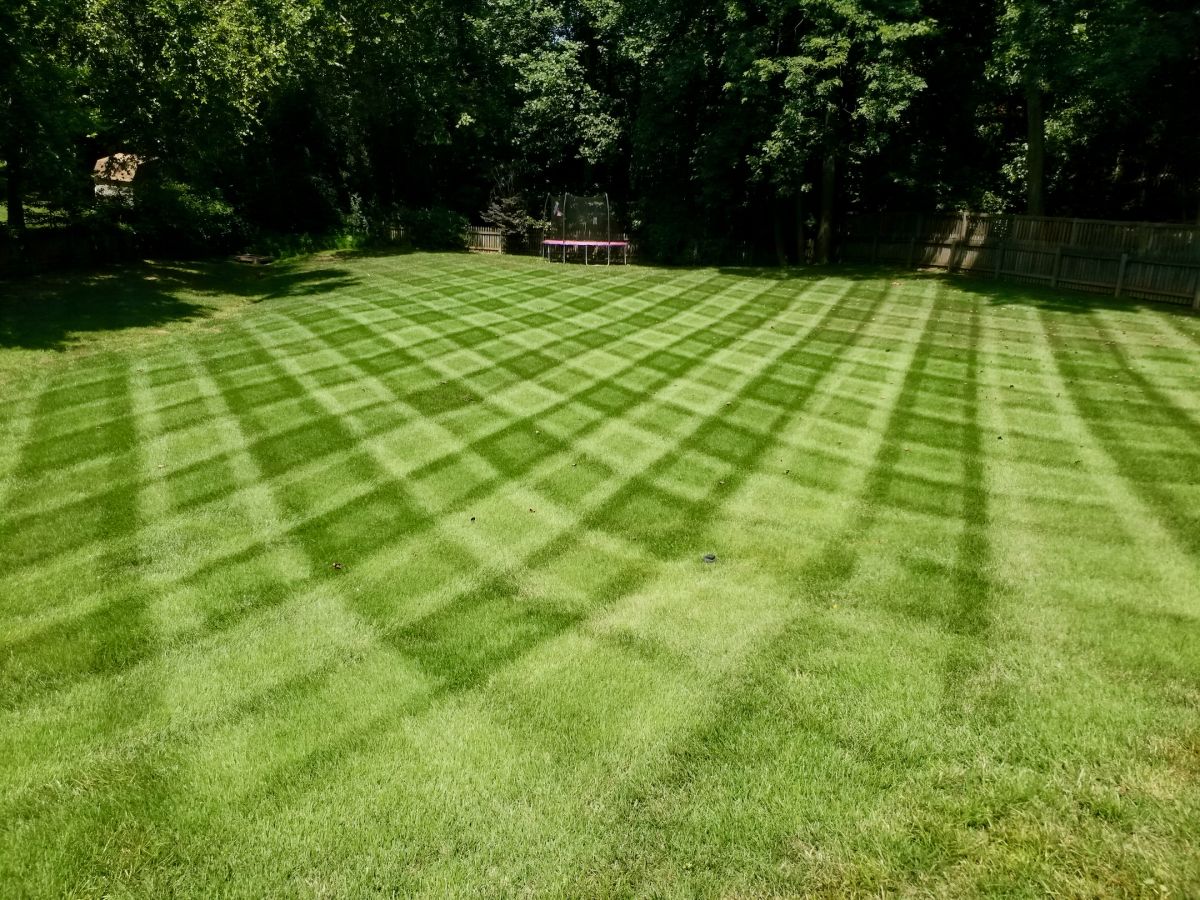
Image Source: www.brandonrushing.com
The Foundation: Soil Health is Key
A beautiful lawn starts from the ground up. Healthy soil is the secret. It gives your grass the food and space it needs to grow strong. Without good soil, your grass will struggle.
Assessing Your Soil: The First Step
Before you do anything else, check your soil. Think of it like a health check for your lawn.
- Why Test? A soil test tells you what your soil has and what it needs. It shows nutrient levels and how acidic or alkaline your soil is.
- How to Test: You can buy a soil test kit. Or send a sample to a local university or lab. They will give you a detailed report. This report helps you choose the right fertilizers.
Soil pH for Grass: Getting the Balance Right
Soil pH is a measure of how acidic or alkaline your soil is. It uses a scale from 0 to 14. A pH of 7 is neutral. Below 7 is acidic. Above 7 is alkaline.
- Ideal Range: Most grass types like soil that is slightly acidic to neutral. This means a pH between 6.0 and 7.0 is best.
- Why it Matters: When the pH is in this range, grass can easily take in nutrients from the soil. If the pH is too high or too low, nutrients get locked up. Your grass can’t use them.
- How to Adjust:
- Too Acidic (Low pH): Add lime to raise the pH. Use dolomitic lime for added magnesium.
- Too Alkaline (High pH): Add sulfur to lower the pH. Peat moss can also help over time.
- Apply Slowly: Make changes little by little. Follow the directions from your soil test report. It can take time for the soil pH to change.
Topdressing Lawn Techniques: Adding Good Stuff
Topdressing means adding a thin layer of material over your lawn. This material is usually compost, sand, or a mix of both.
- What it Does:
- Improves Soil: It adds organic matter. This makes your soil healthier. It helps soil hold water and nutrients better.
- Levels Surface: It can fill in small bumps or low spots. This makes your lawn smoother.
- Boosts New Grass: When you overseed, topdressing helps the new seeds grow. It covers them and keeps them moist.
- How to Do It:
- Prepare: Mow your lawn short. Rake up any loose clippings.
- Spread: Spread a thin layer (about 1/4 inch) of your topdressing mix. Use a shovel or spreader.
- Work In: Use a rake or brush to work the material into the grass. Make sure it goes down to the soil.
- Water: Lightly water the area. This helps the material settle.
- When to Do It: Best done in spring or fall. Do it when grass is actively growing.
The Art of Mowing: Precision and Frequency
Mowing is more than just cutting grass. It’s a key part of making your lawn look like a golf course. Golf courses mow often and very short.
Reel Mower Advantages: The Secret Weapon
Most homes use a rotary mower. This type of mower cuts grass like a spinning propeller. It tears the grass blade. A reel mower is different.
- How it Works: A reel mower has blades that spin like a cylinder. They cut grass like scissors. They give a very clean cut.
- Why It’s Better for Golf Course Look:
- Cleaner Cut: A clean cut prevents grass tips from turning brown. This gives your lawn a greener, healthier look.
- Lower Cut: Reel mowers can cut much shorter than rotary mowers. This is key for the golf course look.
- Healthier Grass: A clean cut causes less stress to the grass plant. This helps it resist disease.
- Stripe Effect: The rollers on a reel mower bend the grass in one direction. This creates those beautiful stripes you see on golf courses.
- When to Use: If you want a truly golf course-like lawn, a reel mower is a must-have. Hand-push reel mowers are great for small yards. Power reel mowers work well for larger areas.
Mowing Height and Frequency
This is where the golf course look truly begins.
- Height: Golf course fairways are cut very short, often 0.5 to 1.5 inches. Greens are even shorter, down to 0.125 inches. For a home lawn, aiming for 1 to 1.5 inches is a good start. This short height needs a reel mower.
- Frequency: Golf courses mow almost every day. For your home lawn, you will need to mow often. Aim for 3-4 times a week, or even daily, especially when the grass is growing fast.
- The “One-Third Rule”: Never cut off more than one-third of the grass blade at a time. If your grass is 3 inches tall, don’t cut it shorter than 2 inches. Mowing often helps you follow this rule. It reduces stress on the grass.
- Clippings: Leave the clippings on the lawn if they are small. They put nutrients back into the soil. If clippings are clumpy, rake them up.
Mowing Tips for Success
- Sharp Blades: Always use sharp mower blades. Dull blades tear the grass. This makes it look ragged and unhealthy.
- Change Direction: Mow in different directions each time. This helps the grass grow straight. It also creates better stripes.
- Mow Dry Grass: Do not mow wet grass. It clogs the mower. It also makes an uneven cut.
- Edge Neatly: Clean edges make a big difference. Use a string trimmer or edger along driveways and beds.
Feeding Your Lawn: The Right Nutrients
Just like people need food, grass needs nutrients. Fertilizing gives your grass the food it needs to grow strong and green.
Lawn Fertilization Schedule: A Plan for Growth
A good fertilization plan is key for achieving dark green grass. It keeps your lawn healthy and full of color.
- Key Nutrients: Fertilizers have three main numbers: N-P-K.
- N (Nitrogen): For green color and leaf growth.
- P (Phosphorus): For root growth and overall plant health.
- K (Potassium): For plant strength, disease resistance, and stress tolerance.
- Timing is Everything: The best time to fertilize depends on your grass type (cool-season or warm-season).
- Cool-Season Grasses (Kentucky Bluegrass, Fescue, Ryegrass): Grow best in cool weather.
- Early Spring (March-April): Light feeding to wake up the grass.
- Late Spring (May-June): Another feeding to support growth before summer heat.
- Fall (September-October): Most important feeding. Helps roots grow strong for winter.
- Late Fall (November-December): Winterizer fertilizer for root health.
- Warm-Season Grasses (Bermudagrass, Zoysia, St. Augustine): Grow best in warm weather.
- Late Spring (April-May): First feeding when grass starts greening up.
- Summer (June-August): Two to three feedings during peak growth.
- Early Fall (September): Last feeding before dormancy. Do not fertilize late in fall.
- Cool-Season Grasses (Kentucky Bluegrass, Fescue, Ryegrass): Grow best in cool weather.
- How Much to Use: Follow the bag directions. Too much fertilizer can burn your lawn. Too little won’t help enough. A soil test will give you the best advice.
Here is a general fertilization schedule for a home lawn aiming for a golf course look:
| Season/Timing | Cool-Season Grass (e.g., Fescue, Bluegrass) | Warm-Season Grass (e.g., Bermuda, Zoysia) | Notes |
|---|---|---|---|
| Early Spring | Light Feed (March-April): Balanced NPK, slow-release. | Wait: Grass is still waking up. | Aim for a gentle start. Avoid heavy nitrogen early on to prevent too much top growth before roots are ready. |
| Late Spring | Growth Boost (May-June): Higher Nitrogen, slow-release. | First Feed (April-May): Balanced NPK, slow-release. | For cool-season, helps sustain growth before summer. For warm-season, gives a strong start as temperatures rise. |
| Summer | Optional/Light (July-August): If needed, very light. Avoid high N. | Peak Growth (June-August): Higher Nitrogen, multiple applications. | For cool-season, avoid heavy feeding during heat stress. For warm-season, this is the prime growing season, so feed regularly (every 4-6 weeks) with a focus on nitrogen. |
| Early Fall | Crucial Feed (Sept-Oct): Balanced NPK or higher P, K. | Last Feed (Sept): Balanced NPK. | For cool-season, this is the most important for root development. For warm-season, helps build reserves before dormancy. |
| Late Fall/Winter | Winterizer (Nov-Dec): High K, low N. | No Feed: Grass is dormant. | For cool-season, helps cold hardiness and early spring green-up. Do not use nitrogen on warm-season grass as it enters dormancy, as this can encourage winter growth and damage. |
Always do a soil test first to know your specific needs.
Achieving Dark Green Grass: Beyond Just NPK
To get that deep, rich green color, you need more than just general fertilizer.
- Iron (Fe): Iron is a micronutrient. It plays a big role in the grass’s ability to make chlorophyll. Chlorophyll gives plants their green color.
- When to Add: If your grass looks yellow, even after fertilizing, it might need iron. Apply an iron supplement. You can find liquid or granular iron products.
- Caution: Iron can stain concrete. Be careful when applying.
- Sulphur: Sulphur helps the grass use nitrogen better. It can also help lower soil pH if it’s too high.
- Micronutrients: Like people, grass needs small amounts of many different nutrients. These include zinc, copper, manganese, and boron. If your soil test shows they are low, consider a fertilizer that includes them.
Bringing Life Back: Aeration and Overseeding
Even with good mowing and feeding, lawns can get tired. They can become thin. Aeration and overseeding are like giving your lawn a fresh start.
Core Aeration Benefits: Letting Your Soil Breathe
Aeration means making small holes in your lawn. Core aeration uses a machine that pulls out small plugs of soil.
- Why it’s Good:
- Loosens Compacted Soil: Over time, soil gets packed down. This makes it hard for air, water, and nutrients to reach the roots. Aeration breaks up this compaction.
- Better Air Flow: Roots need air to breathe. Aeration brings more air to the root zone.
- Improved Water and Nutrient Absorption: Water and fertilizer can soak deeper into the soil. They don’t just run off the surface.
- Stronger Roots: When roots can grow deeper, they are healthier. This makes your grass more resistant to drought and disease.
- Reduces Thatch: It helps break down the thatch layer.
- When to Aerate:
- Cool-Season Grasses: Best in early fall or early spring.
- Warm-Season Grasses: Best in late spring or early summer.
- How Often: For high-traffic areas or very compacted soil, aerate once a year. For most lawns, once every 2-3 years is fine.
Overseeding for Dense Turf: Making it Thicker
Overseeding means spreading new grass seed over your existing lawn. This makes your lawn thicker and fuller. A dense lawn helps keep weeds out.
- Why it’s Good:
- Fills in Thin Spots: Replaces grass that died from stress or disease.
- Increases Density: Makes the lawn much thicker.
- Improves Color: Newer grass often has a better color.
- Adds New Varieties: You can add new grass types. These might be more disease-resistant or drought-tolerant.
- When to Overseed:
- Cool-Season Grasses: Early fall is best. The soil is warm, air is cool, and there’s less weed competition.
- Warm-Season Grasses: Late spring or early summer.
- How to Overseed:
- Mow Short: Cut your lawn shorter than usual.
- Aeration (Optional but Recommended): Aerating before overseeding makes a big difference. The seeds fall into the holes. This gives them better soil contact.
- Dethatch (If Needed): Remove any thick thatch.
- Spread Seed: Use a spreader for even coverage. Follow the seed bag’s rate for overseeding.
- Lightly Topdress (Optional): A thin layer of compost or sand over the seeds helps.
- Water Daily: Keep the soil moist until the new seeds sprout. This usually takes 2-3 weeks. Then water less often, but deeply.
- Choosing Seed: Use high-quality grass seed. Choose a type that matches your existing lawn or improves it. Look for disease-resistant varieties.
Water Wisely: Hydration for Health
Water is vital for all life. For your lawn, how you water is just as important as how much. Proper watering helps roots grow deep. It makes your grass strong.
Proper Lawn Irrigation: How and When to Water
- When to Water:
- Early Morning is Best: Water early in the morning, between 4 AM and 10 AM. This gives the grass time to dry before nightfall. Wet grass at night can lead to fungus and disease.
- Avoid Midday: Watering in the middle of the day loses a lot of water to evaporation.
- Avoid Evening: Watering in the evening leaves the grass wet for too long.
- How Much to Water:
- Deep and Infrequent: This is the golden rule. Water deeply, but not too often.
- Aim for 1 inch per week: Most lawns need about 1 inch of water per week. This can come from rain or your sprinklers.
- Check Soil: Stick a screwdriver or probe into the soil. It should go in easily about 6 inches deep. If not, you need to water more.
- Tune Sprinklers: Place empty tuna cans or rain gauges around your lawn. Run your sprinklers for 15-30 minutes. Measure how much water collects in the cans. This tells you how long you need to run your sprinklers to get 1 inch of water.
- Signs of Thirsty Grass:
- Footprints: If your footprints stay on the grass, it needs water. Healthy grass springs back quickly.
- Color: Grass turns a dull, bluish-green color when it’s thirsty.
- Wilting: Blades start to curl or fold.
Smart Watering Systems
- Rain Sensors: These stop your sprinklers from running if it’s raining.
- Smart Controllers: These use local weather data. They adjust watering times automatically. This saves water and keeps your lawn healthy.
- Drip Irrigation: For flower beds and trees, drip irrigation is very efficient. It puts water right at the plant’s base.
Battling Unwanted Guests: Weeds and Thatch
Even the best-cared-for lawn can face challenges. Weeds and thatch can harm your lawn’s health and look. Dealing with them quickly is part of golf course maintenance.
Weed Control: Keeping Invaders Out
A dense, healthy lawn is your best defense against weeds. But some weeds will always try to sneak in.
- Pre-Emergent Herbicides:
- What they do: These stop weed seeds from sprouting.
- When to use: Apply in early spring (for summer weeds) and early fall (for winter weeds). Time it based on soil temperature, not just the calendar.
- Caution: Do not use if you plan to overseed soon. Pre-emergents stop all seeds from growing.
- Post-Emergent Herbicides:
- What they do: These kill weeds that have already sprouted.
- Types: Some kill broadleaf weeds (like dandelions). Others kill grassy weeds. Some kill everything. Choose wisely.
- Spot Treat: Only spray the weeds. This is better than spraying your whole lawn.
- Hand-Pulling: For a few weeds, pulling them by hand is effective. Do it when the soil is wet. This makes them easier to pull.
- Mowing High: Mowing your grass at the right height helps. Taller grass shades the soil. This makes it harder for weed seeds to sprout.
- Healthy Lawn: A thick, well-fed lawn crowds out weeds. This is the best long-term weed control.
Controlling Lawn Thatch: Clearing the Clutter
Thatch is a layer of dead and living plant material. It builds up between the green grass blades and the soil. A thin layer is okay. A thick layer is bad.
- What Thatch Is: It’s a mix of stems, roots, and clippings. It does not break down fast enough.
- Why Too Much Thatch is Bad:
- Blocks Water and Nutrients: It acts like a sponge. It stops water and nutrients from reaching the soil.
- Shallow Roots: Grass roots grow into the thatch layer. They don’t go deep into the soil. This makes them weak.
- Disease and Pests: A thick thatch layer can hold too much moisture. This makes a good home for diseases and insects.
- Scalping: Mowing a thick thatch layer can lead to scalping the grass.
- How to Check for Thatch: Cut a small wedge of turf. Look at the layer between the green blades and the soil. If it’s thicker than 1/2 inch, you have too much thatch.
- How to Control Thatch:
- Dethatching (Power Raking): This uses a machine with spinning blades or tines. It pulls up the thatch. It’s a tough job. Do it only when the grass is growing strong (spring or fall).
- Core Aeration: As mentioned, aeration helps break down thatch. It brings soil microbes to the surface. These microbes eat the thatch.
- Microbial Products: You can buy products with microbes. They help break down thatch naturally.
- Mowing Practices: Don’t cut off too much grass at once. Let clippings break down.
Advanced Techniques: The Golf Course Secret Weapon
For those who want to go even further, here are some advanced tips. These methods help golf courses get their perfect look.
Bentgrass Lawn Care: The Ultimate Challenge
Many golf greens use bentgrass. It is known for its fine texture and ability to be cut very short. But bentgrass lawn care is very demanding.
- Pros:
- Can be mowed extremely short (down to 1/8 inch or less).
- Forms a very dense, smooth surface.
- Has a beautiful, uniform green color.
- Cons:
- High Maintenance: Needs daily mowing with a reel mower.
- Needs Specific Conditions: Prefers cool, humid climates. Does not like heat.
- Frequent Watering: Needs constant moisture.
- Fungus Prone: Very susceptible to many lawn diseases.
- Pest Issues: Attracts certain pests.
- Fertilization: Needs very precise, light, and frequent feeding.
- Should You Grow It? For most home lawns, bentgrass is too much work. It’s best left to golf course professionals. If you want a golf course look without the extreme work, focus on dense, healthy fescue or bluegrass. These can look amazing with proper care. If you are truly dedicated and live in a suitable climate, you could try a small area of bentgrass for a putting green.
Growth Regulators: Slowing Down Growth
Golf courses sometimes use plant growth regulators (PGRs). These chemicals slow down how fast grass grows.
- Benefits:
- Less Mowing: Reduces the need to mow as often.
- Denser Turf: Encourages grass to grow sideways, making it thicker.
- Improved Color: Can make grass look darker green.
- Stronger Grass: Makes grass more resistant to stress.
- For Home Use? PGRs are mostly for professionals. They need careful use. Too much can harm your lawn. If you want to try them, start small and follow directions precisely.
Rolling: The Finishing Touch
Golf courses often roll their greens and fairways. This presses down the grass blades and smooths the surface.
- Why it’s Done:
- Smoother Surface: Makes the playing surface very even.
- Better Ball Roll: Important for golf.
- Aesthetics: Gives a very refined, polished look.
- For Home Use? Rolling is usually not needed for a home lawn. It can even compact the soil. Only roll if you have a very uneven surface, and do it only when the soil is dry. Use a light roller. Heavy rolling can harm your lawn. Aeration is usually a better way to fix unevenness over time.
Frequently Asked Questions (FAQ)
Q1: How long does it take to make my grass look like a golf course?
A: It’s not an overnight change. It takes time and effort. You might see some improvements in a few months. But getting a truly golf course-like lawn can take a year or two of consistent care.
Q2: Do I really need a reel mower?
A: If you want the ultra-low cut and sharp, clean look of a golf course, yes, a reel mower is essential. A rotary mower can’t cut low enough or cleanly enough to achieve that specific look.
Q3: Can I use sand to level my lawn?
A: Yes, you can use sand for leveling. However, it’s best to mix sand with compost or a soil amendment. Using only sand can create layers that make it hard for roots to grow. A mix of sand and organic matter is better for long-term soil health.
Q4: How often should I water my lawn for a golf course look?
A: The goal is deep and infrequent watering. This means watering enough to soak the soil about 6 inches deep, then waiting until the grass shows signs of needing water again. This might be every 2-3 days, depending on weather and grass type. About 1 inch of water per week is a good rule of thumb.
Q5: Is it safe to use strong chemicals on my lawn?
A: Always read and follow label directions for any chemical product (fertilizers, herbicides, pesticides). Use protective gear. Consider using organic options where possible. Many problems can be solved with good cultural practices (mowing, watering, feeding) before needing strong chemicals.
Q6: What’s the biggest mistake people make trying to get golf course grass?
A: The biggest mistake is usually trying to do too much too fast, or not being consistent. Forgetting soil health, cutting too much grass at once, or not watering properly are common errors. Patience and consistent, correct practices are key.
Creating a lawn that looks like a golf course is a rewarding project. It demands dedication and attention to detail. By focusing on soil health, using the right mowing techniques, following a proper fertilization schedule, aerating, overseeding, and watering wisely, you can transform your lawn into a beautiful green space. Remember, it’s a marathon, not a sprint. Enjoy the journey to your perfect lawn!