
Image Source: cdn.shopify.com
How To Know What Size Golf Grips To Get: Ultimate Guide
Does golf grip size matter? Yes, it matters greatly. The right grip size changes your golf swing. It affects how you hold the club. It impacts your feel and control too. How to measure golf grip size? You can measure your hand at home. A simple ruler helps. We will show you how. A golf grip sizing guide helps you pick the best fit. This guide will walk you through each step. You will learn about standard golf grip sizes. We will cover undersize golf grips, midsize golf grips, and jumbo golf grips. You will also learn about hand measurement for golf grips and golf grip fitting tips.
Choosing the correct golf grip size is key. It helps you play better. It makes your hands more relaxed. It stops you from squeezing the club too hard. This guide helps you find your perfect fit.
The Impact of Grip Size on Your Game
Your golf grips are your only link to the club. The size of this link is vital. A grip that is too big or too small can hurt your game. It affects how you swing the club. It changes how you hit the ball.
When your grip is the wrong size, many problems arise. Your hands might feel tense. Your swing path might change. You could lose power. You might also hit the ball off-center.
Greater Control and Feel
A proper grip size boosts your control. Your hands fit well on the club. This lets you hold the club firmly. You do not need to squeeze it tight. This relaxed hold improves your feel. You can sense the clubhead better. You know where it is during your swing. This leads to more precise shots.
Less Tension, More Power
Many golfers grip the club too hard. This is called tension. Wrong grip size often causes this. A grip too small makes you squeeze harder. This builds tension in your hands and arms. Tension slows your swing down. It robs you of power. It makes your muscles tight.
With the right grip, your hold feels natural. Your hands stay relaxed. This lets your wrists hinge properly. They release power at impact. This means faster clubhead speed. This gives you more distance.
Consistent Shot Making
Golf is about being steady. A good grip helps you be consistent. When your grip fits, your hands do the same thing each time. This builds a repeatable swing. Your shots will go where you want them. They will fly the same way each time. This consistency leads to lower scores.
Preventing Injuries
Playing golf with the wrong grips can cause pain. You might get blisters. Your hands could hurt. Your wrists or forearms might feel sore. This happens from poor grip pressure. It comes from poor hand action. The right grip size stops these issues. It lets your hands work smoothly. It keeps your joints healthy. Good grips mean more playtime.
Interpreting Standard Golf Grip Sizes
Golf grips come in several sizes. These sizes fit different hand types. Knowing these sizes helps you choose. We will look at standard golf grip sizes. We will also cover variations.
Standard Golf Grips
Most golf clubs come with standard grips. This size fits many adult male golfers. It is the most common grip size. Standard grips have a specific diameter. They offer a balanced feel. They work well for average hand sizes.
Undersize Golf Grips
Some golfers have smaller hands. For them, standard grips feel too big. Undersize golf grips are the answer. They are thinner than standard grips. They help golfers with small hands. They provide a better, more secure hold. This size is also good for junior golfers. It fits women with smaller hands.
Midsize Golf Grips
Midsize golf grips are bigger than standard grips. They are also called “oversize” by some. These grips suit golfers with larger hands. They are also good for golfers who wear large or extra-large gloves. Midsize grips help reduce wrist action. This can be good for some swings. They provide a fuller feel. This may help if you tend to hook the ball.
Jumbo Golf Grips
Jumbo golf grips are the largest size. They are much thicker than midsize grips. These are for golfers with very large hands. They are also good for players with arthritis. The larger size can ease hand pain. It helps reduce grip pressure. Jumbo grips further limit wrist movement. This can help golfers with a strong hook.
Other Grip Options: Ribbed and Round
Beyond size, grips also come in shapes.
* Round grips are round all over. Most grips are round. They can be put on the shaft any way.
* Ribbed grips have a ridge. This ridge runs along the bottom. It helps you feel where your hands should go. This gives you a consistent hand position. Some golfers prefer this feel. They like the fixed hand place. It helps with aim and control.
How to Measure Your Hand for Golf Grips
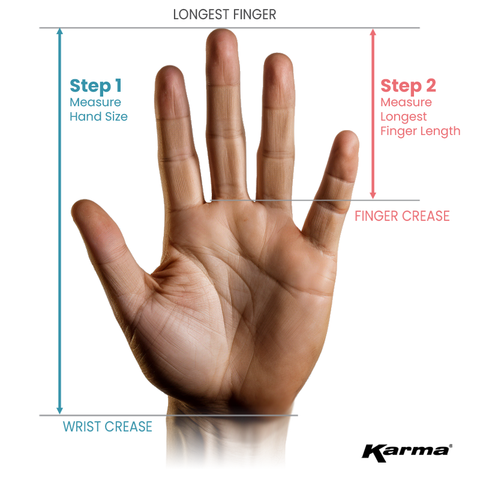
The best way to know your grip size is to measure your hand. This hand measurement for golf grips is simple. You only need a ruler. You should also have your golf glove nearby.
Step-by-Step Hand Measurement
Follow these steps carefully:
- Get Ready: Find a ruler or a tape measure. Make sure it is flat.
- Open Your Hand: Hold your left hand flat. If you are left-handed, use your right hand. Your fingers should be together. Your palm should face up.
- Place the Ruler: Put the start of the ruler (zero mark) at the tip of your middle finger.
- Measure Finger Length: Measure from the tip of your middle finger to the main crease at your wrist. This is where your hand bends. Write this number down. This is your “hand length” in inches.
- Measure Hand Width: Now, close your hand lightly. Measure across your palm. Start at the base of your thumb. Go across to the outer edge of your pinky finger. Do not include your thumb. Write this number down. This is your “hand width” in inches.
- Note Glove Size: Also, write down your usual golf glove size. This is a good cross-reference.
What Do the Numbers Mean?
Your measurements give you a starting point. They help you use a golf grip size chart. Hand length and hand width are both important. Most charts use hand length. But hand width and glove size help confirm the best fit.
Your Essential Golf Grip Size Chart
This golf grip size chart helps match your hand to the right grip. Use the measurements you just took. Find your hand length in the chart. It will suggest a grip size.
| Hand Length (Middle Finger to Wrist Crease) | Golf Glove Size (Typical) | Suggested Grip Size | Additional Notes |
|---|---|---|---|
| 6.0 – 6.5 inches | Small / Cadet Small | Undersize | For very small hands, juniors. |
| 6.6 – 7.0 inches | Medium / Cadet Medium | Standard | Most common for women, smaller men. |
| 7.1 – 7.5 inches | Medium-Large / Large | Standard | Common for average adult men. |
| 7.6 – 8.0 inches | Large / Cadet Large | Midsize | For bigger hands, reducing wrist turn. |
| 8.1 – 8.5 inches | Extra-Large / XXL | Midsize | For large hands, helps with hook. |
| 8.6 inches and up | XXL / XXXL | Jumbo | For very large hands, arthritis. |
Important Note: This chart is a general golf grip sizing guide. It gives you a good start. Your actual grip choice may vary. This is due to personal feel and swing style.
Beyond Hand Size: Other Grip Factors
Hand size is a main factor. But other things also affect grip choice. These factors can fine-tune your fit. They make your grip truly personal.
Finger Length Matters Too
Your hand length gives a base size. But finger length is also key. Two people can have the same hand length. Yet, one might have longer fingers.
- Long fingers: If your fingers are long, a standard grip might feel thin. You might need a midsize grip. This gives your fingers more to hold onto. It stops them from digging into your palm.
- Short fingers: If your fingers are short, a standard grip might feel thick. An undersize grip might be better. It lets your fingers wrap around the club. This gives you a better grip.
This is why looking at your golf glove is important. It accounts for both palm width and finger length.
Swing Type and Preference
Your swing style impacts grip choice.
- Feel Players: If you rely on touch, you might like a thinner grip. This gives you more feedback. It helps you “feel” the clubhead.
- Control Players: If you want less wrist movement, a thicker grip helps. Midsize or jumbo grips limit wrist action. This can help if you often hook the ball. They can also help if you have a lot of wrist movement.
- Fast Swings: Some players with fast swings like a thicker grip. It helps them hold on without gripping too hard. It can reduce tension.
Your personal comfort is king. The best grip feels right to you.
Grip Material and Texture
Grips come in different materials. These materials feel different. They also perform differently in various weather.
- Rubber Grips: These are common. They offer good feel. They are durable. They work well in most conditions.
- Cord Grips: These grips have cotton fibers in the rubber. They offer a firmer feel. They give more traction. They are great in wet or humid weather. They absorb sweat better.
- Hybrid Grips: These grips combine materials. They might have cord on top for traction. They have rubber on the bottom for feel. They offer a mix of benefits.
- Polymer/Synthetic Grips: These are softer. They offer a cushioned feel. They can reduce vibration. They are often lighter in weight.
The texture also varies. Some grips are smooth. Some have patterns or ridges. Some are soft. Some are firm. Try different types to see what you like.
Wrap Count (Layers of Tape)
This is a pro trick. A standard grip is put on with one layer of tape. But you can add more tape. Each extra layer of tape makes the grip thicker.
- One wrap: Standard thickness.
- Two wraps: Slightly thicker than standard.
- Three wraps: Even thicker.
- Four wraps: Similar to a midsize grip.
Adding tape lets you fine-tune a grip. You can make a standard grip a “plus one” or “plus two” wrap. This means one or two extra layers of tape. This is a very common golf grip sizing guide method used by club fitters. It lets you get the exact feel you want.
Golf Grip Fitting Tips for the Best Match
Finding the perfect grip is often a process. It takes some trial and error. Here are some golf grip fitting tips to help you.
The “Finger Test”
This is a quick test for grip size.
- Hold the Club: Take your normal grip on a club.
- Check Your Fingers: Look at the fingers of your top hand (left hand for right-handed golfers).
- The Goal: The tips of your fingers should just touch your palm. They should not dig into your palm. They should not leave a gap.
- Fingers digging in: The grip is too small. You need a thicker grip.
- Gap between fingers and palm: The grip is too big. You need a thinner grip.
This finger test is a good starting point. It works with most standard grip types.
Try Before You Buy (If Possible)
If a shop lets you, try holding clubs with different grip sizes. Feel them in your hands. Take a few practice swings. Pay attention to how your hands feel. Do they feel relaxed? Do you feel control?
Consider a Professional Fitting
For the best results, get a professional club fitting. A good fitter has tools and experience. They can measure your hands precisely. They watch your swing. They see how you hold the club. They can suggest the right grip size and type. They can also test different wrap counts. This ensures you get the exact fit for your game. This is the most complete golf grip sizing guide you can get.
Don’t Forget Your Whole Set
Make sure all your clubs have the same grip size. Or, at least, similar sizes. You want a consistent feel throughout your bag. This helps build a repeatable swing. It creates trust in all your clubs.
Regrip Regularly
Grips wear out. Over time, they get slick. They lose their feel. A worn grip makes you squeeze harder. This adds tension. Most pros regrip their clubs every year. If you play often, do it more. If you play less, every other year is fine. Fresh grips can feel like new clubs. They bring back confidence and control.
Signs of the Wrong Grip Size
How do you know if your grips are wrong? Your body will tell you. Pay attention to these signs. They mean you need to change your grip size.
Grips Are Too Small
- Too much hand action: Your wrists might break down too much. This happens during the swing. Small grips let your hands get too active. This can lead to hooks.
- Hands digging into your palm: Your fingers overlap too much. They press into your palm. This causes discomfort. It can create blisters.
- Squeezing too hard: You feel like you must grip very tight. This adds tension. It makes your forearms hurt.
- Misses to the left (for right-handed golfers): An overly active right hand can cause hooks. This is a common miss with grips that are too small.
- Loss of distance: Tension in your hands and arms slows your swing. You lose power.
Grips Are Too Large
- Hands feel “lost” on the club: Your fingers do not wrap enough. There is a gap between your fingers and palm.
- Difficulty releasing the club: It is hard to square the clubface at impact. Your hands feel stiff. They cannot rotate naturally.
- Misses to the right (for right-handed golfers): You cannot close the clubface in time. This leads to pushes or slices.
- Loss of feel: You do not feel the clubhead as well. This makes touch shots harder.
- Reduced power: Stiff hands and limited release can cost you speed. This means less distance.
If you feel any of these signs, consider trying a different grip size. It could be the fix you need.
Maintaining Your Golf Grips
Good grips need good care. Clean your grips often. Dirt and oils make them slippery. Use mild soap and water. Wipe them clean with a cloth. Let them air dry. This keeps them tacky. It helps them last longer.
Remember to regrip your clubs regularly. Even if they look fine, they lose their feel. A fresh grip is a game changer. It is one of the cheapest ways to improve your golf.
Conclusion
Picking the right golf grip size is a vital part of your game. It helps your control. It lowers tension. It boosts your power. It stops injuries. It truly does make a big difference.
Use this guide. Measure your hand. Look at the golf grip size chart. Think about your swing. Consider finger length and grip material. Try different sizes. Do the finger test. A professional fitting can also help a lot.
Do not ignore your grips. They are not just handles. They are key to a good swing. Find your perfect fit. Play better golf. Enjoy the game more.
Frequently Asked Questions (FAQ)
Q: Can I use different grip sizes on different clubs?
A: It is best to keep grip sizes the same. This gives you a consistent feel. It helps your swing stay the same. Some golfers use a slightly thicker grip on their driver. This can help if they struggle with hooking that club. But generally, keep them uniform.
Q: How often should I replace my golf grips?
A: Most experts say to regrip your clubs once a year. If you play often (more than 40 rounds a year), do it more often. If you play less, every two years is okay. Look for shiny spots, wear, or cracks. These mean it is time for new grips.
Q: Does grip material affect size?
A: Not directly. All grip sizes come in different materials. But the material changes how the grip feels. A firm cord grip might feel different than a soft rubber grip, even if they are the same size. Consider both size and material together.
Q: Can grip size help fix a slice or a hook?
A: Yes, it can help. If you slice, a smaller grip might help your hands turn the club over. This closes the clubface. If you hook, a larger grip limits hand action. This can keep the clubface from closing too much. It is not a complete fix, but it helps.
Q: Is there a difference between men’s and women’s golf grips?
A: Yes. Women’s golf grips are usually undersize. This is because women often have smaller hands. But the actual fit depends on hand size, not gender. Many women use standard grips. Some men with smaller hands use undersize grips. Always measure your hand first.
Q: What if I am in between sizes?
A: If you are between sizes, try adding tape. You can make a standard grip “plus one” or “plus two” wraps. This fine-tunes the thickness. It can get you closer to your ideal fit. Always test what feels best for you.