
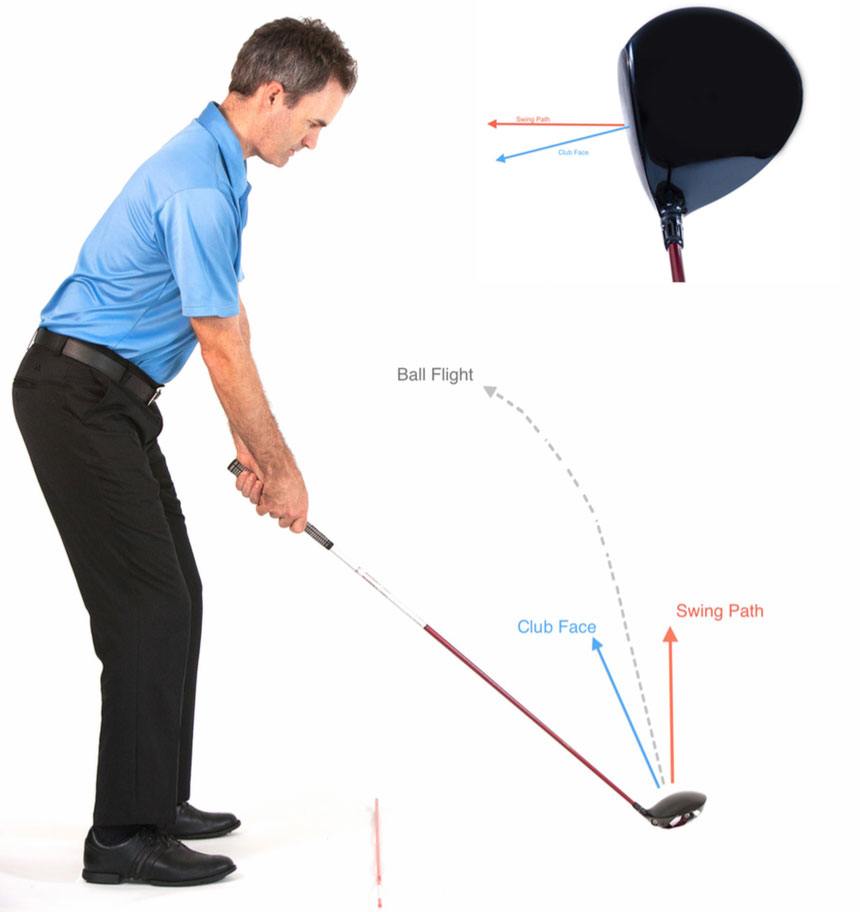
Image Source: about-golf.org
Your Guide To How To Hit A Hook In Golf Effectively
If you want to learn how to hit a hook in golf on purpose, or figure out why you might be hooking the ball when you don’t mean to, you’re in the right place. A golf hook is a shot that starts heading towards the right (for a right-handed golfer) and then curves strongly to the left. It’s the opposite of a slice, which curves to the right. Sometimes golfers hit hooks by accident, but hitting an intentional hook golf shot can be a powerful tool on the course, helping you steer around trouble or add distance. We’ll explore how to make the ball curve like this, why it happens, and how to control it.
Deciphering What a Hook Is
Let’s define a hook clearly. For a right-handed golfer, a hook starts right of the target and curves significantly left, often ending up far left of the target line.
Think of it this way:
- Straight Shot: Starts at the target, goes straight.
- Slice: Starts left of the target, curves right.
- Draw: Starts right of the target, curves gently left.
- Hook: Starts right of the target, curves strongly left.
The difference between a draw and a hook is the amount of curve. A draw is a controlled, gentle curve. A hook is a more pronounced, sometimes dramatic curve. Comparing golf slice vs hook, they are opposite shot shapes caused by opposite clubface and swing path conditions.
Learning Why Hit an Intentional Hook
Why would you want to hit a hook on purpose? It’s a shot-making skill that can save you strokes in certain situations.
Here are a few reasons to try an intentional hook golf shot:
- Avoiding Hazards: If there’s a tree or obstacle blocking your direct line to the green, you might need to start the ball right of it and curve it around.
- Playing Around Doglegs: Some golf holes bend significantly to the left (for a right-handed golfer). Hitting a hook allows you to follow the shape of the hole and gain distance.
- Finding Fairways: If a fairway slopes from right to left, a hook can land and roll along the slope, staying in play.
- Gaining Distance: For many golfers, an intentional hook or draw feels more powerful and can travel farther than a straight shot or slice. This happens because the ball tends to roll out more upon landing, and sometimes the spin axis created by the hook allows for a different flight dynamic.
- Controlling Wind: Sometimes hitting into or across the wind requires a specific shape to keep the ball on line or reduce its impact.
Having the ability to hit an intentional hook means you have more options on the course, making you a more complete golfer.
Grasping Golf Ball Flight Laws
To hit any shot shape, including a hook, it’s important to understand why a golf ball curves the way it does. This comes down to golf ball flight laws. These laws tell us how the clubface and the path the club travels on affect the ball.
Here are the main ideas:
- Initial Direction: Where the ball starts is mostly decided by the direction the clubface is pointing at the moment of impact.
- Ball Curve: How the ball curves is mostly decided by the difference between the direction the clubface is pointing and the direction the clubhead is moving (the swing path) at the moment of impact.
For a hook, the ball needs to curve left. According to golf ball flight laws, for a leftward curve (for a right-handed golfer), the clubface must be pointed to the left of the swing path at impact.
Deciphering the Mechanics of a Hook
Now that we know the basic science, let’s look at the two main things you need to do with your swing to hit an intentional hook: create an in to out swing path and present a closed clubface golf at impact.
Creating an In to Out Swing Path
An in to out swing path means the clubhead is moving from inside the target line, out towards the target line, and then continuing out past the target line as it hits the ball.
Think of the target line as a straight road going towards your target. An in to out path is like coming onto the road from the right side (inside), driving on the road for a moment, and then veering off the right side again (outside) just after hitting the ball.
How do you get an in to out path?
- Setup: You might aim your feet, hips, and shoulders slightly to the right of your target. This sets your body up to naturally swing along that slightly rightward line. Keep your clubface aimed at your target line, though.
- Backswing: Try to feel like you’re taking the club back more “inside” the line. Don’t lift it straight up or push it outside.
- Downswing: As you start down, think about dropping your hands and the club more “inside” the line. It should feel like the club is coming from behind you or from the inside. Avoid coming over the top, which leads to an out to in path and a slice.
- The Feel: A common feel for an in to out path is swinging out towards right field (for a right-handed baseball player) or swinging the club out towards the right side of the target line through impact.
This in to out swing path is the engine that helps the ball start right of the target.
Presenting a Closed Clubface Golf
The second key ingredient is the clubface angle at impact. For a hook, the clubface needs to be closed relative to the target line.
What does “closed” mean? It means the clubface is pointing to the left of your target.
However, remember golf ball flight laws. The curve is determined by the difference between the face and the path. For a hook, the face needs to be closed relative to the swing path.
So, if your swing path is going out to the right (in to out), your clubface needs to be pointed somewhere between your path line and the target line. If the clubface is pointed exactly along your path line, you’ll hit a push (a straight shot that goes right). If the clubface is pointed left of the target line, and your path is still right of the target line, you’ll get a strong hook.
How do you get a closed clubface at impact position golf?
- Grip: A slightly stronger grip (rotating your hands more to the right for a right-handed golfer so you see more knuckles on your left hand) can help close the face naturally through impact.
- Wrist Angle: Keep your lead wrist (left wrist for a righty) flat or slightly bowed (bent downwards) through impact. If your wrist cups (bends upwards), it tends to open the face.
- Club Release: Allow your hands and wrists to naturally rotate through impact. This rolling or turning motion helps close the clubface. Don’t try to hold the face open or ‘steer’ the club.
- Body Rotation: Let your body rotation help bring the clubface square to the path (or slightly closed to the path).
Combining a closed clubface golf position at impact with an in to out swing path is how you create the spin that causes the ball to hook.
Relating to Golf Swing Plane
The golf swing plane refers to the angle the club travels on during your swing, relative to the ground. Think of it like swinging on a tilted Ferris wheel.
While you can hit any shot shape from various swing planes, a flatter swing plane (more parallel to the ground) often encourages an in to out swing path. A steeper plane tends to lead to an out to in path.
If you want to hit a hook, you might find it easier if you feel like you’re swinging the club more around your body (flatter plane) rather than straight up and down. This feeling can help you drop the club to the inside on the downswing, setting up that desired in to out path.
At the impact position golf, your hands and the club should be in front of your body, and the clubface should be in that slightly closed position relative to your path.
Interpreting Intentional Hook vs. Draw
We mentioned the difference earlier, but let’s look closer at how to hit a draw golf versus a hook. Both shots curve from right to left for a right-handed golfer, but the amount of curve is different.
- Draw: Requires an
in to out swing pathwhere the clubface is pointed slightly left of the path. The difference between the path direction and the face direction is small. The ball starts slightly right and curves gently back to the target line. - Hook: Requires an
in to out swing pathwhere the clubface is pointed more significantly left of the path. The difference between the path direction and the face direction is larger. The ball starts right but curves strongly back, often missing the target line left.
To hit a hook compared to a draw, you need a larger angle between your club path and your clubface direction at impact. This means either a more in to out swing path with the same face angle relative to the target, or a more closed clubface golf position relative to the path. Often, it’s a combination of both.
Think of it on a scale:
* Path far right, Face slightly right = Push (straight right)
* Path right, Face slightly left of path = Draw (start right, gentle curve left)
* Path right, Face significantly left of path = Hook (start right, strong curve left)
Figuring Out Causes of Golf Hook (The Unwanted Kind)
Sometimes, golfers hit hooks by accident, and they become frustrated trying to stop hooking golf ball. The causes of golf hook when you don’t want one are usually related to an imbalance between the clubface and swing path.
While the conditions for an intentional hook are in to out swing path AND closed clubface golf (relative to the path), an unintentional hook often happens because the clubface is too closed relative to the path, or the path is too much in-to-out with a face that is too closed to the target.
Common causes of golf hook (unwanted):
- Excessive Face Closure: The clubface is closing down too quickly through impact. This could be due to:
- An overly strong grip.
- Flipping the wrists or hands actively trying to close the face.
- Poor body rotation, leading the hands to take over and close the face.
- Too Much In-to-Out Path: The swing path is severely moving out to the right. This often happens when:
- Trying too hard to swing “from the inside.”
- Dropping the club too far behind you on the downswing without proper body rotation to bring it back in front.
- Standing too far away from the ball.
- Timing Issues: The timing of the clubface squaring relative to the path is off. The face might be severely shut down before or during the moment of impact.
- Setup Problems: Aiming your body too far right and your clubface slightly left can set you up for an unintentional hook if you swing along your body line but the face is closed relative to that line.
If you’re trying to stop hooking golf ball, you need to analyze your swing. Is your path too in-to-out? Is your face closing too much or too early? Sometimes a video of your swing at impact position golf can reveal the problem.
Comparing Golf Slice vs Hook
Let’s really highlight the fundamental difference between the two most common misses: the golf slice vs hook.
| Feature | Golf Slice (for Righty) | Golf Hook (for Righty) |
|---|---|---|
| Initial Direction | Starts Left of Target | Starts Right of Target |
| Ball Curve | Curves Right | Curves Left |
| Swing Path | Often Out-to-In (across the target line) | Often In-to-Out (from inside to outside) |
| Clubface Angle | Open relative to the swing path | Closed relative to the swing path |
| Impact | Face points right of path | Face points left of path |
| Feeling | Cutting across the ball, holding face open | Swinging out, letting face turn over |
Understanding these differences, based on golf ball flight laws, is key whether you want to fix a slice, fix a hook, or learn how to hit a hook or draw on command.
Learning How to Practice an Intentional Hook
If you want to add the intentional hook to your game, practice is essential. Don’t just swing away randomly. Have a plan.
Step-by-Step Practice:
- Setup Adjustment:
- Choose a target.
- Aim your feet, hips, and shoulders slightly to the right of that target. This is your body line.
- Aim the clubface directly at your target line. This sets up the potential for an
in to out swing pathrelative to the target line, but with the face aimed at the target. - Check your grip. A slightly stronger grip can help the face close more easily.
- Visualize the Path: As you stand over the ball, visualize your swing path starting slightly from the inside and moving out towards your body line (which is right of the target). Think about swinging out towards “right field.”
- Focus on Release: As you swing down, focus on releasing the club through impact. This means letting your hands and wrists unhinge and rotate naturally. You should feel the toe of the clubhead turning over the heel. This helps achieve the
closed clubface golfposition relative to the path. - Impact Position: Try to feel the clubface closing as it passes through the ball at
impact position golf. It shouldn’t feel like you’re holding the face open or steering it. - Start Small: Don’t try to hit a massive hook at first. Start by trying to hit a controlled draw. Once you can consistently hit a draw, exaggerate the setup and the release slightly to encourage more curve.
- Monitor Ball Flight: Watch what the ball does.
- If it starts right but goes straight: Your path is in-to-out, but your face is square to the path. You need to close the face more relative to the path.
- If it starts right and curves left, but not enough: You need a bigger difference between path and face. Either a more in-to-out path or a more closed face (or both).
- If it starts left and hooks: Your face is too closed relative to the target line, even if your path might be okay or slightly out-to-in. You’re probably just flipping your hands.
- If it starts right and hooks too much: You have too much difference between path and face. Either dial back the in-to-out path or don’t close the face as much.
- Use Alignment Sticks: Place an alignment stick on the ground pointing just right of your target. Practice swinging along that stick to get the feel for the
in to out swing path.
Drills to Help:
- Gate Drill: Set up two tees slightly wider than your clubhead, one just inside the ball and one just outside and ahead of the ball, both aimed along your desired
in to out swing path. Practice swinging through the gate without hitting the tees. - Tee Behind the Ball: Place a tee a few inches behind the ball and slightly to the inside. Try to miss this tee on your downswing, which encourages an
in to out swing path. - Split Hand Grip Drill: Hit balls with your hands split wide on the grip. This can help you feel the rotation and closing of the clubface through impact, promoting
closed clubface golf. Be careful not to overdo this drill as it can lead to flips.
Practicing the intentional hook requires patience. It might feel awkward at first because you’re deliberately aiming and swinging in a way that’s different from a straight shot. Focus on the feelings of the in to out swing path and the clubface closing at impact position golf.
Interpreting Common Issues When Trying to Hook
What happens if you try to hit a hook but something goes wrong?
- Problem: You aim right, swing in-to-out, but the ball goes straight right (a push).
- Likely Cause: Your clubface was square to your
in to out swing path. - Fix: You need to close the clubface more relative to that path. Focus on wrist rotation or grip adjustment.
- Likely Cause: Your clubface was square to your
- Problem: You aim right, try to swing in-to-out, but the ball starts left and hooks (a pull hook).
- Likely Cause: Your swing path isn’t truly in-to-out relative to the target line; it might be out-to-in or straight at the target. But your clubface is severely closed relative to that path. This is a common
causes of golf hookwhen trying to manufacture it. You might be just flipping your hands hard. - Fix: Work on getting the correct
in to out swing pathfirst. Use alignment aids. Then focus on the clubface being only slightly closed relative to that path.
- Likely Cause: Your swing path isn’t truly in-to-out relative to the target line; it might be out-to-in or straight at the target. But your clubface is severely closed relative to that path. This is a common
- Problem: You aim right, try to swing in-to-out, but you still slice!
- Likely Cause: Your swing path might be in-to-out, but your clubface is wide open relative to that path. Or your path is still out-to-in.
- Fix: This is usually a problem with releasing the clubface. Focus intensely on achieving a
closed clubface golfposition atimpact position golf. Drills focusing on wrist hinge and release can help. Also, re-check your path; you might be coming over the top despite trying to go in-to-out.
Remember, it’s the combination of path and face that dictates the shot shape based on golf ball flight laws.
Grasping When Not to Hit a Hook
While the intentional hook is a useful shot, it’s not always the right play.
- When Accuracy is Paramount: Hitting a hook introduces more variables. If you absolutely must hit the ball straight, a hook is risky.
- When the Target is Right: Obviously, don’t hit a hook if you need the ball to end up right of where it starts.
- When You Haven’t Practiced It: Don’t try to hit a hook for the first time on the course under pressure. Master it on the driving range first.
- When You Struggle with Unintentional Hooks: If you are trying to
stop hooking golf ballaccidentally, trying to hit one on purpose might reinforce bad habits. Fix the unwanted hook first, then learn the intentional one.
Frequently Asked Questions (FAQ)
H5 What’s the main difference between a draw and a hook?
A draw is a gentle curve from right to left, while a hook is a strong, often dramatic curve from right to left. Both start right (for a righty), but the hook curves much more. It comes down to a larger difference between the swing path and the clubface angle at impact for a hook compared to a draw, based on golf ball flight laws.
H5 Is hitting a hook bad?
Not always. Hitting an unintentional hook is often a sign of a swing flaw (causes of golf hook), but hitting an intentional hook golf shot is a valuable skill used to navigate the course or add distance.
H5 How do I fix an unwanted hook?
To stop hooking golf ball unintentionally, you need to figure out the causes of golf hook in your swing. This usually means the clubface is too closed relative to your swing path. Common fixes include checking your grip, ensuring proper body rotation, and working on releasing the club correctly without flipping the hands. Analyzing your impact position golf is key.
H5 Can I hit a hook with any club?
Yes, you can hit a hook with any club in your bag, from a driver down to short irons. The technique principles (in to out swing path and closed clubface golf relative to the path) remain the same, though the amount of curve will vary depending on the loft of the club. Lower lofted clubs (like drivers and woods) will show the curve more dramatically.
H5 Does my swing plane matter for hitting a hook?
Yes, your golf swing plane can influence your path. A flatter swing plane can make it easier to achieve an in to out swing path, which is necessary for hitting a hook or draw.
H5 Is a hook longer than a slice?
Often, yes. Because a hook involves an in-to-out path and a closed face, the spin axis created can sometimes lead to more forward roll upon landing compared to the backspin and side spin created by a slice. Also, many golfers who slice lose power by coming over the top. A hook, when controlled, can feel more powerful. The comparison of golf slice vs hook in terms of distance often favors the hook (or draw).
Wrapping Up
Mastering the intentional hook requires understanding golf ball flight laws, particularly how in to out swing path and closed clubface golf work together at impact position golf. It’s not just about aiming right and swinging hard left; it’s about controlling the relationship between your path and face. Whether you’re aiming to add this shot to your arsenal or trying to stop hooking golf ball unintentionally by understanding its causes of golf hook, focusing on these fundamental mechanics will be your guide. Practice deliberately, understand the difference between a hook and how to hit a draw golf, and soon you’ll have more control over your ball flight.