
Blueprint For Success: How To Get A Disc Golf Course Built
What is the first step to building a disc golf course? It starts with a dream and a clear vision. You need to want to see a course in your town. Then, you learn all you can. Look at other courses. Talk to players. This helps you know what is needed. Can I build a disc golf course by myself? While one person can start the idea, building a course often needs a team. It takes many hands. It also needs the help of local leaders and the community. Who is involved in building a disc golf course? Many people are key. This includes disc golf players, local government staff, park planners, and community members. Groups like disc golf clubs play a big part.
The path to building a disc golf course is a journey. It takes hard work. It needs planning. It takes the help of many people. This guide will show you each step. You will learn how to turn your dream into a real course.
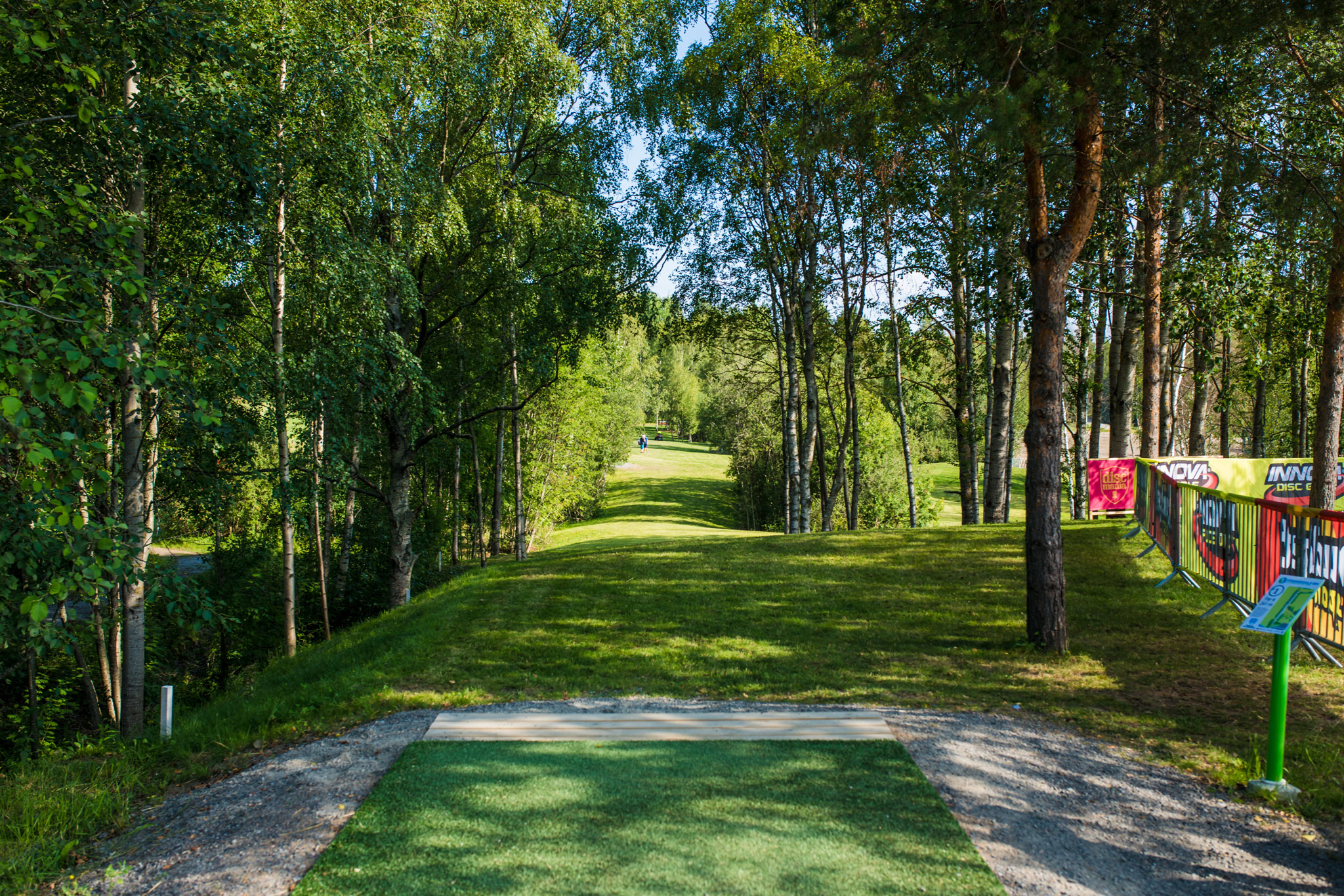
Image Source: www.discgolfpark.com
Initial Steps: Dream and Research
Every big project starts with an idea. Building a disc golf course is no different. You need to imagine it first. Then, you need to learn. This early stage is very important. It sets the stage for all future steps.
Grasping the Idea: What Makes a Good Course?
Think about what makes a disc golf course fun. A good course is more than just baskets in the ground. It offers many things for players.
Here are some key ideas for a good course:
- Safety First: Players must be safe. No throws near roads or homes. No throws near busy paths.
- Fun for All: The course should be fun for new players. It should also challenge old pros.
- Easy to Move: Players should find their way easily. The path from one hole to the next should be clear.
- Uses the Land Well: The course should fit the land. It should use trees, hills, and open spaces.
- Right Number of Holes: Most courses have 9 or 18 holes. A smaller park might be good for 9 holes. A larger park can hold 18.
- Clear Signs: Each hole needs a sign. It shows the distance and the path.
- Benches and Trash Cans: These make the course better for players. They help keep the park clean.
Finding the Right Place: Public vs. Private
Where will your course go? This is a big question. You have two main choices: public land or private land. Most courses are on public land.
- Public Land: This is land owned by the city or county. Parks are a common choice. So are unused city spaces. Using public land means working with the local government. This often needs public land approval. It also means the course is open to everyone.
- Private Land: This is land owned by a person or a company. Building here needs the owner’s permission. You might buy the land. Or you might rent it. Private land courses can be very nice. But they might not be open to everyone.
For most people, a public park is the best place to start. It helps the whole community. It also makes it easier to get help from the city.
Building Community Support
Why is community support for disc golf important? It shows leaders that people want the course. When many people ask for something, it is more likely to happen. Strong support gives your project power. It makes it easier to get approval and money.
Gathering Allies: Who to Talk To
Start by telling people your idea. Talk to everyone. Share your dream.
- Friends and Family: Tell them first. They can help spread the word.
- Local Disc Golfers: Find them! They will be your biggest helpers. They want a new course.
- Sports Groups: Reach out to local sports clubs. They might see the value.
- School Groups: Talk to schools. Disc golf is a great outdoor activity for kids.
- Park Users: Talk to people who use the park now. Show them the good parts.
Make sure to tell them why disc golf is good. It is cheap to play. It helps people stay active. It brings people to parks. It is for all ages.
Forming a Group: Disc Golf Club Involvement
A single voice is good. Many voices are better. Forming a group is a smart step. This is where disc golf club involvement becomes vital.
- Start a Club: If your town has no club, start one. Give it a name. Pick a few leaders.
- Meet Often: Hold regular meetings. Talk about your goals. Share tasks.
- Show Unity: A club shows leaders that many people want the course. It proves there is real demand.
- Divide and Conquer: A club can split up tasks. One person can talk to the city. Another can look for money. Others can share the idea.
Your club will be your main team. They will help with all steps. They will help get the course built. They will also help keep it nice later.
Engaging with Local Leaders
How do you talk to local government about a disc golf course? You need to be polite. You need a clear plan. Start talking to them early. They can help you avoid problems.
First Contacts: City Council, Parks Dept.
These are the main people you need to talk to. They control public land. They handle park planning recreational needs.
- Call or Email: Reach out to your city council members. Contact the parks and recreation department.
- Ask for a Meeting: Ask for a short meeting. Tell them you have an idea for a new park use.
- Simple Talk: At the meeting, be clear and brief. Do not use complex words. Tell them your idea.
-
Show Benefits: Focus on how the course helps the city.
- Health: It gets people active.
- Community: It brings people together.
- Tourism: It can bring visitors to your town.
- Low Cost: It costs less than many other sports fields.
- Park Use: It uses park space in a good way.
These first talks are just for sharing the idea. You are planting a seed.
Preparing Your Case: What to Bring
When you meet again, be ready. Bring things that help your idea.
- Pictures of Courses: Show them photos of nice disc golf courses. This helps them see it.
- Letters of Support: Get letters from people who back your plan. These can be from citizens, school leaders, or local doctors.
- Rough Course Plan: Do not need a full map yet. Just a basic idea of where it could go. Show a few holes on a park map.
- Benefits List: Have a clear list of how the course helps the city. Make it short and easy to read.
- Cost Estimate (Rough): Give a general idea of how much it might cost. Do not get too specific yet. Show it is not huge.
Remember, the city leaders are busy. Make your points clear and quick. Show them you have done your homework. Show them your passion.
Finding the Money: Disc Golf Course Funding
How do you pay for a disc golf course? This is often the hardest part. You need money for baskets, signs, and tools. But there are many ways to find these funds. This is where disc golf course funding comes into play.
Looking for Funds: Where Money Comes From
Getting money for a course can come from many places. It often needs a mix of sources.
-
Local Government Budget:
- Ask the Parks Department: They often have money for park improvements.
- Show Investment: Prove that a course is a good use of tax money. It lasts a long time. It serves many people. It brings visitors.
- Capital Improvement Plan: Ask if the city has a long-term plan for park updates. Your course might fit in.
-
Donations:
- Local Businesses: Many shops want to help their town. Ask them for money or goods. Offer to put their name on a sign at a hole.
- Individuals: Ask people who love disc golf. They might give money.
- Fundraising Events: Hold a disc golf tournament. Have a charity dinner. Sell things.
-
Grants:
- Grant Applications Sports Facilities: Many groups give money for sports. Look for grants for parks, recreation, or community health.
- Where to Look: Check websites for sports groups. Look at state or national park foundations. Your city might have a list of grants.
- Hard Work: Writing grant applications takes time. You need to follow rules. You need a strong story. Show how your course meets their goals.
-
Crowdfunding:
- Online Asking: Use websites like GoFundMe. Tell your story. Ask many people for small amounts of money.
- Share Your Vision: Post videos and photos. Show why this course matters.
- Small Pledges Add Up: Many small gifts can make a big sum.
Here is a table showing common funding sources:
| Funding Source | Pros | Cons |
|---|---|---|
| Local Government Funds | Steady source; shows city backing | Can be slow; lots of rules; may be low |
| Business Donations | Builds local ties; faster approval | Varies; depends on local economy |
| Individual Donations | Direct and fast | Can be hard to get large sums |
| Grant Applications Sports Facilities | Large sums possible; focused on good causes | Very competitive; long process; strict rules |
| Fundraising Events | Builds excitement; involves community | A lot of work; takes time to plan |
| Crowdfunding | Reach many people; fast if popular | Needs good marketing; might not meet goal |
Combining these methods is often the best plan. Start with what you can get. Keep looking for more.
Designing the Course: Disc Golf Course Design
What makes a good disc golf course design? It should be safe. It should be fun. It should use the land well. Good design makes a course last. It makes players want to come back.
Key Design Ideas
Think about these points when you plan the course layout.
-
Safety First:
- No Crossings: Paths should not cross where discs fly.
- Clear Fairways: Make sure fairways are safe. No blind shots into public areas.
- Buffer Zones: Keep holes away from roads, homes, and playgrounds.
- Signage: Clear signs for “next tee” and “caution” where needed.
-
Flow and Playability:
- Easy Walk: Players should move easily from one basket to the next tee. No long walks.
- Varying Holes: Mix up the holes. Have short holes and long holes. Have straight shots and curvy shots.
- Right for the Land: Use the hills, trees, and open spaces. Make each hole unique.
- Challenge and Fun: A good course challenges players. But it also lets them score well sometimes.
- Tee Pads: Put in good tee pads. These are the spots where players throw first. Concrete or rubber mats work well.
- Multiple Tee Pads: Offer an easier tee pad (short) and a harder one (long) for each hole. This makes it good for all skill levels.
-
Environmental Harmony:
- Use Existing Features: Do not cut down many trees. Use the trees already there.
- Protect Nature: Design around streams or wet areas. Do not cause erosion.
- Walking Paths: Make clear paths. This keeps players on track and protects nature.
-
Amenities:
- Baskets: Good quality baskets are a must. They last long.
- Signs: Clear signs for each hole. They show the hole number, par, and distance. A map helps.
- Benches: Offer places to rest.
- Trash Cans: Help keep the park clean.
- Restrooms/Water: If possible, near the course.
Getting Help: Expert Advice
You do not have to design the course alone. Getting help from an expert is smart.
- Pro Designers: There are people who design disc golf courses for a living. They know a lot. They can see things you might miss.
- Experienced Players: Talk to players who have played many courses. They can give good ideas.
- PDGA (Professional Disc Golf Association): This group has resources. They can offer advice or point you to designers.
An expert designer can help you make the best use of the land. They can help avoid big mistakes. They can make sure the course is safe and fun. They are worth the money if you can get it.
The Green Light: Approvals and Impact
Before you can build, you need the city’s full approval. This is where public land approval becomes very important. You also need to show you care for the land. This is the environmental impact assessment disc golf step.
Getting Official Approval: Permits
Your city or county must say “yes.” This means getting permits.
- Master Plan: Your course might need to be part of the park’s overall plan.
- Zoning: The land must be right for a disc golf course.
- City Council Vote: Often, the city council must vote to approve the course.
- Park Board Approval: The local park board will also need to approve it.
- Public Meetings: There might be public meetings. You will present your plan. People can ask questions. Be ready to answer them.
Be patient. Getting approval takes time. It can feel slow. But it is a needed step.
Caring for Nature: Environmental Impact Assessment Disc Golf
This step makes sure your course does not harm the environment. It shows you are a good steward of the land.
- Study the Land: Look for important plants, trees, or animals.
- Protect Habitats: Design around fragile areas.
- Water Flow: Plan so water flows well. Stop dirt from washing away (erosion).
- Less Tree Cutting: Cut only needed trees. Use trees to make holes harder, not just clear them.
- Show Your Care: This part is very important. It shows leaders and the public you respect the land. This builds trust. It makes approval easier.
An environmental impact assessment for disc golf often means working with city planners or environmental groups. They can help you make sure your plans are good for nature.
Neighbors: Talk to People Living Nearby
People who live near the park are very important. Talk to them early.
- Address Worries: They might worry about noise, trash, or traffic. Listen to their fears.
- Show Benefits: Explain how the course is good. It brings active people. It makes the park safer. It adds to the community.
- Be a Good Neighbor: Promise to keep the course clean. Promise to help with any problems.
Good communication with neighbors helps prevent issues later. It builds good will.
Building It: Volunteer Course Construction
Once you have approval and money, it is time to build! Volunteer course construction is a great way to do this. It saves money. It brings the community together.
Calling for Help: Getting People on Board
This is where your disc golf club and community support shine.
- Use Your Club: Your club members are eager to help. They are your core team.
- Ask Friends: Ask friends, family, and coworkers.
- Post Online: Use social media. Put up flyers in local shops.
- Make it Fun: Offer food and drinks. Play some music. Make it a social event. People like to help if it feels good.
- Show Progress: Share photos of work days. People like to see what they are building.
Work Days: What to Do
Break the work into small tasks. This makes it easier for volunteers.
- Clear Paths: Clear brush and small trees for fairways and walking paths.
- Dig Holes: Dig holes for the baskets. Make sure they are deep enough.
- Install Baskets: Put the baskets in the ground. Make sure they are straight and strong.
- Install Tee Signs: Put up signs at each tee pad. Make sure they are clear.
- Build Tee Pads: If using concrete, pour it. If using mats, lay them down.
- Add Amenities: Put in benches and trash cans.
- Mark Lines: Mark out-of-bounds (OB) lines if needed.
Assign small jobs to many people. For example, one team clears brush. Another digs holes. Another brings water. This makes work go fast.
Tools and Safety:
- Have Tools Ready: Make sure you have enough shovels, rakes, gloves, and saws. Ask volunteers to bring their own too.
- Safety First: Always talk about safety. Tell people how to use tools safely. Watch out for each other.
- First Aid: Have a first aid kit ready.
- Water and Breaks: Make sure people drink water. Plan for breaks.
Volunteer construction is a huge step. It brings the course to life. It also builds a sense of pride in the community.
Opening and Keeping It Great
You worked hard. Now it is time to enjoy your new course! But the work does not stop there.
Grand Opening!
This is a big moment. Celebrate it!
- Invite Everyone: Invite city leaders, park staff, club members, and all who helped. Invite the public.
- Have an Event: A small ribbon-cutting. Maybe a fun mini-tournament.
- Thank Everyone: Thank all the volunteers, donors, and city officials. Give out some small awards or thank you notes.
- Get Media Out: Tell local news outlets. Get the word out about the new course.
The grand opening shows your town what can happen with effort.
Ongoing Care:
A disc golf course needs constant care. It is like a living thing.
- Regular Cleanup: Pick up trash. Clear leaves or branches.
- Course Maintenance: Trim trees and bushes that block shots. Cut grass in fairways.
- Fix Things: Repair signs. Fix baskets if they get loose. Replace broken benches.
- Empty Trash: Keep trash cans from overflowing.
- Keep Club Active: Your disc golf club involvement is key here. They can organize work days. They can watch over the course.
- Small Funds: Set aside a little money for ongoing needs. This can come from donations or small club fees.
- Report Issues: Teach players to report problems. A loose basket. A tree falling.
A well-kept course stays fun. It stays safe. It makes your town proud. It also helps show the city that disc golf is a good investment. This makes it easier for future park planning recreational projects.
Frequently Asked Questions (FAQ)
Here are some common questions people ask about building a disc golf course.
Q: How long does it take to build a course?
A: It can take a long time. From idea to opening, it can be 1 to 5 years. Getting city approval and money often takes the longest. Building with volunteers can be fast, but planning takes time.
Q: What is the average cost?
A: The cost varies a lot. A basic 9-hole course with volunteers might cost $5,000 – $15,000 for baskets and signs. An 18-hole course with pro design and concrete pads can cost $50,000 – $100,000 or more. Much depends on how much volunteer help you get and the quality of materials.
Q: Do I need insurance for a disc golf course?
A: Yes, if it is on public land, the city will likely need insurance. This protects the city from harm claims. If on private land, the owner needs insurance. Talk to your local government or an insurance agent.
Q: Can I build a course on my own land?
A: Yes, you can. You own the land. But you still need to check local rules. You might need permits. Think about noise for neighbors. Also, insurance is a must. Building on private land gives you more control.
Q: How many holes should a course have?
A: Most courses have 9 or 18 holes. A 9-hole course is good for smaller parks or tight budgets. It is also good for new players. An 18-hole course offers a full game. It draws more serious players. It is also better for tournaments. Pick the number that fits your land and goals.
Building a disc golf course is a big job. But it is also very rewarding. You will create a space for fun and health. You will make your community better. With a clear plan, strong community support, and hard work, you can make your disc golf dream a reality.