
Do you want to know how to get backspin golf shots? Yes, you can! Spin is very important in golf. It helps you control the ball. It helps the ball stop quickly on the green. This is called stopping power golf shot. So, what is spin rate golf explained? It is how fast the ball turns in the air. We measure this in RPMs. RPMs mean rotations per minute. Can I improve my golf ball RPM? Yes, you can make it higher. Your golf ball spin techniques play a big role. The club you use matters too. The golf ball itself also makes a difference. This guide will show you how to generate spin on a golf ball. You will learn how to make the ball bite and stop.
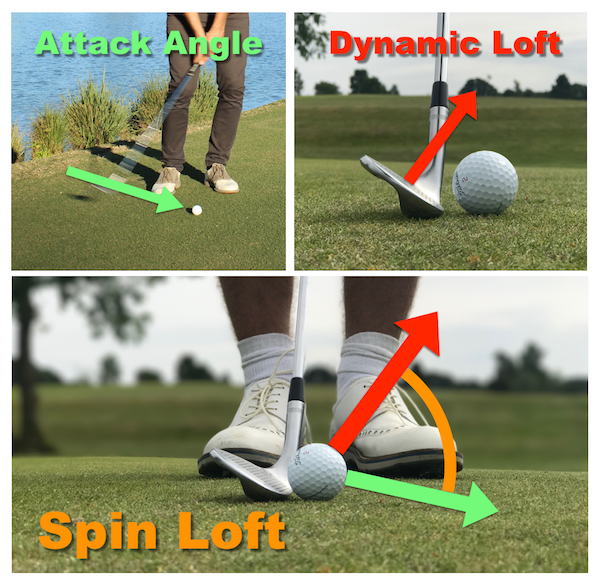
Image Source: www.worldofshortgame.com
Grasping Golf Ball Spin
Spin makes a golf ball fly in a certain way. It also makes it stop fast on the green. There are two main types of spin. One is backspin. The other is sidespin.
Backspin: Your Best Friend
Backspin is when the ball spins backward. It spins towards you. This happens as it moves forward. Think of a car tire rolling. Then imagine it rolling backward at the same time. This backspin creates lift. It helps the ball stay in the air longer. It also helps it stop. High backspin lets your ball land softly. It then stops quickly. This is super useful for shots into the green.
Sidespin: A Mixed Bag
Sidespin makes the ball curve left or right. It can be good or bad. A little sidespin can help you shape shots. Too much sidespin causes hooks or slices. These shots go far off target. We want to make good backspin. We want to avoid too much sidespin.
The Power of the Clubface at Impact
The clubface is key to spin. It is where the club hits the ball. How the clubface meets the ball creates spin. This is called clubface impact spin.
The Right Loft
Every club has loft. Loft is the angle of the clubface. It points up. Wedges have a lot of loft. A sand wedge might have 56 degrees of loft. This high loft helps create backspin. When the club hits the ball, the ball rolls up the face. This rolling motion creates backspin. Clubs with less loft, like a driver, make less backspin. They launch the ball lower.
Making Solid Contact
You need to hit the ball cleanly. Get the clubface between the ball and the ground. This is called “ball-first” contact. If you hit the ground first, you lose spin. The club slides under the ball too much. This is called a “fat” shot. It makes the ball go short. It has less spin. Good contact puts maximum spin on the ball.
Clubface Angle at Impact
The angle of your clubface matters. If it is open, the ball goes right (for a right-handed golfer). If it is closed, the ball goes left. For pure backspin, you want the face square to your target line. You also want it slightly open to the path of the swing. This creates a good mix. It launches the ball high. It gives it good backspin.
Groove Power
Look at the lines on your clubface. These are grooves. They are very important. Grooves grab the ball. They help the club hold onto the ball for a split second. This grip creates friction. Friction is what makes spin. New grooves create more spin. Worn-out grooves create less spin. Always keep your grooves clean. Dirt or grass in the grooves will kill spin. Use a brush to clean them after every shot.
The Golf Ball’s Role in Spin
The golf ball itself plays a big part. Not all golf balls are the same. Some spin more than others. This is why high spin golf balls explained means looking at their design.
Dimples: The Spin Helpers
Look closely at a golf ball. It has many small dents. These are dimples. The golf ball dimple effect spin is huge. Dimples help the ball fly better. They reduce drag. They also help the ball spin. The pattern and depth of dimples change how the ball spins.
Ball Layers and Covers
Golf balls have layers inside. They also have a cover.
* Soft Covers (Urethane): These balls spin more. They have a soft outer layer. This soft cover grabs the clubface better. It creates more friction. This means more spin. These are often called “tour” balls. They cost more. They give great feel and control.
* Harder Covers (Surlyn/Ionomer): These balls spin less. They have a harder outer layer. They fly straighter. They go farther for some players. They are more durable. They often cost less.
If you want more spin, pick a ball with a soft urethane cover. These are high spin golf balls explained to give you more control.
Ball Compression
Balls also have different compression. This is how much the ball squishes.
* Lower compression balls: They squish more easily. They can feel softer. Some players find they get good spin with these.
* Higher compression balls: They are firmer. They need a faster swing speed to get good results.
Match your ball to your swing speed. A good match helps you get more spin.
The Golf Swing: Spin Mechanics
Your golf swing itself is vital. How you move the club creates the spin. This is golf swing spin mechanics.
Angle of Attack
This is how steeply or shallowly your club hits the ball.
* Steep Angle of Attack: For wedges and irons, a steeper angle helps. You hit down on the ball. You take a divot after the ball. This “hitting down” action traps the ball against the clubface. It makes more backspin.
* Shallow Angle of Attack: For drivers, you want a more shallow attack. You hit up on the ball. This reduces backspin. It helps the ball go farther. We want a steep angle for high spin shots.
Lag and Release
- Lag: This is when your wrists stay hinged during the downswing. Your clubhead lags behind your hands. This stores power. It also helps you deliver the club with speed.
- Release: As you hit the ball, you release this lag. Your hands are ahead of the clubhead at impact. This “forward shaft lean” is key. It helps you hit down on the ball. It creates more backspin.
Swing Speed
Faster swing speed can lead to more spin. A faster club head can grab the ball harder. This creates more friction. It means more RPMs. But control is more important than just raw speed. A smooth, fast swing is best.
Shortening the Swing
For wedge shots that need maximum spin, a shorter, more controlled swing works well. You do not need a full swing. Focus on a good tempo. Focus on solid contact.
Spin-Boosting Golf Ball Spin Techniques
Now, let’s look at specific golf ball spin techniques. These will help you improve your golf ball RPM.
The “Pinch” Method (How to Get Backspin Golf)
This is a key technique for wedges.
1. Ball Position: Place the ball slightly back in your stance. This means closer to your back foot.
2. Hands Ahead: Make sure your hands are ahead of the clubhead at address. Keep them there through impact. This creates forward shaft lean.
3. Downward Strike: Hit down on the ball. You want to “pinch” the ball between the clubface and the ground. Take a small divot after the ball.
4. Accelerate: Keep your speed through the ball. Do not slow down. Speed helps create spin.
This method helps you trap the ball effectively. It puts a lot of backspin on the ball.
Opening the Clubface (Golf Wedge Spin Secrets)
For extra spin and height, open the clubface slightly.
1. Open Face: Before you take your grip, open the clubface. Point it a little to the right (for a right-handed golfer).
2. Take Your Grip: Then take your normal grip. Your hands will feel natural.
3. Swing Along Feet Line: Your feet should aim left of the target. This makes sure the swing path is still good. But the open face makes sure the ball goes straight.
4. Full Release: Let your hands and club turn over fully through impact.
This technique uses the bounce of the club. It slides under the ball. It also adds loft. This helps create huge spin. It is a golf wedge spin secret. It is great for shots from tight lies or rough.
Using Your Wrists Correctly
Your wrists are powerful tools.
* Hinge in the Backswing: Let your wrists hinge fully on the way back. This creates lag.
* Maintain Lag: Try to keep this wrist hinge as long as possible on the downswing.
* Release at Impact: Just before impact, release your wrists. Let the clubhead whip through the ball. This adds speed. It helps you hit down.
Avoid “flipping” your wrists too early. This loses lag. It makes you hit up on the ball. It kills spin.
The “Check-and-Release” Drill
This drill helps you feel the right motion.
1. Set Up: Use a wedge. Get into your normal setup.
2. Half Swing: Make a half swing. Go back to hip height.
3. Stop at Impact: Try to stop your swing right after you hit the ball.
4. Check Position: Look at your clubface. It should be pointing at the sky. Your hands should be ahead of the club. This shows you made good impact.
5. Release: Then, swing through completely.
Practice this drill often. It helps you get the right feel for hitting down and through the ball.
Equipment Choices for High Spin
Your equipment has a big impact. Making the right choices helps you get more spin.
Wedges: Spin Machines
Wedges are made for spin.
* Loft Options: Wedges come in different lofts (46 degrees to 64 degrees). Lower lofts are for longer shots. Higher lofts are for shorter, high-spin shots.
* Bounce: Wedges also have “bounce.” Bounce is the angle from the leading edge to the sole of the club. More bounce helps the club slide over the ground. Less bounce helps it dig in.
* High bounce (10+ degrees): Good for soft ground, sand.
* Low bounce (4-8 degrees): Good for firm ground, tight lies.
* Medium bounce (8-10 degrees): Good for most conditions.
Choose bounce that fits your swing and course.
* Grind: The grind is how the sole of the wedge is shaped. Different grinds help the club work better in different ways. Some grinds make it easier to open the face. This can help with golf wedge spin secrets.
Table: Common Wedge Lofts and Uses
| Wedge Type | Typical Loft Range | Main Use | Spin Potential |
|---|---|---|---|
| Pitching | 44-48 degrees | Full shots, long chips | Moderate to High |
| Gap/Approach | 49-53 degrees | Full shots, chips, pitches | High |
| Sand | 54-58 degrees | Bunker shots, chips, pitches | Very High |
| Lob | 59-64 degrees | High pitches, flop shots, bunker shots | Extreme |
Irons: Grooves and Loft
Even your irons create spin. Modern irons have good grooves. Look for irons with clean, sharp grooves. These help get spin on your approach shots. Just like wedges, hitting down on your irons will increase spin.
Golf Balls for Spin
As we said, urethane cover balls give more spin. They are often called “tour” or “performance” balls. Examples include Titleist Pro V1, TaylorMade TP5, Callaway Chrome Soft. These are high spin golf balls explained to help skilled players control their shots. They are designed for golfers who can create good clubhead speed.
Improving Golf Ball RPM: A Summary
Boosting your golf ball RPM means focusing on a few key areas.
- Practice Good Contact: This is number one. Hit the ball first. Then take a divot.
- Master the Downward Strike: Feel like you are pinching the ball.
- Keep Grooves Clean and Sharp: Old clubs lose spin. Clean grooves work best.
- Use the Right Ball: Soft-cover balls give more spin.
- Choose the Right Wedges: Match loft, bounce, and grind to your game.
- Accelerate Through Impact: Do not slow down. Keep your speed high through the ball.
- Forward Shaft Lean: Make sure your hands are ahead of the club at impact.
How Course Conditions Affect Spin
The course itself can change spin.
Wet Conditions
Water on the clubface reduces spin. It acts like a lubricant. This is why pros wipe their clubs dry. Always dry your clubface in wet weather. Dry your ball too.
Rough
Hitting from the rough reduces spin. Grass gets between the clubface and the ball. This makes a “flier” lie. The ball comes out hot. It has less spin. You need to adjust for this. Pick a club with less loft. Plan for the ball to roll more.
Fairway vs. Tight Lie
A perfect lie on the fairway gives you the best chance for spin. A very tight lie (bare ground) makes it harder. You need perfect contact. Any mistake and you will lose spin.
The Mental Side of Spin
Spin is not just about technique. Your mind plays a role.
Focus on the Process
Do not just think about the spin itself. Think about how you make the spin. Focus on hitting down. Focus on clean contact. Focus on accelerating. The spin will follow.
Trust Your Swing
Once you learn the technique, trust it. Do not try to “muscle” the ball. A smooth, controlled swing often gives the best spin.
Practice Smart
Practice with a purpose. Do not just hit balls. Set targets. Imagine hitting over a bunker. Try to make the ball stop near a flag. This helps you get better at using spin.
Spin Rate Golf Explained: The Data Side
For serious golfers, tracking spin can be helpful. Launch monitors measure spin rate. They show you RPMs. This data helps you see how changes affect your spin.
- Typical Driver Spin: 2,000-3,000 RPMs (lower for distance)
- Typical Iron Spin: 5,000-8,000 RPMs (higher for control)
- Typical Wedge Spin: 8,000-12,000+ RPMs (highest for stopping power)
Seeing your numbers can help you adjust your swing or equipment. It helps you improve your golf ball RPM.
A Deeper Dive into Spin Generation (Advanced Tips)
For those looking to fine-tune their spin, here are some extra points.
Shaft Flex and Weight
The shaft of your club affects how the clubhead moves.
* Stiffer Shafts: Can give more control. Some golfers feel they get more consistent spin with stiffer shafts.
* Softer Shafts: Can help create more clubhead speed for some players. More speed can mean more spin if contact is good.
* Shaft Weight: Lighter shafts might increase swing speed. Heavier shafts might give more stability. Experiment to find what works for you.
Grip Pressure
Too tight a grip can hurt your swing. It can stop your wrists from moving freely. This hurts lag and release. It can kill your spin. Use a lighter grip. Let your hands feel soft. This helps the club flow. It helps you get more feel for the ball.
Body Rotation
Your body turn is important. A good body turn creates power. It helps you deliver the club to the ball correctly.
* Backswing Turn: Turn your shoulders fully on the backswing.
* Downswing Turn: Start your downswing with your lower body. Let your hips turn first. Then your chest turns. This helps bring the club down on the right path. It helps you hit down on the ball.
Poor body turn can make you use only your arms. This leads to less power and less spin.
Trajectory Control
Spin goes hand-in-hand with trajectory.
* Low Trajectory, High Spin: For shots into the wind, you might want a lower flight. You can still get good spin. This requires a very clean strike. It needs forward shaft lean.
* High Trajectory, High Spin: This is the classic pitch shot. You want the ball to go high. Then it lands soft. This uses more loft. It uses an open clubface.
Practice different trajectories. See how they affect your spin. This makes you a more complete player.
Summary: Unlocking Your Spin Control
Generating spin on a golf ball is a blend of good technique, the right equipment, and smart practice. It is about learning how to get backspin golf shots that stop. It means understanding clubface impact spin and golf ball dimple effect spin. It means knowing your golf swing spin mechanics.
Start with the basics. Focus on solid, ball-first contact. Use your wedges correctly. Keep your grooves clean. Choose a golf ball that helps you. As you get better, explore golf ball spin techniques like opening the clubface. Work on improving golf ball RPM.
Spin gives you control. Control gives you lower scores. Practice these tips. Watch your stopping power golf shot improve. You will feel more confident over every shot. You will love seeing your ball bite the green.
Frequently Asked Questions (FAQ)
Q: What is the easiest way to add spin to my golf shots?
A: The easiest way is to make good, clean contact with the ball. Hit the ball first, then the ground. Use a clean wedge with sharp grooves.
Q: Does clubhead speed always mean more spin?
A: Not always. While more speed can create more potential for spin, you still need proper contact and a good angle of attack. A fast, bad swing might create less spin than a slower, good one.
Q: Can I get backspin with a driver?
A: Yes, drivers create backspin, but less than irons or wedges. Drivers are designed to reduce backspin for maximum distance. Too much backspin on a driver can make the ball “balloon.” This makes it lose distance.
Q: How often should I replace my wedges to keep good spin?
A: This depends on how often you play. If you play often (several times a week), you might need new wedges every 1-2 years. For less frequent play, every 3-5 years might be enough. Look at your grooves. If they are worn flat, it is time for new ones.
Q: Is spin more important for pros than amateurs?
A: Spin is important for all golfers! Pros use it to hit specific shots. Amateurs can use it to keep the ball on the green. It helps prevent run-offs. It gives you more control. Every golfer can benefit from more spin.