
Do you hate seeing your golf ball curve hard to the right? That shot is often called a fade or a slice. A slice is just a really big fade. It costs you distance and makes it tough to aim. Many golfers struggle with this rightward curve. But you can fix it! This guide will show you how to stop slicing and start hitting the ball straighter, or even learn how to hit a draw golf shot. We will look at fixing golf slice issues by changing your swing path and club face.
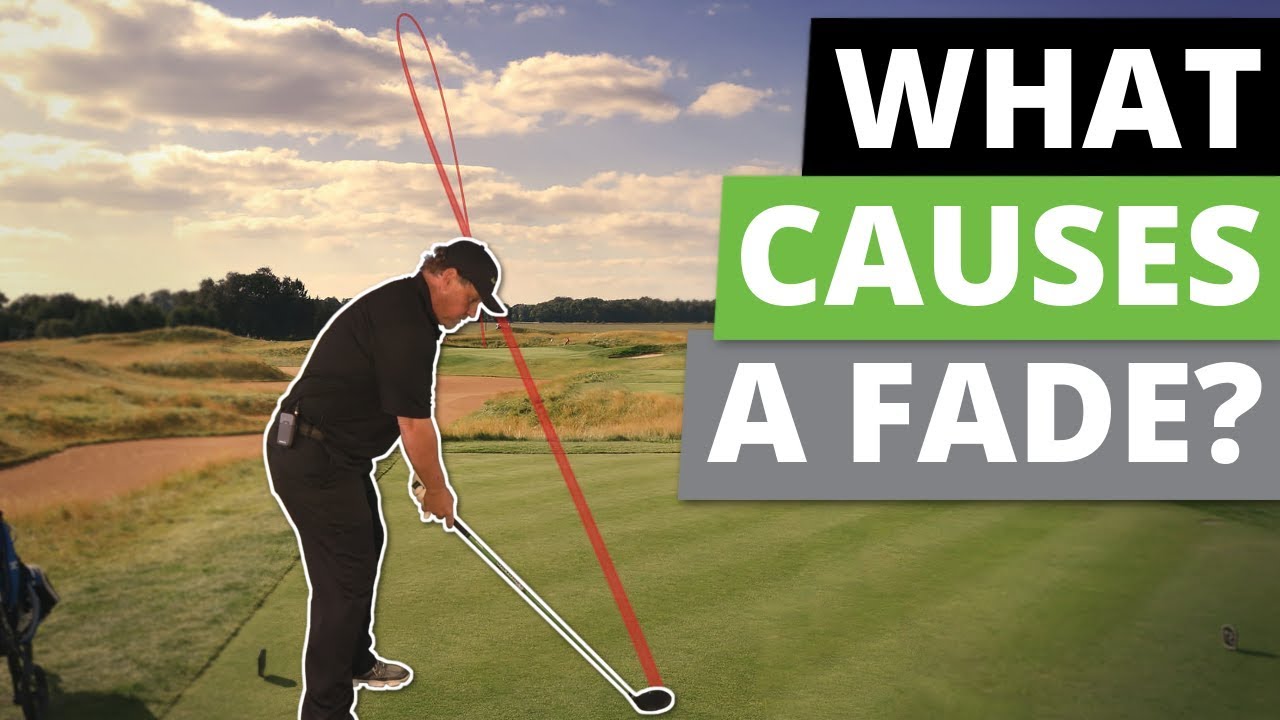
Image Source: i.ytimg.com
Why the Ball Curves Right
To fix your fade or slice, you first need to know why it happens. The main reasons are simple. It comes down to two things:
1. The direction your club head is moving through impact (your swing path).
2. The way the club face is pointed when it hits the ball.
Think of it like hitting a tennis ball. If you swing left and the racket face is open, the ball goes right. Golf is similar.
Interpreting the Swing Path
Your swing path is the line your club head follows just before, through, and after hitting the ball. For a right-handed golfer, an “out-to-in” path means the club is moving from outside the target line to inside it. This is a big reason for a slice. The club is cutting across the ball.
Imagine a line going from the ball straight to your target.
* An “in-to-out” path means the club comes from inside that line and goes outside it after hitting the ball.
* An “out-to-in” path means the club comes from outside that line and goes inside it after hitting the ball.
* A “straight” path follows the line.
An out-to-in path puts side spin on the ball. This spin makes the ball curve away from the path. So, an out-to-in path tends to make the ball curve to the right for a righty. This is a major cause of the golf fade.
Grasping the Club Face Angle
The club face angle is where the club face is pointing when it hits the ball. This is the main thing that starts the ball’s direction.
* If the face is open (pointing right) relative to the target, the ball starts right.
* If the face is closed (pointing left) relative to the target, the ball starts left.
* If the face is square (pointing at the target), the ball starts straight at the target.
How Path and Face Interact
This is key. The amount the ball curves is set by the difference between your swing path and your club face angle.
* If the path is out-to-in and the face is open compared to the path, the ball starts a bit left and curves more right. This is a pulled slice.
* If the path is out-to-in and the face is open compared to the target, the ball starts right and curves even more right. This is the common slice or strong fade.
* If the path is straight and the face is open, the ball starts right and goes mostly straight right.
* If the path is in-to-out and the face is open compared to the path (but maybe square or slightly closed to the target), the ball starts straight or slightly left and curves right. This is a push fade.
The most common slice/fade comes from an out-to-in swing path combined with an open club face at impact. The path causes the curve, the face angle starts the ball’s direction.
So, fixing golf slice problems means changing both your swing path and your club face angle at impact. You need to get rid of that out to in swing path fix and stop having an open club face golf fix.
Common Reasons for the Out-to-In Path
Why do golfers swing out-to-in? Several things can cause this.
* Coming Over the Top: This is when your arms and club move outside the line on the downswing. They come “over the top” of the correct swing plane.
* Steep Swing: A swing that is too steep can lead to coming over the top.
* Using Only Arms: Swinging mostly with your arms and not turning your body can cause an out-to-in path.
* Poor Setup: Standing too close or too far from the ball can affect your path.
* Aiming Left: Many slicers aim left to try and fix the slice. But this makes them swing even more out-to-in to bring the ball back to the target! It makes the problem worse.
Common Reasons for an Open Club Face
Why is the club face open at impact?
* Weak Grip: If your hands are turned too much to the left on the grip (for a righty), it’s hard to close the face through impact.
* Not Releasing the Club: You need to let your wrists and forearms rotate through impact. This “closes” the club face. If you don’t do this, the face stays open. This is a major open club face golf fix area.
* Body Stopping: If your body stops turning too early in the downswing, your arms might just “throw” the club at the ball, leaving the face open.
* Trying to Steer the Ball: Trying to control the shot too much with your hands can prevent the natural rotation needed to close the face.
Now that we know the causes, let’s look at how to make changes. We need an anti fade golf swing. This means changing your grip, swing path, and club face control.
Adjusting Your Hold: The Golf Grip for Fade
Your grip is the first place to look. A weak grip makes it very hard to square the club face.
* Weak Grip: The V-shape made by your thumb and forefinger on your lead hand (left hand for a righty) points towards your chin or left shoulder. On the trail hand (right hand for a righty), the V points more towards your chin or right shoulder.
* Stronger Grip: The V-shape on your lead hand points towards your right shoulder. The V-shape on your trail hand points towards your right shoulder too. You should see two or three knuckles on your lead hand when you look down at address.
Move your hands slightly to the right on the grip (for a righty). This is called strengthening your grip. This position makes it much easier to rotate your hands and square or even close the club face through impact. It helps you release the club properly. This small change can make a big difference in stopping golf fade shots.
Fixing Your Start Position: Setup and Alignment
How you stand to the ball matters.
* Posture: Stand athletic. Bend from your hips, not your waist. Let your arms hang down. Don’t stand too straight up or too bent over.
* Ball Position: For woods and drivers, the ball should be forward in your stance, just inside the heel of your lead foot. This helps you hit the ball on the upswing and encourages a better path.
* Alignment: Do not aim left! If you aim left, your body naturally swings left (out-to-in) to try and bring the ball back. This is the opposite of golf swing path correction. Aim your body square to the target, or even slightly right of the target initially as you work on hitting a draw. Use alignment sticks on the ground during practice. Put one stick pointing at your target, and another parallel to it pointing at your feet.
Changing Your Swing Path: Get Rid of Out-to-In
This is often the hardest part of fixing golf slice issues. You need to learn to swing more from “in-to-out.” This feels very different at first. It might feel like you are hitting the ball to the right. Trust the process. If you can combine an in-to-out path with a square or slightly closed face, you will hit a draw.
Feeling the In-to-Out Path
Imagine you are hitting the inside back part of the ball. Imagine swinging the club out towards right field (for a righty).
* Start your downswing with your lower body turning.
* Keep your arms connected to your body turn. Don’t just throw your arms from the top.
* Feel like the club head is dropping down and swinging from slightly behind you. This helps create a shallower swing plane golf swing.
Drills for Path Correction
These golf slice drills help you change that out to in swing path fix.
Drill 1: The Gate Drill
- Place two headcovers or empty ball boxes on the ground. Put the ball to be hit between them.
- Place one headcover slightly outside and in front of the ball. Place the other slightly inside and in front of the ball.
- Leave just enough room for your club to pass through without hitting the headcovers.
- If you swing out-to-in, you will hit the outside headcover.
- The goal is to swing the club through the “gate” you created. This forces an in-to-out or straight path. Start with slow swings.
| Drill | Goal | Setup | What to Feel |
|---|---|---|---|
| Gate Drill | Fix Swing Path | Headcovers inside/outside the ball path | Swing between covers |
Drill 2: The Towel Under Arm Drill
- Place a small towel or glove under your lead armpit (left armpit for a righty).
- Hit some balls (or practice swings) while keeping the towel in place.
- If you swing out-to-in or disconnect your arms from your body turn, the towel will fall.
- This drill helps keep your arms connected to your body and promotes a better turn, which helps shallow the swing plane golf and encourages an in-to-out path.
Drill 3: Parallel Stick Drill
- Put one alignment stick on the ground pointed at your target.
- Put another alignment stick parallel to the first, pointing along your toe line. Make sure you are aimed square to the target stick.
- Place a third alignment stick on the ground behind the ball, angled slightly in-to-out relative to the target line. Imagine this is the path you want the club to travel on the way down and through impact.
- Practice swinging along the line of the third stick. Hit balls trying to swing over this stick. This gives you a visual guide for the desired swing path correction.
Drill 4: Inside-Out Tee Drill
- Place a tee in the ground about an inch behind the ball and slightly to the inside of your target line.
- When you swing, try to hit the ball without hitting the tee behind it.
- An out-to-in swing will likely hit the tee.
- An in-to-out swing will miss the tee and hit the ball. This is a simple way to practice the in to out swing path fix.
Controlling the Club Face: Stopping the Open Face
Even with a better path, an open face will still cause a fade. You need to learn to square or close the face at impact. This is a critical open club face golf fix.
Strengthening Your Grip (Again!)
As mentioned before, a stronger grip is the easiest way to help the face close. Check your grip often. Ensure you see 2-3 knuckles on your lead hand. This is part of the golf grip for fade solution.
Releasing the Club
This is the feeling of your hands and forearms rotating through the impact zone.
* As you swing down and through, your lead wrist should stay flat or even slightly bowed, while your trail wrist bends back a little.
* Your forearms should rotate counter-clockwise (for a righty) through impact. This is a natural motion.
* Many slicers have a lead wrist that cups and a trail wrist that stays straight or extends too early. This leaves the face wide open.
Imagine throwing a frisbee sidearm. Your wrist rotates to put spin on the disc. A similar rotation happens in a good golf swing to square the face.
Drills for Club Face Control
These drills help you learn to release the club face properly.
Drill 1: The Pump Drill
- Take your normal setup.
- Swing the club back to the top of your backswing.
- From the top, make a few “pumping” motions partway down towards the ball. Don’t hit it.
- As you pump, feel your wrists unhinge and your forearms rotate. Feel the club head releasing past your hands.
- Do this a few times, then make a swing hitting the ball, trying to get that same feeling of release through impact. This helps train the feeling of squaring the face.
Drill 2: Hands Together Drill
- Take a club and hold it with your hands separated by about 6-8 inches. Hold it lightly.
- Make swings feeling the weight of the club head.
- Because your hands are separated, you are forced to use forearm rotation to control the face.
- Practice swinging back and through, feeling the rotation. This helps you sense the movement needed to square the face. This drill focuses purely on the hand and arm action needed for face control.
Drill 3: Exaggerated Release Drill
- Take a short iron.
- Make slow practice swings. As you swing through impact, deliberately exaggerate the forearm rotation. Feel your hands turning over.
- Finish your swing with the club face pointing towards the sky after impact.
- This feels extreme, but it helps you feel what a closed club face feels like through the hitting area. Do this slowly and without hitting balls at first. Then try hitting short shots. The goal is to hit hooks (shots that curve left). If you can hit hooks, you know you can close the face!
Building the Anti Fade Golf Swing
Putting it all together takes practice. The goal is to combine the in-to-out path with a square or slightly closed face. This creates an anti fade golf swing.
Shallowing the Swing Plane
A steep downswing often leads to the out-to-in path. Learning a shallower swing plane golf helps the club approach the ball more from the inside.
* Feeling: From the top of the backswing, feel like you are dropping your hands or the butt end of the club slightly down before turning your body. This drops the club onto a better plane.
* Comparison: Think of skipping a stone across water (shallow) versus chopping wood (steep). You want a skipping motion.
* Drill: Place a headcover about a foot behind the ball and slightly outside your target line. If you swing steep and out-to-in, you will hit the headcover on the downswing. Learning to miss it forces you to swing from the inside and shallow the plane.
Connecting Body and Arms
The swing should be a connected motion. Your arms should swing in front of your body.
* If your arms disconnect, they often swing independently and come over the top.
* Feel your torso turning back and through, and let your arms follow the body’s lead. The towel under arm drill helps with this connection.
Learning How to Hit a Draw Golf
The ultimate fix for a fade is learning to hit a draw. A draw starts slightly right of the target and curves gently back to the left (for a righty). It’s the opposite of a fade and is often the most powerful shot shape.
To hit a draw:
* Your swing path must be in-to-out.
* Your club face must be square or slightly closed relative to your swing path.
For example, an in-to-out path of 3 degrees right, combined with a club face that is 1 degree right of the target (and thus 2 degrees closed relative to the path) would likely produce a nice draw. The ball starts right (because the face was open to the target) and curves back left (because the face was closed relative to the path).
Practice hitting balls aiming to start them right of the target and have them curve back left. Use the drills mentioned earlier to encourage the in-to-out path and learn face control. This is the process of stopping golf fade and replacing it with a controllable shot.
Practice Strategies for Stopping Golf Fade
Fixing a fade takes time and patience. Here are tips for practicing.
- Slow Motion: Practice your swing in slow motion. Focus on the feelings of the new movements, like the club dropping inside on the downswing or your forearms rotating.
- Half Swings: Start with half swings. Master the correct path and face control on short shots before trying full swings.
- Use Drills: Dedicate practice time specifically to golf slice drills. Don’t just hit balls aimlessly. Use gates, sticks, and headcovers.
- Video Yourself: Film your swing from different angles (face on and down the line). This helps you see what you are actually doing versus what you feel you are doing. You might be surprised.
- Get Feedback: If possible, take a lesson from a golf pro. They can quickly spot the main issues in your swing and give you specific drills.
- Focus on One Thing: Don’t try to fix everything at once. Focus on path for a practice session, then face control in the next. Or combine the grip change with path drills.
- Be Patient: You will hit bad shots. You will probably hit hooks (the opposite of slices) as you learn to close the face. This is part of the process! It means you are making changes. Embrace the hooks as a sign of progress. Eventually, you’ll find the middle ground.
Why Fixing Your Fade Helps Your Game
Stopping golf fade shots does more than just make the ball go straighter.
* More Distance: A slice adds a lot of side spin. This reduces forward spin and costs you distance. A straighter shot or a draw carries further.
* Better Control: Knowing where the ball is going makes golf much easier and more fun. You can aim at targets instead of aiming way left and hoping it comes back.
* Increased Confidence: Hitting solid, straight shots builds confidence on the course.
* Easier Course Management: You can play different shots and attack pins you couldn’t before.
Learning to hit a draw golf shot gives you a powerful tool in your game. It unlocks new parts of the course.
Common Questions About Fixing the Fade
Can I fix my fade without a swing coach?
Yes, you can work on fixing golf slice issues on your own. This guide and the drills provided give you a roadmap. However, a coach can speed up the process by seeing your swing faults clearly and giving personalized advice.
How long does it take to fix a golf fade?
It varies for everyone. It depends on how deep-seated your habits are and how much you practice. Some people see improvement in weeks, others take months. Be patient and consistent with your practice.
What if I start hitting hooks after trying these fixes?
Hitting hooks means you are likely swinging too much in-to-out and closing the face too much relative to your path. This is often a good sign! It means you’ve made progress on path and face control. Now you need to find the right balance – perhaps lessen the in-to-out path slightly or control the face so it’s square, not closed, to your path.
Is it better to just play with a fade?
Some golfers learn to control their fade. This is called a “controlled fade.” It’s a shot that starts left and curves gently back to the target. This requires precise control of path and face, usually a slightly out-to-in path with a face slightly open to the path but square to the target. However, for most golfers, fixing the underlying slice issues (out-to-in path, open face) and learning a draw or straight shot offers more potential for distance and easier control. Learning how to hit a draw golf shot is generally more beneficial.
Should I change my driver or clubs to fix a slice?
Some clubs are designed with weight towards the heel (“draw bias”) to help close the face or make it easier to swing in-to-out. This can help reduce a fade, but it is a band-aid solution. It does not fix the root cause in your swing. It’s better to fix your swing first, then look at equipment if needed. Focus on golf swing path correction and open club face golf fix in your technique before blaming the club.
Final Thoughts on Stopping Your Fade
Getting rid of your golf fade, or fixing golf slice tendencies, is a common goal for many golfers. It starts with understanding that the slice comes from your swing path cutting across the ball and your club face being open at impact.
By working on your grip (golf grip for fade), improving your setup and alignment, changing your swing path to be more in-to-out (out to in swing path fix, golf swing path correction), and learning to release the club face (open club face golf fix), you can build an effective anti fade golf swing.
Use the golf slice drills provided. Be patient with yourself. Celebrate small wins. Soon, you’ll see that dreaded rightward curve lessen and disappear. You’ll be hitting the ball farther and straighter, and maybe even learning how to hit a draw golf shot! Keep practicing, and enjoy the journey to a better ball flight. The end of slicing is within your reach.