
Having the right size golf clubs is super important for hitting the ball well. Many golfers wonder, “Why do golf clubs come in different sizes?” or “Does the size of my golf club really matter?” Yes, it absolutely does! Using clubs that are too long, too short, too stiff, or not right for how you stand and swing can make it hard to make good contact with the ball. It can cause you to slice, hook, or just not hit the ball as far or as straight as you could. Finding clubs that fit you is a big step towards playing better golf and having more fun on the course. This guide will help you figure out how to find clubs that are a good fit for you.
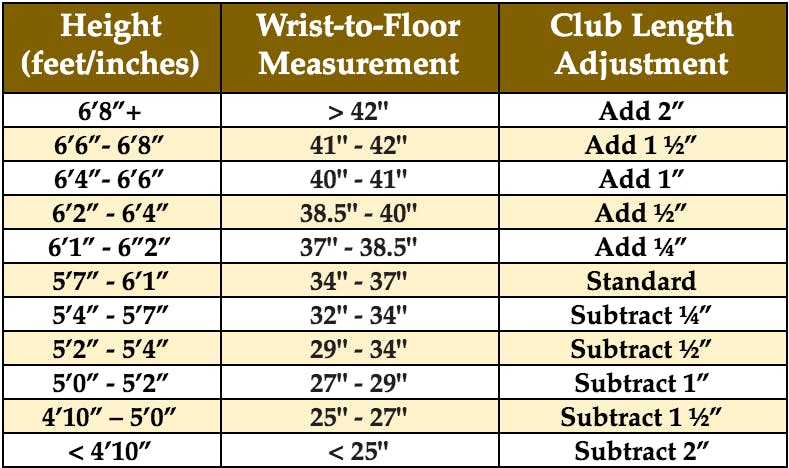
Image Source: curated-uploads.imgix.net
Why Finding the Right Fit Matters So Much
Think about wearing shoes that are the wrong size. It’s hard to walk or run comfortably, right? The same is true for golf clubs. If your clubs don’t fit you, it’s much harder to swing the club correctly.
Here’s why the right size matters:
- Better Swing Path: Clubs that fit help you swing on the right path more easily.
- Hitting the Sweet Spot: When the club is the right size, you are more likely to hit the ball in the middle of the club face. This is called the sweet spot. Hitting the sweet spot sends the ball farther and straighter.
- More Control: Clubs that fit give you more control over where the ball goes.
- Comfort and Less Pain: Using clubs that are too long or short can cause you to bend over too much or stand too straight. This can lead to back pain or other issues over time.
- Consistent Shots: A good fit helps you make the same swing over and over. This leads to more consistent shots.
Finding the right size is not just about your height. Many things play a part, like how you stand, how you swing, and even how fast you swing the club. This is where golf club fitting comes in.
Grasping Golf Club Fitting
Golf club fitting is the process of checking a golfer’s swing and body shape to find the best club parts for them. It’s like getting a suit tailored just for you instead of buying one off the rack. A fitting helps find the right golf club length, the right lie angle, the right shaft flex, and other things.
There are a few ways to do a fitting. The most common are static fitting and dynamic golf club fitting.
Static Golf Club Fitting Explained
Static fitting looks at your body measurements while you are standing still. It does not involve hitting a golf ball.
The main measurement in static fitting is the wrist to floor measurement golf. You stand straight up with your arms hanging at your sides. Someone measures the distance from the crease in your wrist to the floor.
Another part of static fitting is looking at your height. A golf club size by height chart is often used as a starting point in static fitting. It gives a general idea of what length clubs you might need based only on how tall you are.
Static fitting is a quick way to get a basic idea of what size clubs might be right. However, it does not watch how you swing. Your swing is a huge part of finding the right fit.
Dynamic Golf Club Fitting Explained
Dynamic golf club fitting is much better than static fitting. In a dynamic fitting, you hit golf balls while a trained fitter watches you. They use special tools and cameras to see exactly what the club is doing during your swing.
This type of fitting looks at things like:
- How the club hits the ball: Is the bottom of the club flat on the ground when it hits the ball? This tells you about the lie angle golf clubs need.
- Your swing speed golf clubs need: How fast do you swing? This helps the fitter choose the right stiffness for the club shaft.
- Where you hit the ball on the club face: Do you often hit it near the toe or the heel? This can also point to the wrong club length or lie angle.
- Your ball flight: How does the ball fly through the air? Does it go too high, too low, or curve too much?
Dynamic fitting gives a much more complete picture of what club parts will work best for you. It takes more time than static fitting, but it is worth it for getting clubs that truly fit your swing.
Key Measurements for Finding the Right Size
Several measurements are key in finding the right golf club size.
How Height Matters
Your total height is a basic starting point. Taller players usually need longer clubs than shorter players. But height alone is not enough. Someone who is 6 feet tall might have longer arms than someone else who is 6 feet tall. Arm length changes how far you stand from the ball, which affects the club length you need.
Using a basic golf club size by height chart can give you a very rough idea, but don’t stop there.
Here’s a simple example of what a basic height chart might look like. Remember, this is very general.
h5 Basic Golf Club Size by Height (Example)
| Golfer Height (inches) | Suggested Club Length Change (from Standard) |
|---|---|
| Under 5’2″ (62″) | -1.5 inches |
| 5’2″ to 5’5″ (62-65″) | -1 inch |
| 5’5″ to 5’8″ (65-68″) | -0.5 inches |
| 5’8″ to 6’0″ (68-72″) | Standard |
| 6’0″ to 6’3″ (72-75″) | +0.5 inches |
| 6’3″ to 6’6″ (75-78″) | +1 inch |
| Over 6’6″ (78″) | +1.5 inches |
Note: This is just a guide. Actual fitting is best.
The Wrist to Floor Measurement
The wrist to floor measurement golf is a better way to figure out club length than just height. It takes your arm length into account.
Someone with long arms for their height will stand closer to the ball and might need shorter clubs than someone of the same height with shorter arms. The wrist to floor measurement helps show this difference.
h5 How to Take Your Wrist to Floor Measurement
- Stand straight up in golf shoes.
- Let your arms hang naturally at your sides.
- Have someone measure the distance from the crease in your wrist (where your hand meets your arm) straight down to the floor.
- Use inches or centimeters.
This measurement is often used along with your height in static golf club fitting charts to suggest a starting club length.
Interpreting Golf Club Length
Golf club length is key. If a club is too long, you might stand too far from the ball. You might hit the heel of the club. Your swing plane might be too flat. If a club is too short, you might bend over too much. You might hit the toe of the club. Your swing plane might be too upright.
The right golf club length helps you stand in a good posture and swing the club on the right path.
Fitting helps figure out the best length for each type of club in your bag. Drivers are the longest, while wedges and putters are the shortest.
Deciphering Lie Angle
The lie angle golf clubs have is the angle between the center of the club shaft and the ground when the club head is sitting flat on the ground. This angle is super important.
When you swing and hit the ball, the bottom of your club head should be flat on the ground.
- If the heel of the club is off the ground at impact, the lie angle is too flat for you. The ball might go to the right for a right-handed golfer.
- If the toe of the club is off the ground at impact, the lie angle is too upright for you. The ball might go to the left for a right-handed golfer.
Dynamic golf club fitting is the best way to check your lie angle. The fitter can put special tape on the bottom of your club and have you hit balls off a hard surface (like a lie board). The mark left on the tape shows if the club was flat or if the heel or toe was up.
Lie angle can often be adjusted on irons and wedges made of softer metals. Woods and putters are harder to change.
Fathoming Shaft Flex
Shaft flex is how much the club shaft bends during your swing. This is mainly related to your swing speed golf clubs need.
- Faster Swing Speed: You usually need a stiffer shaft (like Stiff or Extra Stiff). A stiff shaft helps keep the club face square at impact if you swing fast.
- Slower Swing Speed: You usually need a more flexible shaft (like Ladies, Senior, or Regular). A flexible shaft helps you get more power and can help square the club face if you swing slower.
If your shaft flex is wrong:
- Too Stiff: The club face might be open at impact (leading to slices). You might lose distance.
- Too Flexible: The club face might close too much at impact (leading to hooks). You might lose control.
A dynamic fitting measures your swing speed to find the right shaft flex for you.
Using a Golf Club Size Chart as a Starting Point
A golf club size chart, especially one based on golf club size by height and wrist to floor measurement golf, can be helpful to get a rough idea of what size clubs you might need.
Many club makers and stores have these charts. They use measurements to suggest a starting point for club length and sometimes lie angle.
h5 Example Static Fitting Chart (Height & Wrist-to-Floor)
| Height | Wrist-to-Floor | Suggested Club Length Change | Suggested Lie Angle Change |
|---|---|---|---|
| 5’5″ – 5’9″ | 30″ – 32″ | Standard | Standard |
| 5’5″ – 5’9″ | Under 30″ | -0.5 inches | -1 degree Flat |
| 5’5″ – 5’9″ | Over 32″ | +0.5 inches | +1 degree Upright |
| 5’10” – 6’2″ | 33″ – 35″ | Standard | Standard |
| 5’10” – 6’2″ | Under 33″ | -0.5 inches | -1 degree Flat |
| 5’10” – 6’2″ | Over 35″ | +0.5 inches | +1 degree Upright |
| Over 6’2″ | Over 35″ | +0.5 to +1 inch | +1 to +2 degrees Upright |
| Under 5’5″ | Under 30″ | -0.5 to -1.5 inches | -1 to -2 degrees Flat |
Note: This is a simplified example. Actual fitting charts and recommendations can vary.
However, using only a golf club size chart has limits. It only looks at your body measurements while standing still. It doesn’t see your actual golf swing. Your swing habits greatly affect what club length and lie angle you need.
This is why a full golf club fitting, especially a dynamic one, is much better than just using a chart.
The Benefits of Custom Golf Club Fitting
Getting a custom golf club fitting is the best way to find the right size clubs for you. It goes beyond simple charts and measurements. A professional fitter watches your swing, measures your swing data, and finds the exact club parts that work best with how you play.
Here’s why custom fitting is so good:
- Personalized to Your Swing: A fitter sees your unique swing. They can find clubs that match your speed, path, and how the club hits the ground.
- Right Club Length: They find the golf club length that lets you stand in a good position and hit the sweet spot often.
- Correct Lie Angle: They make sure the bottom of the club is flat on the ground at impact. This helps the ball go where you want it to.
- Best Shaft Flex: They match the shaft stiffness to your swing speed golf clubs need. This helps you hit the ball farther and straighter.
- Right Grip Size: The grip size also matters. A fitter checks this too.
- Better Performance: Clubs that fit you lead to better shots, more distance, and more accuracy.
- Increased Confidence: Knowing your clubs fit you well gives you more confidence over the ball.
A custom golf club fitting isn’t just for pro golfers. It can help golfers of all skill levels play better. Even golfers just starting out can benefit from having clubs that fit them well from the beginning.
What Happens During a Golf Club Fitting
Getting a golf club fitting is a fun process. Here’s what you can expect:
- Talk to the Fitter: You’ll start by talking about your game. What are your goals? What shots do you struggle with (like slices or hooks)? What clubs do you want to get fitted for (driver, irons, putter, etc.)?
- Static Measurements: The fitter might start with some basic measurements. This could include your height and your wrist to floor measurement golf. This gives them a starting point.
- Warm-up: You’ll warm up by hitting some shots with your current clubs.
- Dynamic Testing: This is the main part. You’ll hit balls off a mat or grass while the fitter uses launch monitors and cameras. These tools measure things like:
- Ball speed
- Club head speed (this is your swing speed golf clubs information)
- Launch angle (how high the ball starts)
- Spin rate (how much the ball spins)
- Swing path
- Angle of attack (if the club is moving down or up at impact)
- How the club head hits the ground (lie angle golf clubs test)
- Trying Different Clubs: Based on the data and watching your swing, the fitter will give you different clubs to try. They might change the golf club length, the lie angle, the shaft type, the shaft flex, the club head model, and more.
- Compare Results: You’ll hit shots with different setups. The fitter will show you the data from the launch monitor for each club. You can see which combination gives you the best results (distance, accuracy, feel).
- Find the Best Fit: The fitter will help you choose the club setup that performs best for you. They will explain why those specific parts work well with your swing.
- Order Custom Clubs: Once the fitting is done, you can order custom golf club fitting built exactly to the specs the fitter found for you.
A full bag fitting can take 2-3 hours. Fitting for just one club, like a driver or irons, might take 1-2 hours.
Different Club Types and Fitting
While the basic ideas of fitting apply to all clubs, some things are more important for certain clubs.
Drivers
For drivers, golf club length and shaft flex (based on swing speed golf clubs need) are very important. The right length helps you hit the center of the big driver face. The right flex helps you get the most speed and control. Lie angle is less adjustable on drivers but still a factor.
Irons
For irons, golf club length and lie angle golf clubs have are critical. Since irons hit the ground, the lie angle must be right so the bottom of the club is flat. This prevents the ball from going left or right because the club was tilted. Shaft flex and weight also matter a lot for irons.
Wedges
Wedges also need the right lie angle. The bounce of the wedge (how the sole is shaped) is also key for hitting shots around the green from different types of ground. Length is less critical than for other clubs, but still important.
Putters
Putter fitting focuses on length, lie angle, and how the putter is balanced. The right length helps your eyes be over the ball correctly. The right lie angle helps the putter sole sit flat on the ground. The balance helps you make a smooth stroke.
Can I Fit Myself Using a Golf Club Size Chart?
You can use a golf club size chart based on height and wrist to floor measurement golf to get a very basic idea of what size clubs might be close. You can take your own measurements.
However, this is only static golf club fitting. It doesn’t watch your swing.
Many golfers who try to fit themselves using only charts end up with clubs that still don’t feel right or don’t help their game much. Your swing is unique. How you stand, your posture, how you move the club – these all change what club dimensions you need.
For example, two people might have the exact same height and wrist-to-floor measurement. But one might stand very upright when they swing, and the other might bend over a lot. They will need different club lengths and lie angles. A chart can’t tell you that.
Also, picking the right shaft flex based only on rough swing speed numbers you find online isn’t as good as having a fitter measure your actual swing speed golf clubs would react to.
So, while a chart can be a starting point, it’s not a substitute for custom golf club fitting with a pro.
Finding a Good Fitter
Where do you go for a custom golf club fitting?
- Golf Shops: Many larger golf stores have fitting bays with launch monitors and trained fitters.
- Golf Courses: Some higher-end golf courses offer fitting services.
- Fitting Studios: There are centers that only do club fitting. These often have the most advanced technology and highly trained fitters.
- Club Manufacturers: Some golf brands have their own fitting centers.
Look for fitters who are certified by major club companies or independent fitting organizations. Read reviews if you can. A good fitter will spend time with you, explain what they are doing, and let you try many options. They won’t push you to buy a certain brand.
Cost of Golf Club Fitting
The cost of golf club fitting varies. Some places offer a basic static fitting for free. A full dynamic fitting with launch monitors usually costs money.
- A single club fitting (like a driver or irons) might cost $50 – $100.
- A full bag fitting could cost $150 – $300 or more.
Some fitters might put the fitting fee towards the cost of new clubs if you buy them there.
Think of the fitting cost as an investment in your game. Buying clubs that don’t fit is a waste of money because they won’t help you play your best. Getting clubs that fit, even if they cost a little more upfront because of the fitting, will likely save you frustration and help you improve faster.
What if I Can’t Afford New Custom Clubs?
Getting a full custom golf club fitting and ordering brand new clubs built exactly to your specs can be expensive. What if that’s not possible right now?
Here are some ideas:
- Get Fitted for Key Clubs: Focus on getting fitted for the clubs you use most often, like your driver and irons.
- Adjust Current Clubs: If you have a fitting, the fitter might tell you your current clubs are close but need small changes. You might be able to get your current irons bent for the right lie angle, or get shafts changed. This is often cheaper than buying all new clubs.
- Look for Used Clubs with Specs: Once you know your general specs (like +0.5 inch length, 2 degrees upright lie), you can sometimes find used clubs online or in stores that are already built to similar specs. This requires careful checking though.
- Use the Fitting Info for Future Buys: Even if you can’t buy custom clubs right away, knowing your specs from a fitting helps you look for clubs in the future that are closer to what you need. You can look at standard clubs and see if they offer different lengths or lie angles that match your fitting results.
- Save Up: Getting fitted and then saving up for the right custom clubs is a great long-term plan for improving your game.
Even a static fitting using a golf club size chart and wrist to floor measurement golf is better than guessing, but remember its limits.
Signs Your Clubs Might Be the Wrong Size
How can you tell if your current clubs don’t fit you well? Look for these signs:
- Consistent Misses: Do you always slice or hook the ball? While swing flaws cause this, the wrong lie angle can make it worse or cause it.
- Poor Contact: Are you often hitting the ball off the toe or heel of the club face? This can be a sign the length or lie angle is wrong.
- Discomfort or Pain: Do you feel back pain, knee pain, or wrist pain after playing? Your clubs might be forcing you into a bad posture.
- Bottom of Club Marks: If you hit balls off a mat and look at the bottom of your irons, is the mark always on the heel or toe side? This points to a lie angle problem.
- Clubs Feel Wrong: Do your clubs feel too heavy, too light, too long, or too short? Trust your feeling, but back it up with a fitting.
- Lack of Consistency: Are your shots wildly different even when you feel like you made the same swing? The clubs might not be letting you repeat your swing easily.
- Swing Adjustments: Do you feel like you have to bend your knees a lot, stand really far away, or make other awkward adjustments just to feel comfortable over the ball? Your clubs might not fit your natural posture.
These are all signs that a golf club fitting could really help you.
Conclusion
Finding the right size golf clubs is one of the most important things you can do to play better golf. It’s much more than just picking clubs based on a simple golf club size by height chart. Factors like golf club length, lie angle golf clubs have, shaft flex (based on your swing speed golf clubs need), and your body shape (seen through measurements like the wrist to floor measurement golf) all play a big part.
While static golf club fitting gives you a start, dynamic golf club fitting is the best way to see how your swing interacts with the club. Getting a custom golf club fitting with a trained professional is the top recommendation for any golfer serious about improving. They use technology and their knowledge to find the perfect setup for you.
Don’t let ill-fitting clubs hold back your game. Make the investment in a fitting, and feel the difference the right size clubs can make.
Frequently Asked Questions (FAQ)
h4 How long do custom fitted golf clubs last?
Custom fitted clubs last just as long as standard clubs, which is many years. The fit itself should last as long as your swing doesn’t change much. If you have a major change in your body (like an injury) or your swing changes a lot as you improve, you might want to get fitted again.
h4 Is golf club fitting only for good players?
No way! Golf club fitting helps players of all skill levels. Beginners benefit a lot because having clubs that fit helps them learn the right swing moves from the start. It prevents bad habits that can come from trying to hit with clubs that are the wrong size.
h4 Can I get my current clubs fitted?
Yes, often you can. A fitter can check your current clubs. They can measure the length, lie angle, and shaft flex. They might suggest changes. For irons and wedges, the lie angle can often be bent to fit you. Shafts can sometimes be changed or cut down, but this depends on the club.
h4 How does wrist to floor measurement golf relate to lie angle?
The wrist to floor measurement helps determine the starting point for golf club length and lie angle in static fitting. If your wrist-to-floor measurement is shorter than average for your height, it suggests you might stand closer to the ball. Standing closer often means you need shorter clubs and a more upright lie angle. If the measurement is longer, you might stand farther away, suggesting longer clubs and a flatter lie angle.
h4 What swing speed golf clubs need is considered fast?
Swing speed varies a lot. For a driver, a swing speed over 105 mph is generally considered fast, often needing a Stiff or Extra Stiff shaft. 85-100 mph is average (Regular or Stiff shaft), and under 85 mph is slower (Senior or Ladies shaft). However, shaft choice also depends on how the shaft bends during your swing, which a fitter measures.
h4 Is golf club size by height enough to find the right size?
No, using golf club size by height alone is not enough. It’s only a very rough starting point. It doesn’t consider your arm length (wrist to floor measurement golf), your posture, or your actual swing. These factors are critical for finding the correct golf club length and lie angle golf clubs need. A full fitting is always better.
h4 What is the most important measurement in golf club fitting?
There isn’t one single “most” important measurement, as they all work together. However, golf club length, lie angle golf clubs have, and shaft flex (related to swing speed golf clubs need) are usually considered the most impactful factors determined during a fitting. How these factors combine based on your dynamic swing is key.