
Finding the right grip size for your golf clubs is important for good shots. It helps you hold the club correctly. A proper grip size lets you control the clubface better. This means you can hit the ball where you want it to go more often. This guide will show you how to figure out the best size for your hands.
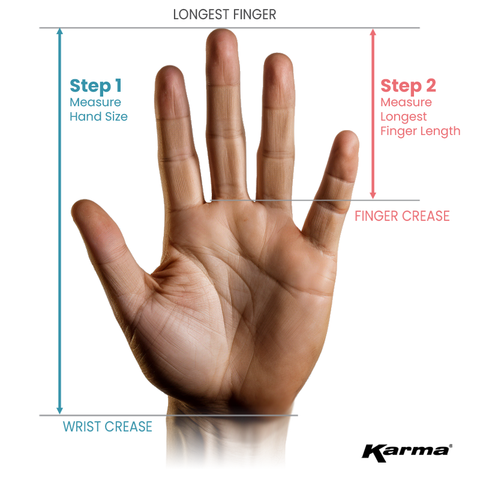
Image Source: cdn.shopify.com
Why Proper Grip Size Matters
Choosing the right grip size does a lot for your golf game. It affects how you swing and how the club feels. A grip that is too big or too small can hurt your play.
Think about holding a hammer. If the handle is too big, it’s hard to hold tight. If it’s too small, your fingers dig in too much. Golf grips work the same way.
The correct size helps you swing with less tension. When your grip size is right, you don’t have to squeeze the club too hard. This lets your wrists move freely. Free wrists mean more power and better control.
A wrong size grip can cause problems. If a grip is too small, you might use your hands too much in the swing. This can make the ball hook (go left for right-handed players). If a grip is too big, you might not be able to release the clubhead properly. This can make the ball slice (go right for right-handed players).
Having the right size helps you feel the clubface. You know where it is pointing during your swing. This helps you hit the ball solid and straight.
Comfort is also a big part. Playing golf should feel good. Grips that fit your hands feel better. This makes golfing more fun.
In short, getting your proper grip size right is a simple step. But it can make a big difference in how you play. It helps you hit better shots with more control. It also makes your hands feel good after your round.
Measuring Hand Size for Golf Grip
How do you know what size grip you need? You need to measure your hand. This is a key step in golf grip measurement. It tells you the starting point for finding your size.
Measuring your hand for a golf club is easy. You only need a ruler. Maybe a friend can help, but you can do it alone.
Here are the steps to measure your hand:
- Hold your left hand out straight. (If you are left-handed, use your right hand).
- Keep your fingers together. Do not spread them out.
- Look at your palm. Find the crease that is closest to your wrist. This is where you will start measuring.
- Place the end of the ruler at this main crease. The ruler should run up your palm towards your middle finger.
- Measure from this crease up to the tip of your middle finger. This is your hand length. Write this number down. It will be in inches or centimeters.
- Now, measure your middle finger length separately. Measure from the base of your middle finger (where it joins your palm) to the tip. Write this number down.
- Next, measure your palm width. Lay your hand flat. Measure across your palm at its widest point. Do not include your thumb. Write this number down.
These three numbers (hand length, middle finger length, palm width) give you information about your hand. The most common way to size is based on total hand length and middle finger length compared to your palm size.
Another common measurement method for golf grips involves two simple points:
1. Measure from the tip of your middle finger down to the main crease in your wrist (the one closest to your palm). This is your total hand measurement for golf grips.
2. Measure your middle finger length from the base to the tip.
Some systems use a combination. For example, a standard way is measuring from the tip of the middle finger down to the wrist crease. Then, you look at how long your middle finger is compared to your palm.
Let’s try the common method again, very clearly. This is how to measure your hand for golf grips:
- Open your left hand flat. (If you swing left-handed, use your right hand).
- Keep your fingers close together.
- Find the first big crease on your wrist. It’s the one closest to your hand.
- Take a ruler or tape measure. Put the zero mark at the tip of your middle finger.
- Measure down your middle finger and across your palm to that wrist crease. This total length is your hand size for golf grip. Note this number.
This single measurement is often used with charts to find a starting grip size. It’s not the only factor, but it’s a main one.
Remember your golf glove size too. This can sometimes give a rough idea. But hand measurement is more exact for grips. A size Large glove often goes with a Standard grip. An X-Large glove might suggest a Midsize grip. But hand shape is different for everyone. Measuring is best.
Deciphering the Proper Grip Size Chart
After you measure your hand, you can look at a chart. A proper grip size chart helps you match your measurement to a grip size. These charts are a good guide. They are not always the final answer, but they are a great start.
Most charts work like this:
- They list different grip sizes: Undersize, Standard, Midsize, Oversize.
- They show a range of hand measurements for each size.
Here is an example of a simple proper grip size chart:
| Grip Size | Hand Measurement (Tip of Middle Finger to Wrist Crease) | Common Glove Size Match | Notes |
|---|---|---|---|
| Undersize | Less than 7 inches | Small or Medium | For players with smaller hands. |
| Standard | 7 inches to 8.5 inches | Medium or Large | The most common grip size. |
| Midsize | 8.5 inches to 10 inches | Large or X-Large | For players with larger hands. |
| Oversize | More than 10 inches | X-Large or XX-Large | For players with very large hands or issues like arthritis. |
This table is a starting point. Your hand shape matters too. Some people have long fingers and a narrow palm. Others have shorter fingers and a wide palm. A simple chart might not catch these details.
For example, someone might measure 8 inches. The chart says Standard. But if they have very long fingers, a Midsize grip might feel better. It helps their fingers sit correctly.
Another factor is your finger length compared to your palm size. Some fitting methods use this.
- If your middle finger length is average for your palm size, the chart is probably right.
- If your middle finger is long for your palm, you might need a slightly larger grip than the chart says.
- If your middle finger is short for your palm, you might need a slightly smaller grip.
The goal is to get your finger position golf grip correct. When you hold the club, your fingers should wrap around it. The tips of your longest fingers should just touch your palm. Or they should be very close to touching your palm.
If your fingers dig into your palm, the grip is too small. This makes you hold the club too tight. It can lead to tension and poor swings.
If there is a big gap between your finger tips and your palm, the grip is too big. This makes it hard to control the clubface. You might feel like the club moves in your hands.
So, use the proper grip size chart as a guide. But also check how your hand feels on the club. Pay attention to your finger position.
Exploring Different Grip Sizes
Golf grips come in several main sizes. The most common is standard golf grip size. But there are also undersize golf grips, midsize golf grips, and oversize golf grips.
Let’s look at each size and who it is usually for.
Standard Golf Grip Size
This is the most common size. Many golfers use a standard golf grip size. Clubs you buy off the shelf often come with standard grips.
- Size: Standard grips usually have a diameter around 0.900 inches (measured 2 inches below the cap).
- Who uses it: Golfers with average hand size. People who wear a Medium or Large golf glove often fit this size.
- Feeling: A standard grip feels comfortable for many players. It allows good wrist hinge and control for average hands.
If your hand measurement from tip of finger to wrist crease is between 7 and 8.5 inches, a standard grip is likely a good starting point for you.
Undersize Golf Grips
Undersize golf grips are smaller than standard. They are made for people with smaller hands.
- Size: Undersize grips are smaller in diameter than standard. They are sometimes called ‘Ladies’ grips, but hand size is what matters, not gender.
- Who uses it: Golfers with small hands. People who wear a Small or Medium golf glove. Players whose hand measurement is less than 7 inches.
- Feeling: An undersize grip helps players with small hands hold the club without stretching their fingers too much. This helps keep tension low. It allows for better wrist movement.
If a standard grip feels too big, or your fingers cannot wrap around enough to touch your palm, try an undersize grip.
Midsize Golf Grips
Midsize golf grips are larger than standard. They are for players with larger hands.
- Size: Midsize grips have a larger diameter than standard. They are noticeably thicker.
- Who uses it: Golfers with larger hands. People who wear a Large or X-Large golf glove. Players whose hand measurement is between 8.5 and 10 inches. Also, some players with arthritis or hand pain prefer a larger grip because it requires less squeezing.
- Feeling: A midsize grip fills the hands more for players with larger hands. This helps prevent over-using the hands during the swing. It can help reduce hooking the ball. It often feels more secure for big hands.
If a standard grip feels too small, or your fingers dig deeply into your palm, a midsize grip might be better.
Oversize Golf Grips
Oversize golf grips are the largest common size. They are sometimes called ‘Jumbo’ grips.
- Size: Oversize grips have a very large diameter. Much bigger than standard or midsize.
- Who uses it: Golfers with very large hands (hand measurement over 10 inches). Players who wear an X-Large or XX-Large golf glove. Many senior golfers or players with severe arthritis or hand pain choose these. The large size helps reduce grip pressure needed to hold the club.
- Feeling: An oversize grip greatly reduces how much the hands and wrists can move. This can help players who use their hands too much. It can help reduce hooks. It is very comfortable for people with hand pain as it needs very little squeezing pressure.
If midsize grips still feel too small, or if you have pain when holding a standard or midsize grip, an oversize grip could be the answer.
Choosing the right size is a personal feel. The measurement and charts are guides. Trying out grips of different sizes is the best way to know for sure.
Checking Your Finger Position
Once you have a grip on a club, you need to check your finger position golf grip. This is a crucial step to see if the size is right for you.
Here is how to check your finger position:
- Hold the club in your weak hand first (left hand for a right-handed player). Hold it like you are getting ready to swing.
- Look at the fingers on this hand.
- Specifically, look at your middle two or three fingers (ring finger, middle finger, maybe index finger).
- See where the tips of these fingers are.
- Are the tips digging into your palm? This means the grip is likely too small. You are having to bend your fingers too much to wrap around.
- Are the tips just lightly touching your palm? Or are they very close to touching your palm, with no big gap? This is usually a sign of a good size grip. Your fingers can wrap comfortably.
- Is there a large gap between your finger tips and your palm? Can you fit a finger easily in the space? This means the grip is likely too big. Your fingers cannot wrap around enough.
This finger position golf grip check is simple but very effective. It tells you how well your hand fits the grip’s size.
Repeat this check with your other hand (your strong hand, the one lower on the grip). The grip size mainly fits the hand closer to the club head (your weak hand for most players). But the lower hand should also feel comfortable.
If your weak hand fingers dig into the palm, the grip is too small. If there’s a big gap, it’s too big. Aim for the finger pads (or tips) just touching or nearly touching the palm.
This hands-on test confirms if the golf grip measurement and chart were right for you. It personalizes the fit.
Signs You Might Need a Different Grip Size
Your current grips might be the wrong size. How can you tell? Your play and how your hands feel give clues.
Here are some signs your grip size might be wrong:
- Slicing or Hooking the ball: While swing path is the main cause, grip size plays a role. If your grip is too big, it can make it hard to turn the clubface over. This can lead to slices. If your grip is too small, you might use your hands too much. This can lead to hooks.
- Excessive hand or forearm tension: Are you squeezing the club super tight? If your grips are too small, you have to squeeze harder to feel secure. This creates tension. Tension is bad for a golf swing.
- Lack of control: Do you feel like the club moves around in your hands? Or that you can’t feel where the clubface is pointed? A grip that’s too big or too small can hurt your connection to the club.
- Wearing out golf gloves quickly: Squeezing too hard because your grip is too small can wear out the palm of your golf glove size. High tension rubs the material faster.
- Hand or wrist pain: Holding a club with the wrong size grip can cause pain. Too small a grip can make fingers dig in. Too big can strain your hands if you try to grip tighter. Arthritis sufferers often benefit greatly from larger grips that are easier to hold with less pain.
- Inconsistent shots: Sometimes you hit it well, sometimes not. Grip size isn’t the only reason for this. But it’s a factor that’s easy to fix. A consistent grip feel helps consistent swings.
If you see these signs, check your grip size. Do the hand measurement again. Look at the proper grip size chart. Check your finger position golf grip.
Even if you have played for years with the same size, it’s worth checking. Hands change over time. Your swing might change. What felt right before might not be best now.
Many golfers play with the wrong size grips without knowing it. Fixing this can be a simple way to improve your game and comfort.
Putting it All Together: Choosing Your Grip Size
So, you’ve measured your hand. You’ve looked at the chart. You know the different sizes. Now, how do you make the final choice?
Here’s a step-by-step process for figuring out your proper grip size:
- Measure Your Hand: Use the method described earlier. Measure from the tip of your middle finger to the crease in your wrist closest to your palm. This gives you your main golf grip measurement. Note this number.
- Check a Grip Size Chart: Use a proper grip size chart like the example table. Find the size range that your measurement falls into. This gives you a likely starting size (Undersize, Standard, Midsize, or Oversize).
- Consider Finger Position: Imagine holding a club with that suggested size. Or, if possible, hold a club with that grip size. Check your finger position golf grip. Do your finger tips just touch or almost touch your palm? Or do they dig in (too small)? Or is there a big gap (too big)?
- Think About Your Swing and Hands: Do you tend to hook the ball? A slightly larger grip might help reduce hand action. Do you slice? A standard or slightly smaller grip might help you release the club. Do you have arthritis or pain? A larger grip (Midsize or Oversize) is often better.
- Relate to Golf Glove Size: What golf glove size do you wear? Small/Medium might suggest Undersize/Standard. Large/X-Large might suggest Standard/Midsize. X-Large/XX-Large might suggest Midsize/Oversize. This is a rough check, not the main method.
- Test Different Sizes (If Possible): The absolute best way is to try holding clubs with different grip sizes. Go to a golf shop or club fitter. Feel a standard golf grip size, then a midsize golf grip, maybe an oversize golf grips or undersize golf grips. See which feels most comfortable and allows for a relaxed grip without a big gap or fingers digging in.
Sometimes the chart will point you to Standard, but your finger test shows it’s a little too small. You might then consider a Midsize. Or maybe Standard feels okay, but Midsize feels even better and reduces hand tension.
You can also fine-tune grip size using grip tape. Grips are installed on the shaft. Underneath the grip, layers of tape are used. Each layer of tape makes the grip slightly thicker.
- A standard grip on a shaft with one layer of tape is the base standard golf grip size.
- Adding extra layers of tape makes any grip size bigger. One extra layer is sometimes called “+1 wrap”. Four extra layers makes a standard grip feel close to a midsize grip.
- So, you can have a standard grip with extra tape. Or a midsize grip with no extra tape. Or a midsize grip with extra tape to make it even bigger.
This means you can get a very precise fit. You might find that a Standard grip with two extra wraps of tape is perfect for your hands.
Working with a club fitter can be very helpful. They have tools and experience to help you find the perfect fit. They can also let you try different grip types and materials.
The goal of measuring hand for golf club grips and trying different sizes is simple: find the grip that feels best in your hands. The one that lets you hold the club lightly but securely. The one that helps you swing freely and hit the ball solid.
Don’t underestimate the importance of grip size. It’s like wearing the right size shoes. It affects comfort and performance. Taking the time for golf grip measurement and checking sizes is time well spent for any golfer.
Other Factors Beyond Size
While size is key, other things about grips matter too. These can also affect feel and performance.
- Grip Material: Grips are made from different materials. Rubber is common and durable. Cord grips have cotton fibers woven in. These feel firmer and offer more traction, especially in wet weather. Some grips mix rubber and cord. Newer grips use advanced synthetic materials that offer different feels and textures.
- Grip Texture/Pattern: Grips have different patterns on them. These patterns help you hold the club. Some are smooth, some have deep grooves, some have small bumps. The texture affects how the grip feels in your hands and how much traction it offers. It’s a personal preference.
- Grip Shape: Most grips are round. But some grips, especially putter grips, have different shapes. Some are flat on top, or have a pistol shape. This is about feel and helping a consistent hand position.
- Grip Firmness: Some grips are soft and cushiony. Others are very firm. Softer grips absorb more shock but might twist slightly. Firmer grips offer more feedback from the shot.
These factors combine with size to create the overall feel of the grip. You might need a Midsize grip, but prefer a cord material because you play in humid weather. Or you might need a Standard grip but like a softer feel due to sensitive hands.
When exploring grip sizes, also pay attention to these other aspects. The right size in the wrong material might still not feel right.
Maintaining Your Grips
Once you have the right grips, take care of them. Clean grips last longer and perform better. Oils and dirt from your hands build up. This makes grips slippery.
- Clean your grips regularly. Use mild soap and water. A brush (like a soft scrub brush) helps.
- Rinse them well with clean water.
- Let them dry completely before using them.
Clean grips provide better traction. This means you don’t have to squeeze as hard. Less tension means better swings.
Grips also wear out over time. The material gets hard and loses its tackiness. How long they last depends on how much you play and how you store your clubs. As a rule of thumb, consider replacing grips every 1-2 years, or after every 40 rounds if you play often.
Playing with fresh, properly sized grips can make a big difference. It’s often called the cheapest way to improve your golf game.
Frequently Asked Questions (FAQ)
Here are some common questions about golf grip size.
Q: Can the wrong grip size really hurt my game?
A: Yes. A grip that is too big or too small makes it harder to control the clubface. It can lead to slices or hooks. It can also cause tension, which hurts your swing speed and feel. It might even cause hand pain.
Q: Is grip size more important than grip material?
A: Both are important, but size is usually the most critical factor for how the grip fits your hand and affects your swing mechanics. Material and texture are more about feel and traction. Get the size right first, then pick a material you like.
Q: If I wear a Large golf glove, do I automatically need a Standard grip?
A: Not always. Your golf glove size is a good starting point. A Large glove often goes with a Standard grip. But hand shape varies. Your finger length compared to your palm, and your total hand measurement, are better guides. Always do the hand measurement and check your finger position.
Q: Can I just add extra tape to my standard grips instead of buying midsize?
A: Yes, you can build up a grip with extra tape. Four extra layers of standard tape makes a standard grip feel close to a midsize grip. This is a common practice. However, a true midsize grip has a larger diameter throughout, not just built up with tape. Some people prefer the feel of a grip made in the larger size rather than built up. It’s worth trying both if possible.
Q: How do I know if I need Undersize grips?
A: You likely need undersize golf grips if your hand measurement from fingertip to wrist crease is less than 7 inches. Also, if standard grips feel very large in your hand, and your finger tips cannot comfortably wrap around to touch your palm, undersize is probably better. They are for golfers with smaller hands.
Q: What’s the benefit of Oversize grips besides for very large hands?
A: Oversize golf grips are great for players with arthritis or hand pain. Their large size means you need very little pressure to hold the club securely. This reduces stress and pain in the hands and wrists. They also reduce hand action in the swing, which can help players who tend to hook the ball.
Q: Can I change my own golf grips?
A: Yes, you can. You need special tools like a grip remover, grip tape, grip solvent, and a vise. It takes practice. Many golfers prefer to have a golf shop or club fitter change their grips. It’s usually not very expensive.
Q: How often should I replace my golf grips?
A: It depends on how much you play and how you store your clubs. A good rule is every 1-2 years, or every 40 rounds. If your grips look shiny, feel hard, or are slippery, they need replacing. Fresh grips provide better feel and control.
Q: Does grip size affect all clubs the same way?
A: Yes, typically you want the same grip size on all your woods, irons, wedges, and even putter (though putter grips are often different shapes and sizes chosen for feel). Consistency across your set is important for a consistent feel and swing.
Q: Where can I get a golf grip size measurement done professionally?
A: Most golf pro shops and golf retailers with club fitting services can measure your hand and help you select the right grip size. This is often the best way to be sure.
Getting your proper grip size right is a fundamental part of club fitting. Take the time to measure your hands, look at a chart, and test the feel. It’s a simple step that can lead to better golf.