
Simple Steps: How To Determine Golf Swing Speed Accurately Today
How can you tell your golf swing speed? What devices measure golf club head speed? You can find your golf swing speed today using special tools like radar units and launch monitors. These devices measure how fast your golf club moves when you hit the ball. Knowing this speed is key to hitting the ball farther and picking the right clubs. It helps you get better at golf. This guide will show you how to measure your swing speed well and why it matters.
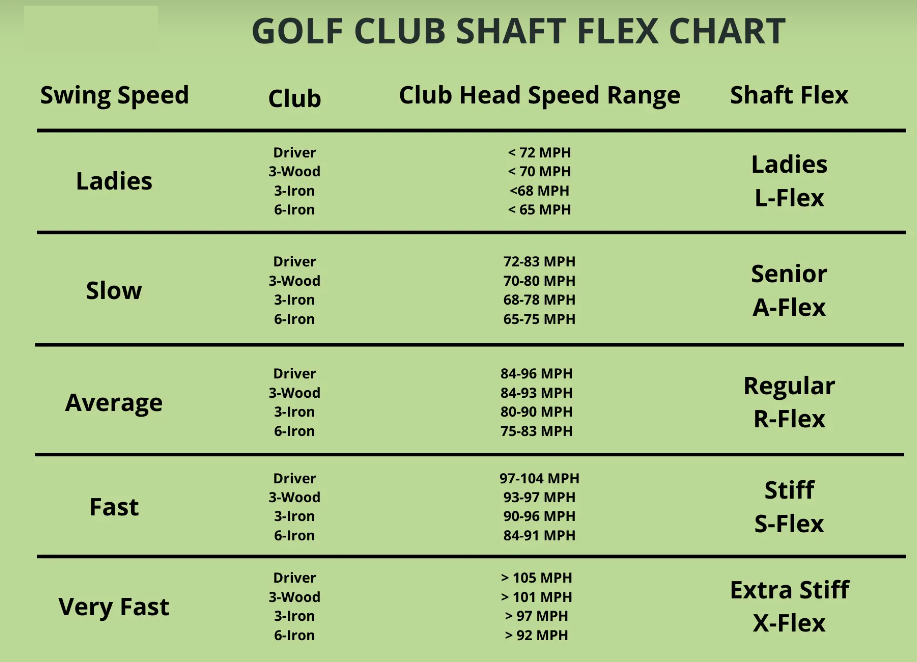
Image Source: www.pedagonet.com
The Big Picture: Why Your Golf Swing Speed Matters
Your golf swing speed is how fast your club head moves just before it hits the ball. It’s a big part of how far your golf ball goes. A faster swing often means more distance. But it’s not just about hitting the ball far. Your swing speed also tells you what golf clubs are best for you. It helps you pick the right shaft stiffness. Knowing your speed helps you improve your game overall. It helps you see how much you are getting better.
What is Golf Swing Speed?
Golf swing speed is simple. It’s the speed of your club head at impact with the golf ball. We measure it in miles per hour (MPH) or kilometers per hour (KM/H). This speed makes the golf ball fly. A higher golf swing speed usually means a higher golf ball speed. A higher golf ball speed means the ball goes farther. They are tied together. If your club head goes fast, the ball goes fast too.
Why Measure Your Golf Swing Speed?
There are many good reasons to measure your golf swing speed.
* Distance: It tells you how far you can hit the ball. If you know your speed, you can guess your shot distance better.
* Club Fitting: Golf clubs come with different shafts. Some are stiff, some are flexible. The right shaft matches your swing speed. A fast swing needs a stiffer shaft. A slower swing needs a more flexible one. This helps you hit the ball straighter and farther.
* Improvement: When you work on your swing, you want to see progress. Measuring your speed helps you track how much faster you are getting. It shows if your golf swing speed training is working.
* Grasping Your Game: It helps you know your own game. You can compare your speed to the average golf swing speed for players like you. This helps you set good goals.
* Ball Flight: Swing speed affects how the ball flies. It helps you know how much spin you put on the ball.
Tools for Golf Swing Speed Measurement
Many tools can measure your golf swing speed. Each tool works a little differently. Some are very accurate. Others are simple and easy to use.
Golf Club Head Speed Monitor Devices
These devices often sit on the ground near you. They use radar or other tech to track your club. They give you a direct reading of your golf club head speed. They are built just for this one job.
How They Work:
* Most use radar. They send out radio waves. These waves bounce off your club head. The device then sees how fast the waves come back. This tells it your speed.
* Some use infrared light. They sense when your club passes a certain point. Then they time how long it takes to pass another point.
Pros:
* Often easy to set up.
* Focus only on club speed.
* Some are very portable.
Cons:
* May not track ball speed.
* Accuracy can change based on the model.
Launch Monitor Golf Speed Devices
Launch monitors are more advanced. They track many things about your shot. They measure golf club head speed, golf ball speed, launch angle, spin, and more. They give a full picture of your shot. These are very popular now.
How They Work:
* Many use radar golf swing speed technology. They send out waves and track the club and ball.
* Some use high-speed cameras. They record the impact in tiny frames. Then they use computer programs to figure out speeds and angles.
* They often connect to an app on your phone or tablet. This shows you all your numbers.
Pros:
* Very detailed data.
* High accuracy for both club and ball speed.
* Great for fitting clubs.
* Good for practice and training.
Cons:
* Can be expensive.
* Need more space to set up.
Portable Radar Devices
These are a type of golf club head speed monitor. They are small and easy to carry. They focus mostly on giving you your club speed. Many golfers use them at the driving range or even at home. They use radar golf swing speed tech.
How They Work:
* You place them a few feet behind or next to you.
* They use radar to sense your club’s speed.
* They often show the speed right on a small screen.
Pros:
* Very portable.
* Often less costly than full launch monitors.
* Quick setup.
Cons:
* Only provide club speed, not ball speed or other data.
* Accuracy can vary. It can be affected by how you place them.
High-Speed Cameras and Apps
Some phone apps claim to measure swing speed. They use your phone’s camera. You record your swing. The app then tries to guess your speed.
How They Work:
* The app uses the video frames. It tries to track your club head.
* It calculates speed based on how far the club moves between frames.
Pros:
* Cheap or free (if you already have a phone).
* Easy to try anywhere.
Cons:
* Not very accurate. The phone camera is not made for this.
* Many outside factors can throw off the reading.
* More for fun than serious data.
* They do not truly “measure” speed. They infer it.
Top Devices for Measuring Golf Swing Speed
Choosing the best device depends on your needs and budget. Here are some popular choices for golf swing speed measurement.
Deciphering Trackman Swing Speed
Trackman is known as the gold standard in golf. It is a very advanced launch monitor. It uses radar technology to track everything. It gives very accurate data. Many pro golfers and coaches use Trackman.
Key Features of Trackman:
* Accuracy: It measures club speed, ball speed, launch angle, spin, and more with great precision.
* Data Points: It gives over 20 different data points for each shot.
* Versatility: You can use it indoors or outdoors.
* Software: It has strong software for data review and training.
Why it’s great:
* It is the most trusted device for golf swing speed measurement.
* It provides a complete picture of your swing and ball flight.
* It is used by top club fitters to find the perfect clubs for you.
Considerations:
* Cost: Trackman units are very expensive. They cost many thousands of dollars.
* Complexity: They have many features. It can take time to learn them all.
For most people, owning a Trackman is not needed. But many golf centers, ranges, and coaches have one. You can book a session to get your numbers.
Other Best Golf Swing Speed Devices
Many other great devices offer good accuracy at different price points. They are popular for home use or personal practice.
- Garmin Approach R10: This is a popular portable launch monitor. It offers great value. It uses radar to track golf club head speed and golf ball speed. It also gives spin and launch angle. It’s good for indoor or outdoor use. It connects to an app.
- FlightScope Mevo/Mevo+: These are also radar-based launch monitors. Mevo is simpler and just gives core data like club speed and ball speed. Mevo+ is more advanced. It gives more data and works for indoor simulation. They are known for good accuracy for their size.
- Voice Caddie SC300i/SC4: These are good portable radar units. They are simple to use. They give club speed, ball speed, and carry distance. They are great for a quick check at the range.
- Swing Caddie SC200 Plus/SC300: These are popular personal launch monitors. They are compact and give good data. They are a good choice for golfers wanting better feedback than just a speed radar.
Here is a table comparing some popular golf swing speed devices:
| Device | Type | Key Data Provided | Price Range ($) | Accuracy (Club Speed) | Portability |
|---|---|---|---|---|---|
| Trackman | High-End Launch Monitor | Club speed, Ball speed, Launch, Spin, etc. | 15,000 – 25,000+ | Excellent | Moderate |
| FlightScope Mevo+ | Mid-Range Launch Monitor | Club speed, Ball speed, Launch, Spin, etc. | 2,000 – 3,000 | Very Good | High |
| Garmin Approach R10 | Entry-Level Launch Monitor | Club speed, Ball speed, Launch, Spin, etc. | 600 – 800 | Good – Very Good | High |
| Voice Caddie SC300i/SC4 | Portable Radar Monitor | Club speed, Ball speed, Carry Distance | 500 – 600 | Good | Very High |
| Swing Caddie SC200 Plus | Portable Radar Monitor | Club speed, Ball speed, Carry Distance | 300 – 400 | Good | Very High |
| Rapsodo MLM | Portable Launch Monitor | Club speed, Ball speed, Launch, Spin | 500 – 700 | Good | Very High |
Note: Price ranges are estimates and can change.
How to Calculate Golf Swing Speed (Indirect Methods)
Sometimes, you might not have a direct golf club head speed monitor. But you can still guess your swing speed. You can do this if you know your golf ball speed. This is called the “Smash Factor” method.
What is Smash Factor?
Smash Factor is a number that shows how well you hit the ball. It is the ratio of your golf ball speed to your golf swing speed.
* Smash Factor = Ball Speed / Swing Speed
A perfect hit has a Smash Factor close to 1.5. This means your ball speed is 1.5 times your swing speed. For example, if your club speed is 100 MPH, a perfect hit would make the ball go 150 MPH.
Using Smash Factor to Find Swing Speed:
You can turn the formula around to find your swing speed:
* Swing Speed = Ball Speed / Smash Factor
If you know your ball speed (from a simpler device or even just from how far you hit it) and you assume a good Smash Factor (around 1.45 to 1.5 for a driver), you can estimate your swing speed.
Example:
* You hit your driver, and a basic radar shows your golf ball speed is 140 MPH.
* You know you hit it pretty well, so you assume a Smash Factor of 1.45.
* Swing Speed = 140 MPH / 1.45 = 96.55 MPH (approx.)
This is an estimate. It is not as accurate as a direct golf club head speed monitor. But it can give you a good idea.
Here’s a table to help you estimate golf swing speed based on golf ball speed (assuming a driver Smash Factor of 1.45):
| Golf Ball Speed (MPH) | Estimated Golf Swing Speed (MPH) |
|---|---|
| 120 | 82.8 |
| 125 | 86.2 |
| 130 | 89.7 |
| 135 | 93.1 |
| 140 | 96.6 |
| 145 | 100.0 |
| 150 | 103.4 |
| 155 | 106.9 |
| 160 | 110.3 |
| 165 | 113.8 |
| 170 | 117.2 |
| 175 | 120.7 |
Note: These are estimates. Actual swing speed can vary based on individual contact.
What is an Average Golf Swing Speed?
Many golfers wonder how their speed stacks up. The average golf swing speed changes based on many things. These include age, gender, and how good you are at golf (handicap).
General Averages (Driver):
* PGA Tour Pros: 113 – 117 MPH (some over 120 MPH)
* LPGA Tour Pros: 94 – 100 MPH
* Average Male Golfer (Amateur): 90 – 95 MPH
* Average Female Golfer (Amateur): 70 – 80 MPH
Breaking it Down More:
| Golfer Type | Average Driver Swing Speed (MPH) |
|---|---|
| Men | |
| Beginner | 70 – 80 |
| Mid-Handicap (10-18) | 85 – 95 |
| Low-Handicap (0-9) | 95 – 105 |
| Tour Pro | 113 – 120+ |
| Women | |
| Beginner | 60 – 70 |
| Mid-Handicap (10-18) | 70 – 85 |
| Low-Handicap (0-9) | 85 – 95 |
| Tour Pro | 94 – 100 |
| Seniors (Age 60+) | |
| Male Senior | 75 – 85 |
| Female Senior | 60 – 70 |
| Juniors (under 18) | |
| Younger Junior (under 12) | 50 – 70 |
| Older Junior (13-18, developing) | 70 – 100+ |
These are general guidelines. Your actual speed may be different.
Seeing these numbers helps you see where you are. It can also help you set goals. Maybe you want to get your speed up to the average for your age group.
Improving Your Golf Swing Speed
Once you know your speed, you might want to increase it. Faster golf swing speed usually means more distance. But remember, hitting the ball well matters most. Speed with poor contact does not help.
The Role of Golf Swing Speed Training
There are special training programs made to increase your swing speed. These programs often use light, heavy, or normal-weight clubs. You swing them fast. This helps your body move quicker. This is called “overspeed training.”
Popular Speed Training Programs:
* SuperSpeed Golf: This is a well-known program. It uses three special clubs. Each club has a different weight. You swing them in a certain order and speed. It has many drills. The goal is to train your body to swing faster than normal. Many golfers see good results.
* Stack System: Another popular system that uses different weight settings on a single club. It tracks your speed and tells you what to do next.
* Lag Shot Golf: Uses a club with a flexible shaft to teach better rhythm and lag in your swing, which can lead to more speed.
Benefits of Golf Swing Speed Training:
* More Distance: The most clear benefit. Faster swings mean longer drives.
* Better Power: You learn to use your body more fully in the swing.
* Muscle Memory: Your body gets used to moving at higher speeds.
* Injury Prevention: Many programs include warm-up and cool-down drills.
Techniques for Speed Increase
Beyond specific programs, some general things can help increase your speed.
- Strength Training: Stronger muscles can move faster. Focus on core, legs, and glutes. These are big power muscles. Do exercises like squats, lunges, and planks.
- Flexibility: Good flexibility allows a fuller, faster swing turn. Work on stretching your back, hips, and shoulders. Yoga can be great for this.
- Balance: A strong golf swing needs good balance. Practice balance drills.
- Technique Drills: Work with a golf coach. They can help you make your swing more efficient. An efficient swing means more speed with less effort. Look at:
- Tempo and Rhythm: A smooth, strong swing is often faster than a jerky one.
- Ground Force: Learn to use your legs and the ground to push off. This creates power.
- Club Lag: Keeping the club “lagged” behind your hands in the downswing can create a powerful snap at impact.
- Warm-Up: Always warm up before you swing hard. This gets your muscles ready. It helps prevent injury. It also gets your body ready for speed.
Important Note: Do not try to just “muscle” the ball. Focus on smooth, fast movements. Bad technique can lead to injuries. It can also lead to bad shots. Work on speed and good contact together.
Tips for Accurate Golf Swing Speed Measurement
To get the most out of your golf swing speed measurement, follow these tips:
- Place the Device Right: Each device has a best spot. Read the manual. For most radar units, it’s a few feet behind or next to the ball. Bad placement leads to wrong numbers.
- Use Good Conditions: For outdoor use, calm weather is best. Strong wind can affect readings. Make sure the ground is level.
- Consistency is Key: Use the same club. Hit the ball from the same spot. Make similar swings. This helps you compare numbers fairly.
- Take Multiple Swings: Do not trust just one swing. Hit 5-10 balls. Then, look at the average speed. One bad swing can throw off your idea of your speed.
- Charge Your Device: Make sure your golf club head speed monitor has enough battery. Low power can affect how well it works.
- Clear the Area: Make sure nothing else is in the way of the device’s radar or camera. This includes other golfers or bags.
- Calibrate if Needed: Some advanced devices need to be set up or calibrated. Follow the steps in the manual.
Final Thoughts on Golf Swing Speed Measurement
Finding your golf swing speed is a powerful step in improving your game. It gives you a clear number. It shows you where you are now. It helps you pick the right clubs. It guides your golf swing speed training.
Whether you use a simple radar golf swing speed device or a high-tech launch monitor golf speed system, knowing your speed is a game-changer. It helps you set smart goals. It helps you see your progress. So, grab a golf club head speed monitor, hit some balls, and start tracking your path to better golf!
Frequently Asked Questions (FAQ)
Q: Is swing speed the same as ball speed?
A: No, they are not the same. Swing speed is how fast the club head moves. Golf ball speed is how fast the ball leaves the club face. They are related. A faster swing speed usually means a faster ball speed. The ratio between them is called Smash Factor.
Q: How does golf swing speed affect distance?
A: Generally, a faster golf swing speed leads to more golf ball speed and, in turn, more distance. For every 1 MPH increase in swing speed with a good hit, you can gain about 2-3 yards of distance. This is a rough guide.
Q: Can I measure swing speed without a device?
A: It is hard to measure your golf swing speed accurately without a device. You can estimate it using your golf ball speed and the Smash Factor, but this is not a direct measurement. For true accuracy, you need a golf club head speed monitor or launch monitor.
Q: What’s a good swing speed for a beginner?
A: For a beginner male golfer, a swing speed around 70-80 MPH with a driver is common. For a beginner female golfer, it might be around 60-70 MPH. The key for beginners is to focus on hitting the ball well and making consistent contact. Speed will come with practice.
Q: How often should I measure my swing speed?
A: If you are doing golf swing speed training, measure it often, perhaps once a week or every few training sessions, to track progress. If you are not actively training for speed, measuring it once every few months or during a club fitting session is enough. This helps you keep up with any changes.