
Rust on your golf clubs? It can happen, especially on iron heads. Can you clean rusted golf clubs? Yes, you absolutely can. Learning the best way to remove rust from golf clubs involves a few simple steps and common household items or specialized products. This guide will show you how to bring your clubs back to life.
Rust looks bad and can hurt how your clubs perform. It changes the weight and feel of the clubhead. It can also change the way the ball spins off the face. This is especially true on wedges. Removing rust helps keep your clubs playing their best. It also makes them look much nicer. This guide covers various ways for golf club rust removal. We will look at cleaning rust off stainless steel golf clubs and tackling rust on iron heads. We will also discuss cleaning pitting rust golf clubs and working on clean old rusted golf clubs.
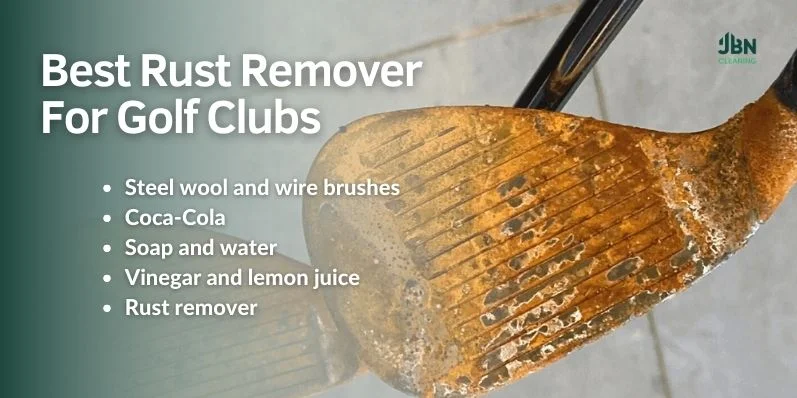
Image Source: jbncleaning.com.au
Why Golf Clubs Get Rusty
Rust happens when metal, like the steel in golf clubs, mixes with water and oxygen. This process is called oxidation. Golf courses have water (sprinklers, ponds, rain) and grass that holds moisture. If you don’t dry your clubs well after playing, rust can start.
Humidity in storage areas also plays a big part. Basements or garages can be damp. Storing wet or dirty clubs in these places speeds up rust forming. Sweat from your hands can also add to the problem.
Not all clubs rust the same way. Irons, especially older ones made from carbon steel, rust more easily than stainless steel clubs. Wedges often rust faster because of their grooves. They are designed to grab the ball, which also helps hold moisture.
Getting Ready to Clean Rust
Before you start golf club rust removal, gather your tools. Having everything ready makes the job easier and faster.
Tools and Supplies Needed
Here is a list of items you might need:
- Warm water
- Mild dish soap or specialized golf club cleaner
- Soft brushes (like an old toothbrush or nylon brush)
- Microfiber cloths or soft towels
- A plastic or glass container (big enough for clubheads)
- White vinegar
- Baking soda
- Fine steel wool (use with extreme caution)
- Rust cleaner for golf clubs (check product safety)
- Metal polish (optional, for shine after cleaning)
- Protective gloves
- Safety glasses
Put on your protective gloves and safety glasses. Some cleaners or rust particles can harm your skin or eyes. Work in a well-aired space, especially if using chemical cleaners.
Starting With Gentle Cleaning
Sometimes, rust is just on the surface and not too bad. Start with the easiest methods first. This helps avoid harming the club’s finish more than needed.
Basic Washing
A simple wash can remove dirt and light surface rust.
- Fill a bucket: Use warm water and a little mild dish soap.
- Soak the clubhead: Dip only the clubhead into the soapy water. Do not soak the hosel where the shaft meets the head for too long. You do not want water getting under the grip or into the shaft. A few minutes of soaking is fine for light rust.
- Scrub gently: Use a soft brush, like a toothbrush. Scrub the rusty spots and the grooves. See if the rust comes off easily.
- Rinse: Rinse the clubhead well with clean water.
- Dry completely: Use a microfiber cloth to dry the clubhead right away. Make sure it is fully dry. Any water left can cause rust to come back.
This method is good for cleaning rust off stainless steel golf clubs when the rust is just starting. It is also a first step for more stubborn rust on irons.
Moving to Stronger Solutions
If basic cleaning does not work, you need something stronger. Vinegar and special rust removers are good choices.
Using Vinegar to Clean Golf Clubs
Vinegar is a natural acid. It can break down rust. This makes it a popular choice for many people wanting to clean old rusted golf clubs.
Here is how to use vinegar:
- Prepare the vinegar bath: Pour white vinegar into a plastic or glass container. Make sure there is enough to cover the rusty parts of the clubhead. You can use it straight or mix it with water (50/50 mix) for less severe rust. Using vinegar to clean golf clubs is effective because of its acid level.
- Submerge the clubhead: Place only the clubhead into the vinegar. Do not let the shaft or hosel sit in the vinegar for a long time.
- Check often: How long to soak depends on the rust. For light rust, check after 30 minutes. For heavier rust, it might need a few hours. Do not leave it in for too long (more than a few hours, maybe up to 24 for very bad cases, but check often). The acid can harm the metal if left too long. This is key when you remove rust from iron golf heads as carbon steel is softer.
- Scrub the rust: Take the clubhead out of the vinegar. Use a brush (a firmer nylon brush is good here, but still not steel) to scrub the loosened rust.
- Neutralize the acid: Vinegar is an acid. You must stop its action after cleaning. Mix baking soda with water to make a paste. Rub this paste all over the clubhead. You will see it fizz. This means it is working to cancel out the acid.
- Rinse very well: Rinse the clubhead completely under clean water. Make sure all the vinegar and baking soda are gone.
- Dry immediately and completely: Use a clean, dry cloth to dry the clubhead right away. Get into all the grooves.
Using vinegar to clean golf clubs is a cost-effective method for golf club rust removal. Remember to neutralize the acid and dry thoroughly.
Using Rust Cleaner for Golf Clubs
Many products are made specifically for removing rust from metal. These can be very effective. Follow the product’s directions carefully.
- Choose a product: Look for rust cleaners made for metal. Some are liquids, gels, or sprays. Read reviews or ask at a hardware store. Make sure it is safe for the type of metal your clubs are made from (iron or stainless steel).
- Apply the cleaner: Follow the product instructions. Some need you to brush it on, others need soaking. Do this in a well-aired area.
- Let it work: The product needs time to break down the rust. The time varies by product and how much rust there is.
- Scrub and rinse: Use a brush to remove the loosened rust. Rinse the clubhead fully to remove all the cleaner.
- Dry at once: Dry the clubhead completely with a clean cloth.
Using a dedicated rust cleaner for golf clubs can be the best way to remove rust golf clubs if other methods fail. Always test a small, hidden spot first if you are worried about the cleaner harming the finish.
Tackling Stubborn Rust and Pitting
Some rust is deep or makes small holes in the metal. This is called pitting rust. Cleaning pitting rust golf clubs needs more care.
Addressing Pitting Rust Golf Clubs
Pitting means the rust has eaten into the metal. You can remove the rust, but the tiny holes might stay. Your goal is to remove the rust without making the holes worse.
- Soaking: Longer soaking in vinegar or a rust cleaner (following instructions) can help loosen deep rust.
- Gentle Scrubbing: Use a stiff nylon brush, not metal ones, to scrub pitting. Focus on working the cleaner or vinegar into the pits.
- Repeat if needed: Stubborn pitting might need a few tries.
- Know the limits: You can remove the rust, but you cannot fill the pits. The club will play better without rust, but the face may look less smooth.
Cleaning pitting rust golf clubs takes patience. Do not get too rough, or you might damage the clubface texture.
Using Steel Wool (Use Extreme Caution!)
Using steel wool on golf club rust is sometimes mentioned, but it is risky. Steel wool is abrasive. It can remove rust, but it can also scratch the metal and damage the finish or the grooves on the clubface. This can affect spin.
- Only for desperate cases: Use only if other methods have failed and the rust is very bad.
- Use the finest grade: If you use steel wool, pick the finest grade you can find (like #0000).
- Rub very softly: Rub the rusty area very gently. Rub in the direction of the grooves on the clubface, not across them.
- Limited use: Use it only on the specific rusty spots, not the whole clubhead.
- Clean well after: If you use steel wool on golf club rust, clean the clubhead very well afterward to remove any small metal pieces. These can rust too.
Most golfers should avoid steel wool on golf club rust. It is better to use chemicals or brushes first. Damage from steel wool is hard to fix.
Restoring and Protecting
After removing the rust, you want to restore the club’s look and protect it from future rust. This is part of golf club restoration rust.
Polishing the Clubhead
Once the rust is gone and the club is dry, you can polish it.
- Choose a metal polish: Use a polish made for the type of metal your club is (iron or stainless steel).
- Apply the polish: Put a small amount of polish on a clean, soft cloth.
- Rub the clubhead: Rub the polish over the metal surfaces. It will help make the clubhead shine and can remove any last small marks.
- Buff: Use a clean part of the cloth to buff the clubhead until it is shiny.
Polishing is an optional step in golf club restoration rust. It makes the clubs look great but does not protect much against rust on its own.
Adding a Protective Layer
To stop rust from coming back, add a thin protective layer.
- Club protectant spray: Some sprays are made for golf clubs to prevent rust.
- Silicone spray: A light coat of silicone spray can help repel water. Spray on a cloth first, then wipe onto the clubhead.
- Rust inhibitor wax: Some waxes offer good protection. Rub a thin layer onto the metal parts.
Wipe off any extra product so it does not affect the feel of the clubface. Reapply protection now and then, especially after cleaning or playing in wet conditions.
Specific Club Types
Different clubs are made from different materials. This matters for cleaning rust.
Remove Rust From Iron Golf Heads (Carbon Steel)
Many irons and wedges, especially older ones, are made from carbon steel. This metal is softer and rusts more easily than stainless steel. It also offers a different feel.
- Be gentle: Use softer brushes first.
- Limit soak time: If using vinegar or chemical cleaners, do not soak carbon steel heads for too long. They are more reactive. Check them often.
- Neutralize fully: Always neutralize acids completely with baking soda.
- Dry perfectly: Carbon steel must be dried immediately and fully after cleaning.
- Protect quickly: Apply a protective coating sooner rather than later.
Removing rust from iron golf heads needs a gentle but thorough approach.
Clean Rust Off Stainless Steel Golf Clubs
Stainless steel clubs are less likely to rust because they contain chromium. This forms a layer that resists rust. However, they can still get surface rust or rust in damaged spots.
- Usually easier: Rust on stainless steel is often just on the surface.
- Basic cleaning works well: Warm soapy water and a brush are often enough for light rust.
- Vinegar is fine: You can use vinegar on stainless steel, but you still need to neutralize and rinse well. Soaking times can be a little longer than for carbon steel, but still be careful.
- Avoid harsh abrasives: Even on stainless steel, avoid aggressive scrubbing or steel wool unless absolutely needed. It can scratch the finish.
To clean rust off stainless steel golf clubs, start simple. Often, the rust is not deep.
Clean Old Rusted Golf Clubs
Old clubs might have more rust and deeper pitting. They might also be made from older types of metal or have less durable finishes.
- Assess the club: How bad is the rust? Is the club worth restoring fully?
- Start slow: Use gentle methods first (soapy water).
- Try vinegar bath: A vinegar soak might be needed for extensive rust (clean old rusted golf clubs often have a lot). Check often.
- Accept imperfections: You can remove the rust, but you might not get the club looking perfect. Pitting might remain.
- Protect for display: If you are cleaning old rusted golf clubs just for show, clean the rust and protect them. If you plan to play them, check their condition carefully.
Golf club restoration rust on old clubs is satisfying. Just be ready for the club’s age to show.
Summary of Methods
Here is a quick look at common methods for golf club rust removal:
| Method | Pros | Cons | Best For |
|---|---|---|---|
| Soap and Water | Safe, easy, removes light rust and dirt | Not effective for heavy or pitting rust | Light surface rust, regular cleaning |
| Vinegar Soak | Effective, natural, cost-effective | Can harm metal if soaked too long, needs neutralization | Medium to heavy rust |
| Rust Cleaner Product | Often very effective, fast | Can be harsh chemicals, need proper use | Stubborn or widespread rust |
| Baking Soda Paste (Gentle Abrasive) | Mild, helps with light surface rust/stains | Not strong enough for deep rust | Light spots, polishing after cleaning |
| Steel Wool (#0000) | Can remove very stubborn rust | High risk of scratching/damaging club | Use only as last resort |
Choosing the best way to remove rust golf clubs depends on how bad the rust is and the club material. Always start with the least aggressive method.
Preventing Rust
The best way to deal with rust is to stop it from happening. Simple habits can save you a lot of cleaning later.
- Dry your clubs after every round: Do this even if it did not rain. Grass is often wet. Use a towel to wipe down clubheads and shafts.
- Clean dirt and grass out of grooves: Use a tee or a brush after each shot or at the end of the round. Trapped dirt holds moisture.
- Store clubs properly: Keep your golf bag in a dry place. Avoid damp basements or garages if possible. Use a climate-controlled area if you can.
- Use silica gel packets: Put these in your golf bag to absorb moisture.
- Apply a protectant: A light spray or wipe of a rust preventative product now and then helps create a barrier against moisture.
- Check grips: Make sure grips are dry before storing. Moisture from grips can run down and cause rust near the hosel.
Making these steps a routine part of your golf game keeps your clubs in better shape. It reduces the need for serious golf club rust removal later. Clean clubs also feel better to swing.
Deeper Dive: The Chemistry of Rust Removal
Rust, or iron oxide, is a stable compound. To remove it, you need something that can either:
- Break it down chemically (like acid or a special rust converter).
- Lift it off mechanically (like scrubbing).
Vinegar (acetic acid) works by reacting with the iron oxide. It forms iron acetate, which dissolves in water. This is why the rust seems to disappear or become loose after soaking.
Special rust cleaners often use stronger acids or chelating agents. Chelating agents grab onto the iron molecules in rust and pull them away from the metal surface. These are often faster but can be more dangerous and require careful handling.
Mechanical methods, like brushing or using steel wool, physically scrape the rust off the surface. This is effective for surface rust but cannot reach rust within pits easily. Using hard materials like steel wool can also remove the parent metal itself or the finish, causing damage.
When you clean rust off stainless steel golf clubs, you are dealing with rust on a surface protected by chromium oxide. The rust is often just on top of this layer or where the layer is broken. This is why it is often easier to remove. Removing rust from iron golf heads (carbon steel) means removing rust from the base metal, which is why it rusts more deeply and needs more protection afterward.
Neutralizing acid (like with baking soda) is vital. If acid is left on the metal, it keeps working. It can stain, weaken the metal, or cause new rust to form quickly. Baking soda (sodium bicarbonate) reacts with the acid to form water, salt, and carbon dioxide gas (the fizzing). This stops the acid’s action.
Proper drying is just as important as cleaning. Any moisture left on the metal after cleaning, rinsing, or neutralizing can restart the rust process right away. Use clean, dry cloths and ensure air circulates around the clubheads.
Maintaining Grooves After Cleaning
After golf club rust removal, pay attention to your grooves. Grooves are vital for controlling the ball, especially on scoring clubs like wedges and short irons. Rust can fill or damage grooves.
- Inspect the grooves: Look closely to ensure all rust and cleaning product residue are out of the grooves.
- Use a groove cleaner tool: A small tool with a sharp point or brush can help clean out any remaining bits. Be careful not to dig into the metal itself, just clean the grooves.
- Check for damage: See if the rust caused any pitting or damage inside the grooves. If the grooves are badly damaged, the club might not perform as well.
- Keep them clean: After cleaning, make a habit of cleaning your grooves after every shot or hole with a small brush or damp towel. This prevents dirt and moisture build-up that leads to future rust.
Maintaining clean, sharp grooves is a big part of golf club restoration rust. It helps the club perform as it should.
When to Seek Professional Help
Most golf club rust removal can be done at home. However, there are times when you might want help from a golf pro shop or club repair specialist:
- Severe pitting or damage: If rust has caused major damage to the clubface or hosel.
- Valuable or rare clubs: If you have antique or expensive clubs you do not want to risk damaging.
- Rust near the hosel/shaft: If rust is near where the head meets the shaft. This area is critical for the club’s structure. Trying to remove rust here could weaken it.
- Lack of time or confidence: If you are not comfortable doing the cleaning yourself.
A professional might have stronger tools, chemicals, or methods for golf club restoration rust. They can also tell you if a club is too damaged to be played safely or effectively.
FAQs About Cleaning Rusted Golf Clubs
Here are answers to common questions about rust and golf clubs.
Q: How often should I clean my golf clubs?
A: Ideally, give them a quick wipe after every shot and a more thorough cleaning after every round. A deep clean for rust is only needed when you see it forming. Preventative cleaning is best.
Q: Will cleaning rust affect my club’s performance?
A: Removing rust helps! Rust on the face or grooves reduces friction and spin. Cleaning it off brings back the original performance. However, deep pitting from rust cannot be fixed and might slightly affect spin even after the rust is gone.
Q: Is it safe to soak the entire club in vinegar?
A: No. Only soak the clubhead. Soaking the hosel, shaft, or grip can cause damage. Water and acid can ruin grips or weaken the epoxy that holds the head to the shaft. When using vinegar to clean golf clubs, limit the part that goes in.
Q: Can I use a wire brush?
A: No. A wire brush is too harsh for golf club heads. It will cause scratches and damage the finish and grooves. Use nylon brushes or old toothbrushes. Only consider the very finest steel wool (#0000) as a last resort on stubborn spots, with extreme care.
Q: What is the best way to prevent rust on wedges?
A: Wedges rust easily due to their material (often carbon steel) and deep grooves. Always dry your wedges immediately after use. Clean the grooves often. Consider using a rust preventative spray or wipe, especially on the face and sole.
Q: My clubheads are rusty, but the shafts are fine. Why?
A: Clubheads are often made of steel or iron which rusts. Modern shafts are typically made of stainless steel, graphite, or other materials less likely to rust. The part of the steel shaft near the hosel can sometimes show surface rust if moisture gets trapped.
Q: Can rust be completely removed?
A: Surface rust can usually be removed completely. Rust that has caused pitting cannot be removed without leaving the pits behind. You can remove the rust from the pits, but the small holes in the metal remain.
Q: What if the rust is on the chrome part of the club?
A: Chrome plating can rust if the plating is scratched or worn, exposing the metal underneath. Gentle cleaning methods (soap/water, vinegar soak if safe for the metal under the chrome) should be tried first. Avoid abrasives that could further damage the chrome.
By following these steps, you can effectively clean rust off your golf clubs. You can perform golf club rust removal, improve their look, and help restore their performance. Keep them dry and clean to prevent rust from starting in the first place. Happy golfing with your restored clubs!