
How do you calculate golf swing speed? You can measure golf swing speed using special tools. These tools include radar devices and launch monitors. They watch your club as it moves very fast just before it hits the ball. The tool then tells you the speed. This guide will show you how these tools work and why knowing your speed helps your game.
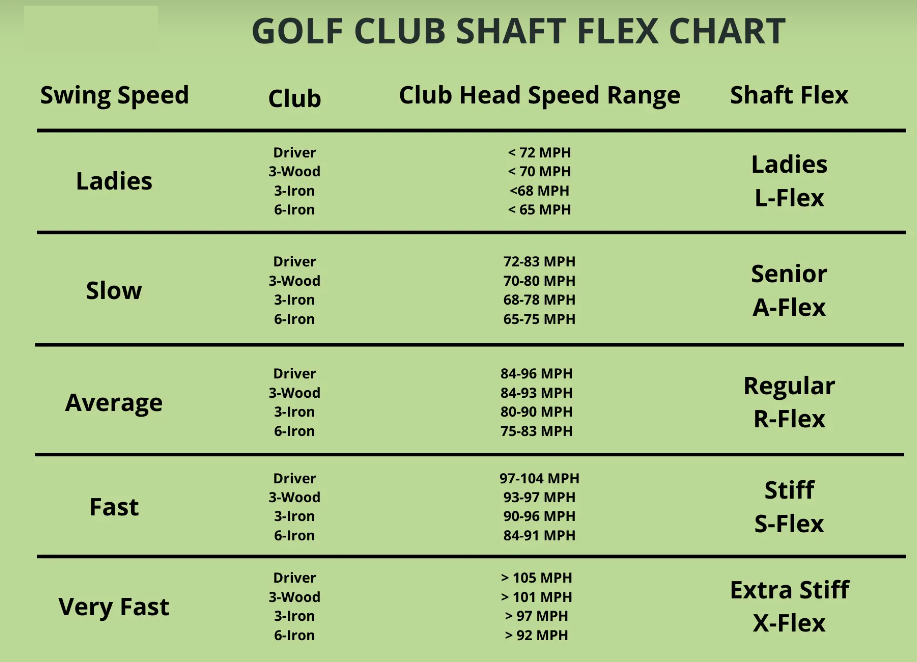
Image Source: www.pedagonet.com
What Is Golf Swing Speed?
Golf swing speed means how fast the head of your golf club is moving just before it hits the ball. People usually talk about the driver club when they say swing speed. This is because the driver is the longest club. It makes the ball go the farthest. A faster swing often means the ball goes farther. But speed is not the only thing that matters. Hitting the ball well on the clubface matters too.
Why Find Your Swing Speed?
Knowing your swing speed helps you in many ways.
- Choose the right clubs: Golf clubs have different stiffness levels called flex. A faster swing needs a stiffer shaft. A slower swing needs a more flexible shaft. Using the right shaft helps you hit the ball straighter and farther.
- Guess how far the ball will go: Swing speed is a big part of how far your ball flies. If you know your speed, you can get a better idea of how far your shots might travel.
- See if you are getting better: If you work on your swing, you might want to see if you are swinging faster. Measuring your speed over time shows you if your training is working.
- Understand your game: Swing speed is just one part of hitting a golf shot. But it is a very important part. Knowing it helps you see your strengths and weaknesses.
Golf Swing Speed Measurement Devices
There are several tools you can use to measure your golf swing speed. These tools use different ways to check how fast your club head moves. Some are simple and only give speed. Others are more complex and give lots of data.
Radar Speed Checkers
Radar devices are common for finding swing speed. They send out radio waves. These waves bounce off your club as it moves. The device listens for the waves coming back. The speed of the club changes the waves. This is called the Doppler effect. The device uses this change to figure out the speed.
- How they work: You place the radar unit near you as you swing. It points towards where the club will be at the bottom of your swing. It must be set up in the right spot to get a good reading.
- Good points: Radar units are often easy to use. Many are portable swing speed analyzer tools. You can take them to the driving range or even a field.
- Things to watch for: The setup needs to be exact. Other moving things nearby might affect the reading. Some may only measure club speed, not ball speed.
Using a Golf Launch Monitor
Launch monitors are more advanced tools. They use radar, cameras, or both. They measure many things about your shot. This includes club speed, ball speed, launch angle, spin rate, and more.
- How they work: You set the launch monitor up behind you or next to you. It watches the club and the ball right after you hit it. It collects data from both.
- Good points: Launch monitors give you a lot more information than just speed. This helps you understand your whole shot. They are often very accurate when set up right. They can be used indoors or outdoors.
- Things to watch for: Launch monitors usually cost more than simple speed radar units. Some need special balls or markers to work best indoors. Setting them up can be a bit more complex.
Portable Swing Speed Analyzer Options
Many devices are made to be easy to carry and use anywhere. These portable swing speed analyzer tools are great for practice.
- Some are small radar units.
- Some attach to your club or wrist. These might not be as accurate as radar or launch monitors for club head speed. They might measure swing tempo or hand speed more directly.
- Some are small launch monitors that fit in a bag.
When choosing a portable device, think about where you will use it. Will it be mostly outside? Inside? Do you need just speed, or more data?
How to Measure Golf Clubhead Speed
No matter which device you use, the goal is to find the speed of the club head. This is the part of the club that hits the ball. The speed is measured in miles per hour (mph) or kilometers per hour (kph). Most golfers in the US use mph.
Here are steps to measure golf clubhead speed with most devices:
- Pick your spot: Find a flat area. Make sure there is enough room to swing fully.
- Set up the device: Read the device’s instructions carefully. Place it in the correct spot relative to you and where you will hit the ball. The angle and distance matter a lot for golf swing speed monitor accuracy.
- Swing the club: Make your normal swing. Try to hit the ball squarely if you are using a ball. Some devices can measure a practice swing without a ball.
- Look at the reading: The device will show a number. This number is your swing speed.
- Do it again: Swing several times. Your speed might change slightly on each swing. Take a few readings to find your average speed.
Getting a good reading takes practice. Make sure the device is stable. Check that nothing is blocking the path between the device and your club.
Golf Swing Speed Monitor Accuracy
How accurate are these tools? The accuracy of golf swing speed measurement devices can be very good. But it depends on the type of device and how well it is set up.
- Radar accuracy: Good radar units are generally very accurate for speed. They use a proven technology (Doppler radar). However, they must be aimed correctly. They can sometimes pick up other movements nearby.
- Launch monitor accuracy: High-end launch monitors are known for being very accurate. They often use advanced radar and cameras. They measure many points of data. This helps them give reliable numbers. Less expensive models might have less accuracy, especially indoors without much space.
- Wearable device accuracy: Devices that attach to your body or club might be less accurate for true clubhead speed. They might measure hand speed or club path in a different way. They can be useful for consistency or tempo, but perhaps not the most exact speed number.
To get the best golf swing speed monitor accuracy:
- Follow the setup steps exactly.
- Use the device in the right conditions (like enough space indoors or stable ground outdoors).
- Make sure the batteries are charged.
- Check for any updates for the device’s software.
Remember, small changes in speed are normal swing to swing. Look at your average speed over several swings.
Average Golf Swing Speed Chart
What is a normal swing speed? This depends on who is swinging. Age, fitness, and how long someone has played golf all make a difference. Here is a general idea of average golf swing speed:
| Golfer Type | Average Driver Swing Speed (mph) |
|---|---|
| PGA Tour Player | 110 – 120+ |
| LPGA Tour Player | 90 – 100+ |
| Male Amateur (Low Handicap) | 95 – 105 |
| Male Amateur (Mid Handicap) | 85 – 95 |
| Male Amateur (High Handicap) | 75 – 85 |
| Female Amateur (Low Handicap) | 80 – 90 |
| Female Amateur (Mid Handicap) | 70 – 80 |
| Female Amateur (High Handicap) | 60 – 70 |
| Senior Male (70+) | 70 – 80 |
| Junior Player | Varies greatly |
This table shows rough averages. Your own speed might be higher or lower. It is helpful to compare your speed to these numbers. But focus more on improving your own speed safely.
The Relationship Between Swing Speed and Ball Speed
Swing speed is about how fast the club head moves. Ball speed is about how fast the golf ball leaves the club face. These two speeds are closely linked.
When the club hits the ball, energy transfers from the club to the ball. A faster club head can transfer more energy. This makes the ball go faster.
The link between them is sometimes called the “Smash Factor”.
- Smash Factor = Ball Speed / Club Speed
A perfect hit transfers energy very well. This gives a high Smash Factor. For a driver, a Smash Factor close to 1.50 is great. This means if your swing speed is 100 mph, your ball speed might be near 150 mph (100 * 1.5 = 150).
- If your swing speed is fast but your ball speed is low, your Smash Factor will be low. This means you are not hitting the ball well in the center of the club face. You are losing speed and distance.
- If your swing speed is average but your ball speed is high for that speed, your Smash Factor is good. You are hitting the sweet spot.
Measuring both swing speed and ball speed gives you a full picture. It tells you not just how fast you swing, but how well you hit the ball. Launch monitors are excellent for measuring both and calculating Smash Factor. Knowing the relationship between swing speed and ball speed helps you work on the right things. Do you need more speed? Or do you need to hit the center of the face more often?
Increase Golf Swing Speed Exercises
Want to swing faster? You can work on it. Getting faster takes time and effort. It involves getting stronger and moving your body better. Here are some ideas for increase golf swing speed exercises and training:
Get Stronger
More strength can lead to more speed. Focus on exercises that help your golf muscles.
- Leg strength: Your power comes from your legs and hips.
- Squats
- Lunges
- Deadlifts (with proper form or light weight)
- Core strength: Your core connects your upper and lower body. A strong core helps transfer power.
- Planks
- Russian twists
- Medicine ball throws
- Upper body strength: Strong back, shoulders, and arms help control the club.
- Rows
- Push-ups
- Shoulder presses
Always warm up before doing strength exercises. Use weights you can control. Think about talking to a fitness expert for golfers.
Improve Flexibility
Being flexible lets you make a bigger, faster turn in your swing.
- Stretching: Do stretches for your back, hips, shoulders, and hamstrings.
- Yoga: Yoga can help with flexibility and balance.
- Mobility drills: Work on moving your joints freely, especially your hips and shoulders.
Swing Faster Safely
Train your body to move faster with a club or training aid.
- Overspeed training: Use special training clubs that are lighter than your driver. Swing them as fast as you can safely. This trains your muscles and brain to move at higher speeds. Systems like SuperSpeed Golf use this idea. They often come with different weight clubs and a plan to follow.
- Heavy club swings: Sometimes swinging a heavier club can help build strength. But be careful not to hurt yourself. This is different from overspeed training.
- Practice swings: Make fast practice swings. Focus on moving your body quickly and smoothly.
- Swinging in the air: Some trainers say swinging a normal club hard through the air helps. The sound the club makes can give you feedback.
Work on Technique
Sometimes, changing how you swing can add speed without more effort.
- Better turn: Make a bigger turn with your shoulders and hips in the backswing.
- Using your lower body: Learn to start your downswing with your legs and hips. This creates a powerful chain reaction.
- Releasing the club: Let the club head pass your hands quickly at the bottom of the swing. This is often called ‘lag’ and ‘release’.
Getting faster takes time. Be patient. It is better to add speed safely over time than to try too hard and get hurt. Use your golf swing speed measurement devices to check your progress.
Golf Simulator Swing Speed Calculation
Many people play golf indoors using simulators. A golf simulator swing speed calculation uses the same ideas as outdoor measurements.
- How they work: Simulators use cameras, radar, or other sensors. These sensors track the club and ball data in an indoor space. They measure the club head speed as part of their data collection.
- Accuracy indoors: High-end golf simulators can be very accurate. They are set up in a controlled space. There are no outside winds or other things to mess up the readings. The sensors are placed in the right spots for that specific setup.
- What they measure: Like launch monitors, simulators usually measure club speed, ball speed, launch angle, spin, and direction. They then use this data to show you the ball flight on a screen.
If you use a golf simulator, trust the numbers it gives you for speed, especially if it is a good system. It is another way to check your speed and how well you hit the ball.
Frequently Asked Questions About Swing Speed
Here are answers to some common questions about golf swing speed.
Q: Is a faster swing speed always better?
A: A faster swing speed can help you hit the ball farther. But only if you hit the ball well on the club face. A fast swing with a poor hit (low Smash Factor) might not go as far as a slightly slower swing with a good hit. Accuracy also matters. A very fast swing that goes sideways doesn’t help your score.
Q: Can I increase my swing speed without working out?
A: It is hard to make big speed gains without some physical work. But sometimes improving your swing technique can add a few miles per hour without needing more strength. For example, using your body more effectively or improving your timing.
Q: How much distance does 1 mph of swing speed add?
A: This is a rough guess, but often 1 mph of swing speed adds about 2-3 yards of distance with a driver, assuming a good hit. So, adding 10 mph could add 20-30 yards! But this depends on many other things like how you hit the ball, launch angle, and spin.
Q: Do golf balls affect swing speed readings?
A: The ball itself doesn’t change your club head speed. Your club head speed is how fast the club moves. But the type of ball does affect ball speed and the relationship between club speed and ball speed (Smash Factor). Some balls compress more or spin differently. This affects how fast they leave the face and how far they fly.
Q: Where should I aim the radar or launch monitor?
A: Always check the device’s instructions. But usually, radar units are placed a few feet behind you, aimed towards the hitting area. Launch monitors might be placed behind you or to the side, depending on the model and what sensors it uses. Proper placement is key for good golf swing speed monitor accuracy.
Q: Are phone apps accurate for measuring swing speed?
A: Some phone apps claim to measure swing speed using the phone’s camera or sensors. These are often much less accurate than dedicated radar or launch monitor devices. They can sometimes give a general idea, but should not be relied on for precise numbers.
Q: How often should I measure my swing speed?
A: It depends on your goals. If you are working to increase speed, checking weekly or every couple of weeks can show progress. If you just want to know your number, checking once or twice is enough until something changes (like you get stronger or change your swing a lot).
Q: Does temperature affect swing speed?
A: Yes, temperature can affect golf performance. Cold air is thicker than warm air. This causes more drag on the ball and the club. Your swing speed might be slightly lower in very cold weather. The ball also doesn’t fly as far in cold air. Your muscles might also feel tighter in the cold.
Pulling It All Together
Knowing your golf swing speed is a great step for any golfer wanting to get better. It helps you pick the right clubs. It helps you understand how far you might hit the ball. It also helps you see if your practice is working.
You can measure your speed using several tools. Golf swing speed measurement devices include radar units and launch monitors. Radar is often simpler and more portable. Launch monitors give more data about your shot. Portable swing speed analyzer tools let you check your speed easily at the range or practice area.
Remember how to measure golf clubhead speed: Set up the device right, make your normal swing, and check the reading. Do this a few times to get an average. Golf swing speed monitor accuracy depends on the device quality and good setup.
Look at an average golf swing speed chart to see where you stand. But don’t worry too much about comparing yourself to others. Focus on your own game.
Grasp the relationship between swing speed and ball speed. This tells you if you are hitting the sweet spot. A good Smash Factor means you are using your speed well.
If you want to swing faster, try increase golf swing speed exercises. Work on strength and flexibility. Also, try overspeed training with light clubs. Improve your swing technique to use your body better.
Golf simulator swing speed calculation works the same way indoors. Simulators use sensors to track your club and ball. They give reliable speed data in a controlled space.
Use the information from measuring your swing speed to make smart choices about your clubs and your practice. A little bit of speed, used well, can make a big difference in your golf game. Keep practicing and have fun!