
Building a golf course is a big project. It takes careful planning, smart design, hard work, and money. This guide walks you through the main steps in this complex process, from picking the spot to getting the first players on the grass. You will learn about the different parts, like how they plan the course, the actual building work (the golf course construction process), and important systems such as watering and draining. We will also touch on how much it might cost (the cost to build a golf course) and how they deal with nature along the way.
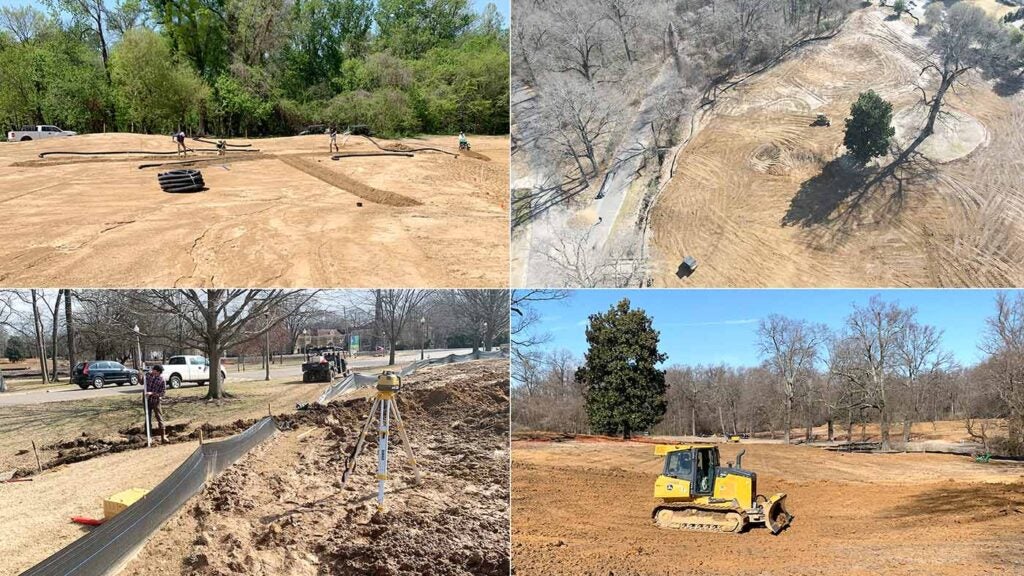
Image Source: golf.com
Finding the Right Place
Before anything else, you need a good spot for a golf course.
Picking the Land
Choosing land is key. You need enough space, usually 150 to 200 acres for a standard 18-hole course. The shape of the land matters too. Gently rolling land is often best as it needs less dirt moved. Land that is too flat can be hard to drain. Land that is too hilly can be tough to walk and play on.
Checking If It Makes Sense
Before buying or using the land, people do a deep check. This is part of the golf course development guide. They look at:
- If people will play there: Is it near enough people? Is there already a lot of competition?
- If it can make money: How much will it cost to build and run? How much can they charge players?
- If the land is good: What is the soil like? Is there enough water? Can it drain well?
- Rules and permits: Can you even build a golf course there? What rules does the local government have?
This early check helps decide if the project is a good idea or not.
Planning the Course
Once the land looks good, the real planning starts. This involves thinking about how the course will look and feel.
Getting the Design Ready
This is where a golf course architecture explained becomes important. A golf course architect is like the lead artist and engineer for the course. They draw up the plans for everything – where the holes go, the shape of the greens, the paths, and even where the trees and water hazards should be. They work to create a course that is fun to play but also fits the land.
Key Ideas for Course Design
Designing a golf course follows certain golf course design principles. These ideas help make a good course:
- Player enjoyment: The course should be fun for players of different skill levels.
- Fair challenge: It should test players’ skills but not be impossible.
- Flow: Moving from one hole to the next should be easy and make sense.
- Using the land: The design should use the natural shape of the land as much as possible. This saves money and makes the course look natural.
- Safety: Players should be safe from stray balls.
- Maintenance: The design should make it easy for the grounds crew to take care of the course.
The architect uses these ideas to draw a detailed plan for the entire course. This plan is the blueprint for building.
Getting Ready to Build
With the plan in hand, the team gets ready to start the physical work.
Getting Permissions
Before moving any dirt, the project needs approvals from different groups. This includes the local town, state environmental groups, and maybe even national groups. They check that the plan follows all laws, especially those about protecting nature (environmental considerations golf course). Getting these permits can take a long time.
Hiring the Right Crew
Building a golf course needs skilled workers. This is where golf course contractors come in. These companies specialize in golf course building. They have the big machines and the people needed to do the work. Choosing the right contractor is very important for the project to go well and stay on budget.
How They Build the Course
The golf course construction process is a step-by-step job that changes the land into a golf course. It is a big undertaking.
Clearing the Land
The first step is often clearing the land. This might mean taking out trees, rocks, or old buildings. They only remove what is necessary for the course layout.
Moving the Dirt
This is often the biggest and most costly part of building. Big machines like bulldozers and scrapers move earth to create the shapes of the course. They build up areas for tees and greens, dig out spots for bunkers and water hazards, and shape the fairways. This work follows the architect’s plan exactly.
Shaping the Features
Once the general shape is set, workers fine-tune the details. This includes:
- Tees: The starting points for each hole. They need to be flat and drain well.
- Fairways: The main grassy area between the tee and the green. They are shaped to guide play and shed water.
- Rough: The longer grass on the sides of the fairways.
- Bunkers: Sand traps dug into the ground. Their shape and depth are important for challenge and drainage.
- Hazards: Water features like ponds and streams. These are dug out and shaped.
Building Golf Greens
Building golf greens is a very detailed part of the process. Greens are the most important part of a golf course and need to be perfect surfaces for putting. They are built in layers:
- Drainage: A system of pipes is laid down first to make sure water moves away quickly. This is part of golf course drainage design.
- Gravel Layer: A layer of gravel goes on top of the drainage pipes.
- Root Zone Mix: A special mix of sand, soil, and organic matter goes on top of the gravel. This mix is carefully made to allow roots to grow well and water to drain through easily.
- Final Shaping: The surface is shaped very gently to create the slopes and contours the architect designed. These subtle slopes affect how putts roll.
The mix and layers are often called the “USGA method” after the United States Golf Association, which set standards for building high-quality greens.
Essential Systems: Drainage and Watering
Two hidden but vital parts of a golf course are how water is handled.
How Water Drains Away
Good golf course drainage design is needed for the course to be playable, especially after rain. Water sitting on the course kills the grass and makes it too wet to play. Drainage systems work in two main ways:
- Surface Drainage: Shaping the land so water flows off hills and slopes and into low areas or drains.
- Subsurface Drainage: Pipes buried under the ground (like under greens and fairways) collect water that soaks into the soil and carry it away.
Proper drainage protects the turf and the layers under the greens and fairways.
How the Course Gets Water
Golf course grass needs a lot of water to stay healthy and green, especially in dry times. Golf course irrigation systems are put in place to do this.
- Water Source: This could be wells, ponds, lakes, rivers, or even treated wastewater. Finding a reliable and allowed water source is crucial.
- Pump Station: This powerful system takes water from the source and sends it through pipes across the course.
- Piping: A network of pipes is buried to reach all parts of the course.
- Sprinklers: Sprinkler heads pop up from the ground to water specific areas. Modern systems use many sprinkler heads that can be controlled one by one from a computer. This saves water by only watering where and when needed.
The irrigation system is a complex network designed by experts to make sure every part of the course gets the right amount of water.
Building Paths and Other Parts
While the grass areas are being shaped, other parts of the course are built too.
Cart Paths
Many courses have paths for golf carts. These are usually made of gravel, asphalt, or concrete. They need to be laid out so they are easy to use and don’t get in the way of play.
Practice Areas
Most courses include a driving range, putting green, and maybe a chipping area. These areas also need shaping, drainage, and irrigation.
Other Buildings
Besides the course itself, a golf facility needs buildings:
- Clubhouse: This is the main building with check-in, a pro shop, restaurants, and locker rooms.
- Maintenance Building: A place to store equipment like mowers and tools, and where the grounds crew works.
- Cart Storage: A garage for the golf carts.
These buildings need their own construction process separate from the course itself.
Making the Course Green
Once all the shaping and systems are done, it is time for the grass.
Planting the Grass
Putting grass on the course can be done in a few ways:
- Seeding: Spreading grass seeds over the soil. This is often cheaper but takes longer to grow.
- Sodding: Laying down rolls of grass like carpet. This costs more but gives an instant green surface, especially for greens and tees.
- Sprigging/Stolonizing: Spreading pieces of grass plants that will grow roots and spread. This is common for certain types of grass used on greens.
Different types of grass are used for different parts of the course (greens, tees, fairways, rough). The choice depends on the climate, how the course will be used, and how much care it will get.
The “Grow-In” Time
After planting, the grass needs time to grow and become strong enough to play on. This period is called the “grow-in” and can take several months, sometimes even a year or more. During this time, the grounds crew waters, fertilizes, and mows the grass carefully to help it get established. The drainage and irrigation systems are tested and adjusted during this time.
Taking Care of Nature
Building a golf course affects the environment around it. Environmental considerations golf course are a major part of the planning and building process today.
Protecting Water
Keeping nearby rivers, lakes, and groundwater clean is vital. Plans include:
- Building areas that collect runoff water before it reaches natural water bodies.
- Using plants along water edges to filter water naturally.
- Careful use of fertilizers and pesticides.
Helping Wildlife
Designers try to create or protect areas on the course where animals and birds can live. This might mean keeping some natural wooded areas, building birdhouses, or creating ponds that are good for frogs and other creatures.
Using Resources Wisely
Modern courses look for ways to use less water and energy. This includes:
- Using efficient irrigation systems.
- Choosing grass types that need less water.
- Using solar power for some buildings or pumps.
- Composting grass clippings and other natural waste.
Dealing with environmental issues adds steps and costs but is an important part of building a new course responsibly.
How Much It Costs
The cost to build a golf course can be very different depending on many things. There is no single price. It can range from a few million dollars to tens of millions or even more.
What Affects the Cost
Many factors drive the price:
- Land Cost: This is often the biggest part, and prices vary greatly by location.
- Amount of Dirt Moving: If the land needs a lot of shaping, it costs more. Hilly land or flat land needing shaping for drainage costs more than gently rolling land.
- Length of the Course: A longer course generally needs more land and more work.
- Design Complexity: Courses with many tricky bunkers, detailed green shapes, or lots of water features cost more to build.
- Quality of Construction: Building high-end greens and fairways costs more than building simpler ones.
- Irrigation and Drainage Systems: High-tech, computer-controlled systems cost much more than basic ones.
- Buildings: The size and quality of the clubhouse and other buildings add significantly to the cost.
- Permitting Costs: Getting all the necessary approvals can be expensive and time-consuming.
- Grow-In Time: Paying for water, labor, and materials to care for the grass before the course opens adds to the cost.
- Location: Costs for labor, materials, and equipment vary by region.
A Simple Look at Costs
Here is a general idea of how costs break down, but remember this changes a lot:
| Cost Item | General Share of Total Cost | Notes |
|---|---|---|
| Land Purchase | Often 20-50%+ | Varies hugely by location. |
| Design Fees (Architect) | 5-10% | Depends on architect’s fame and project. |
| Earthwork/Shaping | 10-20% | Depends on how much dirt is moved. |
| Drainage Systems | 3-7% | More needed on wet or flat land. |
| Irrigation System | 7-15% | High-tech systems cost more. |
| Greens Construction | 5-10% | Detailed work, special materials. |
| Bunkers, Tees, Fairways | 5-10% | Shaping and preparation. |
| Cart Paths | 2-5% | Material choice matters. |
| Buildings (Clubhouse etc.) | 10-25% | Size and luxury level impact this. |
| Grow-In & Landscaping | 5-10% | Time and care for new grass. |
| Permits & Testing | 1-3% | Can add up. |
| Total | 100% | Can range from $5M to $30M+ easily. |
This table is just a rough guide. A very basic, low-budget course might cost less, while a top championship course can cost much, much more.
Getting Ready to Open
After the grow-in, the course is almost ready.
Final Touches
Workers finish planting trees and other plants, put up signs, and set up course furniture like benches and trash cans. The maintenance crew starts their regular work to get the course in top shape for players.
Testing the Course
Sometimes, experienced players or the architect will play the course before it opens to give feedback. They check how the holes play and if anything needs a small change.
Opening Day
Finally, the course opens to the public or members. The building is complete, and the golf begins!
What Comes After Building
Building is a huge step, but taking care of the course is a forever job. The grounds crew works every day to mow, water, fertilize, fix damage, and keep the course in great playing condition. This ongoing care is just as important as the building process.
Frequently Asked Questions
How long does it take to build a golf course?
Building a golf course usually takes about 1 to 2 years from when construction starts to when it opens. This does not include the planning, design, and permit time, which can add another 1 to 3 years or even more. So, the whole process from start to finish can take anywhere from 2 to 5 years or longer.
Can I build a small golf course myself?
Building even a small golf course like a par-3 course or executive course still requires permits, earth moving, drainage, and irrigation. While a very skilled person with heavy equipment experience might do some of the physical work, you would still likely need help from designers, engineers, and environmental experts. Building a full-size course is too complex and requires too much specialized knowledge and equipment for one person.
What kind of team do you need to build a golf course?
A team usually includes:
- The Owner/Developer: The person or group paying for the project.
- Golf Course Architect: Designs the course layout and features.
- Engineers: Work on things like drainage, irrigation, and structures.
- Environmental Consultants: Make sure the project follows environmental rules.
- Golf Course Contractors: The company that does the physical building work.
- Superintendent: The expert who will take care of the course grass and grounds, often involved during construction for grow-in.
- Project Manager: Oversees all the different parts and people.
Is building a golf course bad for the environment?
In the past, some courses did cause environmental problems. But today, environmental considerations golf course are a key part of the process. Modern courses are designed to protect water, save energy, provide homes for wildlife, and use fewer chemicals. Rules and permits help make sure this happens. A well-planned and built course can even improve the local environment in some ways.
What is the hardest part of building a golf course?
Many parts are hard! Getting all the permits can be tough. Moving huge amounts of dirt correctly takes great skill. Installing complex drainage and irrigation systems is difficult. Getting the greens built perfectly is very detailed work. And managing the budget and timeline for such a big project is always a challenge. Maybe the hardest part is doing all of these things well at the same time.
To Finish Up
Building a golf course is a massive project that takes time, money, and many experts working together. From the first idea and picking the land to the detailed golf course design principles and the physical golf course construction process, every step is important. Thinking about the environmental considerations golf course, planning the golf course irrigation systems and golf course drainage design, and hiring skilled golf course contractors are all key parts. While the cost to build a golf course is high, a well-built course can provide a great place for people to play golf and enjoy nature for many years.