
Do you love golf? Do you like to help others learn? Becoming a golf teaching professional might be your dream job. A golf teaching professional helps people learn and get better at golf. This job lets you share your love for the game. You guide players from all skill levels. You can work with new players or seasoned pros. This guide will show you the steps. You will learn what it takes. You will see how to build a rewarding career.
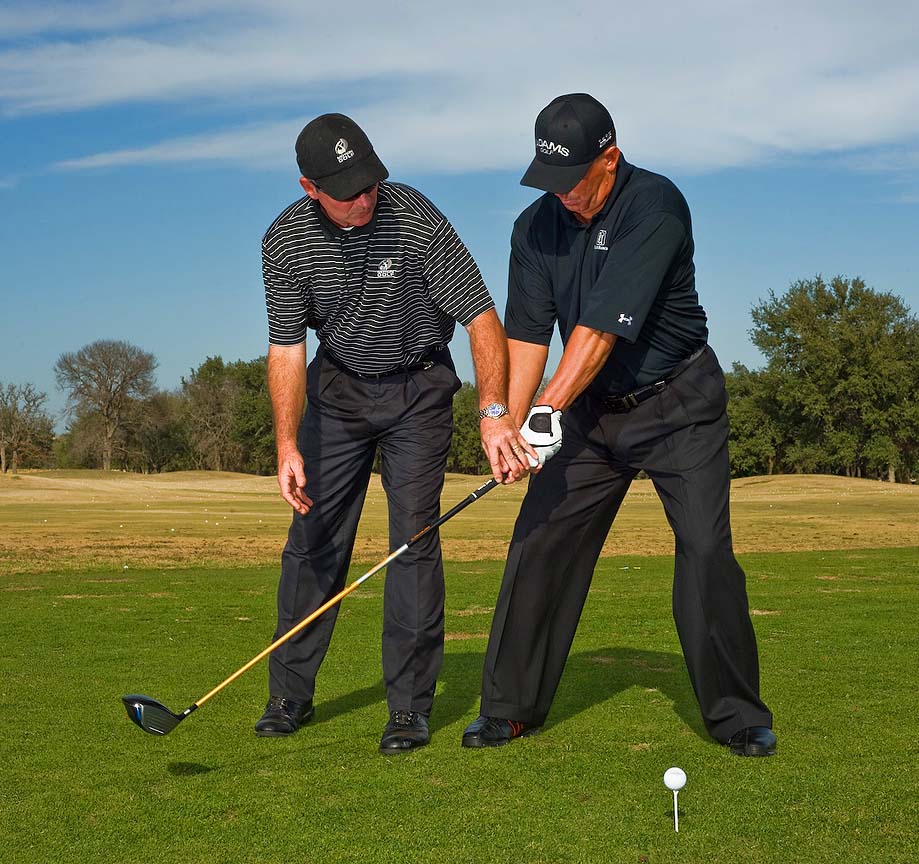
Image Source: www.pgtaa.com
Grasping the Role of a Golf Teaching Professional
What is a golf teaching professional? A golf teaching professional is an expert. They teach people how to play golf or improve their game. They show proper swing mechanics. They explain game strategies. They help with mental focus. They also teach golf rules and manners. This role is more than just hitting balls. It is about coaching and guiding people. It is about helping them reach their golf goals.
Many people enjoy playing golf. But many want to get better. This is where golf teaching professionals come in. They break down complex skills. They make learning easy. They help people feel good about their game. This job combines a love for golf with a passion for teaching. It means you work with many different kinds of people. You might teach kids, adults, or even other pros. Each lesson is different. Each day brings new challenges. You get to see your students get better. This can be very rewarding.
Why This Career Path Beckons
Why would someone want to be a golf teaching professional? Many reasons exist. First, it combines a hobby with work. If you love golf, this job lets you be around it every day. You spend time on the course. You help others enjoy the game more. Second, you make a real difference. You help people get better. You boost their confidence. You help them reach their goals. This can be very satisfying.
Third, the work schedule can be flexible. You might set your own hours. You might work at a busy golf course. Or you might teach at a small club. There is also a chance to meet many interesting people. You might teach business leaders. You might teach young kids. Every student brings a new story. This job keeps things fresh and exciting. It is not just a job. For many, it is a passion. It is a way to share the joy of golf.
Crucial Abilities for a Golf Instructor
To be a good golf instructor, you need certain skills. These are not just about playing golf well. They are about teaching well. You need to be patient. You need to be a good communicator. You need to understand how people learn. Here are some key golf instructor skills needed:
- Excellent Golf Knowledge: You must know the game inside and out. This includes swing mechanics, rules, and course management. You should also understand golf equipment.
- Strong Communication Skills: You need to explain things clearly. Students learn in different ways. You must adapt your words. You need to listen to your students too.
- Patience: Learning golf takes time. Students will make mistakes. You must stay calm and encouraging.
- Observation Skills: You need to watch a student’s swing. You must spot small errors. Then you need to figure out the best way to fix them.
- Problem-Solving: Every student is unique. Their swing flaws are different. You need to find custom solutions for each person.
- Interpersonal Skills: You must build good relationships. Students need to trust you. You need to be friendly and approachable.
- Physical Fitness: You will spend a lot of time on your feet. You will demonstrate swings. Being fit helps you do your job well.
- Business Acumen: If you work for yourself, you need business skills. This includes marketing, scheduling, and money management.
- Adaptability: You must adjust your teaching. What works for one student might not work for another. You need many teaching methods.
These skills help you teach effectively. They make your students feel comfortable. They help students learn faster. They are the core of a successful teaching career.
The Certification Road: Main Programs
To become a recognized golf teaching professional, you need certification. This proves you have the skills. It shows you have met high standards. The two main certifications in the United States are from the PGA and the LPGA. These are top-tier golf instructor training programs.
The PGA Professional Certification Path
PGA professional certification is the most common path for men and co-ed instructors. The PGA of America is a large golf organization. It offers a very respected certification program. This program is called the PGA Professional Golf Management (PGM) Program. It is often referred to as the PGA apprenticeship program.
The PGA PGM Program is a deep dive into the golf industry. It is not just about teaching. It covers all parts of being a golf professional. This includes golf operations, merchandising, club repair, and business management.
Here are the general steps to earn your PGA certification:
- Meet Basic Requirements:
- Be at least 18 years old.
- Have a high school diploma or equivalent.
- Be a U.S. citizen or legal resident.
- Pass a Playing Ability Test (PAT). This means you must show you can play golf very well. You need to shoot a specific score over 36 holes. This score depends on the course rating.
- Become an Associate: Once you meet the basic requirements and pass the PAT, you can apply to become a PGA Associate. This is the start of your journey.
- Complete the PGA PGM Program: This program has three levels. Each level involves:
- Coursework: You learn about golf course operations, teaching methods, business, and more. This can be done online or through a PGA-accredited university program.
- Work Experience: You must complete many hours of work experience. This happens under the guidance of a PGA Professional. You work at a golf facility. This is the “apprenticeship” part. You learn on the job.
- Seminars: You attend in-person training sessions. These help you learn practical skills.
- Evaluations: You must pass tests at each level. You also get evaluated on your work.
- Player Development Experience: You must log hours teaching golf. You apply what you learn in the classroom.
- Final Steps: After completing all three levels, passing all tests, and meeting all experience requirements, you can apply for PGA Membership. This makes you a PGA professional.
The PGA PGM program takes time. It usually takes 3 to 6 years to complete. It is very thorough. It prepares you for many roles in the golf industry. This includes teaching.
LPGA Teaching Professional Requirements
For women golfers, the LPGA teaching professional requirements offer a great path. The Ladies Professional Golf Association (LPGA) also has a highly respected teaching division. The LPGA Teaching & Club Professional (T&CP) membership is for women who want to teach golf.
Here are the general steps for LPGA T&CP certification:
- Meet Basic Requirements:
- Be at least 18 years old.
- Have a high school diploma or equivalent.
- Be a U.S. citizen or legal resident.
- Pass a Playing Ability Test (PAT). Like the PGA, you must show a good playing ability.
- Join as an Apprentice: You become an LPGA Apprentice. This allows you to start the program.
- Complete the Certification Program: The LPGA T&CP program has two tracks:
- Apprentice Program: This track involves self-study, in-person seminars, and supervised teaching hours. It focuses on golf instruction, sports science, and business.
- College Graduate Program: If you have a degree in golf management or a related field, you might fast-track.
- Final Steps: After finishing coursework, passing exams, and completing teaching requirements, you become an LPGA Class A Member. This makes you an LPGA teaching professional.
The LPGA program also takes a few years. It is designed to create skilled women golf instructors. It focuses on teaching techniques and player development.
Other Golf Instructor Training Programs
While PGA and LPGA are top choices, other golf instructor training programs exist. These can be good for specific needs or as a starting point. Some focus purely on teaching, not the broader golf industry.
- USGTF (United States Golf Teachers Federation): This is a popular program. It focuses only on teaching golf. It offers different certification levels. It is often faster and less expensive than PGA/LPGA programs. It is good if you only want to teach, not manage a pro shop.
- GolfTec or GOLFZON LEADBETTER ACADEMY: These are golf technology teaching franchises. They train their instructors. You might get certified through them. They use specific high-tech tools.
- Specialized Certifications: Some organizations offer specific training. This could be for junior golf, mental game coaching, or fitness. Examples include:
- TPI (Titleist Performance Institute): Focuses on how the body moves in a golf swing.
- US Kids Golf: Certifies instructors to teach junior golfers.
- Positive Coaching Alliance: Offers general coaching principles.
These programs can enhance your skills. They can help you specialize. They are often taken after or alongside a main PGA/LPGA certification. They add more tools to your teaching belt.
Crafting Your Teaching Style: Golf Lesson Teaching Techniques
Being certified is important. But knowing how to teach is key. Effective golf lesson teaching techniques make you a great instructor. You need to make lessons fun and helpful.
Here are some good teaching methods:
- Start Simple: Don’t overload students with too much info. Focus on one or two key points per lesson. Build up slowly.
- Visual Aids: Use video analysis. Show students their swing. Compare it to a pro’s swing. Use teaching aids like alignment sticks.
- Feel vs. Real: Help students feel the correct movements. Often, what a swing looks like is different from what it feels like. Use drills that create the right feeling.
- Repetition with Purpose: Practice is important. But mindless practice is not helpful. Give students specific tasks for practice.
- Positive Reinforcement: Praise progress, no matter how small. Encourage your students. Make them feel good about trying.
- Adapt to the Student: Not everyone learns the same way. Some like to see. Some like to hear. Some like to do. Change your teaching to fit the student.
- Set Clear Goals: Talk with your student. What do they want to achieve? Work towards those goals together.
- Track Progress: Keep notes on each student. What did you work on? What improved? What needs more work? This helps you tailor future lessons.
- On-Course Lessons: Take students to the golf course. Teach them about course management. Show them how to play different shots. This helps them transfer range skills to the course.
- Use Technology: Launch monitors (like TrackMan, Foresight) give data. This data helps you see swing issues. It helps students understand their golf shots.
Good teaching is an art. It takes practice. It takes caring about your students’ success. Your methods should make golf fun and easy to learn.
The Golf Coach Career Path
Becoming a golf teaching professional opens many doors. The golf coach career path is not just one job. It has many different roles. You can choose what fits you best.
Here are common career paths:
- Staff Professional/Teaching Professional at a Golf Course: This is a common role. You work at a private club, public course, or resort. You give lessons to members and guests. You might also help with junior programs. You might also work in the pro shop.
- Golf Academy Instructor: Many big golf academies exist. They hire full-time instructors. These places focus only on teaching. They often have high-tech tools. You might teach many students each day.
- Independent Golf Instructor: You can start your own business. You set your own rates. You manage your own schedule. You might rent space at a driving range. Or you might travel to clients. This path needs strong business skills.
- Junior Golf Instructor: You specialize in teaching kids. This is a very rewarding area. You help young players fall in love with the game. This often involves group lessons and camps. (More on this later).
- College Golf Coach: If you enjoy working with talented athletes, you could coach a college team. This involves teaching, recruiting, and travel. It is a very competitive field.
- High School Golf Coach: You can coach a high school team. This is often part-time. It can be a good way to share your knowledge with young players.
- Online Golf Coach: With technology, you can teach online. Students send you videos of their swing. You give feedback through video calls or analysis software. This lets you teach people anywhere in the world.
- Golf Consultant/Clinician: You might travel to give clinics or workshops. You share your expertise with larger groups.
Your career path can grow over time. You might start at a golf course. Then you might open your own academy. Or you might become a top junior golf coach. The key is to keep learning. Build your reputation. And always strive to be better.
Specializing: Junior Golf Instructor Jobs
A special and important niche is teaching junior golfers. Junior golf instructor jobs are in high demand. Golf is growing among young people. Many parents want their kids to learn.
Teaching kids is different from teaching adults. Kids need fun. They need games. They need simple instructions. A good junior golf instructor focuses on:
- Making it Fun: Kids learn best when they are having fun. Use games and challenges.
- Safety First: Always make sure the environment is safe for kids.
- Simple Concepts: Break down golf ideas into very small, easy steps.
- Patience and Energy: Kids have lots of energy. You need to match it. You need to be very patient.
- Life Skills: Golf teaches great life lessons. You can teach honesty, respect, and patience through golf.
- Age-Appropriate Equipment: Use lighter clubs and softer balls for young kids. This helps them swing properly.
- Group Lessons: Junior golf often involves group classes or camps. You manage many kids at once.
Many golf facilities have junior programs. Organizations like US Kids Golf offer specific training for junior instructors. If you love working with kids, this is a great area to focus on. It helps grow the game for the next generation.
Finding Work: Golf Academy Employment and Beyond
Once you are certified, where do you find a job? Many options exist. Golf academy employment is a popular choice. Golf academies are places built just for teaching. They often have indoor facilities. They use advanced technology. They focus on giving many lessons.
- How to find golf academy jobs:
- Online Job Boards: Check websites like PGA.org, LPGA.com, Indeed, Golf Course Superintendents Association of America (GCSAA).
- Networking: Talk to other golf professionals. Attend golf industry events. Your connections can lead to jobs.
- Direct Approach: Contact golf academies or courses in your area. Ask if they are hiring. Send your resume.
- Internships/Apprenticeships: Many programs require these. These often lead to full-time jobs.
Other places to find work include:
- Private Golf Clubs: These clubs have members who want lessons. They might have a Director of Instruction role.
- Public Golf Courses: These are open to everyone. They need instructors for casual golfers.
- Resorts: Golf resorts offer lessons to vacationers.
- Driving Ranges: Some ranges hire instructors for lessons.
- Community Centers/Parks & Rec: These often run beginner golf programs.
- Your Own Business: As mentioned, you can set up your own teaching service. This might mean renting space or using public facilities.
When looking for jobs, highlight your certifications. Talk about your teaching style. Show your passion for helping others. Your resume should list your experience. It should also show your golf playing ability.
What About Pay? Golf Teaching Professional Salary
Many people wonder: What is a golf teaching professional salary? The pay can vary a lot. It depends on many things. These include your experience, where you work, and how many lessons you give.
Here are factors that affect salary:
- Experience Level: New instructors earn less. Experienced instructors with a good reputation earn more.
- Location: Salaries are often higher in big cities or wealthy areas. Golf is more popular and lessons cost more there.
- Type of Facility:
- Private Clubs: Often offer a base salary plus a percentage of lesson fees. They might also have benefits.
- Public Courses/Driving Ranges: Might be hourly pay or a percentage of lesson fees.
- Golf Academies: Can be salaried or commission-based.
- Independent Instructors: Your income depends entirely on how many lessons you sell. You keep all the fees (minus your expenses).
- Number of Lessons: The more lessons you teach, the more you earn.
- Specialization: Instructors who specialize (e.g., junior golf, short game, putting) might charge more.
- Reputation: Highly sought-after instructors can charge premium rates.
- Benefits: Some jobs offer health insurance, retirement plans, or equipment allowances. This adds to the total value of your pay.
Average Salary Ranges (Estimates):
- Entry-Level (0-2 years experience):
- Typically $30,000 – $50,000 per year. This might be a mix of salary and lesson income.
- Mid-Career (3-9 years experience):
- Often $50,000 – $80,000 per year. This can include a higher percentage of lesson fees.
- Experienced/Senior (10+ years experience, Director of Instruction, highly sought-after):
- Can range from $80,000 to over $150,000 per year. Top pros at high-end clubs or with their own successful academies can earn even more.
Important Note: Many instructors earn a large part of their income from lesson fees. For example, a club might pay you a small salary, but you keep 60-80% of what you charge for lessons. So, how hard you market yourself and how many students you attract directly impacts your income.
Building a strong student base takes time. Marketing your services is important. Giving great lessons makes students come back. Happy students also tell their friends. This helps your income grow.
Beyond Certification: Always Keep Learning
Getting certified is just the start. The golf world changes. New teaching tools come out. New ideas about the swing appear. A great golf teaching professional never stops learning.
- Attend Workshops and Seminars: Go to events from the PGA, LPGA, or other teaching groups. Learn new golf lesson teaching techniques.
- Read Books and Articles: Stay updated on golf instruction.
- Watch Top Instructors: Learn from how other great teachers explain things.
- Continue Your Own Game: Keep playing golf. This helps you understand the game better. It helps you relate to your students.
- Learn New Technology: Understand how to use launch monitors, golf simulators, and video analysis software. These are valuable tools.
- Get Specialized Certifications: Look into TPI, US Kids Golf, or other niche programs. This adds to your expertise.
- Network with Peers: Talk to other instructors. Share ideas. Learn from their successes and challenges.
- Ask for Feedback: Ask your students how you are doing. What can you do better? Their input is valuable.
Lifelong learning helps you stay sharp. It helps you offer the best to your students. It helps your career grow.
Challenges and Great Rewards
Being a golf teaching professional has its good points and its tough points.
Challenges:
- Long Hours: Especially during peak golf season (spring, summer). You might work early mornings, evenings, and weekends.
- Weather Dependent: If you teach outdoors, rain or bad weather can cancel lessons.
- Income Fluctuation: As an independent instructor, your income might not be steady. It depends on demand.
- Managing Different People: Every student is different. Some are easy to teach, some are not.
- Physical Demands: Being on your feet all day, demonstrating swings, and carrying equipment.
Rewards:
- Passion into Profession: You turn your love for golf into a job.
- Helping Others: Seeing a student hit a great shot or reach a goal is very satisfying.
- Flexible Schedule: Often, you have some control over your hours.
- Outdoor Work: You spend time outside on the golf course.
- Meeting New People: You interact with many different people from all walks of life.
- Constant Learning: The job keeps you engaged. You always learn new things about golf and teaching.
- Making a Difference: You help people enjoy the game more. You might help them play with family or friends. You might help them play better in tournaments.
The rewards often outweigh the challenges. It is a career built on passion. It is a job where you get to help people.
Frequently Asked Questions (FAQ)
Q: Do I need to be a great golfer to be a golf teaching professional?
A: Yes, you need to be a very good golfer. Most certification programs like the PGA and LPGA require you to pass a Playing Ability Test (PAT). This shows you can play at a high level. While you don’t have to be a tour pro, you need to show strong skills.
Q: How long does it take to become a certified golf instructor?
A: It depends on the program. The PGA PGM Program usually takes 3-6 years. The LPGA program can also take a few years. Other specialized programs might be shorter, from weeks to months.
Q: Can I teach golf without PGA or LPGA certification?
A: Yes, it is possible. You can get certifications from other bodies like the USGTF. You can also start teaching informally. However, PGA or LPGA certification is highly respected. It opens more doors. It shows a higher level of training and professionalism. Many top golf courses or academies require it.
Q: What is the difference between a golf professional and a golf instructor?
A: A “golf professional” is usually a broad term. It often means someone who works in the golf industry. This includes managing a course, selling equipment, or teaching. A “golf instructor” or “teaching professional” focuses mainly on giving lessons. A PGA or LPGA professional often has duties beyond just teaching.
Q: What tools do golf instructors use in lessons?
A: Many tools are used. These include video cameras for swing analysis. They use launch monitors (like TrackMan, Foresight) to get data on ball flight and swing speed. They also use basic training aids like alignment sticks and tempo trainers. Some instructors use golf simulators for indoor lessons.
Q: Is there a demand for golf teaching professionals?
A: Yes, the demand is steady. Golf continues to be popular. More people want to learn or improve. Junior golf programs are growing. People always seek good instructors to help them play better.
Q: Can I specialize in teaching a certain group, like seniors or beginners?
A: Absolutely! Many instructors choose a niche. You can focus on beginners, junior golfers, seniors, or even advanced players. Specializing can help you become an expert in that area. It can attract more students interested in that specific type of coaching.
Conclusion
Becoming a golf teaching professional is a rewarding journey. It combines your love for golf with a passion for helping others. You will guide students to improve. You will share your knowledge. You will help them find joy in the game.
The path needs dedication. It involves formal training, like PGA professional certification or meeting LPGA teaching professional requirements. You will learn many golf lesson teaching techniques. You will build crucial golf instructor skills needed. You will explore various options in the golf coach career path, from junior golf instructor jobs to golf academy employment.
The golf teaching professional salary can vary. But the personal rewards are great. You see your students succeed. You are part of their golf journey. If you are ready to turn your passion into a profession, this is a path worth taking. Start your journey today. Help others love golf as much as you do.