
Do you dream of helping others play better golf? Do you want to share your love for the game every day? Becoming a golf teaching pro can be a very rewarding career. To become a certified golf coach, you usually need formal training and certifications, often through a golf association. PGA professional certification requirements are strict and involve a long program with tests and work experience. You can also start a golf lesson business, either on your own or at a golf facility, after gaining the right skills and credentials.
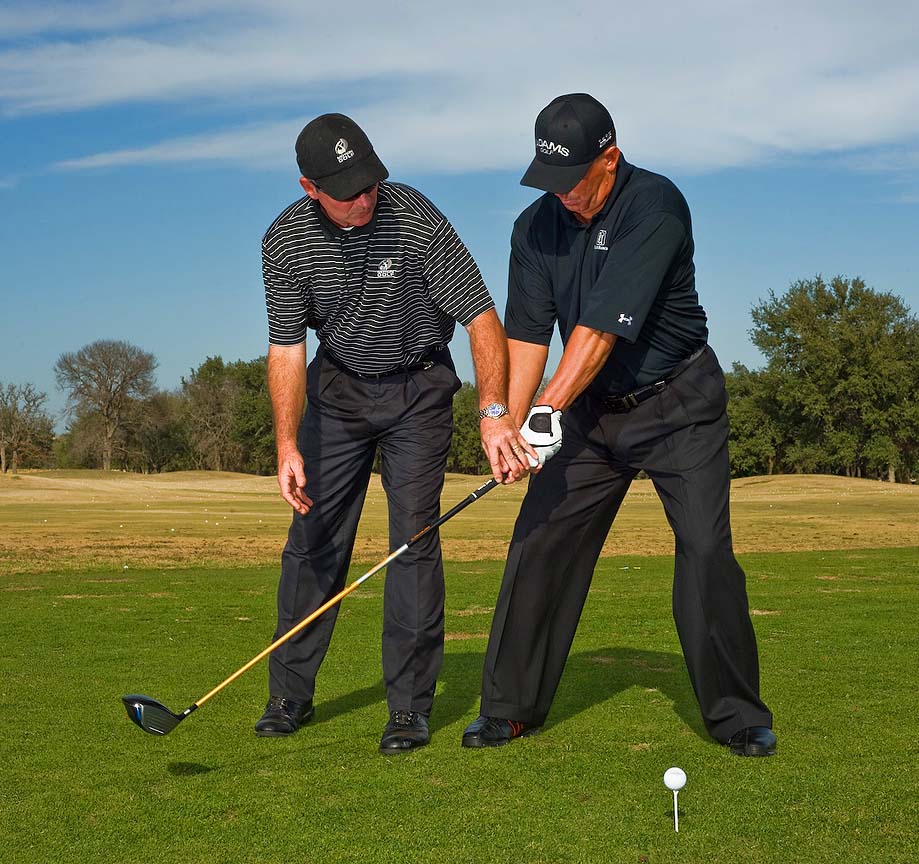
Image Source: www.pgtaa.com
Grasping the Role of a Golf Teaching Professional
A golf teaching pro does more than just hit golf balls. They are guides, mentors, and experts in how the body moves in a golf swing. They help people of all ages and skill levels improve their game. This job is about teaching, fixing swings, and making golf fun for everyone. It needs a love for the game, good teaching skills, and a strong will to help others.
What Makes a Great Golf Coach?
It takes more than just playing golf well to be a great coach. Here are some key traits:
- Love for Golf: You must truly enjoy the game and want to share that joy.
- Excellent Communication: You need to explain complex ideas simply. You must talk clearly and listen well.
- Patience: Not everyone learns at the same speed. You must be calm and ready to repeat things.
- Sharp Observation: You need to see small swing faults quickly.
- Problem-Solving Skills: You must find the best way to help each student fix their unique problems.
- Positive Attitude: A good coach makes lessons fun and keeps students hopeful.
- Strong Work Ethic: Teaching golf often means long hours, especially on weekends.
Charting Your Path: Steps to Become a Golf Teaching Professional
The journey to becoming a golf teaching pro takes time and effort. It involves learning, practicing, and getting certified. Here are the main steps.
Step 1: Improve Your Own Golf Game
While you don’t need to be a tour pro, you must play golf well. This shows you know the game inside and out. It also builds trust with your students. Aim for a low handicap, ideally a single digit. Practice regularly. Play often. Your own skill will be a big part of your teaching.
Step 2: Begin Your Formal Education and Certification
This is where you get the knowledge and papers you need. There are several paths you can take. The most common and respected one is through the PGA of America or LPGA.
PGA Professional Certification Requirements
The PGA of America’s Professional Golf Management (PGM) program is the main way to become a PGA Member. This is the top certification for golf professionals in the United States. It is a long process, but it is worth it.
Steps to become a PGA apprentice:
- Meet the Basics:
- Be a high school graduate or have an equivalent degree.
- Be at least 18 years old.
- Be able to work legally in the U.S.
- Have a good record; no major legal issues.
- Pass the Player Ability Test (PAT):
- You must play 36 holes in one day. Your score must be within a certain number of shots over the course rating. For example, if the course rating is 72, you might need to shoot 154 or better (72+72+10=154). This number changes slightly. This test shows you can play at a high level.
- Complete the Qualifying Level:
- Register as an Associate (apprentice).
- Take the “Introduction to the PGA PGM Program” course online.
- Pass the Qualifying Test. This test checks your basic golf knowledge and rules.
- Enter the PGA PGM Program (Levels 1, 2, 3):
- This program combines work experience, online courses, and seminars.
- Work Experience: You must work for a PGA Member. This usually means working at a golf course. You will log your hours and tasks.
- Coursework: You will study many topics, such as golf instruction, business, marketing, and golf course operations.
- Seminars: You will attend in-person training sessions.
- Tests: You must pass tests for each level.
- The entire program often takes 3 to 6 years to finish.
Once you complete all levels and meet all requirements, you become a PGA Member. This lets you use the “PGA Professional” title.
LPGA Teaching Professional Qualifications
For women, the LPGA offers a respected path to becoming a golf teaching professional. The LPGA Teaching & Club Professional (T&CP) membership is similar to the PGA program.
LPGA Teaching Professional Qualifications involve:
- Playing Ability Test (PAT): Like the PGA, you must pass a playing test.
- Work Experience: You need experience working in the golf industry.
- Education Program: The LPGA offers an education program that covers teaching methods, golf swings, business, and more. This includes online learning and seminars.
- Membership Levels: There are different levels, like Apprentice, Class B, and Class A. Most teaching pros aim for Class A.
Becoming an LPGA T&CP Member gives you a strong professional standing.
Other Golf Instructor Training Programs and Best Golf Instructor Certifications
While PGA and LPGA are top choices, other golf instructor training programs offer certifications. These can be good starting points or ways to add more skills.
- United States Golf Teachers Federation (USGTF): This is one of the oldest and largest golf teaching groups. Their certification focuses purely on teaching golf. It often takes a shorter time to complete.
- Golf Channel Academy (GCA): Some coaches get certified through GCA. They offer specific training methods and a network of instructors.
- Titleist Performance Institute (TPI): TPI focuses on how the body moves in the golf swing. Their certifications (Levels 1, 2, 3) are great for golf pros who want to help students with fitness and body limits. Many PGA and LPGA pros also get TPI certified.
- Stack & Tilt Network: This certification focuses on a specific golf swing method.
- Gravity Golf: Another program with a specific teaching method.
- Biomechanics/Sports Science Certifications: Some pros get extra training in biomechanics or sports science to deepen their knowledge of body movement.
Table: Comparing Major Golf Instructor Certifications
| Certification Body | Focus | Key Requirements | Time to Certify | Recognition |
|---|---|---|---|---|
| PGA of America | Full Golf Professional (Teaching, Business, Ops) | PAT, Work Experience, 3 Levels of Education, Tests | 3-6 years | Highest (U.S.) |
| LPGA T&CP | Teaching & Club Professional (primarily women) | PAT, Work Experience, Education Program | 2-5 years | High (women) |
| USGTF | Pure Golf Teaching | Playing Ability (can be lower), Clinic, Written Test | Days to weeks | Moderate |
| TPI | Golf Fitness & Biomechanics | Course attendance, Online Test | Days (per level) | High (specialty) |
Deciding on the best golf instructor certifications depends on your goals. If you want to run a whole golf operation, PGA or LPGA is key. If you just want to teach, USGTF can be a quick start. For specialized knowledge, TPI is excellent. Many pros get multiple certifications.
Step 3: Gain Practical Experience
Book knowledge is important, but nothing beats real experience.
- Work as an Assistant Golf Pro: Many PGA and LPGA apprentices work as assistant pros at golf clubs. This gives you hands-on experience in all parts of a golf operation, including teaching.
- Shadow Experienced Instructors: Ask if you can watch seasoned pros give lessons. Pay attention to how they talk, what they look for, and how they fix problems.
- Offer Free or Low-Cost Lessons: Start by teaching friends, family, or beginners. This helps you build confidence and refine your teaching style.
- Volunteer: Help at junior golf clinics or charity events. This gives you exposure and practice.
Step 4: Develop Core Golf Coaching Skills Needed
Beyond the technical swing knowledge, specific skills make you a great coach.
- Clear Communication: Use simple words. Avoid jargon. Give clear, direct instructions. Ask questions to make sure students understand.
- Active Listening: Listen to what your students say about their game. This helps you figure out their problems and goals.
- Observation and Analysis: You must be able to spot swing faults quickly. Learn to use video analysis tools.
- Customized Teaching: Every student is different. You need to adjust your teaching style and drills for each person. What works for one may not work for another.
- Empathy and Encouragement: People learn best when they feel comfortable and supported. Celebrate small wins. Be patient with mistakes.
- Problem-Solving: When a student struggles, you need to find new ways to explain or new drills to try.
- Patience and Persistence: Improvement takes time. Be ready for slow progress and keep pushing students gently.
Step 5: Continuing Education and Specialization
The golf world changes. New teaching tools, new swing theories, and new science come out all the time.
- Stay Current: Attend workshops, seminars, and industry events. Read golf instruction books and articles.
- Learn New Technologies: Get skilled with launch monitors (like TrackMan, Foresight), swing analysis software, and putting aids.
- Specializations: Think about what you want to teach most.
- Junior Golf: Work with young players. Requires special skills to keep them engaged.
- Short Game: Focus on putting, chipping, and pitching.
- Full Swing: Deep dive into the main swing mechanics.
- Golf Fitness: Combine TPI knowledge with teaching.
- Mental Game: Help players with focus, pressure, and confidence.
- Adaptive Golf: Teach golf to people with disabilities.
Specializing can make you more sought after and can help you earn more money.
Mapping Your Golf Teaching Career Path
Once you are certified, many doors open up. Your golf teaching career path can take many forms.
- Assistant Golf Professional: This is often the first step after certification. You help the head pro with lessons, managing the shop, and running events.
- Teaching Professional / Instructor: Your main job is giving lessons. You might work at a golf club, driving range, or a dedicated golf academy.
- Director of Instruction: At larger facilities, you might lead the teaching staff, manage lesson programs, and oversee the golf academy.
- Head Golf Professional: This role involves overseeing all golf operations at a club, including teaching, retail, and staff management. Teaching might be a smaller part of this job.
- Independent Golf Coach: You run your own golf lesson business. This offers great freedom but also means you handle everything yourself.
- Online Golf Coach: With technology, you can teach students anywhere through video analysis and online platforms.
- High School/College Golf Coach: Coach a school team, teaching both skills and strategy.
Each path has its own pros and cons. Many pros start as assistants, then become teaching pros, and some move into management or go independent.
Fathoming the Business of Golf Instruction
If you choose to run your own golf lesson business, you need skills beyond just teaching golf.
Starting a Golf Lesson Business
- Write a Business Plan:
- What you offer: Private lessons, group clinics, junior camps, playing lessons.
- Who your customers are: Beginners, advanced players, juniors, seniors.
- Where you will teach: At a public course, a private studio, a driving range.
- How you will price: Hourly rates, lesson packages.
- Your costs: Rent, equipment, insurance, marketing.
- How you will make money.
- Pick a Location:
- Public Driving Range: Often lower cost, access to many players.
- Golf Course: Can offer on-course lessons, good for building relationships with club members.
- Private Studio: Allows for indoor teaching year-round, often with simulators and high-tech tools. Requires higher setup cost.
- Your Own Land: If you have space, you might build a small range or hitting bay.
- Get Equipment:
- Launch monitor (TrackMan, GCQuad, FlightScope).
- Video cameras and analysis software.
- Training aids (alignment sticks, tempo trainers).
- Lesson booking software.
- Get Insurance:
- Liability insurance is a must. It protects you if a student gets hurt or if there’s damage during a lesson.
- Market Your Services:
- Website: Create a simple, professional website.
- Social Media: Use platforms like Instagram, Facebook, and YouTube to share tips and show your teaching style.
- Local Partnerships: Work with local golf stores, schools, or community centers.
- Referrals: Encourage happy students to tell their friends.
- Online Ads: Consider targeted ads to reach local golfers.
- Free Clinics/Workshops: Offer short, free sessions to attract new clients.
- Set Your Prices:
- Research what other pros in your area charge.
- Consider your experience, certifications, and what tools you use.
- Offer packages (e.g., 5 lessons for a lower per-lesson rate) to encourage repeat business.
Running your own business means being good at both teaching and managing money, marketing, and client relations.
Considering Golf Pro Salary Expectations
What can you expect to earn as a golf teaching professional? Golf pro salary expectations vary greatly. Many things affect how much you make.
Factors Affecting Salary:
- Certification Level: PGA/LPGA certified pros usually earn more than those with lesser certifications.
- Experience: New instructors earn less than seasoned pros with a long list of happy clients.
- Location: Pros in high-cost-of-living areas or places with many golfers (e.g., Florida, California, Arizona) often earn more.
- Facility Type:
- Private Clubs: Often offer a base salary plus commission on lessons, club sales, etc.
- Public Courses/Driving Ranges: May pay hourly or a higher commission rate.
- Independent: You keep all your lesson fees, but you also pay all your expenses.
- Specialization: Pros who specialize in high-demand areas (like elite junior development or performance coaching) might charge more.
- Lesson Volume: The more lessons you give, the more you earn.
- Additional Income Streams: Many pros earn extra income from:
- Club fitting.
- Club repair.
- Merchandise sales.
- Running tournaments.
- Online content (videos, courses).
- Coaching high school or college teams.
General Salary Ranges (Estimates):
- Entry-Level Assistant Pro / Apprentice: $30,000 – $45,000 per year (often salary plus some lesson income).
- Certified Teaching Professional (PGA/LPGA): $45,000 – $80,000+ per year. This can be salary, commission, or independent income.
- Experienced Teaching Pro / Director of Instruction: $70,000 – $150,000+ per year. Top pros in busy areas with strong reputations can earn even more, especially if they run their own successful business.
Remember, these are just estimates. Income can be very unstable at first, especially if you are building your client base. Many pros find ways to build a strong, steady income over time.
The Joys and Challenges of the Profession
Like any career, being a golf teaching pro has its ups and downs.
The Rewards
- Helping Others: There is deep satisfaction in watching a student improve their game and gain confidence.
- Passion for the Game: You get to work in a field you love.
- Flexible Schedule (sometimes): If you are independent, you can set your own hours.
- Outdoor Work: Many hours are spent outside on the golf course or range.
- Community: You become part of the golf community, meeting many interesting people.
- Tangible Results: You can see the direct impact of your teaching.
The Challenges
- Irregular Hours: Lessons often happen in the evenings, weekends, and holidays.
- Physical Demands: Being on your feet, demonstrating swings, and sometimes dealing with bad weather.
- Income Fluctuation: Income can be slow in the off-season or when you are building your client list.
- Client Management: Dealing with different personalities and expectations.
- Constant Learning: You must keep up with new trends and technology.
- Competition: Many pros are in the field, so you need to stand out.
Despite the challenges, for many, the rewards of helping people enjoy golf more make it a dream job.
Final Advice for Aspiring Golf Teaching Pros
- Play, Play, Play: Keep your own game sharp. It’s your best advertisement.
- Be a Student First: Always be willing to learn from others. Take lessons yourself.
- Network: Meet other golf pros, course managers, and people in the golf industry.
- Build a Strong Reputation: Be reliable, professional, and genuinely care about your students. Word-of-mouth is powerful.
- Be Patient: Becoming a top-tier teaching pro takes time and hard work.
- Have a Plan B: Especially early on, have a financial cushion or other income sources.
- Love What You Do: Your passion will shine through and attract students.
Becoming a golf teaching professional is a journey. It demands dedication, continuous learning, and a true love for the game. But for those who commit, it offers a deeply satisfying career where you can share your passion and help others find joy in golf.
Frequently Asked Questions (FAQ)
Q: Do I need to be a great golfer to be a teaching pro?
A: You need to be a good golfer, not necessarily a pro tour player. A low handicap (single digit) is usually needed to pass playing tests like the PGA PAT. More important are your teaching skills.
Q: How long does it take to become a certified golf coach?
A: It depends on the certification. Becoming a PGA or LPGA member can take 3-6 years, as it involves work experience and education. Other certifications like USGTF can be quicker, sometimes a few weeks.
Q: Can I teach golf without being PGA certified?
A: Yes, you can. Other organizations offer certifications (e.g., USGTF). However, PGA/LPGA certification is the most recognized and respected in the U.S. Many golf courses prefer or require their pros to be PGA/LPGA members.
Q: What is the Player Ability Test (PAT)?
A: The PAT is a playing test required by the PGA and LPGA. You must shoot a certain score over 36 holes (usually played in one day) to show you have the necessary playing skills.
Q: Is a golf teaching pro career stable?
A: It can be stable, but income may vary. Early on, it might be less stable as you build your client base. Experience, a good reputation, and smart business practices can lead to a very stable and rewarding career. Many pros work year-round, either indoors or in warmer climates.
Q: What equipment do I need to start teaching golf?
A: At a basic level, you need clubs and balls. For more advanced teaching, video cameras, launch monitors (like TrackMan or GCQuad), and swing analysis software are very helpful tools. These can be expensive but are great investments for serious pros.