
Knowing the best way to organize golf clubs helps your game. It also keeps your clubs safe. Golf bag club organization is important for every player. It means putting each club in its right place. This prevents damage and makes finding clubs easy. Golf club placement in bag affects how fast you play and how long your clubs last. This guide will show you the best ways to arrange golf clubs in any golf bag.
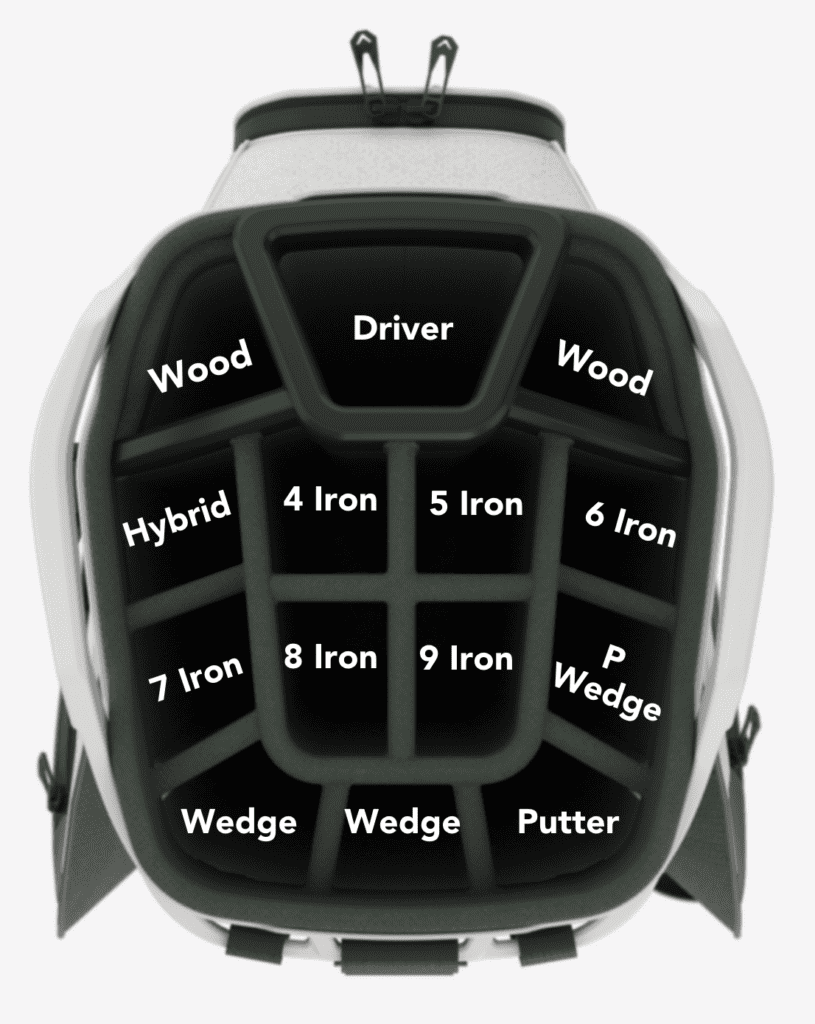
Image Source: www.golfzonleadbetter.com
The Importance of Correct Club Layout
Proper golf club placement in bag is not just about looks. It saves your clubs. It helps you play better too. When clubs are in the right spot, you can find them fast. This saves time during your round. It also stops clubs from hitting each other. This hitting is called club chatter. Club chatter can cause dings, scratches, and damage. Good golf bag club organization keeps your clubs in top shape. It makes them last longer.
Why Good Club Setup Matters
- Club Protection: Clubs hitting each other can cause wear. This happens especially on the shafts and heads. Good setup keeps them apart.
- Quick Access: You need to grab the right club fast. A well-laid-out bag lets you do this without looking.
- Better Play: When you are not fumbling for clubs, you can focus on your shot. This helps your game.
- Bag Balance: Even weight spread makes carrying or moving your bag easier. This is key for stand bags.
Key Factors for Golf Club Placement in Bag
Before you start arranging, know your bag. Know your clubs. These things help you decide the best way to organize golf clubs.
Types of Golf Bags
Golf bags come in different types. Each type has its own layout needs.
- Cart Bags: These bags are for golf carts. They have a flat bottom. Their openings usually face forward. This makes clubs easy to reach from a cart. They often have many dividers for golf bags.
- Stand Bags: These bags have legs that pop out. They are for walking golfers. They are lighter. Their layout needs to keep the bag balanced when you carry it.
- Carry Bags: Smaller bags. For a few clubs. Not much organization needed.
- Tour Bags: Very big bags. For pro golfers. They are heavy. They need a caddie to carry them.
Number of Dividers for Golf Bags
Bags have different numbers of slots. These are called dividers.
* 14-Way Dividers: Each club gets its own slot. This is great for protecting clubs. It also helps with golf club slot configuration.
* 5-Way Dividers: Common in stand bags. Clubs share slots.
* 3-Way Dividers: Found in older or smaller bags. Very basic. Clubs share many slots.
* No Dividers: Very rare now. Clubs are all mixed up.
Your Club Set
Think about the clubs you carry. Most golfers have 14 clubs. These include:
* Driver
* Woods (3-wood, 5-wood, etc.)
* Hybrids
* Irons (4-iron through 9-iron)
* Wedges (Pitching, Gap, Sand, Lob)
* Putter
The length of each club matters for how you arrange them. Long clubs go in specific areas. Short clubs go in other areas. This is part of optimal golf bag layout.
General Rules for Optimal Golf Bag Layout
Some rules work for almost all golf bags. These are the basics of golf bag club organization.
- Longest Clubs at the Top/Back: Your driver, woods, and hybrids are the longest. They should go in the top sections of your bag. This stops their heads from hitting shorter clubs below them. It also keeps them easy to pull out.
- Irons in the Middle: Your irons are next in length. They should go in the middle sections. Place them from long irons to short irons.
- Shortest Clubs at the Bottom/Front: Your wedges and putter are the shortest. They go in the bottom sections. Many bags have a special putter well. This is a bigger, separate slot for the putter.
- Heaviest Clubs at the Top/Back: This helps with balance. It is also where longer clubs go.
- Preventing Club Chatter: Always aim to keep clubs from hitting each other. This is a big part of protecting golf clubs in bag.
Cart Bag Club Setup: A Detailed Look
Cart bags sit upright on a golf cart. This means their top opening is key. The design lets you reach clubs easily while on the cart. Cart bag club setup focuses on access and protection.
Common Cart Bag Layouts
Most cart bags have a 14-way top. This means each club has its own spot. This is the best for preventing club chatter.
- Top Row (Back of Cart): This is where your longest clubs go.
- Driver: Center top slot.
- Woods (3-wood, 5-wood): Slots on either side of the driver.
- Hybrids: Next to the woods.
- Middle Rows: These are for your irons. Arrange them by number.
- Long Irons (4-iron, 5-iron): Top part of the middle section.
- Mid Irons (6-iron, 7-iron): Middle part of the middle section.
- Short Irons (8-iron, 9-iron): Bottom part of the middle section.
- Bottom Row (Front of Cart): This is for your shortest clubs.
- Wedges (PW, GW, SW, LW): Slots on either side of the putter.
- Putter: Usually in a large, dedicated putter well in the very front. This special slot keeps the putter safe. It stops it from hitting other clubs.
Visualizing Cart Bag Club Setup
Imagine looking down into your bag from the top.
| Area | Club Type | Specific Clubs | Benefits |
|---|---|---|---|
| Top | Woods/Driver | Driver, 3-wood, 5-wood | Easy access, long clubs stand tall |
| Upper Middle | Long Irons | 4-iron, 5-iron | Next in length, accessible |
| Lower Middle | Mid Irons | 6-iron, 7-iron | Centrally located |
| Bottom | Short Irons/Wedges | 8-iron, 9-iron, PW, GW, SW, LW | Shortest clubs, easy to reach |
| Front Slot | Putter | Putter | Dedicated space, extra protection |
This golf club slot configuration helps with optimal golf bag layout for a cart bag. It ensures that your longer clubs are safe and easy to grab. It also keeps your shorter clubs within reach.
Tips for Cart Bag Users
- Keep Putter Separate: Always use the putter well if your bag has one. This is a key part of protecting golf clubs in bag.
- Headcovers: Use headcovers on your driver, woods, and hybrids. This is vital for preventing club chatter. Even with 14-way dividers, heads can knock together.
- Weight Distribution: Cart bags are less about balance for carrying. But a good setup still makes them easy to load and unload.
- Check Dividers: Make sure your dividers are full length. Full-length dividers mean each club goes all the way down without tangling. This is crucial for golf bag club organization.
Stand Bag Club Arrangement: For the Walker
Stand bags are different. They need to be light. They need to be balanced when carried. Stand bag club arrangement focuses on easy carrying and quick access while walking. Most stand bags have 3-way, 5-way, or 7-way tops. They rarely have 14-way dividers. This means clubs share slots.
Common Stand Bag Layouts
- Top Section (Back): This is the biggest section. It holds your longest clubs.
- Driver, Woods, Hybrids: Put these in the largest top slot. Arrange them so the longest club (driver) is in the middle of this section.
- Middle Section: This is for your irons.
- Longer Irons (4-iron, 5-iron, 6-iron): Put these in the upper middle slot.
- Shorter Irons (7-iron, 8-iron, 9-iron): Put these in the lower middle slot.
- Bottom Section (Front): This is for your wedges and putter.
- Wedges (PW, GW, SW, LW): Place these in one of the bottom slots.
- Putter: Many stand bags have a putter well here. If not, put it with the wedges or in a corner of the bottom section.
Example of a 5-Way Stand Bag Layout
Imagine your bag from the top. It has two large slots at the back, two smaller ones in the middle, and one large slot at the front.
| Area | Club Type | Specific Clubs | Benefits |
|---|---|---|---|
| Top Back (Left) | Driver/Woods | Driver, 3-wood | Longest clubs, easy to grab |
| Top Back (Right) | Hybrids/Long Irons | Hybrids, 4-iron, 5-iron | Next longest, good for balance |
| Mid Left | Mid Irons | 6-iron, 7-iron | Balanced, easy to reach while walking |
| Mid Right | Short Irons | 8-iron, 9-iron | Grouped by length, easy to find |
| Bottom Front | Wedges/Putter | PW, SW, LW, Putter | Shortest clubs, usually a special putter slot |
This stand bag club arrangement is common. It helps keep the bag balanced when you carry it. It also makes clubs easy to get to.
Tips for Stand Bag Users
- Balance is Key: When you load a stand bag, test its balance. It should not feel heavy on one side. This makes carrying easier. This is part of optimal golf bag layout for walkers.
- Headcovers are a Must: With fewer dividers, club chatter is a bigger risk. Use headcovers on all woods, hybrids, and your putter. This is crucial for preventing club chatter.
- Club Sharing: Clubs will share slots. Arrange them by length within each slot. Put the slightly longer ones in the back of the slot. Put shorter ones in front. This helps with golf club placement in bag.
- Putter Well Use: If your stand bag has a putter well, use it. This adds extra protection for your most used club. This is a core part of protecting golf clubs in bag.
- Check Straps: Make sure your bag straps are adjusted right. A well-balanced bag with good straps feels lighter.
Protecting Golf Clubs in Bag: Beyond Just Placement
Even with the best club arrangement, more steps can keep your clubs safe. Protecting golf clubs in bag is a full-time job for a golfer.
Stopping Club Chatter
Club chatter is the sound of clubs hitting each other. It also means clubs are scratching each other.
* Headcovers: Use headcovers on all woods, hybrids, and your putter. Some golfers even use iron headcovers.
* Club Socks/Wraps: These are thin covers that slip over individual iron heads. They add a layer of protection.
* Right Bag Size: Do not try to fit too many clubs into a small bag. Clubs will be too crowded.
* Divider Types: Full-length dividers are best. They keep clubs separated from top to bottom. If your bag does not have full-length dividers, clubs can tangle at the bottom. This makes them harder to pull out. It also causes wear.
Maintaining Your Bag and Clubs
- Clean Slots: Dirt and grit in your bag’s slots can scratch clubs. Clean them often.
- Wipe Clubs Down: After each round, wipe your clubs. This removes dirt. This also helps you see any new damage.
- Check for Wear: Look at your bag’s dividers. Are they worn out? Damaged dividers offer less protection.
- Proper Storage: Store your bag in a dry, cool place. Do not leave it in a hot car trunk. This can harm grips and shafts.
Grasping the Optimal Golf Bag Layout for You
There is no one “perfect” golf bag layout for everyone. Your best way to organize golf clubs depends on your bag type, your clubs, and how you play.
Factors to Consider for Your Layout
- Your Bag’s Dividers: This is the most important thing. A 14-way divider bag will have a different layout than a 5-way bag. Adapt your golf club slot configuration to your bag’s design.
- Your Putter: Is it a large putter (like a mallet)? It might need a bigger putter well.
- Walking vs. Riding: If you walk, balance matters more. If you ride, easy access from the cart matters more. This changes your cart bag club setup or stand bag club arrangement.
- Personal Preference: Try different layouts. See what feels best for you. Some golfers like all their wedges together. Others like their putter next to their pitching wedge.
- Trial and Error: Load your bag. Go for a round. See what works. If a club is hard to get, move it. If clubs are hitting, change the setup.
Customizing Your Bag
- Accessory Placement: Where do you put your balls, tees, gloves, and rangefinder? Place them in pockets that are easy to reach. But do not let them add too much weight or make the bag unbalanced.
- Rain Gear: If you often play in rain, keep your rain gear in an easy-to-grab pocket.
- Weight Distribution: Even with cart bags, try to spread the weight of your accessories. This makes moving the bag easier.
Deciphering Golf Club Slot Configuration
This term refers to how you map out each slot in your bag. It’s about assigning specific clubs to specific holes.
For a 14-Way Divider Bag:
This is the easiest to map out. Each club gets its own home.
| Slot Number | Club Type | Example Clubs |
|---|---|---|
| Top Row (Back) | Driver / Woods | Driver, 3W, 5W |
| Upper Middle | Hybrids / Long Irons | Hybrids, 4I, 5I |
| Mid Middle | Mid Irons | 6I, 7I |
| Lower Middle | Short Irons / Wedges | 8I, 9I, PW, GW |
| Bottom Row (Front) | Remaining Wedges / Putter | SW, LW, Putter (well) |
This creates a clean, clear golf club placement in bag.
For a 5-Way Divider Bag:
This needs more thought. You group clubs.
| Slot Number | Club Type Group | Example Clubs in Slot |
|---|---|---|
| Top Rear | Driver / Woods | Driver, 3W, 5W |
| Top Front | Hybrids / Long Irons | Hybrids, 4I, 5I |
| Mid Left | Mid Irons | 6I, 7I |
| Mid Right | Short Irons | 8I, 9I |
| Bottom Front | Wedges / Putter | PW, GW, SW, LW, Putter |
In these shared slots, always place longer clubs first (deeper in the slot). Then put shorter clubs in front of them. This is part of the best way to organize golf clubs when slots are limited.
Preventing Club Chatter: Advanced Steps
Beyond headcovers, you can do more to silence the clubs.
- Velcro Straps: Some golfers use small velcro straps to bundle clubs in shared slots. This stops movement.
- Club Separators: These are small plastic or rubber inserts that fit into the slots. They add an extra barrier between clubs.
- Full-Length Dividers: If buying a new bag, look for one with full-length dividers. They offer the best protection against club chatter. This is a big step in protecting golf clubs in bag.
Final Thoughts on Golf Bag Club Organization
Arranging your golf clubs properly is a simple yet vital task. It protects your investment. It also makes your game more enjoyable. Take the time to set up your bag. Experiment with different layouts. Find what works best for you. A well-organized golf bag is a sign of a golfer ready to play. It saves time. It saves your clubs. It helps you focus on what matters most: your golf shot.
Frequently Asked Questions (FAQ)
Q1: What is the very best way to organize golf clubs?
A1: The “best” way depends on your bag type. For cart bags, a 14-way top with longest clubs at the back and shortest at the front is usually best. For stand bags, group clubs by length in 3, 5, or 7-way sections, keeping long clubs at the back. Always use headcovers on woods and hybrids.
Q2: Can I put my putter with my wedges?
A2: Yes, if your bag does not have a dedicated putter well. It is common to put your putter with your wedges in the bottom or front section of the bag, especially in stand bags. Use a putter headcover for extra protection.
Q3: How do I stop my clubs from rattling (club chatter)?
A3: Use headcovers on your driver, woods, and hybrids. Consider iron headcovers if you are very concerned. Full-length dividers in your bag help a lot. Also, make sure clubs are not too loose in their slots. Some golfers use soft club socks or rubber inserts in shared slots.
Q4: Does optimal golf bag layout make a big difference?
A4: Yes, it makes a huge difference. A good layout speeds up your game because you find clubs faster. It also protects your clubs from damage caused by hitting each other. This saves you money in the long run. It makes your golf bag easier to carry or move.
Q5: Should I put my heaviest clubs at the top or bottom of the bag?
A5: You should put your heaviest and longest clubs (driver, woods) at the top or back of the bag. This is good for balance, especially for stand bags. It also keeps their heads from hitting shorter clubs.
Q6: What is a golf club slot configuration?
A6: Golf club slot configuration is simply how you decide which club goes into which slot or group of slots in your golf bag. It’s your personal map for your clubs inside the bag, often based on club length and bag design.